2026-07-25
SCM Field Trials Show What Scale-Ready Supply Requires
A recent Australian concrete trial highlights the next test for low-carbon materials: moving from technical promise to verified, repeatable and supply-ready performance.
SCM现场试验说明:真正可规模化的供应需要什么
澳大利亚近期的一项混凝土现场试验,揭示了低碳材料面临的下一道考题:从技术潜力走向可验证、可重复、可稳定供应的实际性能。
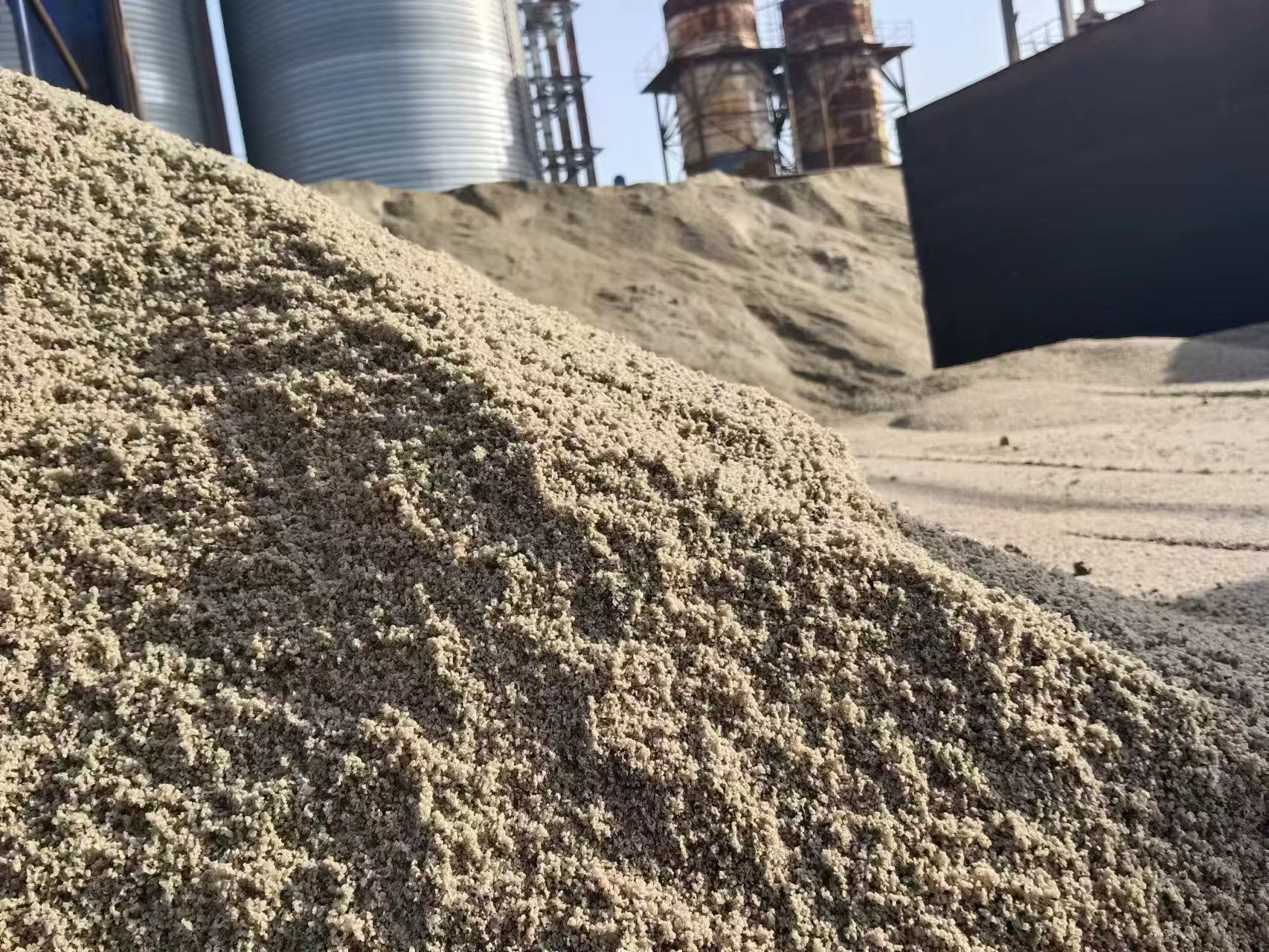
Recent industry reporting says MCi Carbon's synthetic pozzolan was used in a concrete field trial at Boral's Maldon Cement Works in New South Wales, with results reported as comparable to a conventional fly-ash mix. The material is not slag, but the trial carries a broader message for the entire supplementary cementitious materials market: adoption advances when laboratory claims are translated into practical concrete performance.
1. Field evidence narrows procurement risk
Concrete producers need to understand workability, strength development, consistency and compatibility under real operating conditions. A field trial does not by itself guarantee full commercial scale, but it provides a more useful decision point than a promising technical concept alone. Qualification data and transparent sampling therefore remain central to procurement.

2. A broader SCM portfolio increases the value of discipline
As producers assess synthetic pozzolans, calcined clay, fly ash, GBFS and GGBFS, comparison will increasingly focus on usable performance rather than material labels. Each option has a different chemistry and role. Reliable specifications, representative testing and control of variability help buyers design the right blend without treating SCMs as interchangeable commodities.
3. Technical qualification must connect to logistics
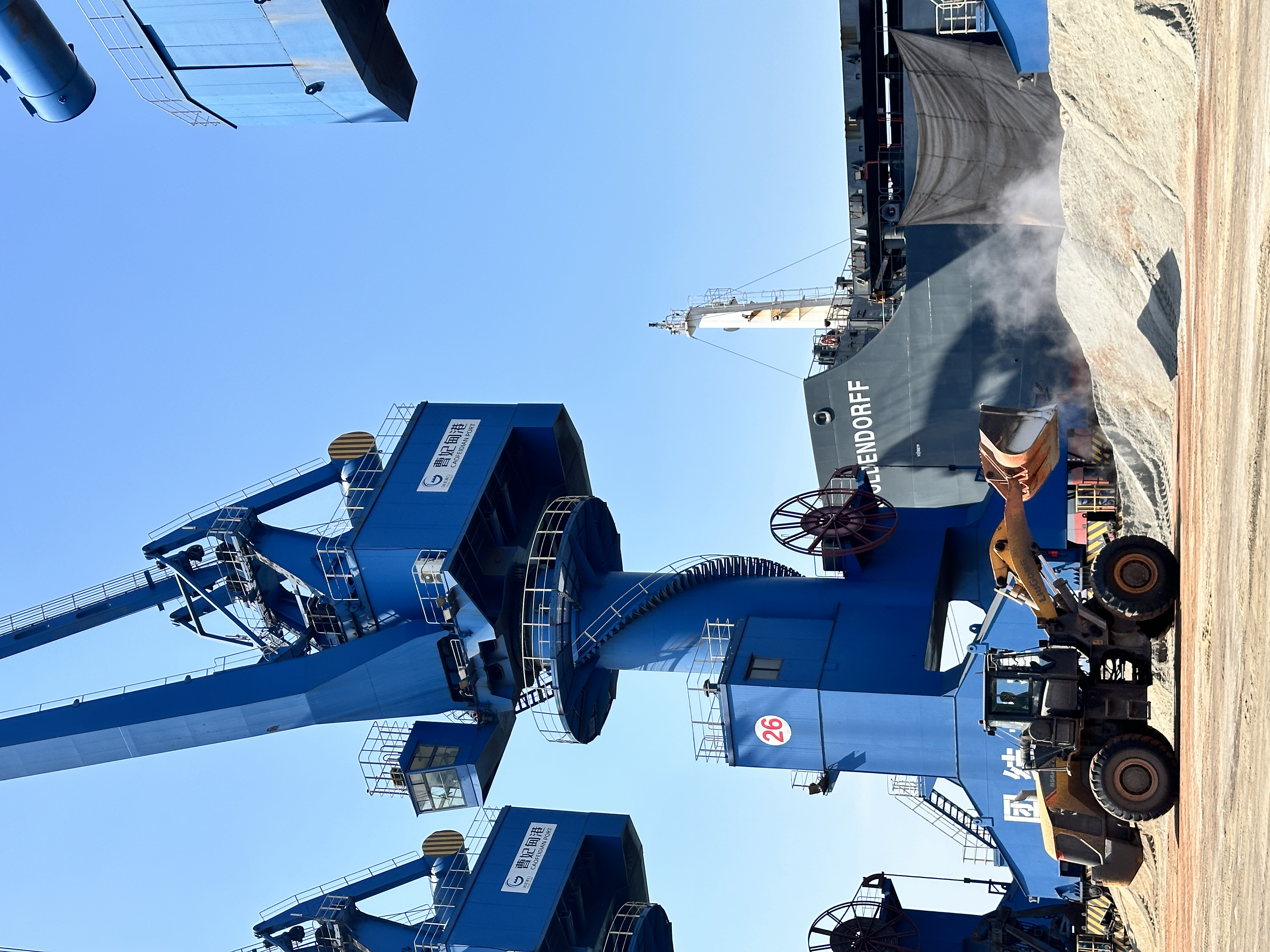
A qualified material creates value only when the required volume can reach the plant consistently. For export GBFS and GGBFS, that means linking specification and stock readiness with loading method, laycan, vessel fit, port execution and documentation. Commercial scale is ultimately a chain of technical and logistical controls.
Takeaway: The latest SCM field-trial signal is encouraging, but its deeper market meaning is discipline. Lower-clinker cement will scale through materials that can prove performance, control variability and arrive when production needs them.
近期行业报道显示,MCi Carbon 的合成火山灰材料在新南威尔士州 Boral 的 Maldon 水泥厂完成了混凝土现场试验,公开结果称其表现可与传统粉煤灰配合比相比较。该材料并不是矿渣,但这项试验对整个补充性胶凝材料市场传递出更广泛的信号:只有把实验室主张转化为真实混凝土性能,材料应用才会进一步推进。
1. 现场证据有助于降低采购风险
混凝土生产商需要了解材料在真实工况下的和易性、强度发展、稳定性和相容性。一次现场试验并不等于已经实现全面商业化,但它比单纯的技术概念更能支持采购判断。因此,合格评定数据、透明取样和可追溯检验仍然十分关键。
2. SCM 选择增多,更凸显供应纪律
当生产商同时评估合成火山灰、煅烧黏土、粉煤灰、GBFS 和 GGBFS 时,比较重点将越来越落在可用性能,而不是材料名称。不同材料具有不同的化学特性和应用角色。可靠规格、代表性检验和波动控制,能够帮助买方设计合适配合比,避免把各类 SCM 当作可以随意互换的大宗商品。
3. 技术认证必须与物流执行衔接
合格材料只有按所需数量稳定送达工厂,才能真正创造价值。对出口 GBFS 与 GGBFS 而言,这意味着把规格和库存准备度,与装载方式、laycan、船型适配、港口执行和单证衔接起来。商业规模最终来自一整套技术与物流控制链。
结论:最新 SCM 现场试验释放了积极信号,但更深层的市场含义是“纪律”。低熟料水泥要实现规模化,需要材料能够证明性能、控制波动,并在生产需要时准时到位。
Evaluating GBFS or GGBFS supply?
Share specification, quantity, destination port, loading method and expected shipment window so material and logistics readiness can be checked together.
正在评估 GBFS 或 GGBFS 供应?
请提供规格、数量、目的港、装载方式和预计发运窗口,以便同步核对材料与物流准备度。