2026-07-27
Carbon Costs Move Into Cement Shipping Decisions
Shipping carbon rules are no longer a distant policy issue. They are becoming part of voyage economics, vessel selection and delivery planning for cementitious cargoes.
碳成本正进入水泥与胶凝材料海运决策
航运碳规则已不再是遥远的政策议题,而正在进入胶凝材料货盘的航次经济性、船型选择与交付规划。
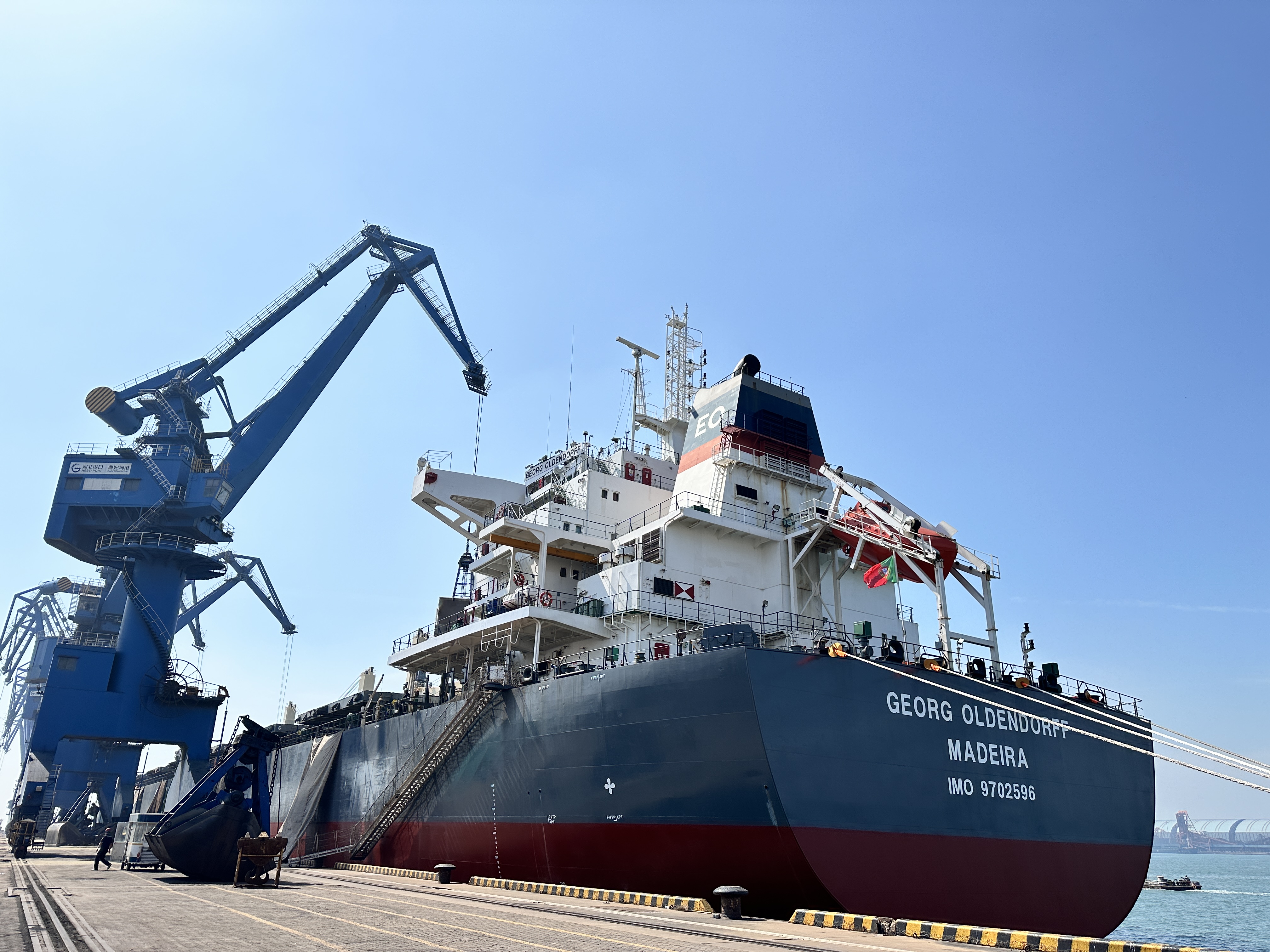
Recent discussion around the INTERCEM Shipping Forum highlighted how the EU Emissions Trading System and FuelEU Maritime are directly influencing commercial operations, voyage costs and investment decisions in cement-carrier and dry-bulk markets. The signal for cement, clinker, GBFS and GGBFS trade is clear: carbon exposure is becoming another variable in the delivered-cost equation.
1. The same freight quote may carry different carbon exposure
Two vessels offered for a similar route may differ in fuel consumption, speed profile and regulatory exposure. The lowest headline freight rate may therefore not produce the lowest final voyage cost. Chartering decisions increasingly need a clearer view of vessel efficiency, route coverage and how carbon-related charges are allocated between counterparties.
2. Port readiness becomes part of emissions discipline
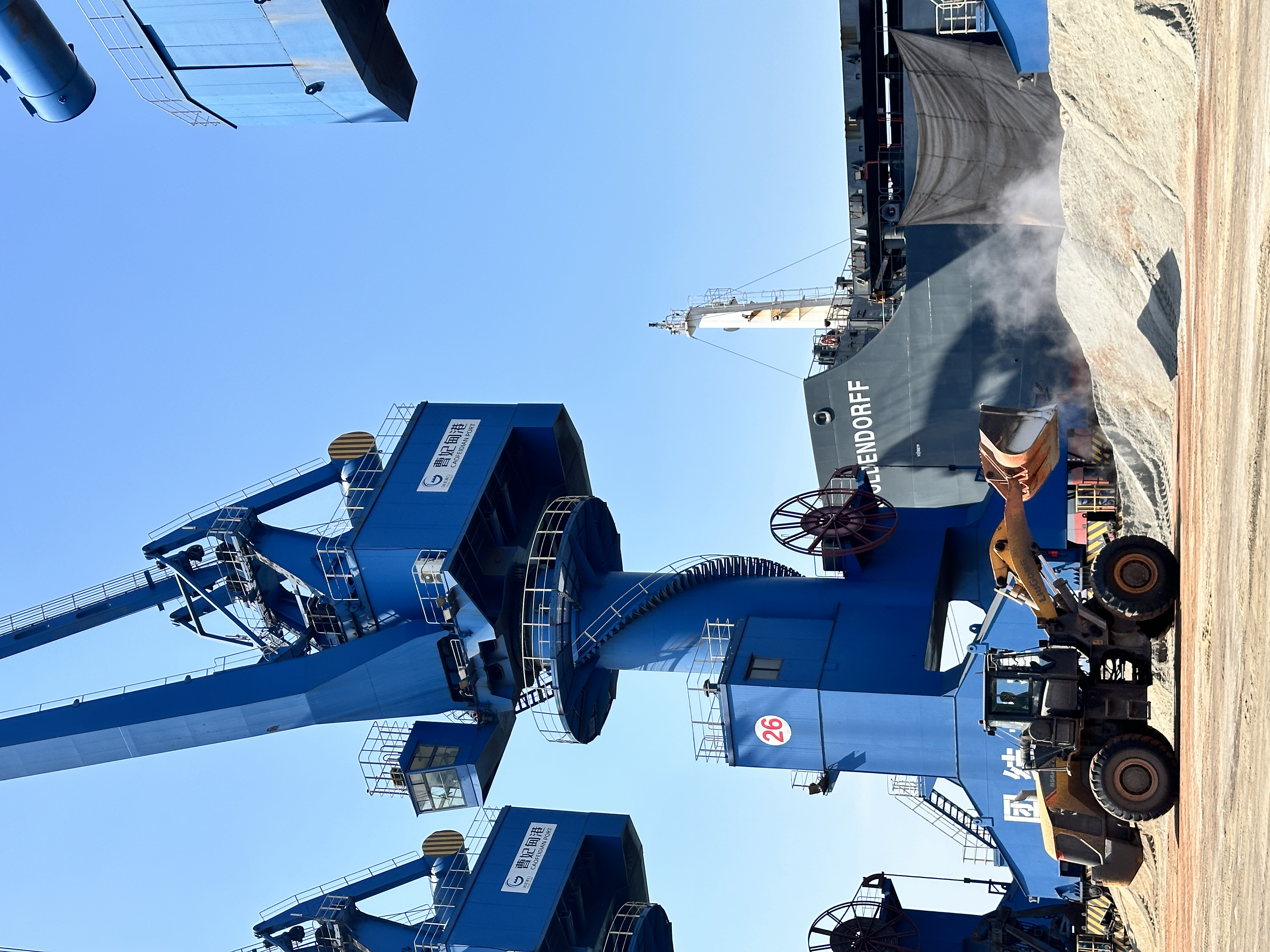
Carbon regulation is often discussed in terms of fuel and vessel technology, but operational delay also matters. A cargo that is not ready, a missed laycan or slow loading can extend port time and weaken the economics of an otherwise well-planned voyage. Stock readiness, loading method, berth coordination and documentation now support both cost control and lower operational waste.
3. Material strategy and logistics strategy must connect
Lower-clinker cement can reduce embodied carbon through qualified supplementary cementitious materials such as GGBFS. Yet the value of that strategy depends on dependable delivery. Buyers should evaluate material performance together with quantity, shipment window, vessel fit and destination requirements so that product-level carbon gains are not undermined by avoidable logistics inefficiency.
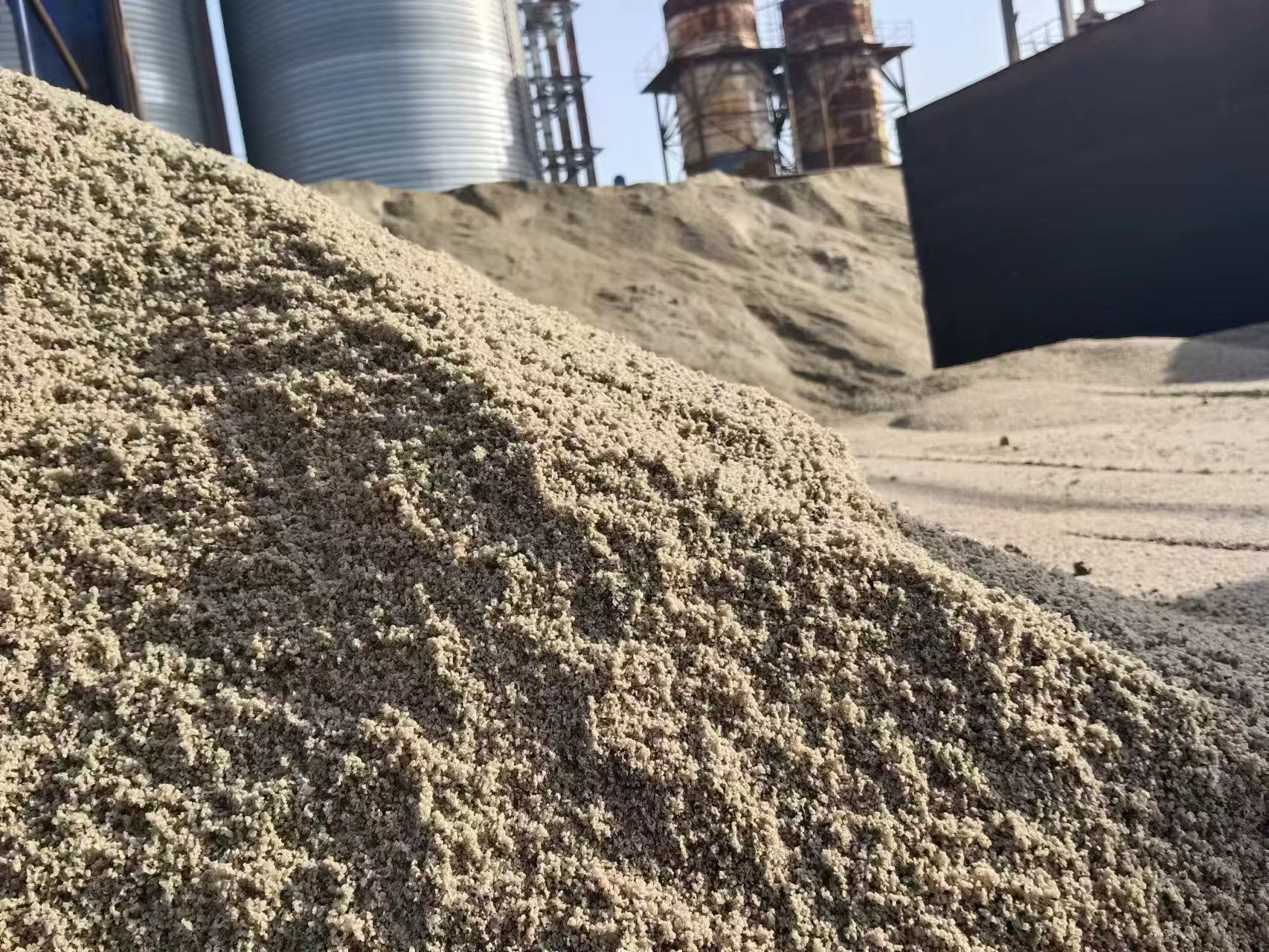
Takeaway: Carbon cost is becoming a practical shipping variable. For cementitious materials, stronger procurement will combine qualified supply with transparent freight assumptions, suitable vessels and shipment-ready port execution.
近期 INTERCEM Shipping Forum 的讨论强调,欧盟碳排放交易体系和 FuelEU Maritime 正直接影响水泥船与干散货市场的商业运营、航次成本和投资决策。对水泥、熟料、GBFS 与 GGBFS 贸易而言,信号已经很清楚:碳暴露正在成为到岸成本公式中的又一个变量。
1. 相同的运价报价,碳成本暴露可能不同
即使执行相近航线,两艘候选船舶在燃油消耗、航速曲线和监管覆盖方面也可能不同。因此,最低的表面运价未必对应最低的最终航次成本。租船决策越来越需要看清船舶效率、航线适用范围,以及碳相关费用如何在合同各方之间分配。
2. 港口准备度也成为减排纪律的一部分
航运碳规则经常从燃料和船舶技术角度讨论,但操作延误同样重要。货物未备妥、错过 laycan 或装载缓慢,都会延长港口时间,削弱原本合理的航次经济性。库存准备、装载方式、泊位协调和单证管理,正在同时服务于成本控制与减少运营浪费。
3. 材料策略必须与物流策略衔接
低熟料水泥可通过采用合格的 GGBFS 等补充性胶凝材料降低隐含碳,但这一价值依赖可靠交付。买方应把材料性能与数量、发运窗口、船型适配和目的港要求一起评估,避免产品端的减碳收益被可避免的物流低效抵消。
结论:碳成本正在成为实际的海运变量。对胶凝材料采购而言,更强的方案应把合格供应、透明运费假设、适配船型与可发运的港口执行结合起来。
Planning a GBFS or GGBFS shipment?
Share specification, quantity, destination port, loading method and expected laycan so material and voyage readiness can be checked together.
正在规划 GBFS 或 GGBFS 发运?
请提供规格、数量、目的港、装载方式和预计 laycan,以便同步核对材料与航次准备度。