2026-07-29
Softer Asian Dry Bulk Opens a Cargo Planning Window
Weaker Asian Handysize sentiment and ample tonnage create a useful planning window for cement, clinker, GBFS and GGBFS cargoes—but execution still starts with readiness.
亚洲干散货市场偏软,为货盘规划打开窗口
亚洲灵便型船市场情绪偏弱、运力相对充足,为水泥、熟料、GBFS 与 GGBFS 货盘提供了规划窗口,但真正执行仍始于充分准备。
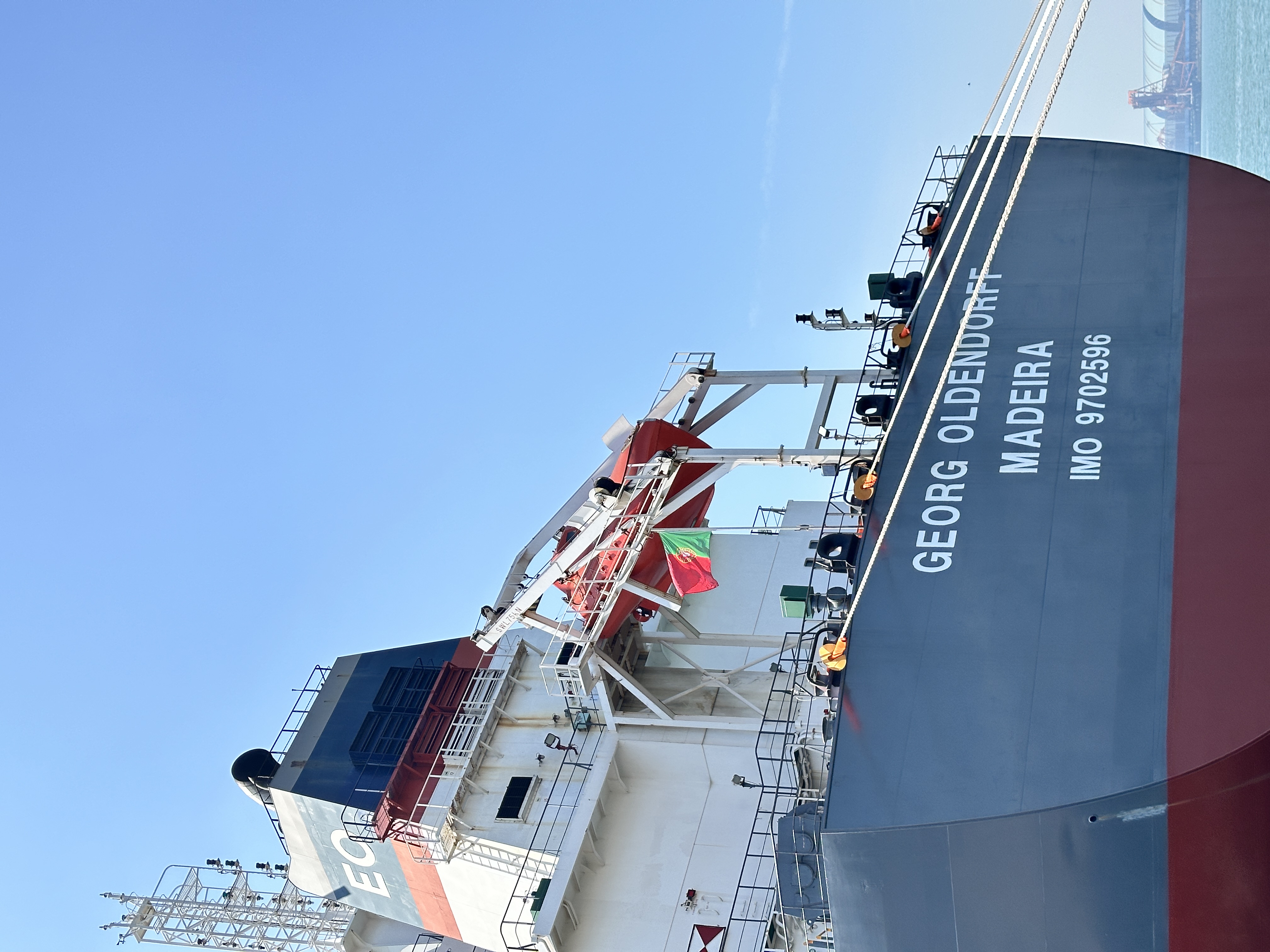
Shipping reports for the week ending 17 July showed a softer Asian Handysize market and cited a 28,000-dwt voyage via North Vietnam to Singapore carrying cement. One fixture does not define a trend, but the wider signal is useful: available tonnage can improve a buyer's negotiating position while the market remains quiet.
1. A softer market is a planning window, not a guarantee
Freight conditions can change quickly as fresh cargo enters the market or vessel positions shift. Buyers should use a softer period to test realistic voyage options, confirm vessel size and compare loading windows—not assume today's indication will remain available when the cargo is finally ready.
2. Cargo definition creates negotiating leverage
A clear enquiry should include material, specification, quantity, loading method, destination and expected laycan. These inputs help owners and brokers judge vessel fit and voyage economics. An incomplete cargo brief may receive a low headline indication, but it cannot become a dependable shipment plan.
3. GBFS and GGBFS logistics should be aligned early
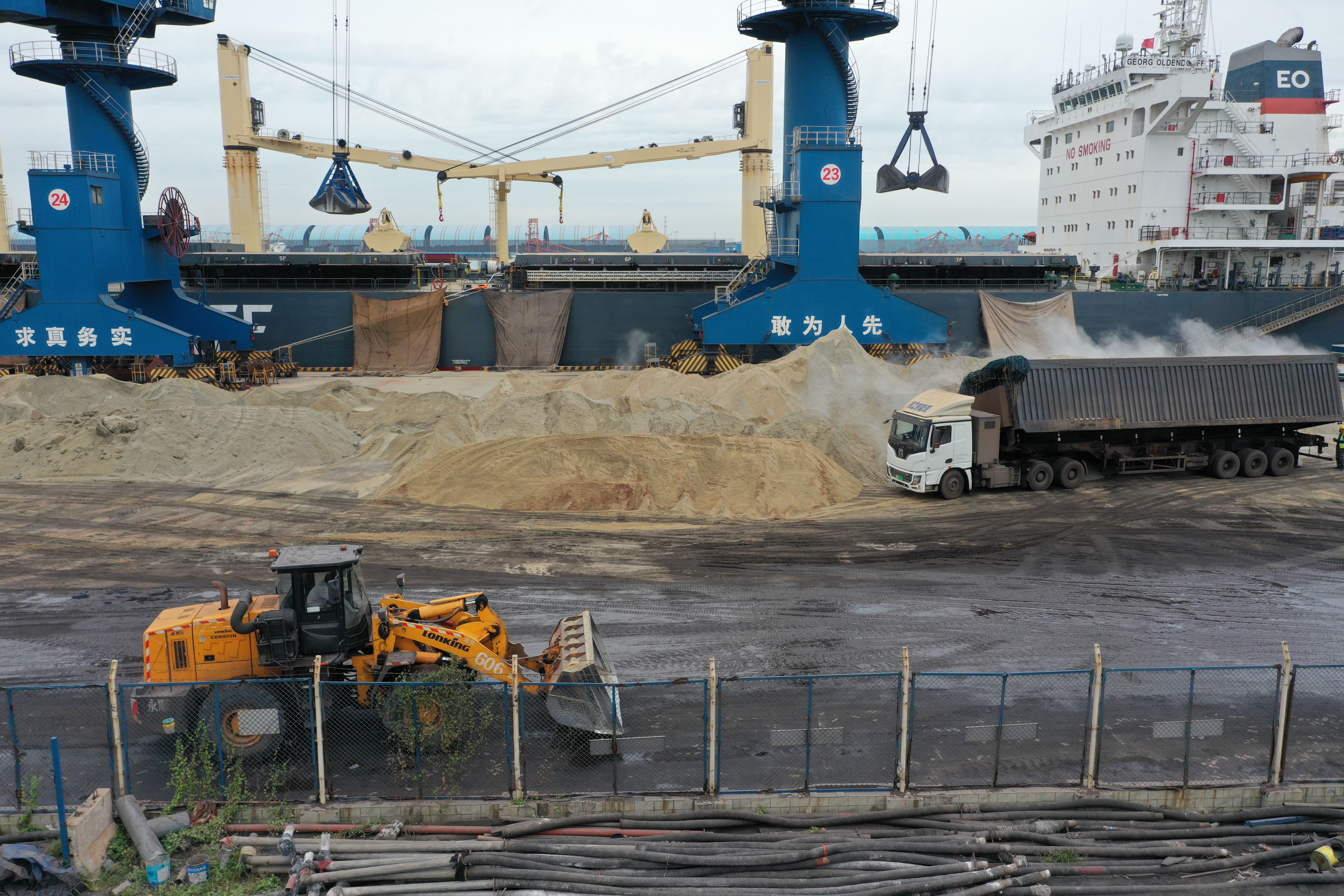
For bulk GBFS and GGBFS supply, material readiness must move together with freight planning. SENLAN's Caofeidian-based supply and loading execution supports this coordination. Early confirmation of specification, quantity and loading method gives the supply side time to match stock, handling and documentation with a realistic vessel window.

Takeaway: Softer Asian dry bulk sentiment can create room to plan, compare and negotiate. The advantage belongs to buyers and suppliers that translate the window into a defined cargo, suitable vessel and shipment-ready port plan. Industry signal source: Baltic Exchange weekly reporting for 17 July 2026.
截至 7 月 17 日当周的航运报告显示,亚洲灵便型船市场偏软,并提到一艘 28,000 载重吨船舶经越南北部驶往新加坡、承运水泥的成交。单笔成交不足以定义趋势,但更广泛的信号值得关注:市场清淡时,较充足的可用运力可以改善买方的谈判位置。
1. 偏软市场是规划窗口,不是运价保证
随着新货盘进入市场或船位变化,运费条件可能迅速改变。买方应利用偏软阶段测试现实航次方案、确认船型并比较装货窗口,而不应假设当前意向运价会一直保留到货物准备完成。
2. 明确货盘才能形成谈判能力
一份清晰询盘应包括材料、规格、数量、装载方式、目的地与预计 laycan。这些信息帮助船东和经纪人判断船型适配与航次经济性。不完整的货盘描述可能获得较低的口头意向价,却无法形成可靠的发运计划。
3. GBFS 与 GGBFS 物流需要提前协同
对于散装 GBFS 与 GGBFS 供应,材料准备必须与运费规划同步推进。SENLAN 以曹妃甸为供应与装货执行基地,可支持这种协同。提前确认规格、数量与装载方式,能让供应端有时间把库存、装卸与单证匹配到现实船期。
结论:亚洲干散货市场偏软,为规划、比较和谈判提供了空间。真正的优势属于能把窗口转化为明确货盘、适配船型和可发运港口计划的买卖双方。行业信号来源:波罗的海交易所 2026 年 7 月 17 日周报。
Planning a GBFS or GGBFS shipment?
Share specification, quantity, destination port, loading method and expected laycan so material and voyage readiness can be checked together.
正在规划 GBFS 或 GGBFS 发运?
请提供规格、数量、目的港、装载方式和预计 laycan,以便同步核对材料与航次准备度。