2026-07-31
Low-Clinker Cement Moves Into Procurement Verification
Recent commercial low-carbon binder milestones show that verified performance, dependable material streams and shipment-ready logistics are becoming practical procurement requirements.
低熟料水泥进入采购验证阶段
近期低碳胶凝材料的商业化进展表明,可验证性能、稳定材料来源与可发运物流,正在成为现实采购要求。
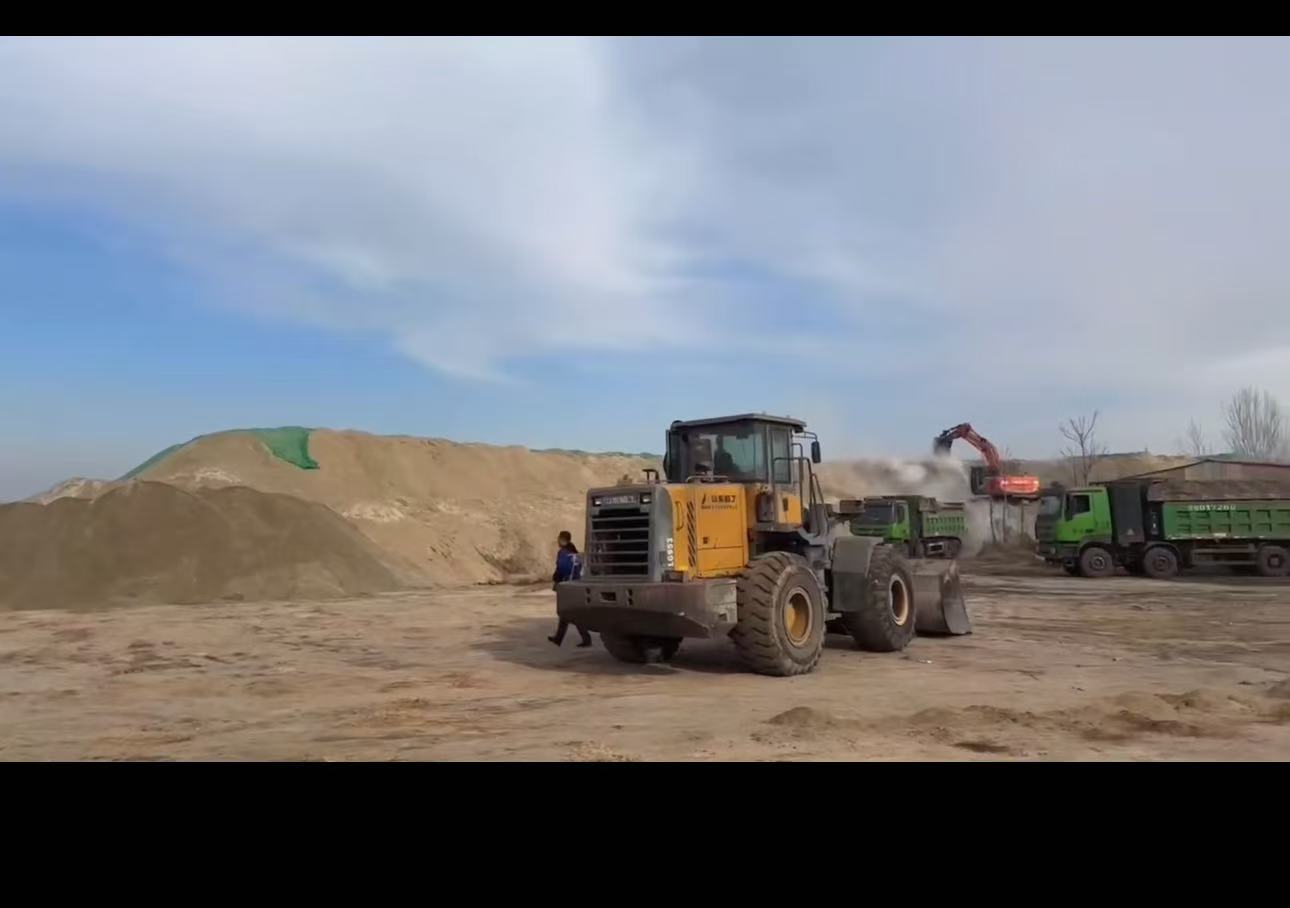
Late-July industry reporting highlighted two verified environmental product declarations for C-Crete's clinker-free cementitious binders and noted that the materials are already being used in commercial concrete. The specific technology is distinct from conventional slag cement, but its progress reinforces a broader procurement trend: lower-carbon claims gain commercial value only when buyers can evaluate documented performance and repeatable supply.
1. Verification is becoming part of the product
Environmental declarations can make embodied-carbon comparisons more transparent, while project testing helps confirm whether a binder suits a specified application. Procurement teams still need to review standards, mix design, strength development, durability and local acceptance. A strong carbon claim does not remove the need for technical qualification.
2. Feedstock reliability determines scalability
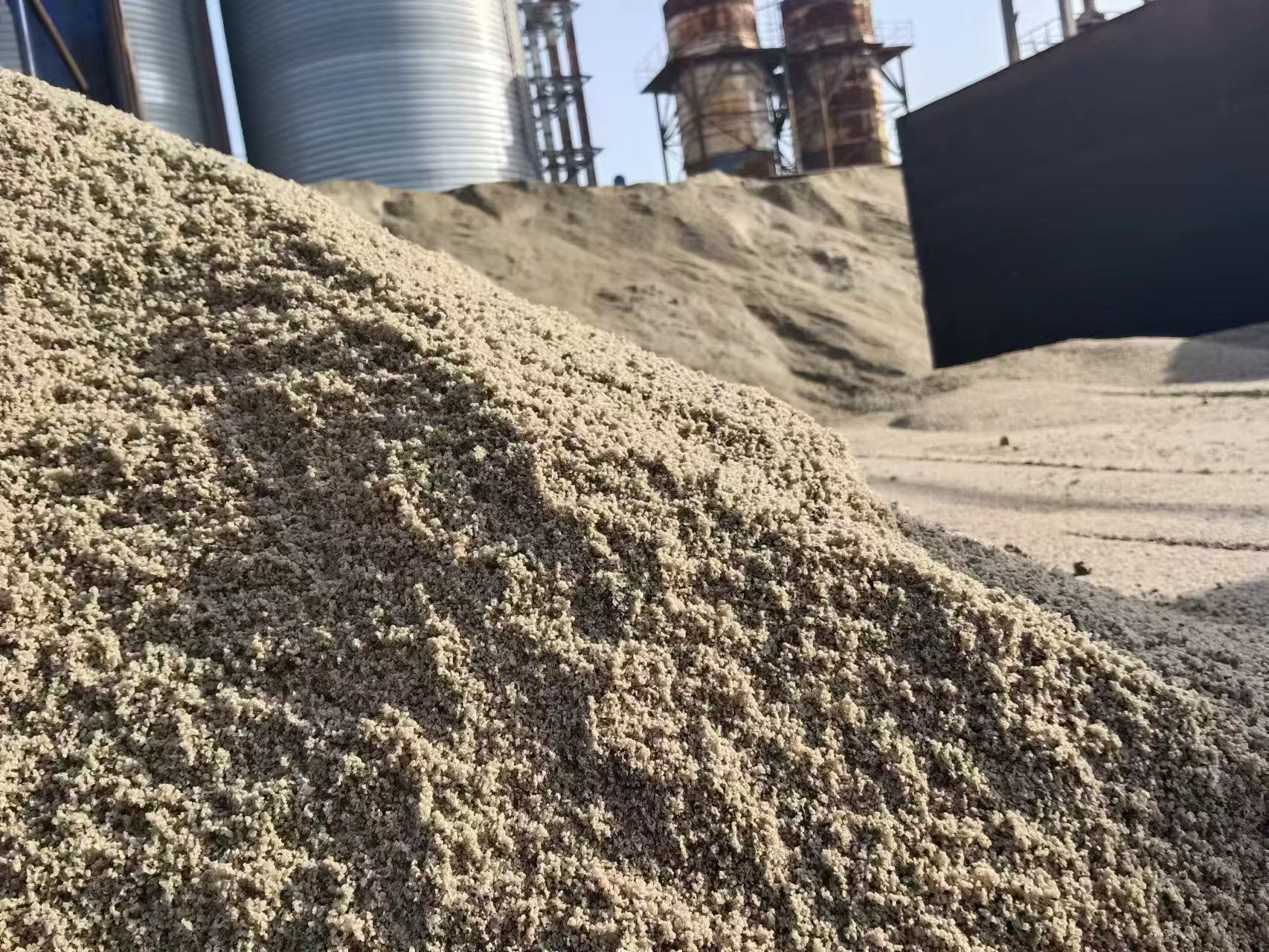
Many lower-clinker pathways depend on mineral inputs or industrial by-products. As adoption grows, buyers will look beyond availability headlines to consistency, processing control and the ability to supply at project scale. GBFS and GGBFS remain established options in this wider SCM portfolio, but every source must still be assessed against the buyer's specification and intended cement or concrete system.
3. Delivery readiness completes the low-carbon case
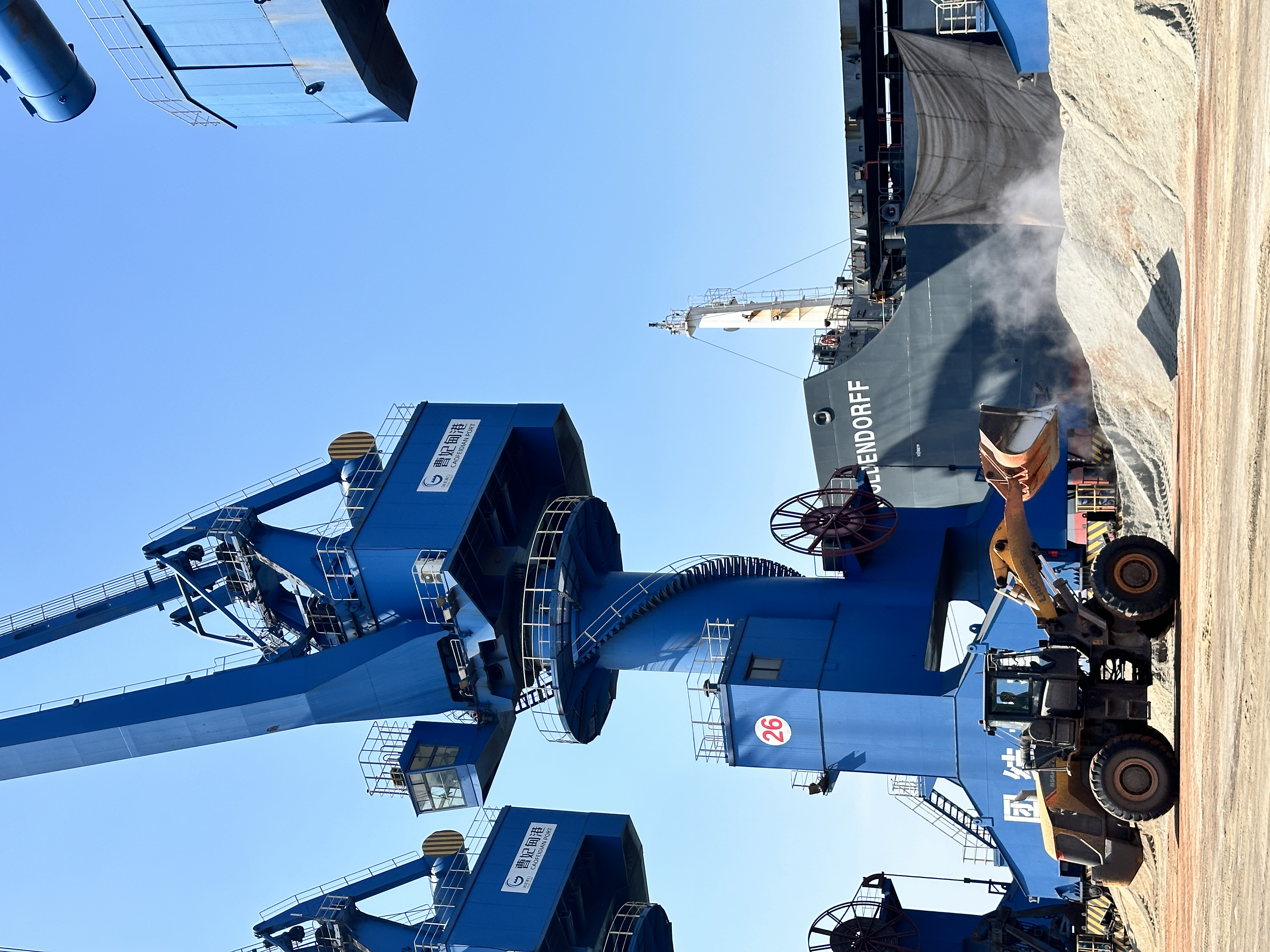
Verified material has limited value if it cannot reach the plant on the required schedule. Quantity, loading method, destination and laycan should be aligned early with stock, handling and vessel planning. SENLAN's GBFS and GGBFS supply execution from Caofeidian supports bulk-vessel and jumbo-bag planning according to customer requirements.
Takeaway: Low-carbon cement is entering a procurement phase defined by evidence and execution. Whether the route uses an innovative clinker-free binder or established GBFS and GGBFS, commercial confidence depends on verified performance, dependable material and a delivery plan that can be repeated. Industry signal sources: C-Crete and Business Wire reporting published 28 July 2026; subsequent industry coverage published 29 July 2026.
7 月下旬的行业报道显示,C-Crete 的无熟料胶凝材料已获得两份经验证的环境产品声明,并用于商业混凝土浇筑。这项技术不同于传统矿渣水泥,但其进展强化了一个更广泛的采购趋势:只有当买方能够评估有记录的性能与可重复供应时,低碳主张才会转化为商业价值。
1. 验证正在成为产品的一部分
环境声明可以提高隐含碳比较的透明度,项目测试则有助于确认胶凝材料是否适合指定用途。采购团队仍需审查标准、配合比、强度发展、耐久性和本地认可情况。亮眼的减碳数据不能替代技术认证。
2. 原料可靠性决定规模化能力
许多低熟料路线依赖矿物原料或工业副产品。随着应用增长,买方关注点将从“是否有货”转向一致性、加工控制以及项目规模供货能力。GBFS 与 GGBFS 是更广泛 SCM 组合中的成熟选择,但每个来源仍需根据买方规格及其水泥或混凝土体系进行评估。
3. 交付准备度补全低碳逻辑
合格材料如果不能按计划抵达工厂,价值仍然有限。数量、装载方式、目的地与 laycan 应提前与库存、装卸和船舶计划协同。SENLAN 以曹妃甸为 GBFS 与 GGBFS 供应执行基地,可按客户要求支持散装船及吨袋发运规划。
结论:低碳水泥正在进入由证据与执行定义的采购阶段。无论采用创新型无熟料胶凝材料,还是成熟的 GBFS 与 GGBFS,商业信心都取决于可验证性能、可靠材料与可重复交付计划。行业信号来源:C-Crete 与 Business Wire 于 2026 年 7 月 28 日发布的信息,以及 7 月 29 日的后续行业报道。
Evaluating GBFS or GGBFS supply?
Share specification, quantity, destination port, loading method and expected laycan so material and shipment readiness can be assessed together.
正在评估 GBFS 或 GGBFS 供应?
请提供规格、数量、目的港、装载方式和预计 laycan,以便同步评估材料与发运准备度。