2026-08-03
Nigeria's Clinker Export Growth Highlights Shipment Discipline
Ten regional clinker shipments in the first half of 2026 show that export growth depends on repeatable cargo, vessel and port execution.
尼日利亚熟料出口增长凸显持续发运能力
2026 年上半年完成十船区域熟料发运,说明出口增长离不开可重复的货源、船舶与港口执行。
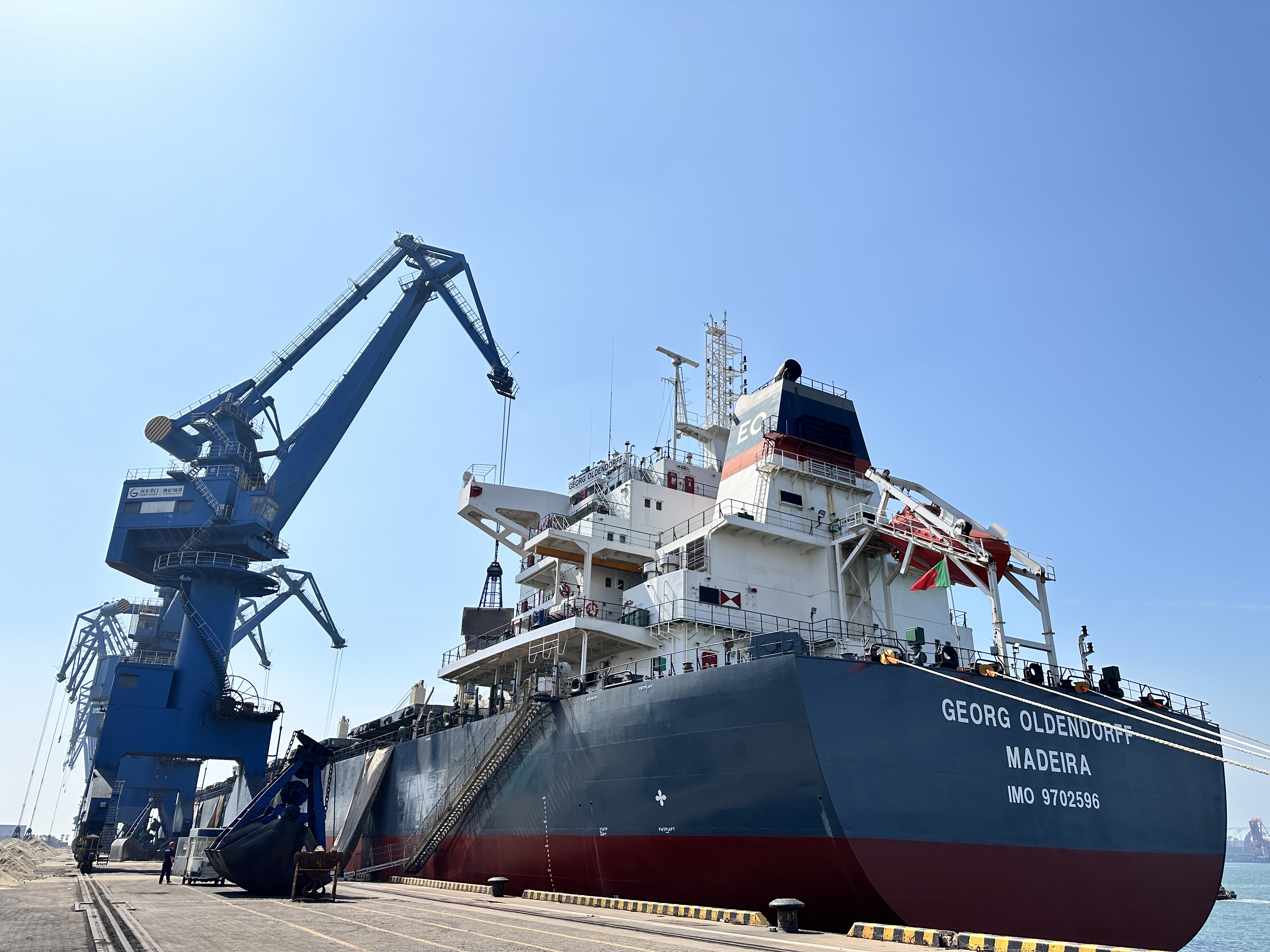
Recent half-year reporting from a major African cement producer showed Nigerian export volumes rising 71.6% year on year to 549,600 tonnes. The company completed ten clinker shipments to regional markets including Ghana and Cameroon. The figures point to stronger cross-border demand, but their wider lesson is operational: regional trade grows when exporters can turn production into a consistent sequence of qualified, loaded and documented cargoes.
1. Shipment frequency signals execution capacity
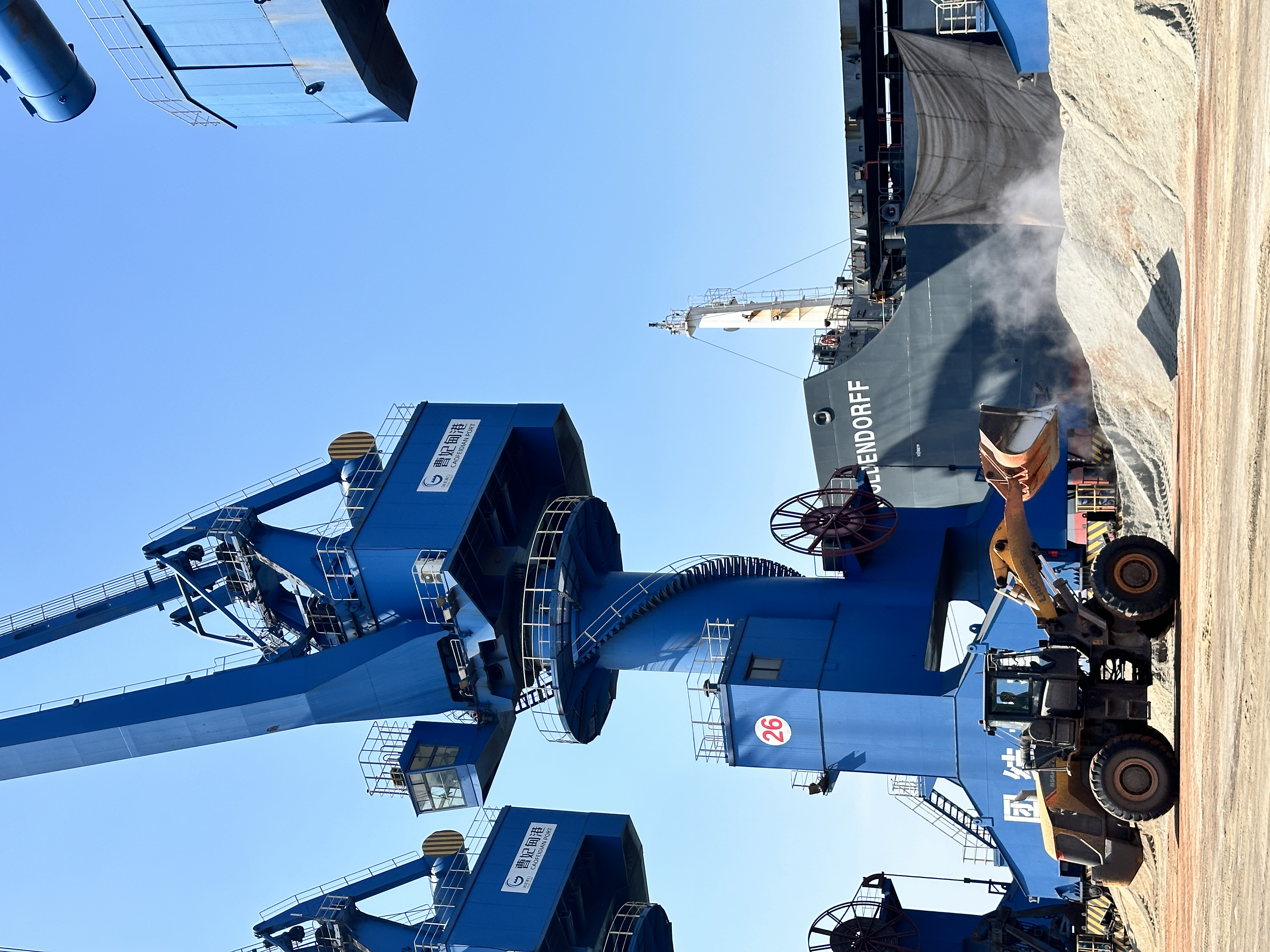
A single cargo may reflect a temporary price gap. Multiple shipments across six months suggest a functioning export corridor. Stock availability, berth access, vessel nomination, loading performance and documents must align repeatedly. Buyers assessing a supply origin should therefore look beyond headline capacity and ask how reliably the loading chain performs over time.
2. Regional demand can reshape material flows
West and Central African cement markets combine local grinding capacity, uneven clinker availability and changing construction demand. When one market needs additional feedstock, nearby export-capable producers can respond faster than distant origins. Yet longer-distance suppliers remain relevant when they offer specification consistency, workable freight and dependable shipment preparation. The competitive unit is not merely the tonne; it is the delivered, documented cargo.
3. The same discipline applies to GBFS and GGBFS
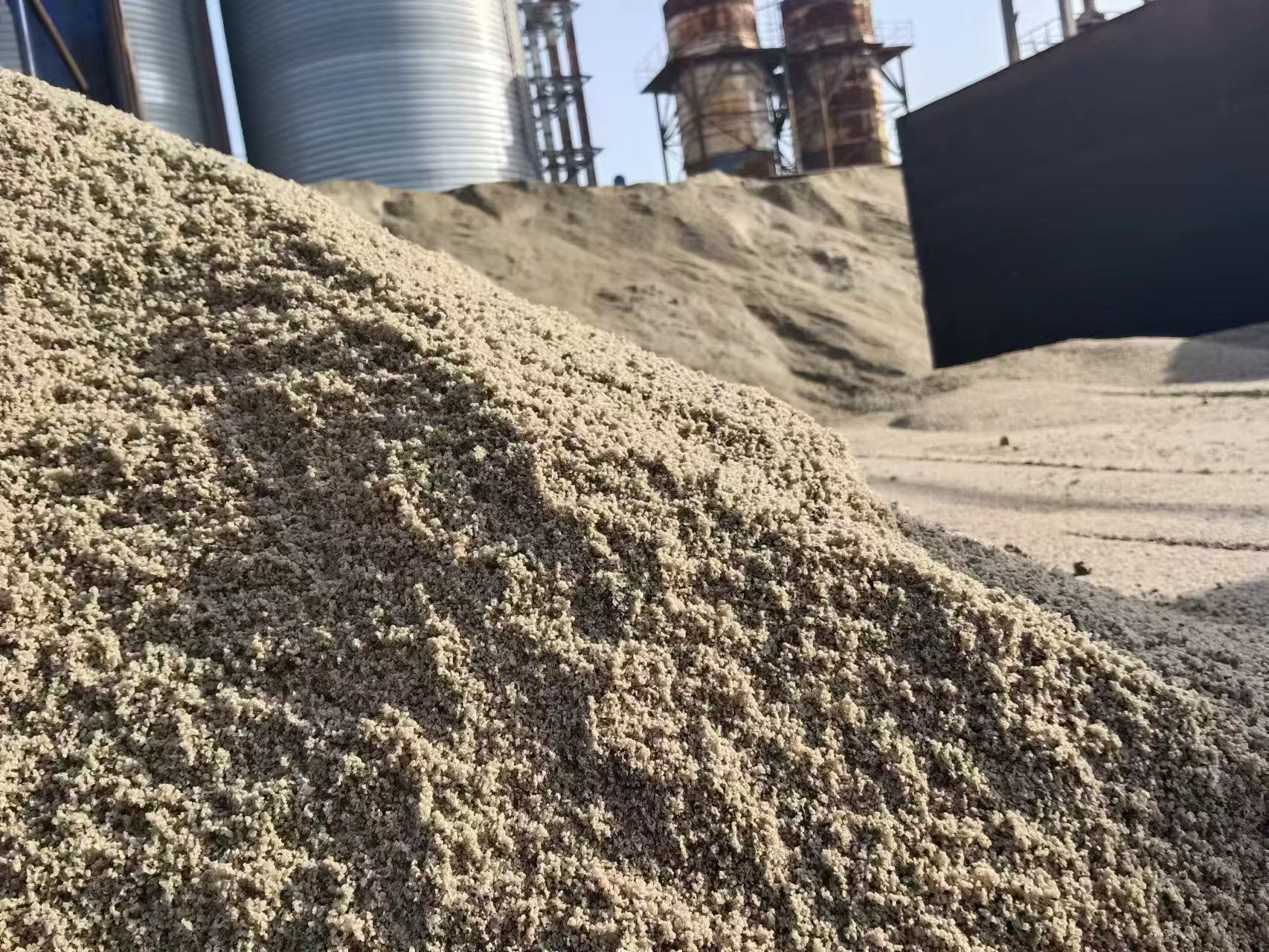
Clinker, GBFS and GGBFS serve different technical roles, but their bulk-trade requirements overlap. Buyers need clear specifications, quantity, loading method, destination restrictions and laycan before freight can be evaluated properly. SENLAN supports GBFS and GGBFS shipment planning from Caofeidian, with bulk-vessel and jumbo-bag options according to customer requirements.
Takeaway: Nigeria's first-half export growth shows how regional cement trade becomes durable: not through one attractive quote, but through repeatable cargo preparation and port execution. For cementitious-material buyers, supply reliability should be tested at shipment level. Industry signal source: Dangote Cement unaudited H1 2026 results, reported 29-30 July 2026.
非洲一家主要水泥生产商近期发布的半年报显示,尼日利亚出口量同比增长 71.6%,达到 549,600 吨,并向包括加纳和喀麦隆在内的区域市场完成十船熟料发运。这些数据反映出跨境需求增强,但更深层的启示在于执行:只有把生产持续转化为合格、装船并完成单证的货盘,区域贸易才能真正增长。
1. 发运频次体现执行能力
单票货可能只是短期价差的结果,而六个月内完成多次发运,则说明出口通道正在有效运转。库存、泊位、船舶提名、装载效率和单证必须反复协同。买方评估货源地时,不应只看名义产能,还要了解整个装港链条能否长期稳定执行。
2. 区域需求正在重塑材料流向
西非与中非水泥市场同时存在本地粉磨产能、熟料供应不均与建筑需求变化。当某一市场需要补充原料时,邻近且具备出口能力的生产商通常反应更快。但如果远距离供应商能提供稳定规格、可行运费与可靠的发运准备,仍然具有竞争力。真正参与竞争的并不只是每吨价格,而是已经完成交付与单证准备的整票货物。
3. 同样的纪律也适用于 GBFS 与 GGBFS
熟料、GBFS 和 GGBFS 的技术用途不同,但散货贸易的执行要求高度相似。买方需要先明确规格、数量、装载方式、目的港限制与 laycan,才能有效评估运费。SENLAN 以曹妃甸为 GBFS 与 GGBFS 供应执行基地,可按客户要求支持散装船与吨袋发运规划。
结论:尼日利亚上半年出口增长说明,区域水泥贸易的持久性并非来自一次有吸引力的报价,而是来自可重复的货盘准备与港口执行。对胶凝材料买方而言,供应可靠性最终需要落实到每一票发运。行业信号来源:Dangote Cement 2026 年上半年未经审计业绩,发布于 2026 年 7 月 29 至 30 日。
Planning a GBFS or GGBFS shipment?
Share specification, quantity, destination port, loading method and expected laycan so material and freight readiness can be assessed together.
正在规划 GBFS 或 GGBFS 发运?
请提供规格、数量、目的港、装载方式和预计 laycan,以便同步评估材料与运费准备度。