2026-08-18
Mixed Dry Bulk Signals Put Route-Specific Planning First
Recent shipping commentary describes cautious sentiment across several dry bulk regions. For cementitious cargoes, broad market direction matters less than vessel supply, port limits and timing on the actual route.
干散货信号分化,航线级规划成为首要任务
近期航运市场评论显示,多个干散货区域情绪偏谨慎。对胶凝材料货盘而言,真正重要的是具体航线上的船舶供给、港口限制与时间窗口。
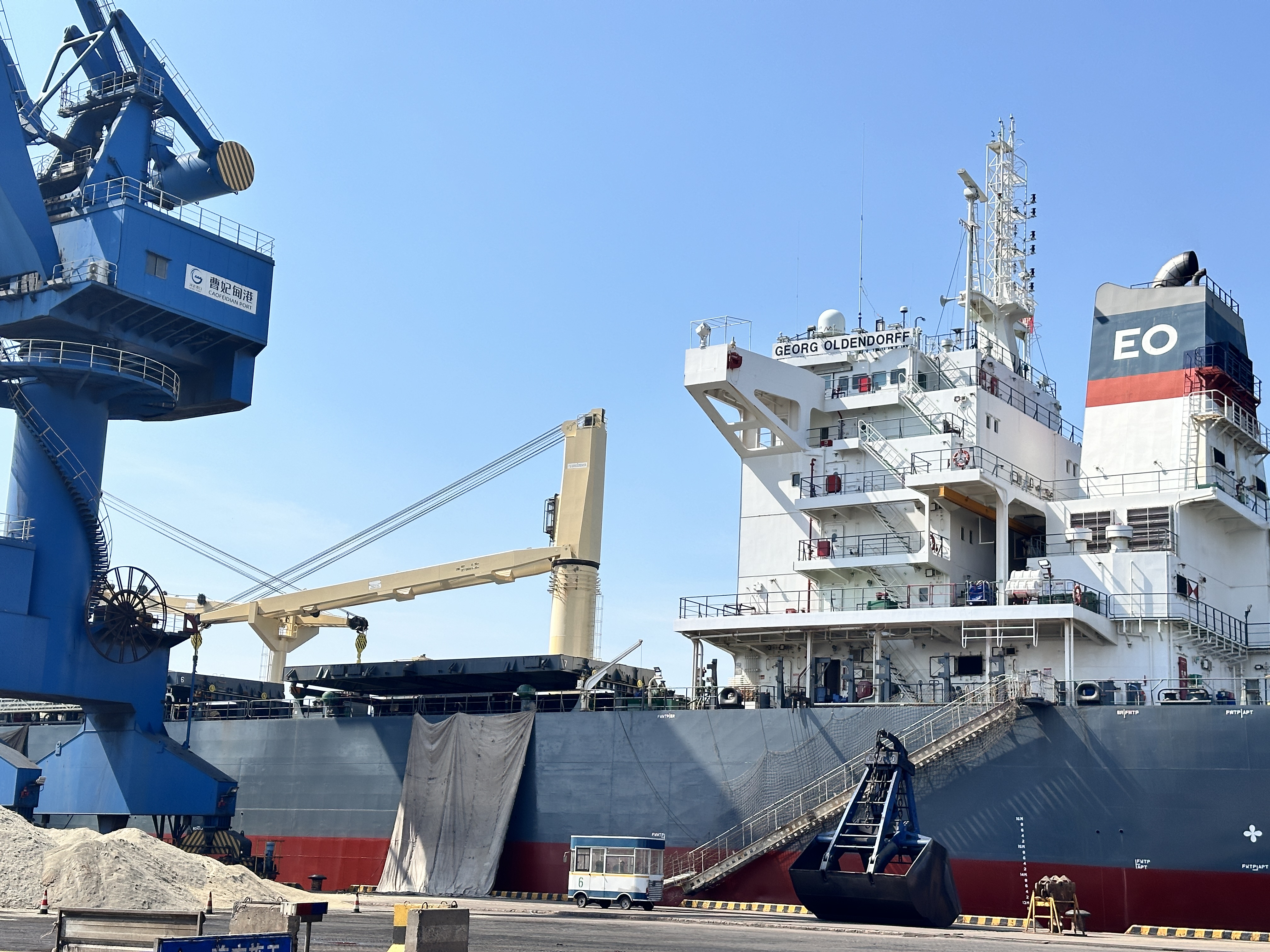
A Baltic Exchange update published on 14 August described subdued activity, limited fresh enquiry and softer fundamentals in parts of the Atlantic, while noting a more balanced Pacific market. This reminds cement, clinker, GBFS and GGBFS buyers that a single headline cannot represent every vessel class, origin and destination.
1. Route conditions determine the usable freight window
A workable shipment begins with parcel size, loading port, discharge restrictions, permissible draft and handling method. These details determine which vessels can perform the voyage. Regional tonnage lists and cargo enquiry then shape the negotiating window more directly than a broad index.

2. Softer sentiment is an opportunity only when cargo is ready
More available tonnage can improve optionality, but only for a defined cargo. Buyers should align specification, quantity, loading method, destination and laycan before requesting comparable freight indications. Suppliers should confirm stock, inspection sequence, loading capability and document timing at the same stage.
3. Compare delivered outcomes, not freight in isolation
A lower nominal rate can be offset by waiting time, draft restrictions, unsuitable gear or a poor loading sequence. Comparing offers on an operationally consistent basis helps procurement teams understand landed cost and schedule risk together.

Takeaway: Mixed dry bulk sentiment increases the value of route-level intelligence. Cementitious cargo teams preserve more options when vessel fit, laycan, port data, material readiness and documents are aligned before the market is approached. Industry signal: Baltic Exchange shipping update published 14 August 2026.
8 月 14 日发布的波罗的海交易所航运更新指出,部分大西洋区域成交清淡、新询盘有限、基本面趋软,而太平洋市场相对更为平衡。这提醒水泥、熟料、GBFS 与 GGBFS 买方:单一市场标题无法代表所有船型、起运地与目的地。
1. 航线条件决定真正可用的运费窗口
一票可执行的货盘,首先要明确货量、装港、卸港限制、允许吃水与装卸方式。这些细节决定哪些船舶能够执行航次。区域运力清单与新增货盘询盘,对谈判窗口的影响远比综合指数更直接。
2. 市场偏软只有在货盘准备好时才是机会
可用运力增加可能带来更多选择,但前提是货盘已经明确。买方应在询问可比运价前,对齐规格、数量、装载方式、目的地与 laycan;供应方也应同步确认库存、检验顺序、装载能力和单证时间。
3. 比较到岸结果,而不是孤立比较运费
较低的名义运价,可能被等待时间、吃水限制、船机不匹配或装载顺序不合理所抵消。在统一操作条件下比较方案,有助于采购团队同时判断到岸成本与进度风险。
结论:干散货市场情绪分化,提高了航线级信息的价值。在进入市场前对齐船型匹配、laycan、港口数据、材料准备与单证,胶凝材料货盘团队才能保留更多选择。行业信号来源:2026 年 8 月 14 日发布的波罗的海交易所航运更新。
Planning a bulk-material shipment?
Share specification, quantity, destination, loading method and laycan.
正在规划散装建材发运?
请提供规格、数量、目的地、装载方式和 laycan。