2026-08-19
Carbon-Storing SCM Research Expands the Low-Clinker Material Portfolio
Research into mineralized, carbon-storing cement additives is widening the range of materials available for clinker substitution. For procurement teams, innovation increases the importance of qualification, consistency and scalable logistics.
碳封存型 SCM 研究拓展低熟料水泥材料组合
矿化固碳水泥添加材料的研究,正在拓宽熟料替代材料的选择。对采购团队而言,创新越快,越需要重视技术认证、质量稳定性与规模化物流。
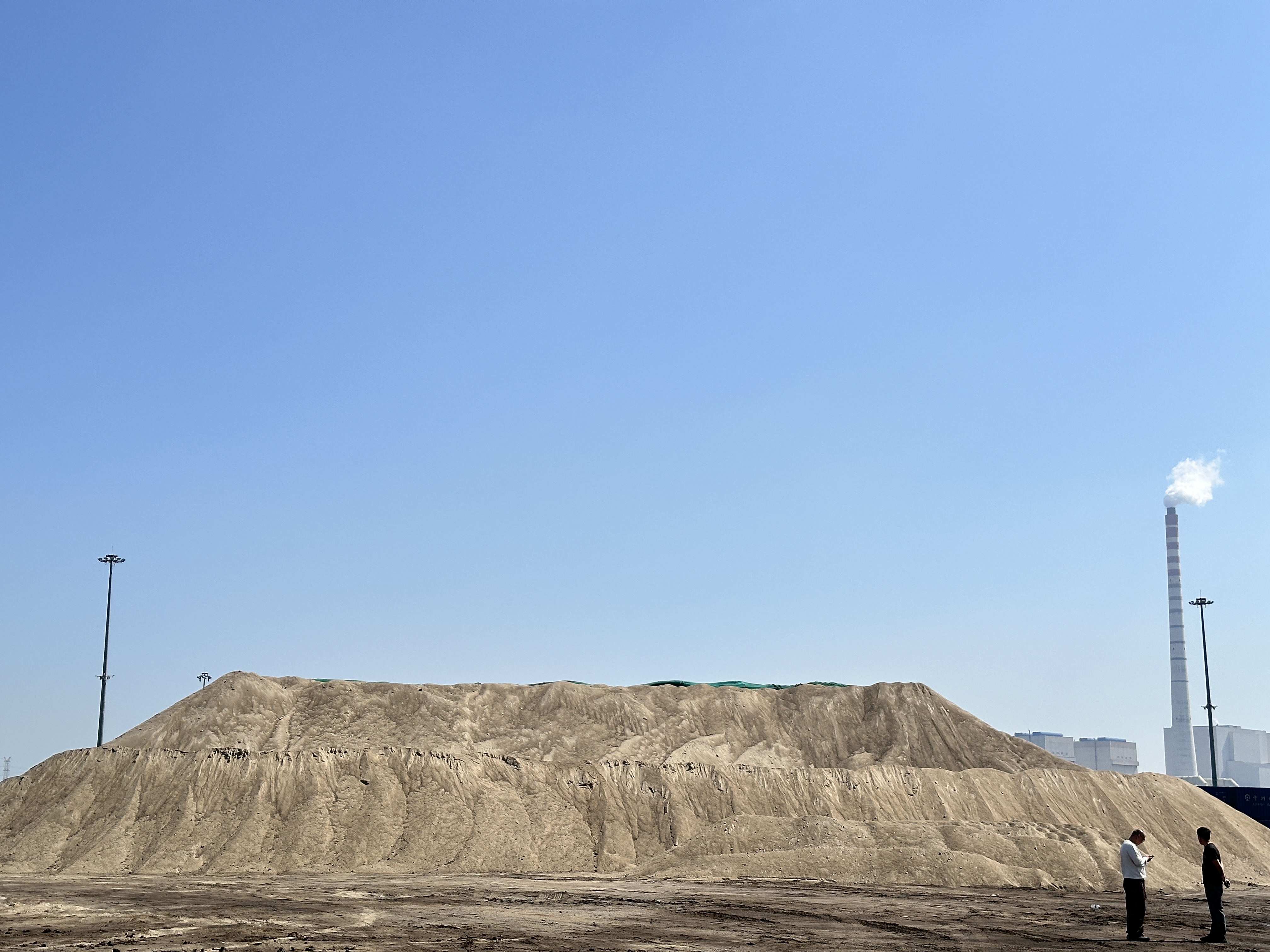
Karlsruhe Institute of Technology reported in late July that researchers are developing magnesium-silicate additives that react with captured carbon dioxide to form stable magnesium carbonate. The resulting material could replace part of the clinker in cement while binding carbon permanently. The work is an early-stage signal, but it shows how the SCM market may develop beyond established materials such as granulated blast-furnace slag, fly ash and limestone.
1. Clinker substitution is becoming a portfolio strategy
There is unlikely to be one universal low-carbon binder. Availability, standards, concrete performance and local infrastructure differ by market. Producers therefore need a qualified portfolio that can combine proven SCMs with emerging materials as technical evidence and commercial capacity develop.
2. Established SCMs remain the operational benchmark
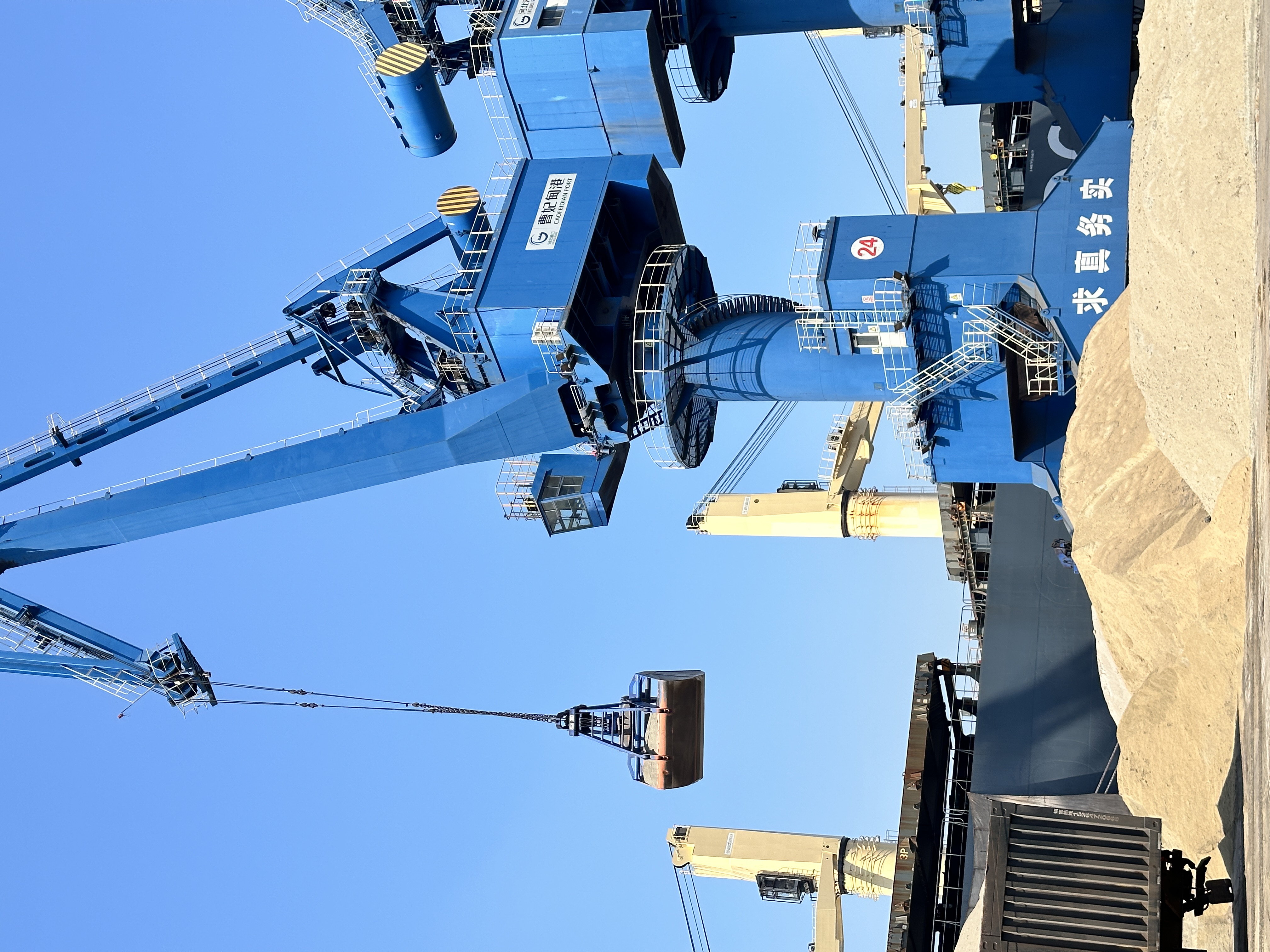
New carbon-storing additives are promising, but industrial users still need repeatable chemistry, fineness, moisture control and performance data. GBFS and GGBFS already provide a practical reference for how a lower-clinker material moves from technical approval into routine production: specification, testing, stable sourcing and handling discipline must work together.
3. Scale depends on the supply chain as much as the laboratory
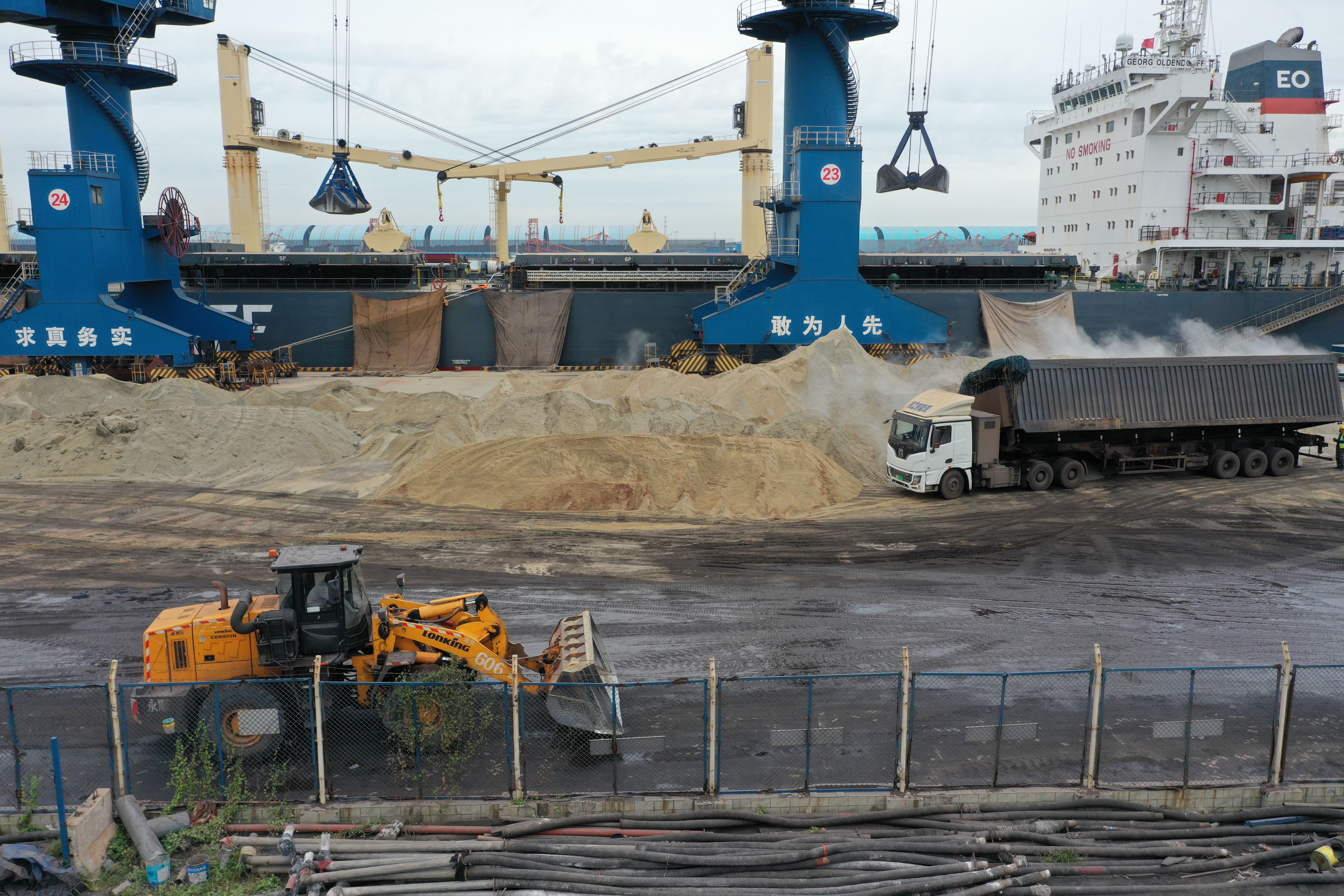
A material with strong laboratory results must also be available in usable volumes, at predictable quality and with a workable delivered cost. Storage, inspection, loading rate, vessel fit, contamination control and documents all influence whether an SCM can support continuous cement production.
Takeaway: Carbon-mineralization research expands the future SCM toolbox, while reinforcing a familiar commercial lesson: verified performance and shipment-ready supply must advance together. For cement producers, the strongest strategy is to qualify multiple materials without relaxing consistency or logistics standards. Industry signal: Karlsruhe Institute of Technology press release published 28 July 2026.
卡尔斯鲁厄理工学院 7 月下旬发布消息称,研究人员正在开发一种镁硅酸盐添加材料。该材料可与捕集的二氧化碳反应,形成稳定的碳酸镁,从而在替代部分水泥熟料的同时长期固碳。这项工作仍处于早期阶段,但它显示,未来 SCM 市场可能在粒化高炉矿渣、粉煤灰和石灰石等成熟材料之外继续扩展。
1. 熟料替代正在成为材料组合策略
低碳胶凝材料很难依靠一种通用方案覆盖所有市场。不同地区的资源可得性、标准、混凝土性能要求与基础设施各不相同。因此,生产企业需要建立经过认证的材料组合,并随着技术证据和商业产能成熟,将已有 SCM 与新型材料合理结合。
2. 成熟 SCM 仍是运营层面的参照
新型固碳添加材料前景可期,但工业用户仍需要稳定的化学指标、细度、水分控制和性能数据。GBFS 与 GGBFS 已经提供了一个现实参照:低熟料材料要从技术审批进入日常生产,必须同时具备明确规格、检测体系、稳定货源和规范操作。
3. 规模化既取决于实验室,也取决于供应链
实验室表现优秀的材料,还必须具备可用数量、可预测质量与合理到岸成本。仓储、检验、装载效率、船型匹配、防污染控制和单证都会影响 SCM 能否支撑水泥连续生产。
结论:矿化固碳研究拓展了未来 SCM 工具箱,同时再次说明一个商业规律:可验证的材料性能与可发运供应必须同步推进。对水泥生产企业而言,更稳健的策略是在不放松质量稳定性和物流标准的前提下,认证多种材料。行业信号来源:卡尔斯鲁厄理工学院 2026 年 7 月 28 日新闻稿。
Planning qualified SCM supply?
Share specification, quantity, destination, loading method and laycan.
正在规划合格 SCM 供应?
请提供规格、数量、目的地、装载方式和 laycan。