2026-08-21
China Cement Output Decline Sharpens Trade Planning
China's cement output declined in the first seven months of 2026, reinforcing a market shift away from headline volume and toward selective sourcing, qualified materials and shipment-ready execution.
中国水泥产量下降,让贸易规划更重选择性与执行力
2026 年前七个月中国水泥产量下降,进一步表明市场关注点正从名义规模转向选择性采购、合格材料与可发运执行。
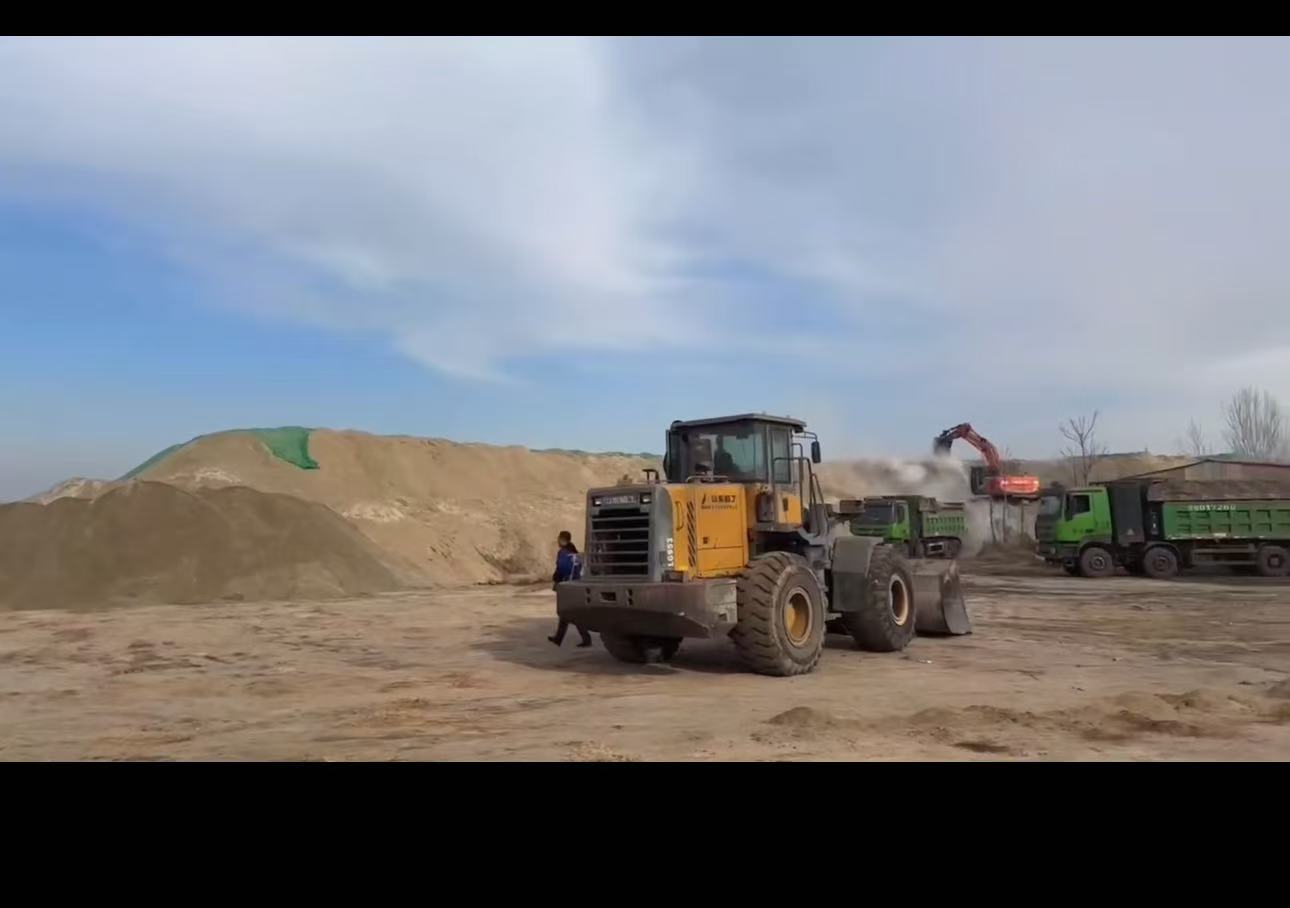
CemNet reported on 20 August that China's cement output fell 8.6% year on year in January-July 2026. A national production decline does not translate directly into one export-price direction, but it does show why China cement output, regional demand, plant utilization and logistics readiness must be read together.
1. Lower output makes source selection more important
When production contracts, nominal capacity becomes a weaker guide to available cargo. Buyers need current visibility on the producing unit, specification, actual stock, loading window and allocation. The practical question is not only whether material exists, but whether the selected source can support the required quality and delivery schedule.

2. Cement and SCM decisions should be planned together
Lower cement output can encourage buyers to compare clinker, finished cement and supplementary cementitious materials more carefully. Where technically suitable, GBFS and GGBFS can support lower-clinker formulations, but neither should be treated as an automatic substitute. Local standards, testing, grinding capability, performance targets and delivered cost remain decisive.
3. Trade value now depends on execution discipline
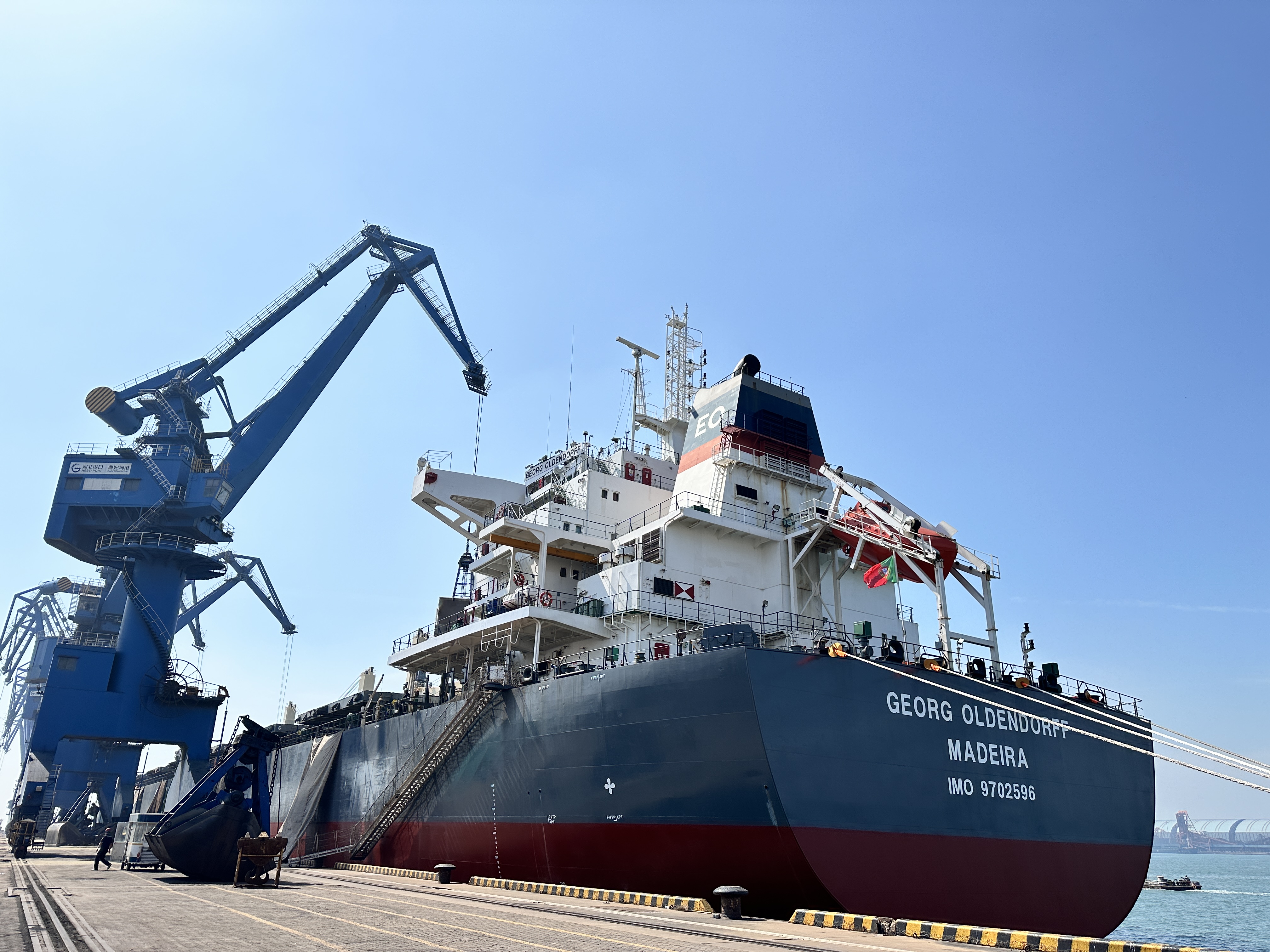
Selective cement trade planning requires aligned quantity, laycan, vessel fit, loading method, inspection, documents and destination-port constraints. SENLAN's GGBFS plant and loading execution base in Tangshan Caofeidian support coordinated preparation for bulk-vessel and jumbo-bag shipments, subject to specification and commercial confirmation.
Takeaway: China's lower cement output is a signal to plan more selectively, not a standalone forecast of prices or exports. Buyers can reduce execution risk by qualifying materials early, confirming real cargo availability and aligning port and vessel requirements before fixing a shipment. Industry signal: CemNet report dated 20 August 2026.
CemNet 于 8 月 20 日报道,2026 年 1—7 月中国水泥产量同比下降 8.6%。全国性产量下降并不直接等同于某一种出口价格走势,但它说明,判断市场时必须把中国水泥产量、区域需求、工厂开工率与物流准备度结合起来。
1. 产量下降提高了货源筛选的重要性
当生产收缩时,名义产能对实际可供货盘的参考价值会减弱。买方需要及时确认生产单位、规格、真实库存、装货窗口和货物分配。实际问题不仅是“有没有货”,还包括所选货源能否满足质量要求与交付计划。
2. 水泥与 SCM 应统筹规划
水泥产量下降,会推动买方更谨慎地比较熟料、成品水泥与辅助性胶凝材料。在技术条件适合时,GBFS 与 GGBFS 可支持低熟料配方,但不能被视为自动替代品。当地标准、试验验证、粉磨能力、性能目标与到岸成本仍是决定因素。
3. 贸易价值更依赖执行纪律
选择性的水泥贸易规划需要统筹数量、laycan、船型匹配、装载方式、检验、单证和目的港限制。SENLAN 在唐山曹妃甸拥有 GGBFS 工厂和装港执行基地,可根据规格与商务确认,协同准备散装船及吨袋发运。
结论:中国水泥产量下降是一项需要更谨慎规划的市场信号,而不是对价格或出口走势的单一预测。买方可通过提前认证材料、确认真实货盘,并在定船前协调港口与船舶要求来降低执行风险。行业信号来源:CemNet 于 2026 年 8 月 20 日发布的报道。
Planning cementitious-material supply from China?
Share specification, quantity, destination, loading method and laycan.
正在规划从中国采购胶凝材料?
请提供规格、数量、目的地、装载方式和 laycan。