2026-08-09
California Cement Policy Moves SCMs into Procurement
Policy support for clinker substitution is turning qualified supplementary cementitious material supply into a practical sourcing priority.
加州水泥政策推动 SCM 进入采购执行阶段
对熟料替代的政策支持,正让合格辅助性胶凝材料供应成为实际采购重点。
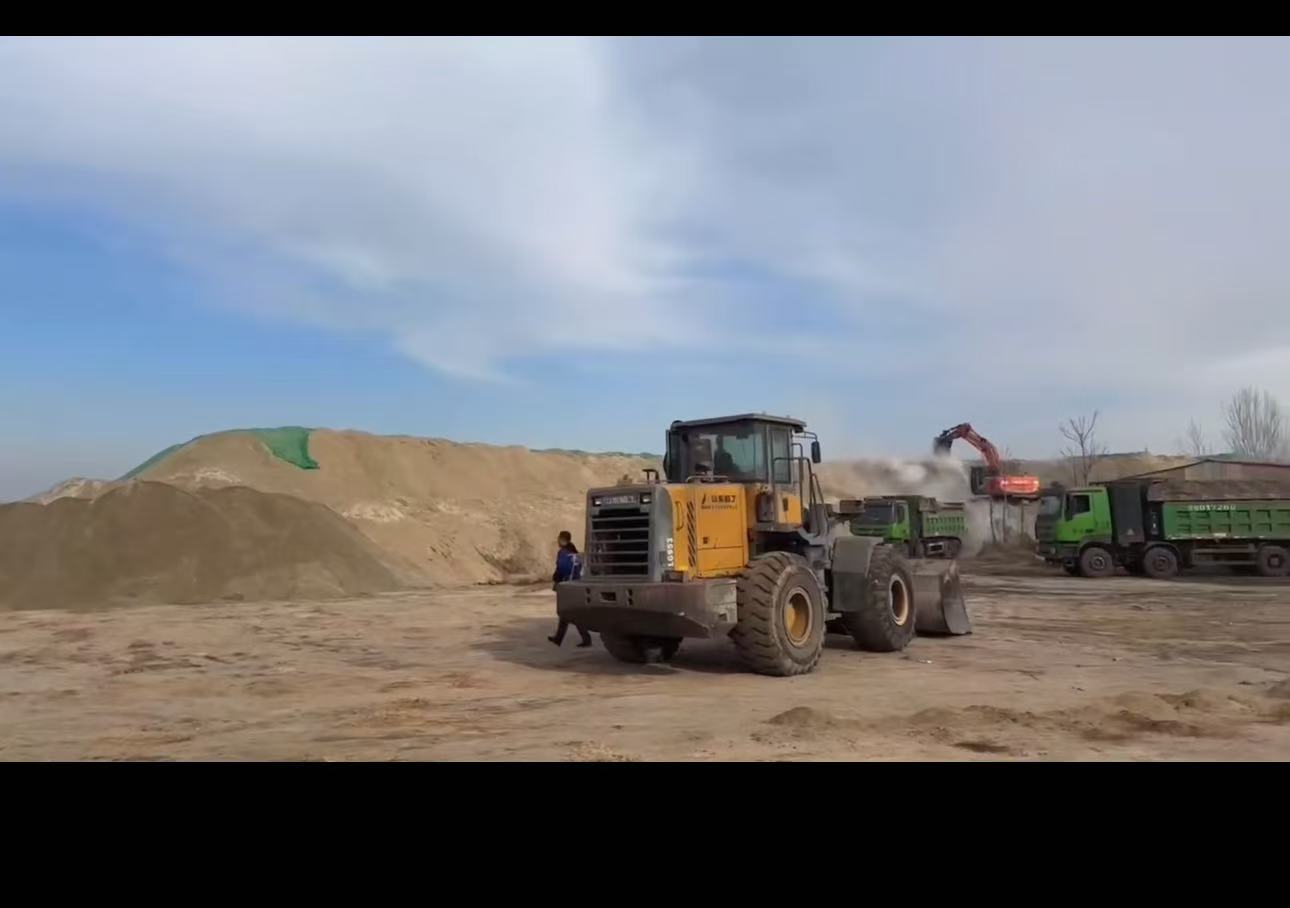
Recent California cement-sector analysis places supplementary cementitious materials and clinker substitution alongside carbon capture, alternative fuels and kiln electrification as practical decarbonization pathways. Proposed policy signals that encourage SCM use matter beyond one state: they show how lower-clinker cement is moving from technical discussion toward specifications, procurement and repeatable supply.
1. Policy demand must become qualified material
A target for lower-carbon cement does not identify the right SCM automatically. Blast-furnace slag, fly ash and calcined clay have different hydraulic or pozzolanic behavior. Cement and concrete producers still need to verify chemistry, fineness, strength contribution, standards compliance and compatibility with local formulations before approving a source.
2. GBFS and GGBFS connect supply with performance
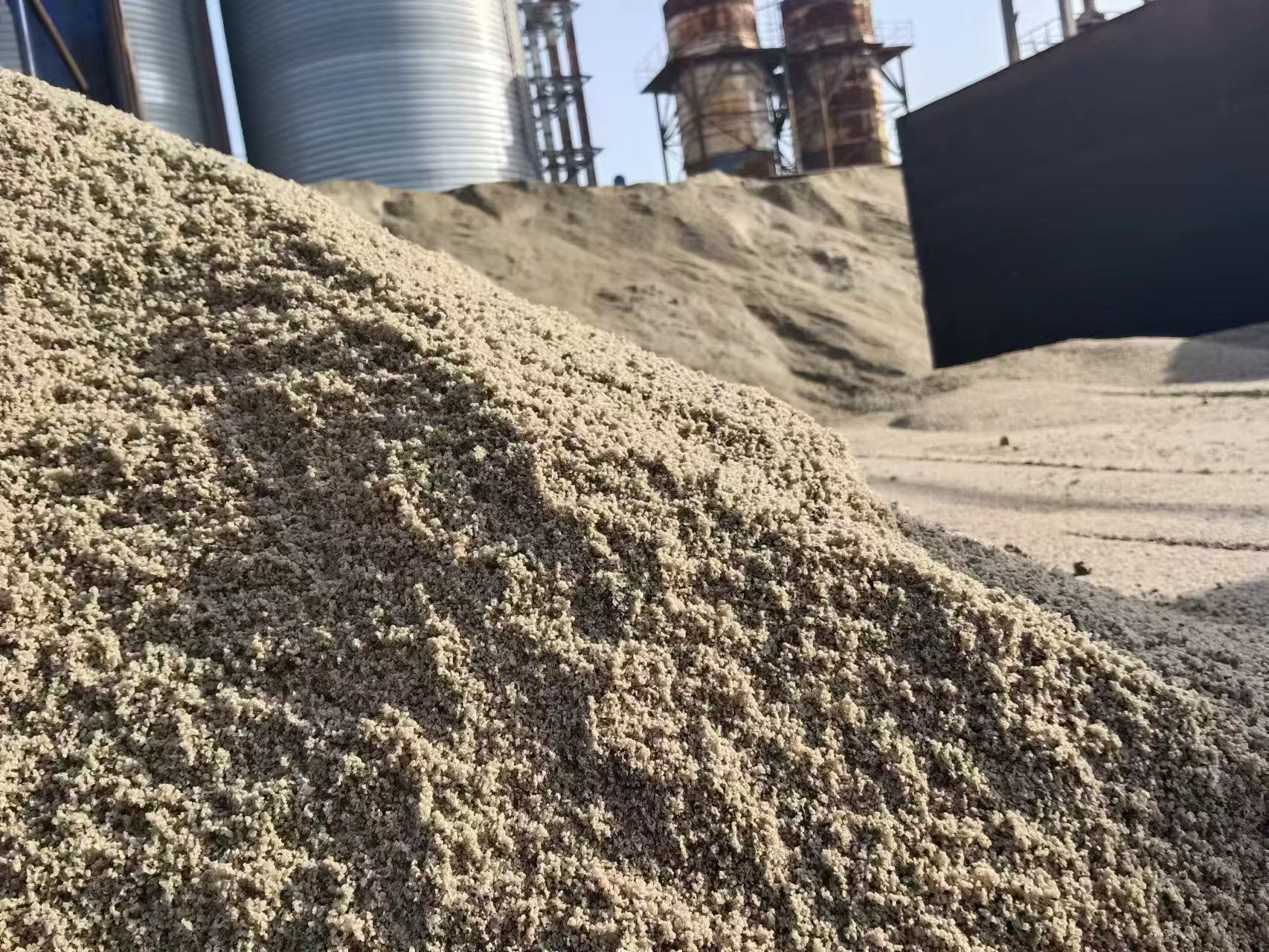
Blast-furnace slag is an established hydraulic SCM. Depending on the buyer's process, GBFS can serve as feedstock for grinding, while GGBFS supply provides a processed binder component. The commercial question is not simply whether slag exists, but whether the approved grade can be delivered consistently in the required form and volume.
3. Logistics becomes part of decarbonization
As policy support expands demand, procurement teams must align technical approval with shipment execution. Quantity, specification, laycan, loading method, storage and discharge capability should be reviewed together. SENLAN's GGBFS plant and loading execution base in Tangshan Caofeidian allow material preparation and port planning to be coordinated for bulk or jumbo-bag shipments.
Takeaway: California's emerging policy direction reinforces a broader market shift: clinker substitution is becoming a procurement discipline. Buyers that qualify material early and connect performance requirements with shipment-ready logistics will be better positioned to scale SCM use. Industry signals reviewed include Clean Air Task Force cement-sector reports published in August 2026.
近期加州水泥行业分析将辅助性胶凝材料与熟料替代,同碳捕集、替代燃料和窑炉电气化并列为可行的脱碳路径。鼓励使用 SCM 的政策信号,其意义不局限于一个州:它说明低熟料水泥正从技术讨论走向标准、采购和可重复供应。
1. 政策需求必须转化为合格材料
低碳水泥目标并不会自动确定合适的 SCM。高炉矿渣、粉煤灰和煅烧黏土具有不同的水硬性或火山灰反应特征。水泥和混凝土生产商在批准货源前,仍需验证化学成分、细度、强度贡献、标准符合性及其与本地配方的兼容性。
2. GBFS 与 GGBFS 连接供应和性能
高炉矿渣是成熟的水硬性 SCM。根据买方工艺,GBFS 可作为粉磨原料,而 GGBFS 供应则提供加工后的胶凝组分。商业问题不只是“是否有矿渣”,而是获批等级能否以所需形式和数量稳定交付。
3. 物流成为脱碳的一部分
随着政策支持扩大需求,采购团队必须把技术认证与发运执行结合起来。数量、规格、laycan、装载方式、储存与卸货能力应同步审查。SENLAN 的 GGBFS 工厂和装港执行基地位于唐山曹妃甸,可协同安排材料准备与港口计划,并支持散装或吨袋发运。
结论:加州正在形成的政策方向强化了更广泛的市场变化:熟料替代正在成为一套采购纪律。提前认证材料,并把性能要求与可发运物流衔接起来的买方,将更有条件扩大 SCM 应用。本文参考的行业信号包括 Clean Air Task Force 于 2026 年 8 月发布的水泥行业报告。