2026-09-01
Cement Shipping Fleet Plans Put Logistics Control in Focus
A reported plan to acquire vessels after difficulties moving cement between Nigeria and Ghana highlights the strategic value—and operating burden—of controlling ocean logistics.
水泥企业自建船队计划凸显物流控制力
在尼日利亚至加纳的水泥运输遇到困难后,相关企业据报计划购置船舶,凸显掌控海运资源的战略价值及其运营负担。
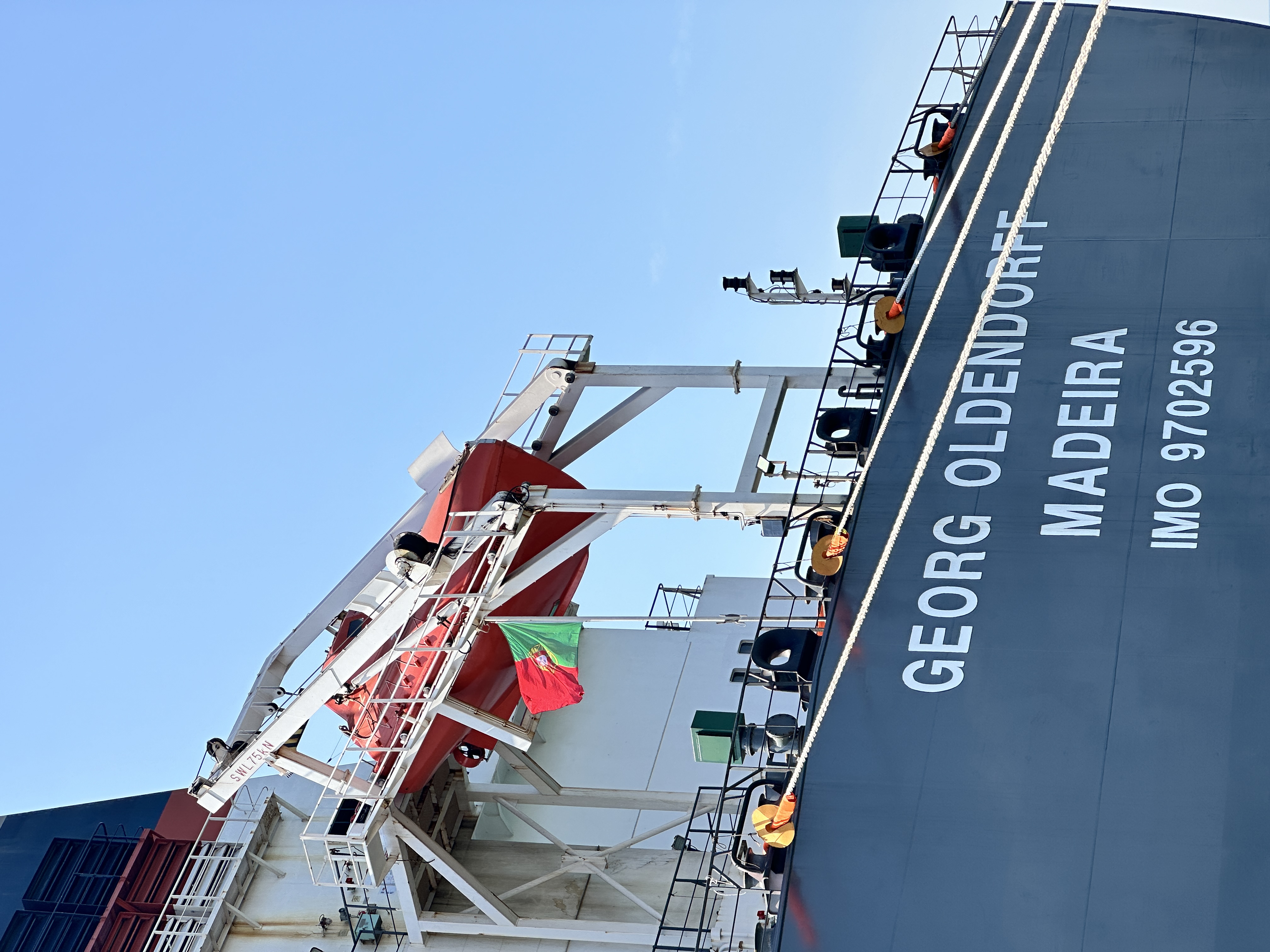
Business Insider Africa reported on 26 August 2026 that Aliko Dangote said his group planned to buy ships after encountering difficulty moving cement from Nigeria to Ghana. The report is a useful cement shipping logistics signal: production capacity and regional demand do not automatically become delivered supply when vessel access, port fit or route execution is constrained.
1. Vessel access can become a supply bottleneck
For cross-border bulk cement or clinker movements, vessel availability affects laycan certainty, parcel size and the ability to respond to demand. Owning tonnage may give an operator more scheduling influence, but it also introduces capital, crewing, maintenance, regulatory and utilization obligations. The commercial test is whether the fleet can deliver dependable service at a competitive total cost.
2. Route control still depends on port fit
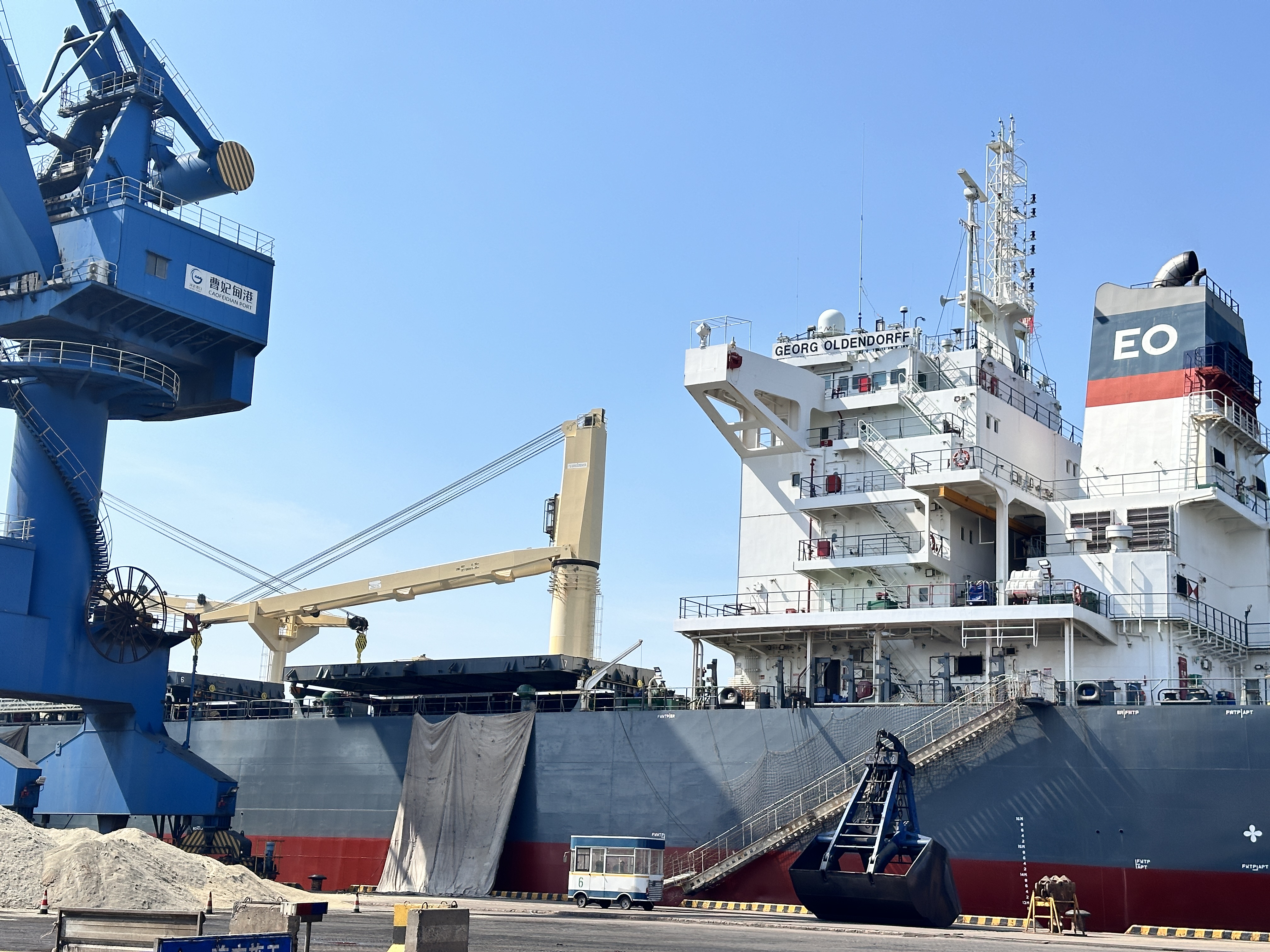
A nominated vessel must be compatible with loading and discharge ports, including draft, berth, gear, storage and receiving arrangements. Documentation, cargo condition, weather and terminal windows remain part of the same chain. Buyers assessing clinker, GBFS or GGBFS should confirm these interfaces before treating a shipping plan as firm.
3. Resilience needs more than one option
Dedicated vessels can reduce exposure to short-term chartering gaps, but concentration in one fleet or route can create another dependency. Practical resilience includes alternative tonnage, realistic loading rates, port contingencies and clear delay responsibility. SENLAN coordinates bulk and jumbo-bag shipment planning through Tangshan Caofeidian and Caofeidian Port, subject to specification, quantity, laycan and loading-method confirmation.
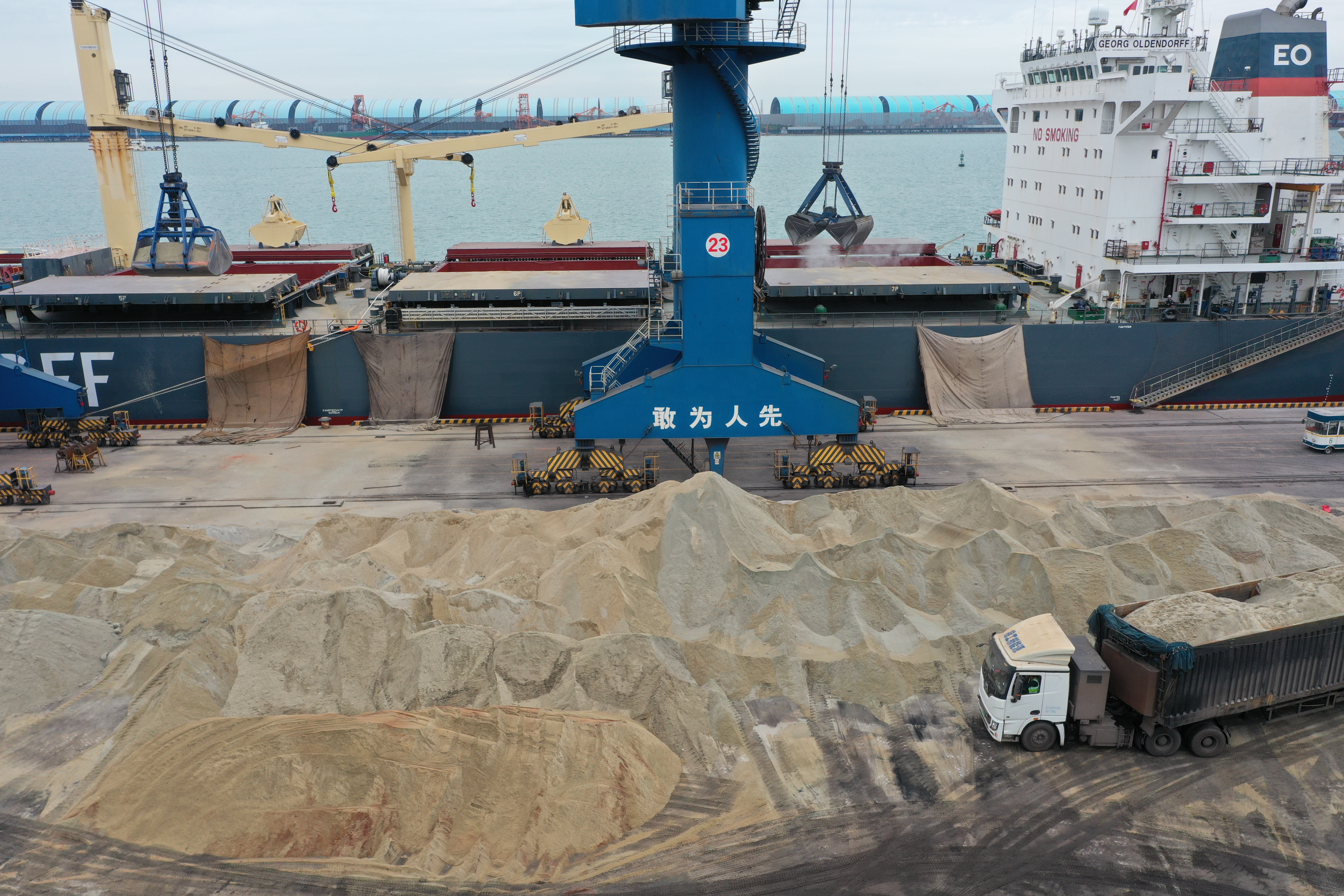
Takeaway: Logistics control can be strategic, but only disciplined vessel and port execution converts it into dependable delivered supply. Source: the original Business Insider Africa report published 26 August 2026.
《Business Insider Africa》于 2026 年 8 月 26 日报道,Aliko Dangote 表示,其集团在尼日利亚向加纳运输水泥遇到困难后,计划购置船舶。这一消息为水泥海运物流提供了实际信号:当船舶资源、港口适配或航线执行受到限制时,生产能力与区域需求不会自动转化为到岸供应。
1. 船舶资源可能成为供应瓶颈
跨境散装水泥或熟料运输中,船舶可用性会影响受载期、单票规模与需求响应。自有船舶可能增强排期控制,但同时带来资本、船员、维护、合规与利用率责任。商业判断应看船队能否以有竞争力的总成本提供稳定服务。
2. 航线控制仍取决于港口适配
指定船舶必须符合装港与卸港的吃水、泊位、船机、仓储和接卸条件。单证、货物状态、天气和码头窗口仍属于同一执行链。买家评估熟料、GBFS 或 GGBFS 时,应先核实这些接口。
3. 供应韧性需要不止一种选择
专用船舶可能降低短期租船缺口风险,但集中于单一船队或航线也会形成新依赖。务实安排包括备用运力、现实装载效率、港口应急方案及明确延误责任。SENLAN 依托唐山曹妃甸与曹妃甸港协调散装及吨袋发运规划,具体取决于规格、数量、受载期和装载方式确认。
结论:物流控制可以成为战略能力,但只有严谨的船舶与港口执行才能转化为可靠到岸供应。来源:Business Insider Africa 于 2026 年 8 月 26 日发布的原始报道。