2026-09-06
Electric Trucks Scale Clinker Logistics Decarbonization
UltraTech's plan for more than 600 heavy-duty electric trucks moves clinker logistics decarbonization from isolated deployments toward network-scale operating design.
电动重卡推动熟料物流脱碳走向规模化
UltraTech 计划部署超过 600 辆电动重卡,使熟料物流脱碳从零散应用进一步走向网络化运营设计。
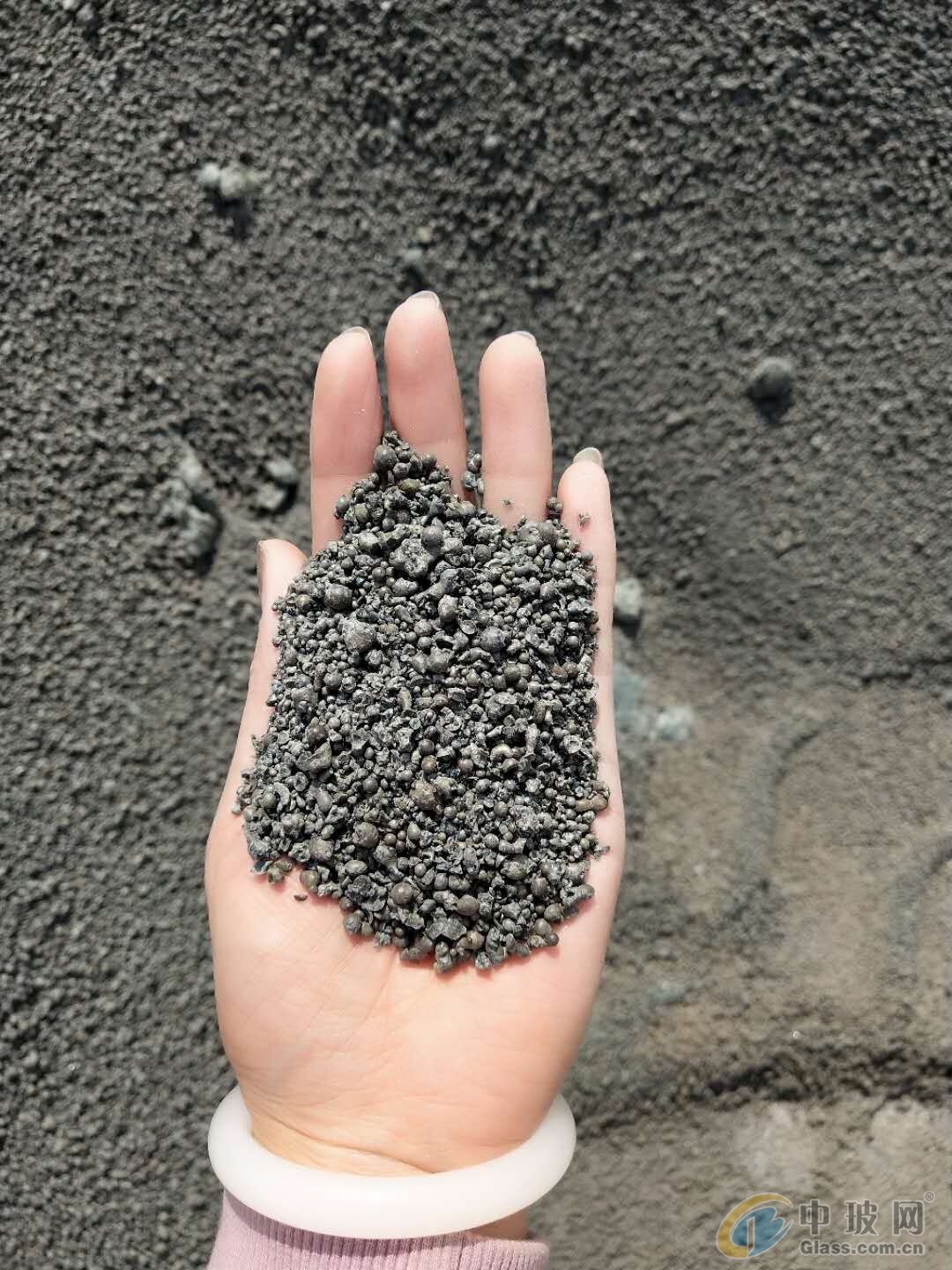
UltraTech Cement announced on 2 September 2026 that it plans to expand its logistics fleet to more than 600 heavy-duty electric trucks by December 2026. The company said the fleet would move about five million tonnes of clinker and other key materials annually across seven Indian states. Once fully operational, UltraTech projects net annual CO₂ savings of more than 117,000 tonnes and diesel displacement equivalent to 39 million litres. These are forward-looking company estimates, not independently verified operating results.
1. Scale depends on repeatable corridors
Heavy materials reward high vehicle utilisation, but payload, distance, gradients, charging time and return-load patterns determine whether an electric route works reliably. Mine-to-plant and inter-plant clinker movements can offer repeatable cycles; each corridor still needs its own energy, equipment and cost assessment. Fleet count alone does not establish delivered-cost or emissions performance.

2. Charging readiness becomes logistics infrastructure
A larger electric fleet requires dependable grid connections, charger availability, parking space, maintenance capability and dispatch rules. Charging must fit loading and unloading windows rather than create a new queue. Procurement teams should also test how power-source emissions, battery performance, downtime and seasonal conditions affect the claimed benefit over the full operating cycle.
3. Decarbonization cannot weaken supply continuity
The announcement covers inland logistics, while international clinker, GBFS and GGBFS movements also depend on stock readiness, port interfaces, vessel laycan and documentation. Lower-emission transport creates lasting value when it is integrated with those controls. SENLAN coordinates cementitious-material supply from Tangshan with loading execution through Caofeidian Port; route, quantity, specification and loading method remain shipment-specific.
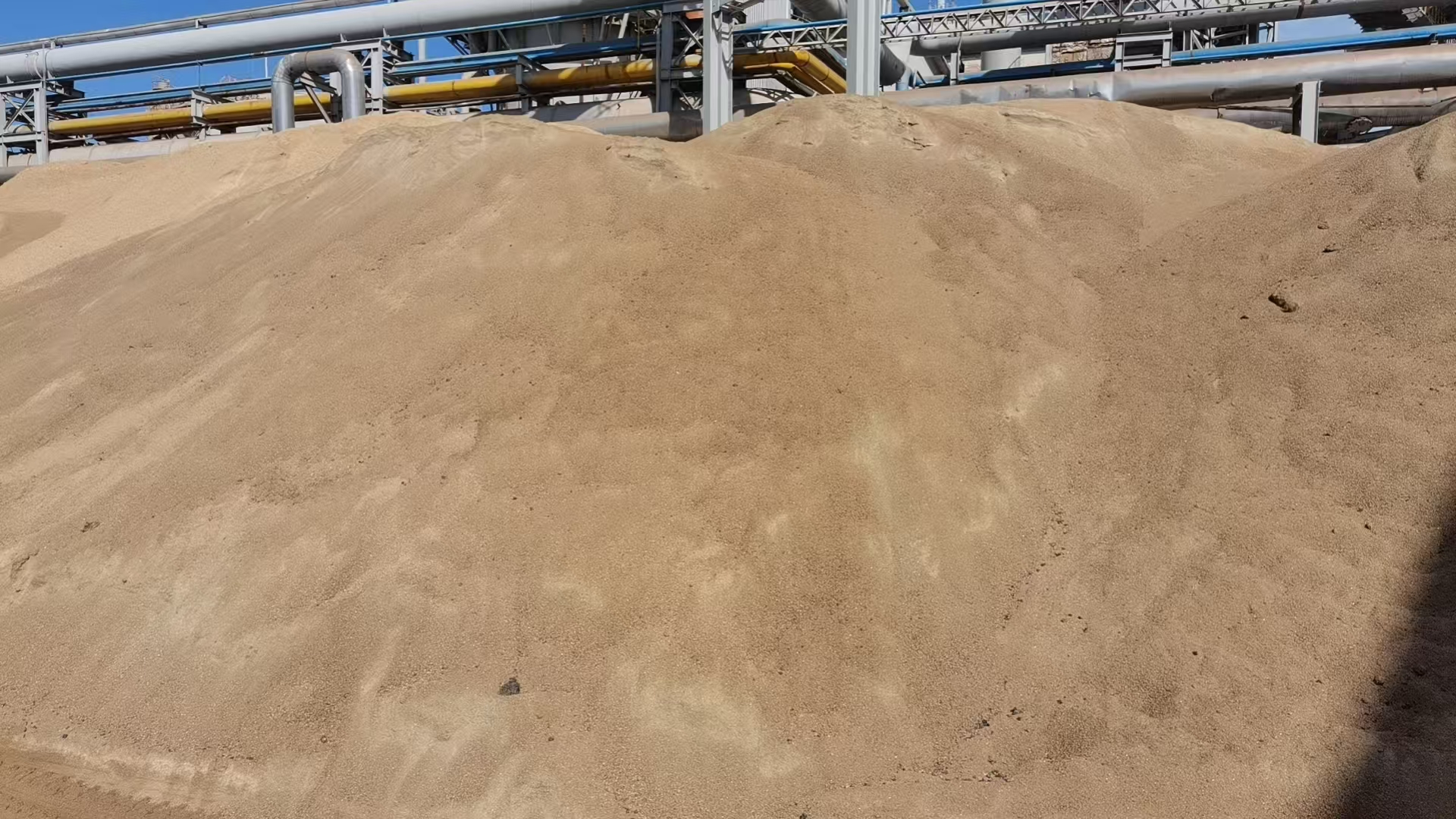
Takeaway: UltraTech's plan is a significant scale signal for electric clinker transport, but commercial outcomes will depend on corridor fit, charging uptime, measured energy use and reliable operations. Source: UltraTech Cement press release, published 2 September 2026.
UltraTech Cement 于 2026 年 9 月 2 日宣布,计划在 2026 年 12 月前把物流体系中的电动重卡规模扩大至 600 辆以上。公司称,该车队每年将在印度七个邦运输约 500 万吨熟料及其他关键物料。UltraTech 预计,车队全面运营后每年可净减少超过 11.7 万吨二氧化碳排放,并替代相当于 3900 万升柴油的消耗。上述数据属于企业前瞻性估算,并非经独立核实的运营结果。
1. 规模化取决于可重复运输走廊
重载物料运输有利于提高车辆利用率,但有效载荷、距离、坡度、充电时间和返程组织共同决定电动路线能否可靠运行。矿山至工厂及工厂间熟料运输可能形成稳定循环,但每条走廊仍需单独评估能源、设备和成本。车队数量本身不能证明到货成本或减排表现。
2. 充电保障成为物流基础设施
更大规模的电动车队需要可靠的电网接入、充电设施、停车空间、维护能力和调度规则。充电安排必须适配装卸窗口,避免形成新的排队环节。采购与运营团队还应评估电源结构、动力电池性能、停机时间和季节条件如何影响完整运营周期内的实际减排收益。
3. 脱碳不能削弱供应连续性
此次公告聚焦内陆物流,而国际熟料、GBFS 和 GGBFS 运输还取决于库存准备、港口衔接、船舶受载期和单证。低排放运输只有与这些控制环节整合,才能形成持续价值。SENLAN 依托唐山货源及曹妃甸港装运执行协调胶凝材料供应;路线、数量、规格和装载方式仍需按具体货盘确认。
结论:UltraTech 的计划为电动重卡运输熟料提供了重要规模化信号,但商业结果仍取决于路线适配、充电设施可用率、实测能耗和可靠运营。来源:UltraTech Cement 于 2026 年 9 月 2 日发布的新闻稿。