2026-09-24
Blended Cement Policy Raises the SCM Qualification Bar
Five more governments have backed a global blended-cement push, moving clinker substitution from technical potential toward standards, procurement and dependable SCM supply.
混合水泥政策扩围,提高 SCM 认证与供应门槛
又有五国支持全球混合水泥倡议,推动熟料替代从技术潜力走向标准、采购和可靠 SCM 供应。
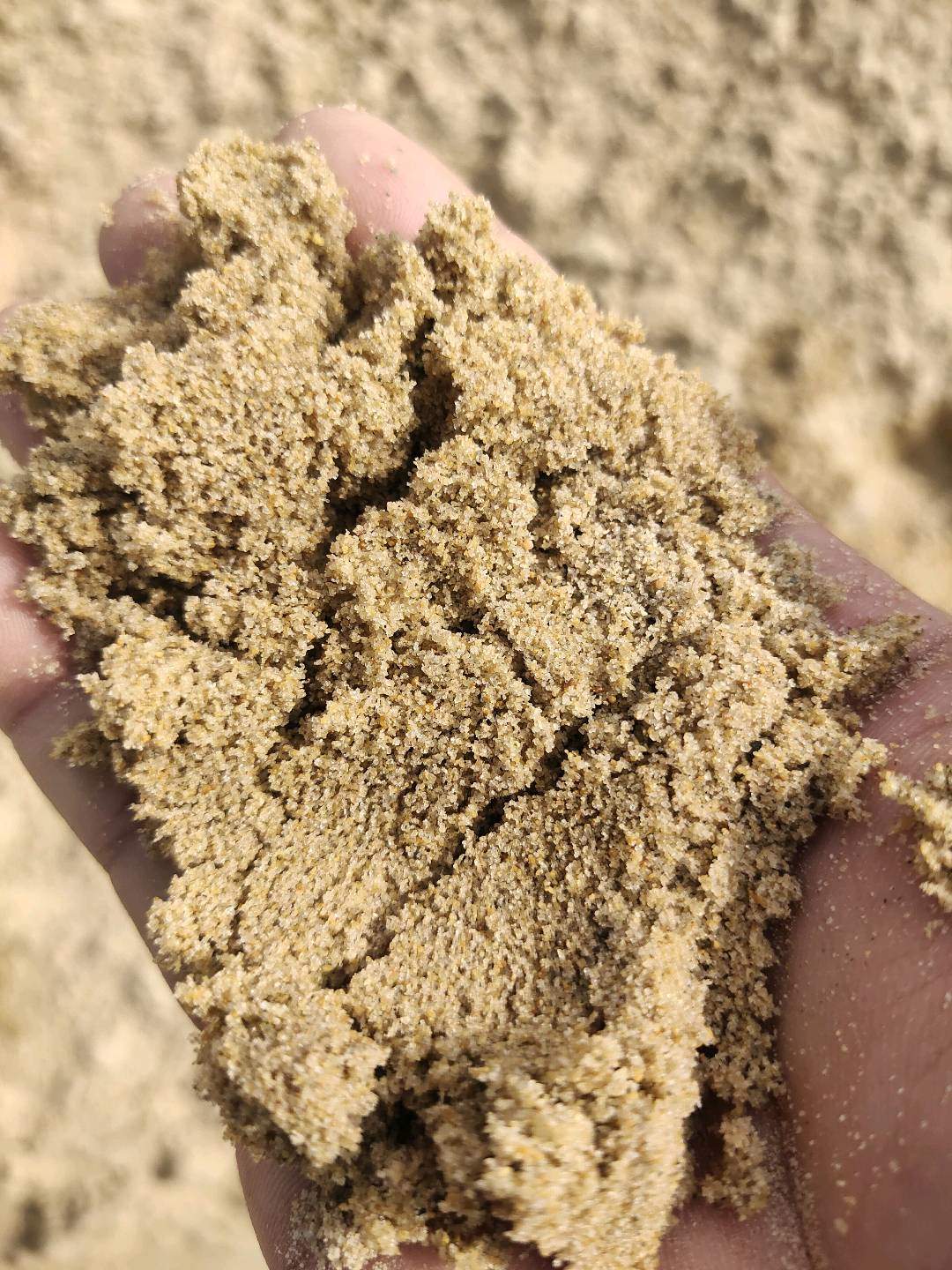
Climate Group reported on 23 September 2026 that Cambodia, Ethiopia, Ghana, Tanzania and Uganda had joined seven existing supporters of an international call for greater use of blended cement. The announcement brought the government coalition to 12 and accompanied the launch of the Blend Better Cement campaign. The initiative presents lower-clinker cement as a deployable decarbonisation route, but the trade implication is equally important: policy support can expand demand for supplementary cementitious materials only when specifications, qualification and supply execution keep pace.
1. Policy signals can convert clinker reduction into procurement demand
Blended cement lowers the clinker share by using other constituents, including qualified SCMs. Climate Group says suitable blends can reduce emissions per tonne of cement by as much as half compared with ordinary Portland cement containing about 95 per cent clinker. That is a campaign estimate rather than a universal product guarantee. Actual performance and carbon impact depend on blend design, local standards, material processing, transport and the electricity and fuel used across the supply chain.
2. Wider adoption increases the value of material qualification
A policy target does not make SCM streams interchangeable. Calcined clay, limestone, fly ash and GGBFS have different chemistry, processing needs, performance roles and availability. Buyers still need product-specific specifications, representative testing, approved mix designs and durability evidence for the intended application. Consistent naming also matters: GBFS is a granulated feedstock, while GGBFS is the ground product used as a cementitious constituent.
3. Public procurement must be matched by scalable supply
The campaign highlights government influence through standards and publicly funded construction. Procurement rules can create a stronger demand signal, but implementation requires enough qualified material at the right place and time. Producers and project owners therefore need visibility on source capacity, grinding or blending capability, storage, shipment size, delivery windows and contingency supply. Logistics and quality control must be designed together if lower-clinker specifications are to work beyond pilot projects.
Takeaway: The expanding coalition shows that blended cement is moving higher on government procurement and industrial-policy agendas. Its practical success will depend on credible standards, project-level validation and shipment-ready SCM supply—not policy language alone. For international buyers, the next step is to translate clinker-substitution goals into clear material specifications, test plans and executable logistics. Source: Climate Group, published 23 September 2026.
Climate Group 于 2026 年 9 月 23 日报道,柬埔寨、埃塞俄比亚、加纳、坦桑尼亚和乌干达加入了推动扩大混合水泥应用的国际倡议,与此前七个支持方共同把政府联盟扩大到 12 个国家。此次宣布同时伴随“Blend Better Cement”全球行动的启动。该倡议把低熟料水泥视为可落地的减碳路径,但其贸易含义同样重要:只有规格、认证和供应执行同步跟上,政策支持才可能转化为对辅助性胶凝材料(SCM)的实际需求。
1. 政策信号可把熟料减量转化为采购需求
混合水泥通过采用其他合格组分降低熟料比例,其中包括经过认证的 SCM。Climate Group 表示,与熟料占比约 95% 的普通硅酸盐水泥相比,适当的混合水泥每吨排放降幅最高可达一半。这一数字是倡议方估算,并非所有产品都能自动达到的保证值。实际性能与碳影响取决于配方设计、当地标准、材料加工、运输,以及供应链中的电力和燃料结构。
2. 应用扩大后,材料认证价值更加突出
政策目标并不意味着不同 SCM 可以互换。煅烧黏土、石灰石、粉煤灰和矿渣粉(GGBFS)在化学组成、加工需求、性能作用和可获得性上均有差异。买方仍需针对具体产品明确规格,开展具有代表性的检测,批准适用配合比,并验证目标用途的耐久性。名称一致也很重要:粒化高炉矿渣(GBFS)属于粒化原料,而 GGBFS 是作为胶凝组分使用的粉磨产品。
3. 公共采购需求必须与规模化供应匹配
该倡议强调政府可通过标准和公共工程采购发挥影响。采购规则可以形成更强的需求信号,但真正落地需要在正确时间和地点获得足量合格材料。因此,生产商与项目业主需要掌握来源产能、粉磨或掺配能力、仓储、发运批量、交付窗口和备用供应。只有把物流与质量控制一体化设计,低熟料规格才能从示范项目走向广泛应用。
结论:政府联盟扩大说明,混合水泥在公共采购和产业政策议程中的重要性正在上升。其实际成效取决于可信标准、项目级验证和可发运的 SCM 供应,而不只是政策表述。对国际买家而言,下一步应把熟料替代目标转化为明确的材料规格、检测方案和可执行物流。来源:Climate Group,发布于 2026 年 9 月 23 日。