Pakistan's Clinker Export Surge Shows Why 2026 Growth Will Favour Efficient, Flexible Suppliers
A 61% year on year rise in clinker exports at Power Cement is more than a company result. It is an early signal that in a flatter global cement market, export growth will go to suppliers who can defend margin, adapt destinations and keep execution clean.
巴基斯坦熟料出口激增说明:2026年的增长更偏向高效率、灵活执行的供应方
Power Cement 熟料出口同比增长 61%,这不只是单一公司的业绩亮点。它更像一个前置信号:在 2026 年全球水泥需求趋平的环境里,真正能拿到出口增长的,往往是那些能守住利润、灵活切换目的地、并把执行做干净的供应方。
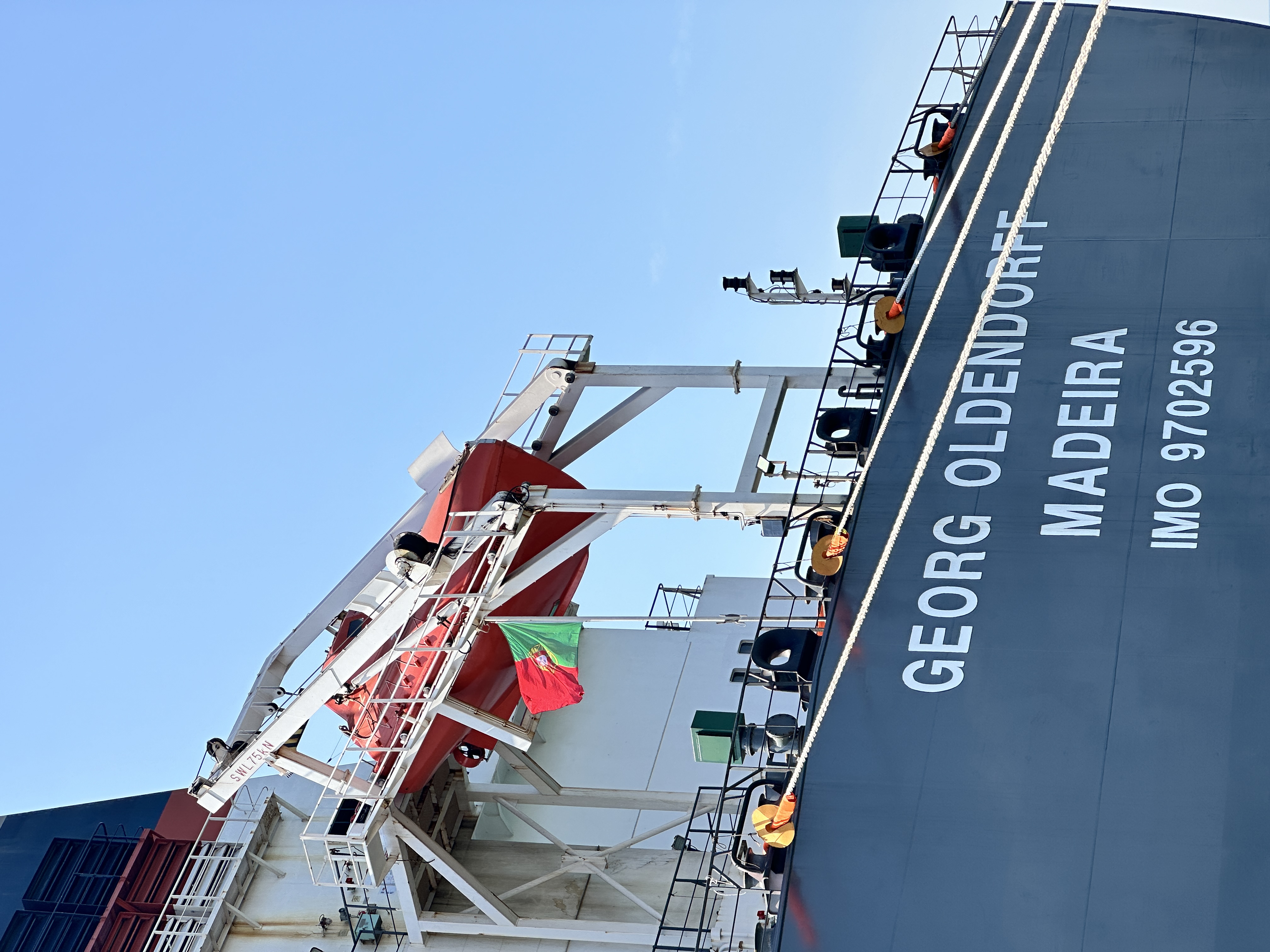
The immediate trigger is recent CemNet reporting that Pakistan's Power Cement lifted total offtakes by 17% year on year to 1.9Mt in the first nine months of FY2026, supported by a 61% rise in clinker exports. The report also noted a strong profit turnaround and lower production costs, helped by solar and waste heat recovery projects. On its own, that is a company story. In the context of today's market, it reads more like a trade signal.
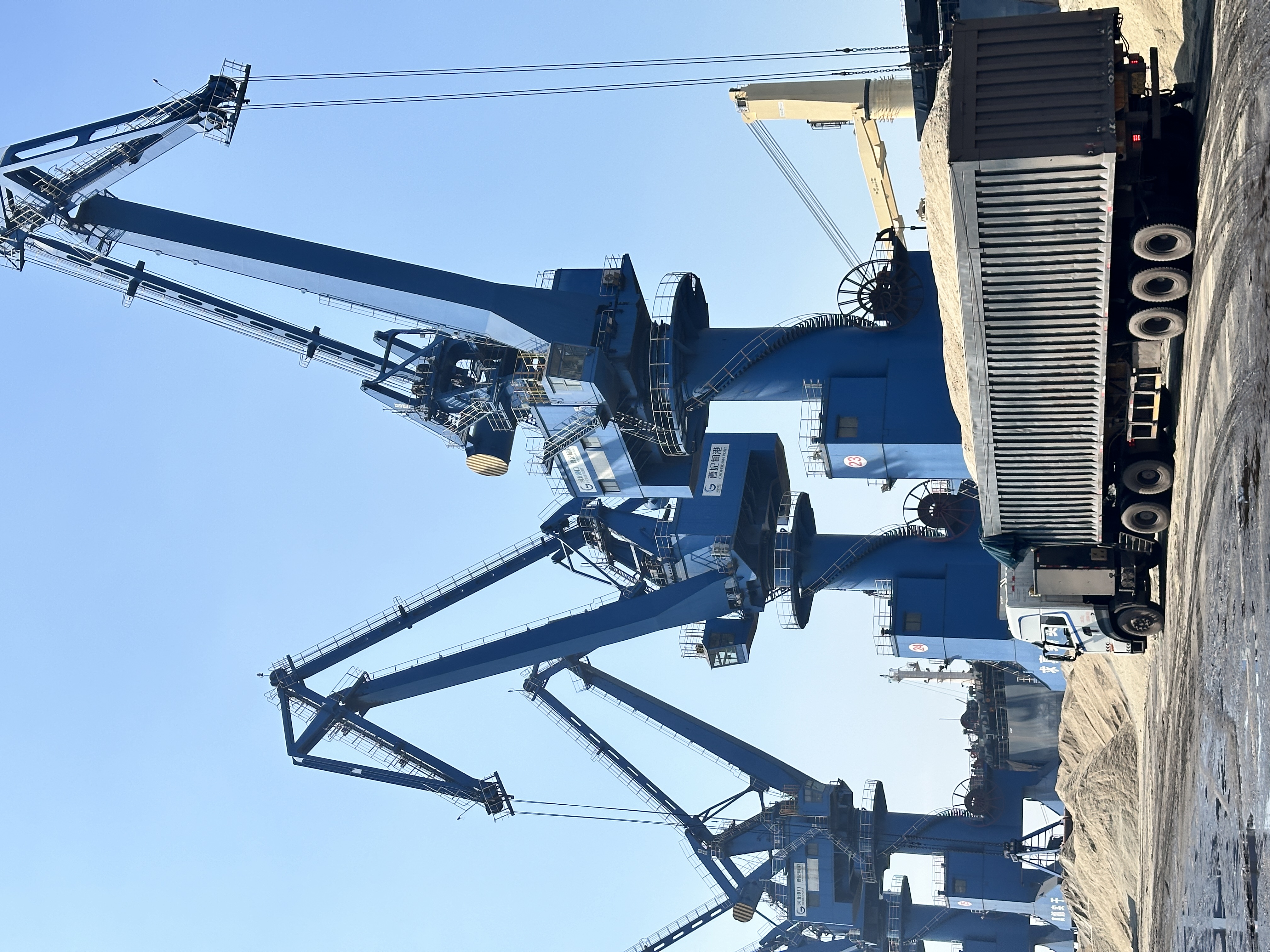
1. Flat demand is pushing exporters into a more selective race
Recent market commentary from Clearly Concrete points to a broadly flat global cement demand picture in 2026, while surplus capacity becomes more visible as China slows and Southeast Asian producers raise export availability. That matters because export growth in this kind of environment is not just about finding demand somewhere. It is about reaching the right destination with the right cost base before too many competing tonnes arrive.
In other words, a surplus market can still support active clinker trade, but it rewards suppliers differently. Buyers gain options. Sellers lose the luxury of assuming that seaborne demand alone will absorb inefficient operations. A producer that can open new markets while keeping product, documents and freight coordination under control will look stronger than a supplier relying only on headline capacity.
2. Margin protection is becoming part of export competitiveness
What makes the Power Cement signal interesting is that export growth came together with cost reduction. According to CemNet, production costs fell to PKR8536 per tonne through energy efficiency projects, while management still expects local demand to improve and export margins to stay supported. That combination matters. In a softer and more competitive trade environment, extra clinker volume is only attractive if the supplier can still protect margin after freight, handling and destination risk are counted in.
For traders and importers, this means supplier quality should be judged not only by offered price, but also by whether the supplier's operating structure is robust enough to stay consistent when market pressure rises. Energy discipline, process efficiency and loading reliability increasingly sit inside the real export value proposition.
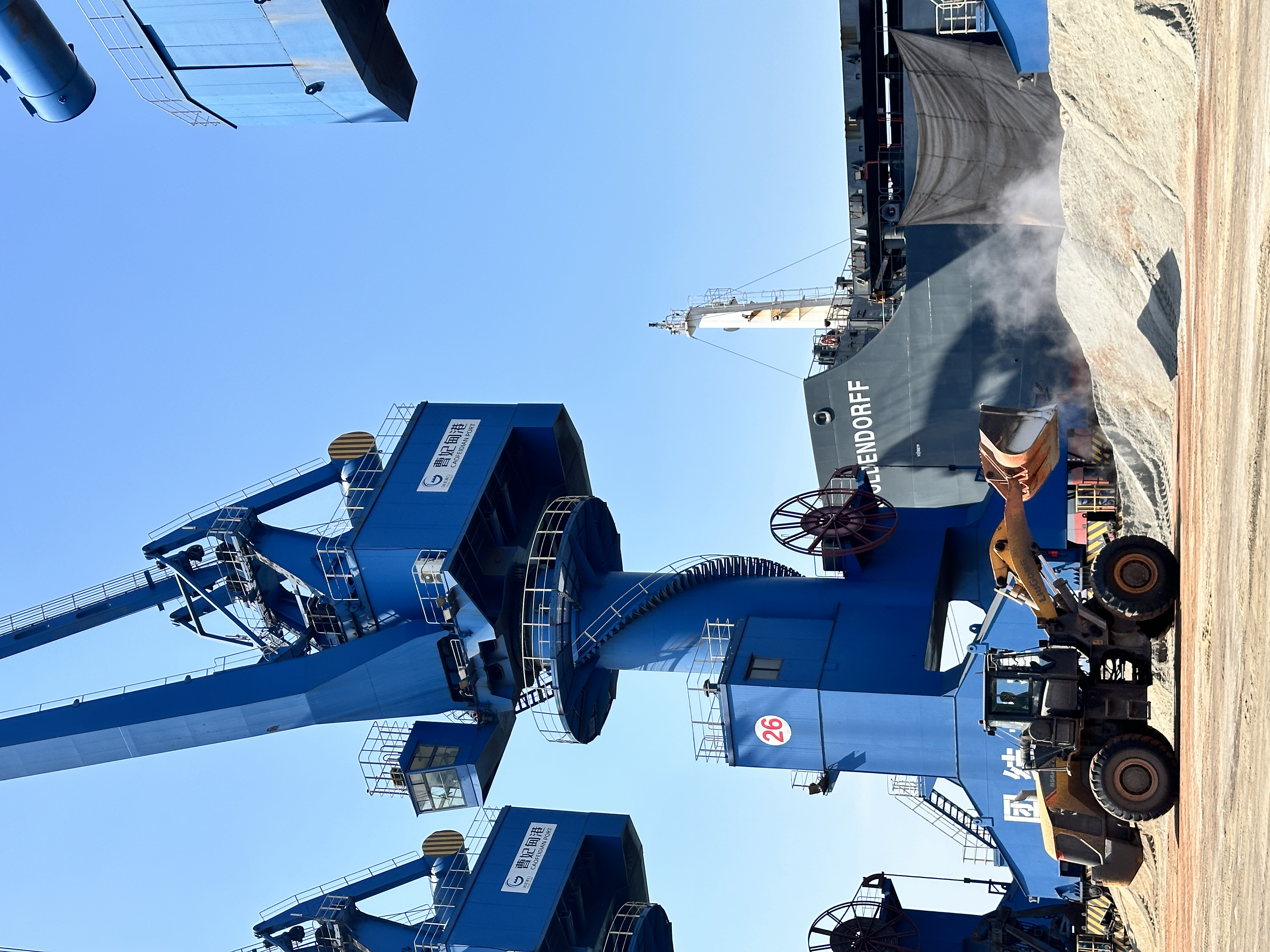
3. Softer dry bulk sentiment may help, but it will not save weak execution
Shipping signals add another layer. Cyprus Shipping News reported that capesize sentiment softened in mid June, with the BCI 5TC easing to US$44,374 as liquidity thinned and broader participation weakened. For bulk material exporters, that can open a narrower freight opportunity. But softer freight does not automatically turn every supplier into a winner. It only improves the math for sellers that are already able to move quickly, nominate clean cargoes and avoid loading surprises.
Takeaway: Pakistan's latest export signal is useful because it shows what 2026 clinker trade may increasingly reward. Not just tonnage. Not just cheap offers. The stronger position belongs to suppliers that can combine efficient production, destination flexibility and dependable execution from plant gate to vessel.
最直接的触发点,是 CemNet 最近关于巴基斯坦 Power Cement 的报道:其 2026 财年前九个月总销量同比增长 17%,达到 190 万吨,其中熟料出口同比增长 61%。报道同时提到,公司利润明显回升,单位生产成本也因光伏与余热回收项目而下降。单看这是一条公司新闻;放到当下市场背景里,它更像一条贸易信号。
1. 需求趋平,正在把出口竞争变成一场更挑剔的比赛
Clearly Concrete 的最新市场评论认为,2026 年全球水泥需求整体将趋于平稳,同时随着中国放缓、东南亚出口供应增加,过剩产能会更明显。这一点很关键,因为在这种环境下,出口增长已不再只是“总会有人买”。更现实的问题变成:你能否在更多竞争吨位到来之前,以合适的成本,把货送到合适的目的地。
换句话说,过剩市场并不意味着熟料贸易会消失,但它会以不同方式奖励供应方。买方的选择会变多,卖方却失去了“只要有海运需求就能接货”的宽松条件。谁能在开拓新市场的同时,把产品、单证和运费协同控制住,谁就会比只依赖名义产能的供应方更有竞争力。
2. 守住利润,正在成为出口竞争力的一部分
Power Cement 这条信号之所以更值得看,是因为出口增长和成本下降同时出现。根据 CemNet 报道,其单位生产成本通过能源效率项目下降至每吨 8536 巴基斯坦卢比,而管理层仍预计本地需求改善、出口利润空间可保持。这种组合很重要。因为在更柔软、也更拥挤的贸易环境里,熟料出口多出几万吨并不自动等于好生意,前提是供应方在算上运费、装卸和目的地风险后,仍然能守住利润。
对贸易商和进口买家来说,这意味着判断供应方优劣,不能只看报价高低,也要看其运营结构是否足够稳,能否在市场承压时继续保持一致性。能源纪律、工艺效率和装船可靠性,正在越来越多地构成真实的出口价值。
3. 干散货走软也许会帮一把,但救不了执行薄弱的供应方
航运端的信号又补上了一层背景。Cyprus Shipping News 报道称,6 月中旬海岬型船市场情绪转弱,BCI 5TC 回落至 44,374 美元,流动性和参与度都在变薄。对大宗建材出口方来说,这可能打开一个更窄但真实的运费窗口。但更低的运费并不会自动让所有卖方都受益,它只会改善那些本来就能快速组织货源、提名干净货盘、并减少装货意外的供应方的数学关系。
结论:巴基斯坦这次的出口信号之所以值得看,是因为它提示了 2026 年熟料贸易更可能奖励什么。不是单纯的吨位,不是单纯的低价,而是把高效生产、目的地灵活性和从工厂到船边的稳定执行结合起来的供应能力。
Explore products or discuss your inquiry.
If this market signal is relevant to your sourcing plan, you can review our core product pages or contact us with quantity, target specification, loading method and discharge requirements.
Request a quote