2026-08-22
Cement Volume Growth Raises the Capacity Planning Bar
A major producer's second-quarter growth and new grinding investment show that cement capacity planning increasingly depends on coordinated production, material supply and logistics.
水泥销量增长提高产能与供应规划门槛
大型生产商二季度销量增长与新增粉磨投资表明,水泥产能规划越来越依赖生产、材料供应与物流的协同。
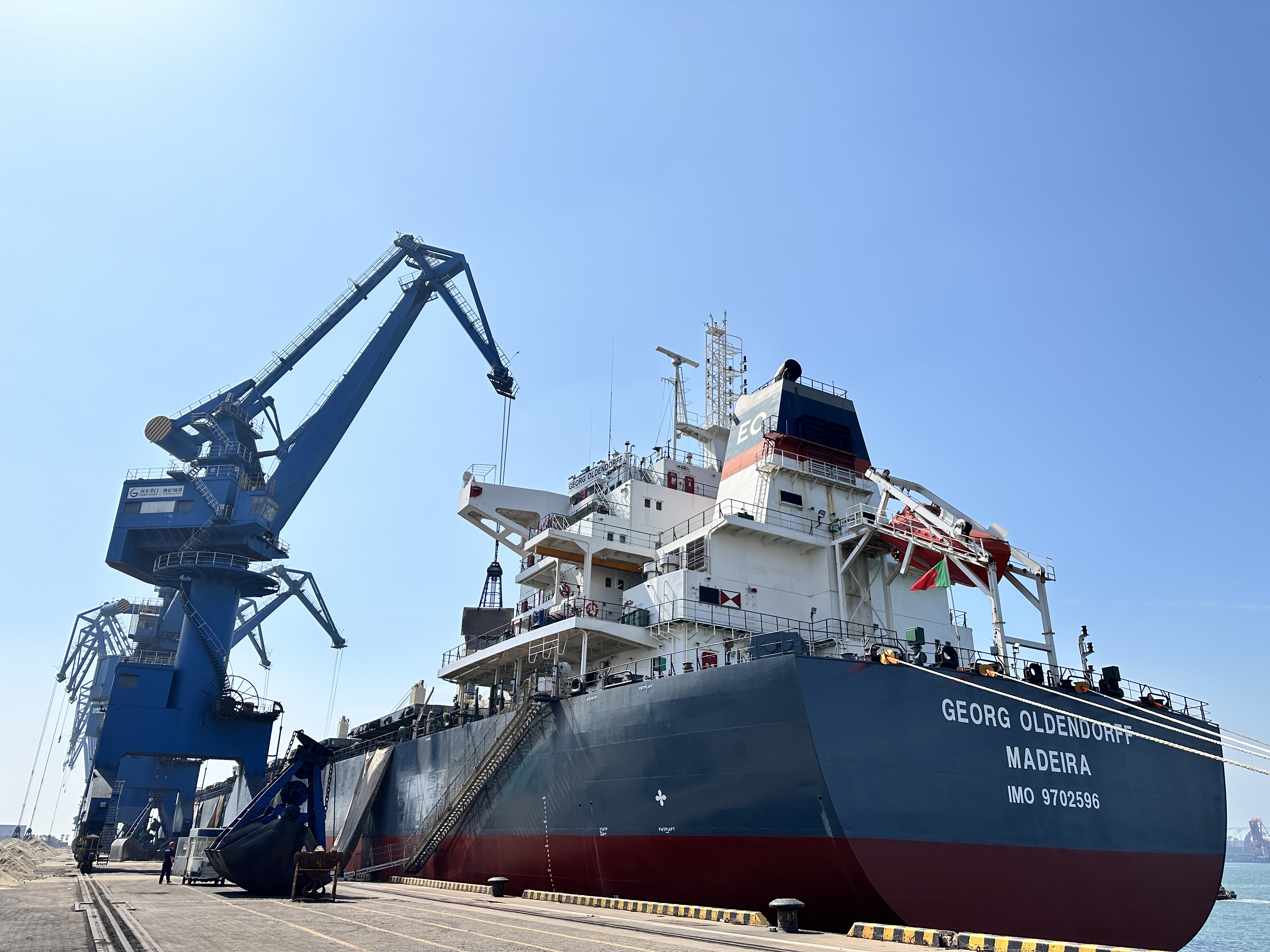
Votorantim Cimentos reported global cement sales of 9.9 million tonnes in the second quarter of 2026, up 6% year on year. The company also reported net revenue of R$8.2 billion and continued investment in production efficiency, decarbonization and new capacity. The figures offer a useful signal for cement capacity planning: demand growth must be matched by the right production and delivery configuration.
1. Sales growth tests the whole supply chain
Higher volume is not only a kiln or mill question. Producers and buyers must coordinate raw materials, clinker availability, grinding schedules, storage, transport and destination-market timing. A constraint at any one point can reduce the commercial value of nominal capacity.
2. Grinding investment changes material demand
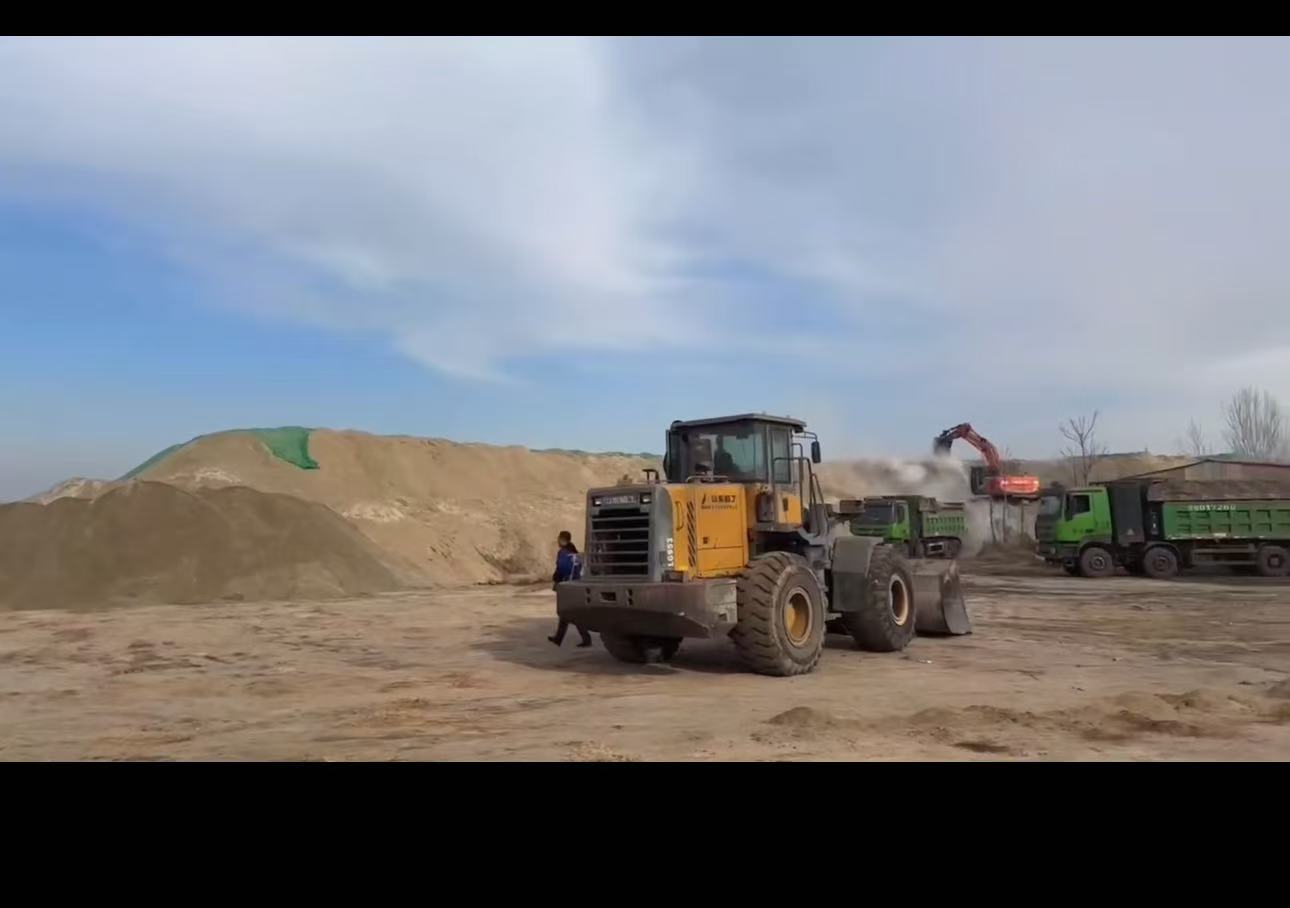
Votorantim also highlighted a planned grinding-line investment at its Xambioá plant, intended to add 500,000 tonnes of capacity and bring the site to 1.5 million tonnes per year from July 2028. New grinding capacity can reshape requirements for clinker and, where technically suitable, supplementary cementitious materials such as GBFS and GGBFS. The exact mix still depends on standards, testing and plant configuration.
3. Capacity becomes valuable when cargo is executable
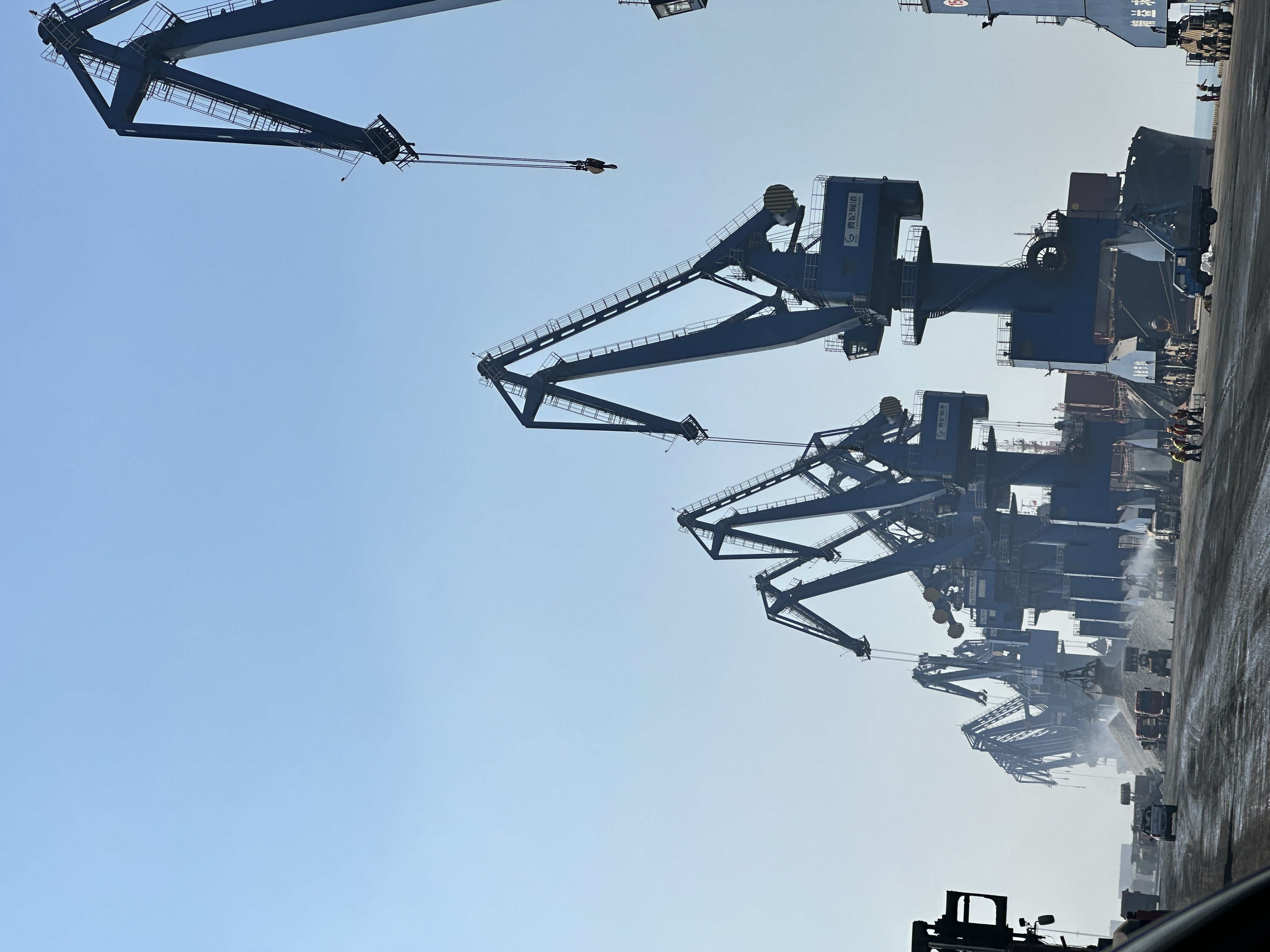
For cross-border supply, real availability must be connected to quantity, loading method, laycan, inspection, documents and vessel fit. SENLAN operates a GGBFS plant and loading execution base in Tangshan Caofeidian, supporting coordinated preparation for bulk-vessel and jumbo-bag shipments subject to specification and commercial confirmation.
Takeaway: Cement volume growth and grinding investment are positive market signals, but capacity alone does not guarantee supply. Buyers and producers gain resilience by aligning qualified inputs, operating schedules and logistics before demand reaches the loading window. Industry signal: Votorantim Cimentos Q2 2026 results reported by World Cement on 14 August 2026.
Votorantim Cimentos 披露,2026 年第二季度全球水泥销量为 990 万吨,同比增长 6%。公司同时报告净收入 82 亿巴西雷亚尔,并继续投资生产效率、减碳与新增产能。这些数据为水泥产能规划提供了一个清晰信号:需求增长必须与合适的生产和交付配置相匹配。
1. 销量增长考验整条供应链
销量提升并不只是窑炉或磨机问题。生产商与买方需要协调原材料、熟料供应、粉磨计划、仓储、运输与目的地市场时间。任何一个环节受限,都可能降低名义产能的商业价值。
2. 粉磨投资会改变材料需求
Votorantim 还提到 Xambioá 工厂的粉磨线投资计划,拟新增 50 万吨产能,并从 2028 年 7 月起将该基地年产能提高至 150 万吨。新增粉磨能力会改变熟料需求,也可能在技术条件合适时提高对 GBFS 与 GGBFS 等辅助性胶凝材料的需求。具体配比仍取决于标准、试验和工厂配置。
3. 产能只有转化为可执行货盘才有价值
对于跨境供应,真实可供量必须与数量、装载方式、laycan、检验、单证和船型匹配衔接。SENLAN 在唐山曹妃甸拥有 GGBFS 工厂和装港执行基地,可根据规格与商务确认,协同准备散装船及吨袋发运。
结论:水泥销量增长与粉磨投资是积极市场信号,但产能本身并不等于稳定供应。买方和生产商应在需求进入装货窗口前,提前协调合格材料、生产计划与物流条件。行业信号来源:World Cement 于 2026 年 8 月 14 日报道的 Votorantim Cimentos 二季度业绩。