2026-08-24
Concrete Carbonation Limits Put Clinker Reduction First
New research finds that concrete's passive carbon uptake is real but too slow and too small to offset most cement-production emissions, keeping near-term clinker reduction and qualified material supply in focus.
混凝土自然碳化作用有限,熟料减量更需立足当下
最新研究表明,混凝土被动吸收二氧化碳的作用确实存在,但速度和规模均不足以抵消大部分水泥生产排放,因此近期熟料减量与合格材料供应仍是重点。
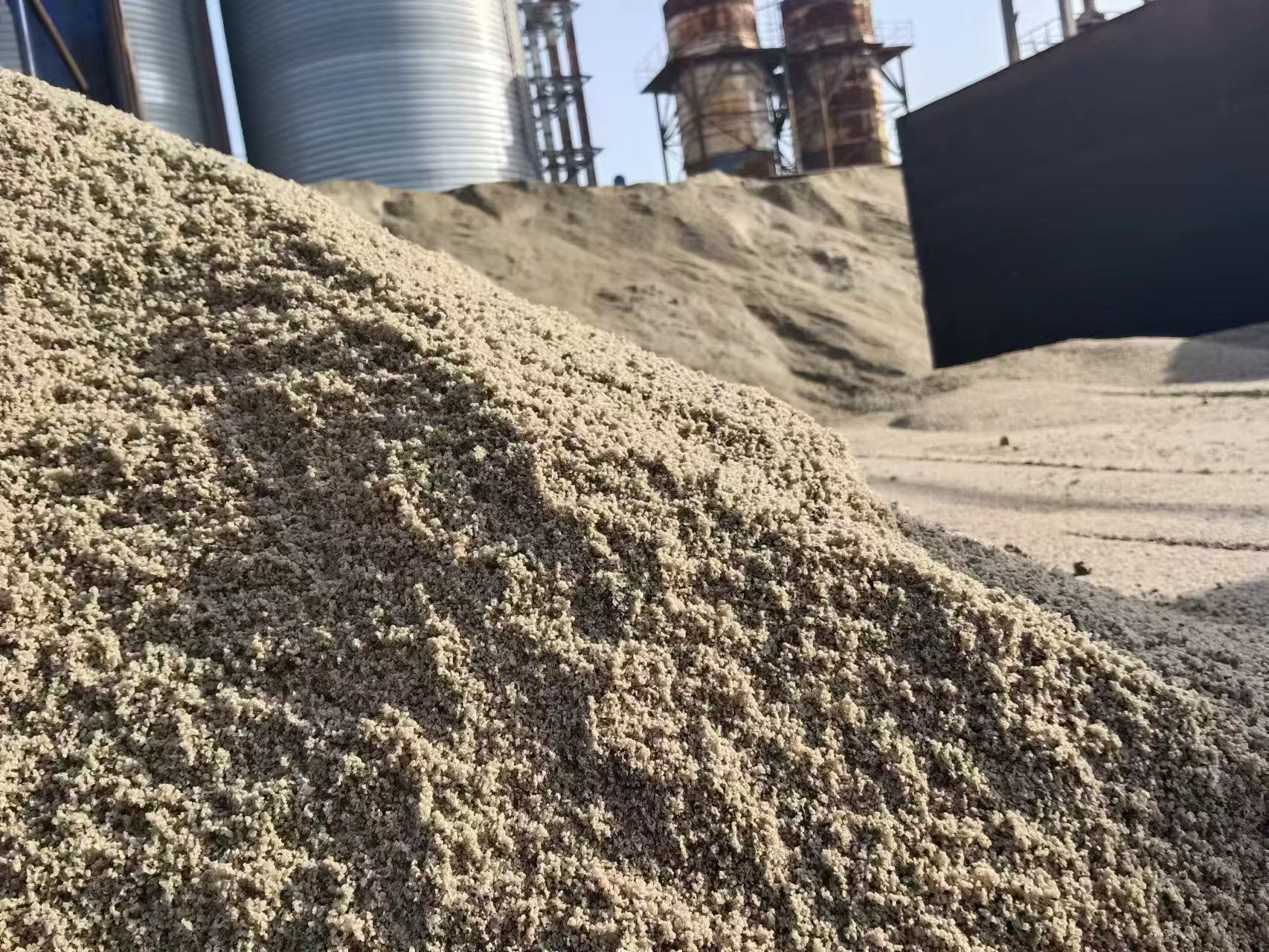
A UCLA-led study published in August 2026 estimates that ambient concrete carbonation offsets less than 10% of the cement industry's annual carbon dioxide emissions. The researchers found that a typical exposed concrete element could take roughly 1,000 years to reach even 50% carbonation under normal outdoor conditions. The result strengthens the case for actions that reduce emissions when cement is made, rather than depending on slow absorption decades later.
1. Carbon uptake should not be treated as a production offset
The study projects that in-service concrete could absorb about 230 million metric tons of carbon dioxide per year by 2030, compared with an estimated 3 billion metric tons of annual cement-industry emissions. That absorption is material in absolute terms, but it is not large enough to remove the need for direct process improvements, lower cement use per structure, alternative fuels, carbon capture and clinker reduction.
2. SCM use is a technical procurement decision
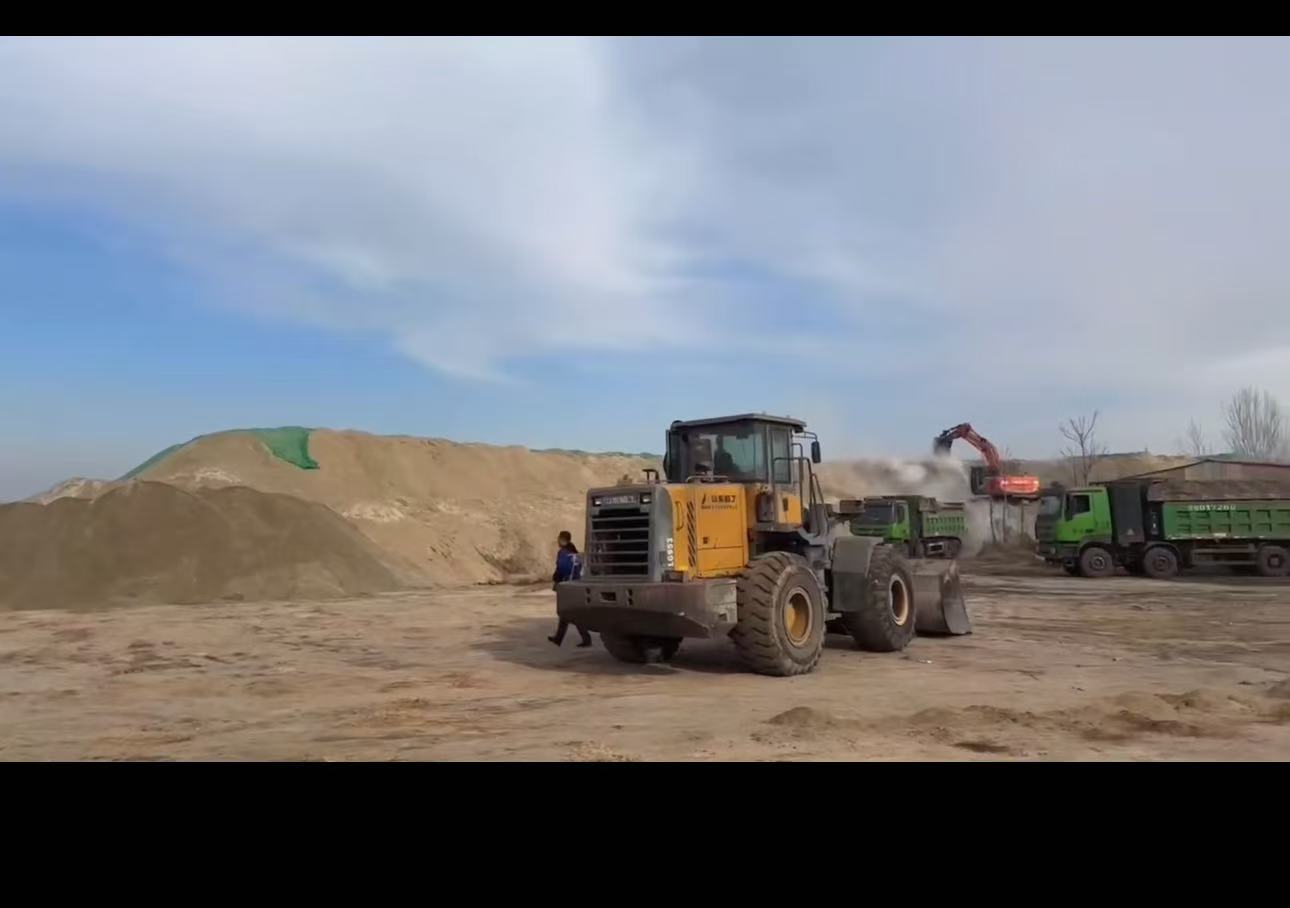
Reducing clinker can increase interest in supplementary cementitious materials, including GBFS and GGBFS where technically suitable. These materials are not automatic one-for-one substitutes. Local standards, mixture design, grinding capability, strength development, durability targets and testing determine whether a source is appropriate.
3. Near-term decarbonization also needs executable supply
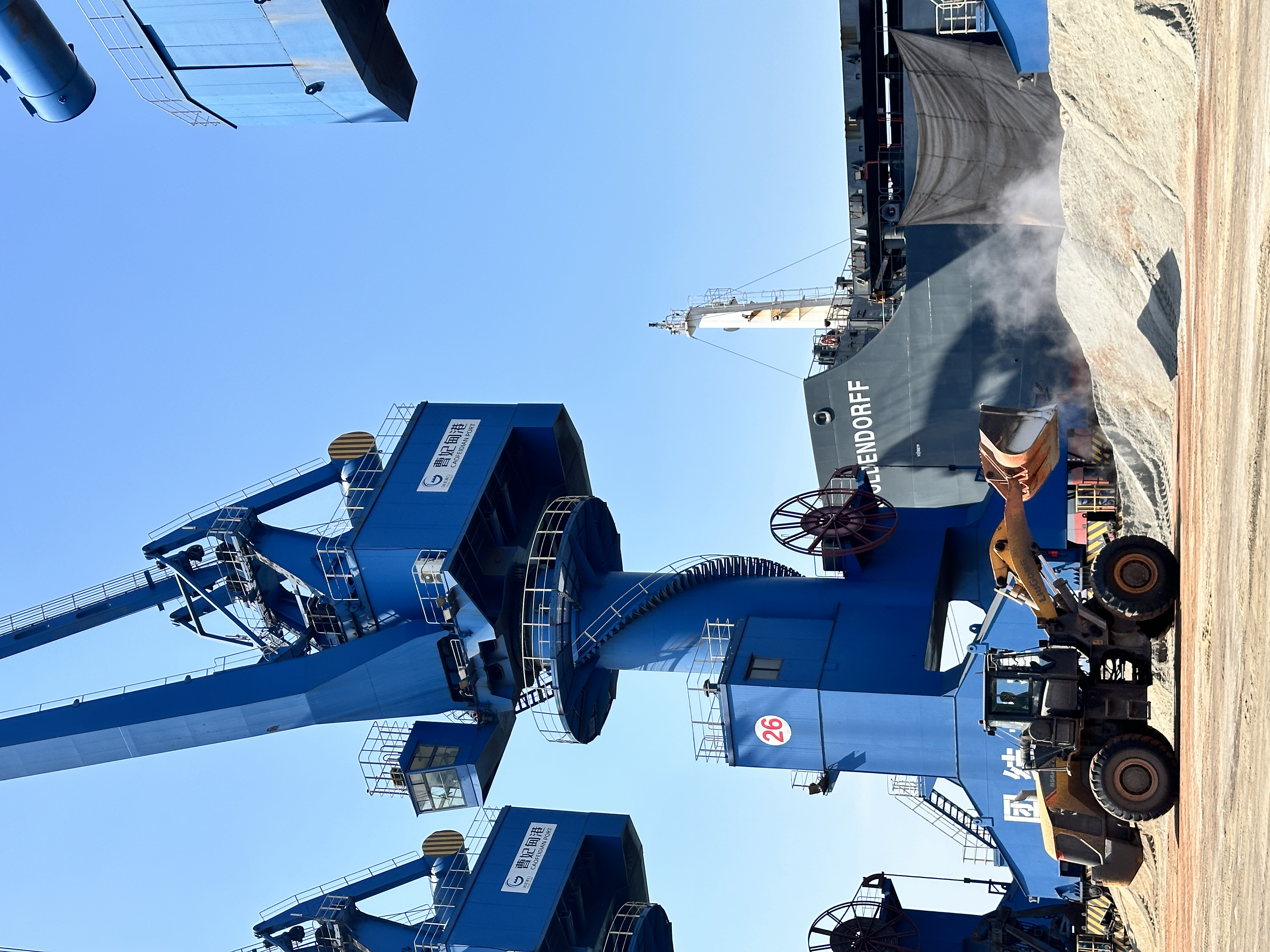
A technically qualified SCM contributes only when dependable quantity, loading method, laycan, inspection and transport are aligned. SENLAN operates a GGBFS plant and loading execution base in Tangshan Caofeidian, supporting coordinated bulk-vessel and jumbo-bag preparation subject to specification and commercial confirmation.
Takeaway: Concrete carbonation is a useful lifecycle effect, but it should not be counted as a substitute for immediate cement decarbonization. The practical priority is to reduce emissions near the point of production through verified technical measures and supply chains that can perform at commercial scale. Industry signal: UCLA Samueli research summary published 21 August 2026.
UCLA 牵头、于 2026 年 8 月发布的一项研究估算,环境条件下的混凝土碳化所抵消的二氧化碳不足水泥行业年度排放的 10%。研究人员指出,在正常室外条件下,典型的外露混凝土构件达到 50% 碳化可能需要约 1,000 年。这一结果进一步说明,减排更应发生在水泥生产当下,而不能依赖几十年后的缓慢吸收。
1. 不应把自然吸碳视为生产排放的主要抵消项
研究预计,到 2030 年,全球在役混凝土每年可能吸收约 2.3 亿吨二氧化碳,而水泥行业年度排放估计约为 30 亿吨。前者绝对规模并不小,但仍不足以替代直接工艺改进、减少单位结构水泥用量、替代燃料、碳捕集与熟料减量。
2. SCM 应用本质上是技术采购决策
降低熟料比例会提高市场对辅助性胶凝材料的关注,其中包括在技术条件合适时使用 GBFS 与 GGBFS。这些材料并非可以自动等量替代。当地标准、配合比、粉磨能力、强度发展、耐久性目标与试验结果,共同决定具体货源是否适用。
3. 近期减排同样需要可执行的供应链
技术上合格的 SCM,只有在稳定数量、装载方式、laycan、检验与运输得到协调后,才能真正发挥作用。SENLAN 在唐山曹妃甸拥有 GGBFS 工厂和装港执行基地,可根据规格与商务确认,协同准备散装船及吨袋发运。
结论:混凝土碳化是一项真实的全生命周期效应,但不能替代当下的水泥减排。更实际的重点,是通过经验证的技术措施,在排放源附近减少排放,并建立能够在商业规模下稳定执行的供应链。行业信号来源:UCLA Samueli 于 2026 年 8 月 21 日发布的研究摘要。