2026-09-03
Waterborne Bulk Logistics Put Terminal Planning in Focus
A new aggregate barge operation in New York and New Jersey shows that waterborne capacity creates value only when terminals, transfers and delivery windows work as one system.
水运散货物流凸显码头规划的重要性
纽约和新泽西新增的骨料驳船运输业务表明,只有码头、转运与交付窗口协同运作,水运运力才能真正创造价值。

Pit & Quarry reported on 28 August 2026 that Braen Stone had begun moving its own aggregates by barge in the New York and New Jersey region. The company said it operates six barges and can move up to 2,000 tons on one barge, compared with about 25 tons on one truck. Those are company-reported operating figures, but the broader signal is useful: waterborne bulk logistics can consolidate volume while shifting the critical constraints toward terminals, transfers and schedule control.
1. Vessel capacity is only one part of usable capacity
A large payload does not automatically produce a reliable delivery chain. Draft limits, berth access, loading equipment, cargo protection and receiving arrangements determine whether nominal barge or vessel capacity can be used. The report notes that a quarry and a dock support Braen Stone’s system, illustrating how origin and destination infrastructure must be connected before water transport can replace road movements at scale.
2. Transfer points shape cost and delivery reliability
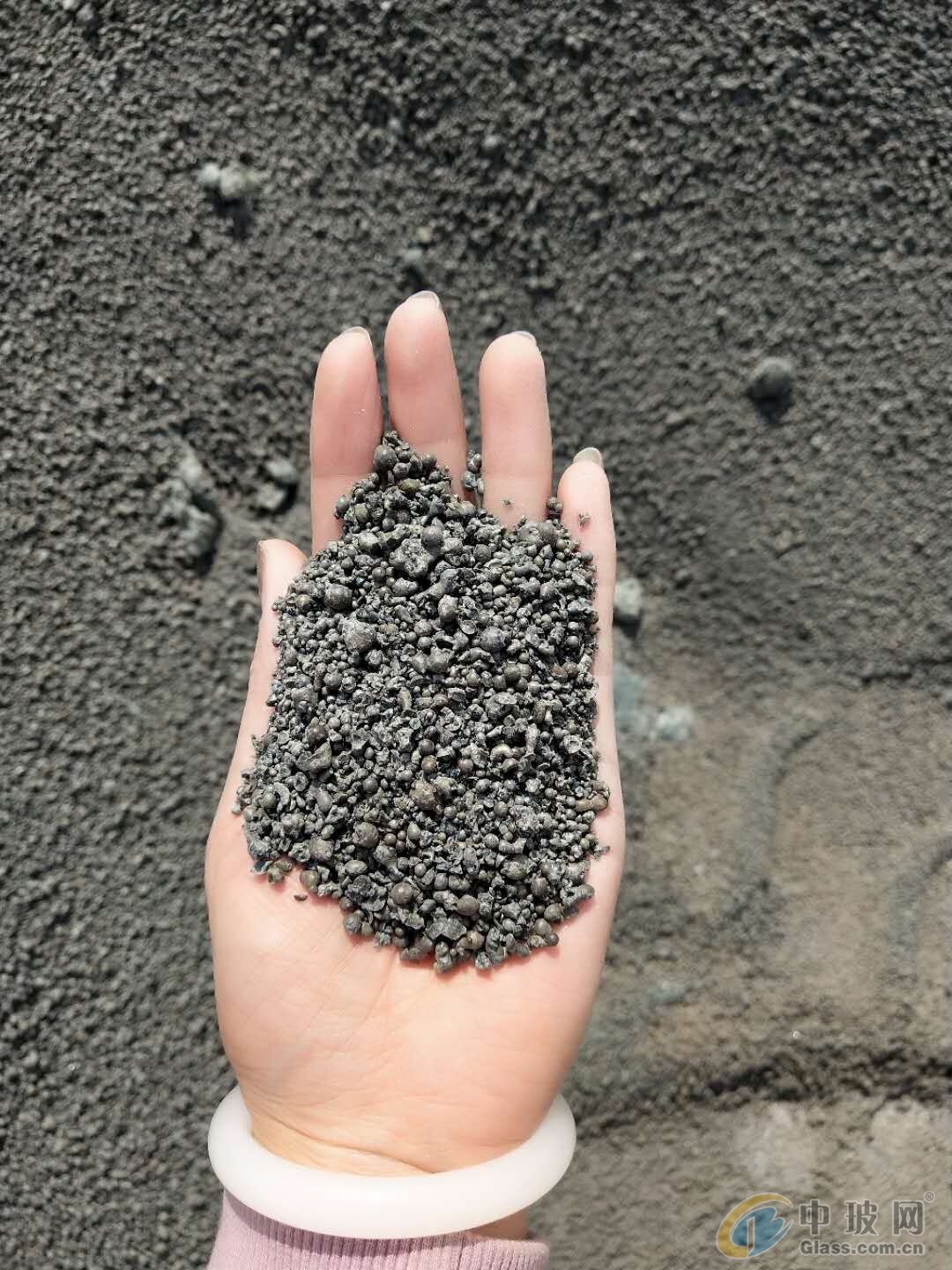
Moving more tonnes per trip may reduce road exposure, but each transfer introduces handling, inventory and timing requirements. For cementitious materials, planners must also account for moisture control, contamination prevention, storage compatibility and the receiving terminal’s discharge rate. A lower line-haul cost can be offset if cargo waits at the berth or requires unplanned rehandling.
3. Multimodal plans need operational fallbacks
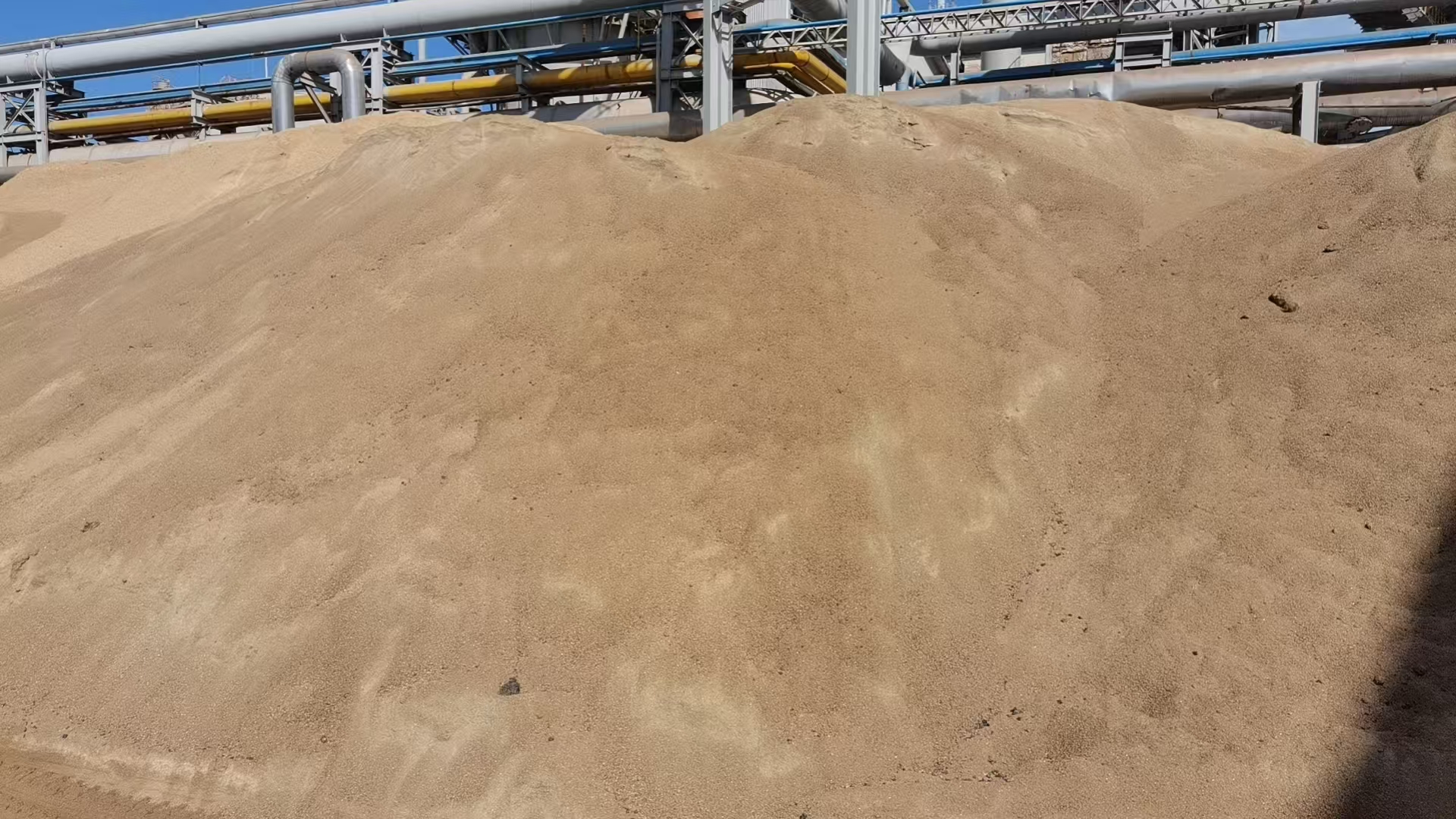
The reported operation responds partly to road restrictions and congestion. That makes water transport a diversification tool, yet waterways also face weather, berth and equipment constraints. Buyers and suppliers should define loading windows, buffer stock, alternate transfer points and communication responsibilities before shipment. For GBFS, GGBFS and clinker, SENLAN plans around specification, quantity, laycan and loading method, with Caofeidian as its loading execution base.
Takeaway: Waterborne transport can consolidate bulk-material volumes, but the decisive advantage comes from terminal fit and coordinated execution across the whole route. Source: the original Pit & Quarry report published 28 August 2026.
《Pit & Quarry》于 2026 年 8 月 28 日报道,Braen Stone 已开始在纽约和新泽西地区通过驳船运输自有骨料。该公司表示目前运营六艘驳船,单艘最多可运输 2,000 吨,而单辆卡车约为 25 吨。这些属于企业披露的运营数据,但其传递的行业信号具有参考价值:水运散货物流可以集中运输量,同时也会把关键约束转移到码头、转运和计划控制环节。
1. 船舶运力只是有效运力的一部分
较大的单次载量并不会自动形成可靠的交付链。吃水限制、泊位条件、装载设备、货物防护和接收安排,共同决定驳船或船舶的名义运力能否充分利用。报道提到,一座采石场和一处码头共同支撑该运输体系,这说明水运要大规模替代公路运输,起点和终点基础设施必须先有效连接。
2. 转运节点决定成本与交付可靠性
提高单次运输吨位可能减少公路运输压力,但每一次转运都会增加装卸、库存和时间管理要求。对胶凝材料而言,还需考虑防潮、防污染、仓储适配以及接收码头的卸货效率。如果货物在泊位等待或需要计划外二次搬运,较低的干线运输成本可能被抵消。
3. 多式联运方案需要备用安排
据报道,该项目部分是为应对道路限制与拥堵,因此水运可以发挥运输方式多元化的作用。不过,水路同样会受到天气、泊位和设备条件影响。买卖双方应在发运前明确装载窗口、安全库存、备用转运点和沟通责任。对于 GBFS、GGBFS 与熟料,SENLAN 会围绕规格、数量、受载期和装载方式制定方案,并以曹妃甸作为装运执行基地。
结论:水运可以集中大宗材料运输量,但其决定性优势来自码头适配以及全程协同执行。来源:《Pit & Quarry》于 2026 年 8 月 28 日发布的原始报道。