2026-09-07
Gearless Panamax Clinker Trade Raises Port-Fit Stakes
A reported Vietnam-to-West Africa clinker voyage shows how larger gearless bulkers can reshape route economics while making terminal compatibility more important.
无装卸设备巴拿马型船放大熟料贸易的港口适配要求
一宗由越南运往西非的熟料航次显示,大型无装卸设备散货船可能改变航线经济性,同时进一步提高对码头适配能力的要求。
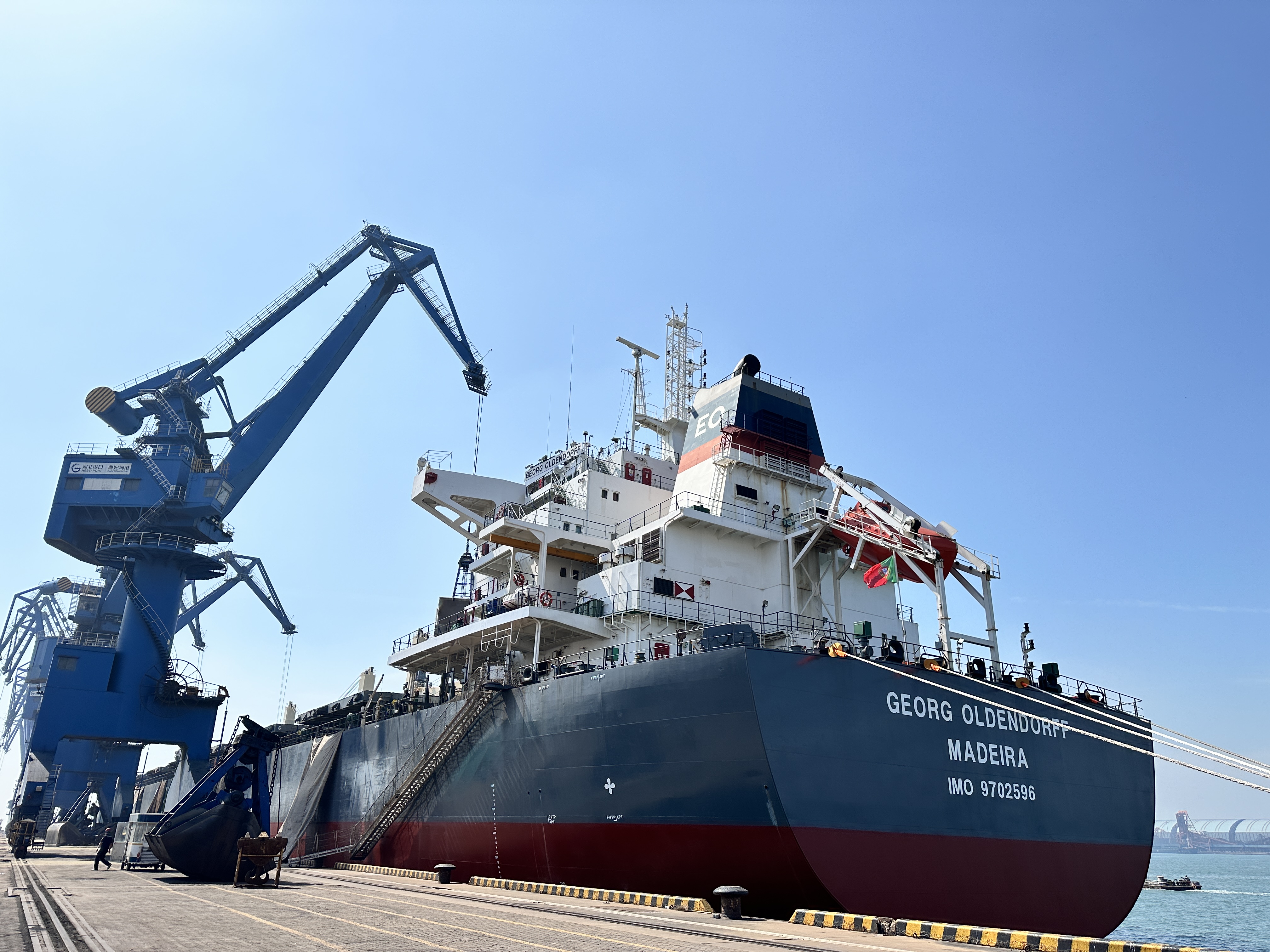
TradeWinds reported on 2 September 2026 that Klaveness Dry Bulk had completed its first cement clinker shipment in several years. According to the operator, a vessel loaded at Cam Pha, Vietnam, and discharged in Ivory Coast in August. Klaveness described a broader shift in which clinker sourced from Vietnam and South China is increasingly moving on larger, gearless Panamax vessels. The report is one operator’s account of an evolving trade pattern, not proof that every Asia–West Africa clinker route has changed.
1. Vessel scale changes the operating equation
Larger bulkers may spread voyage costs across more cargo when parcel size, draft, berth availability and sailing distance align. A gearless vessel, however, carries no onboard cargo cranes. Its commercial usefulness therefore depends on suitable shore-based loading and discharge equipment, as well as receiving terminals able to handle the vessel and cargo flow. Nominal freight efficiency can be lost if port restrictions force delays, partial loading or an unsuitable discharge plan.
2. Port fit must be checked at both ends
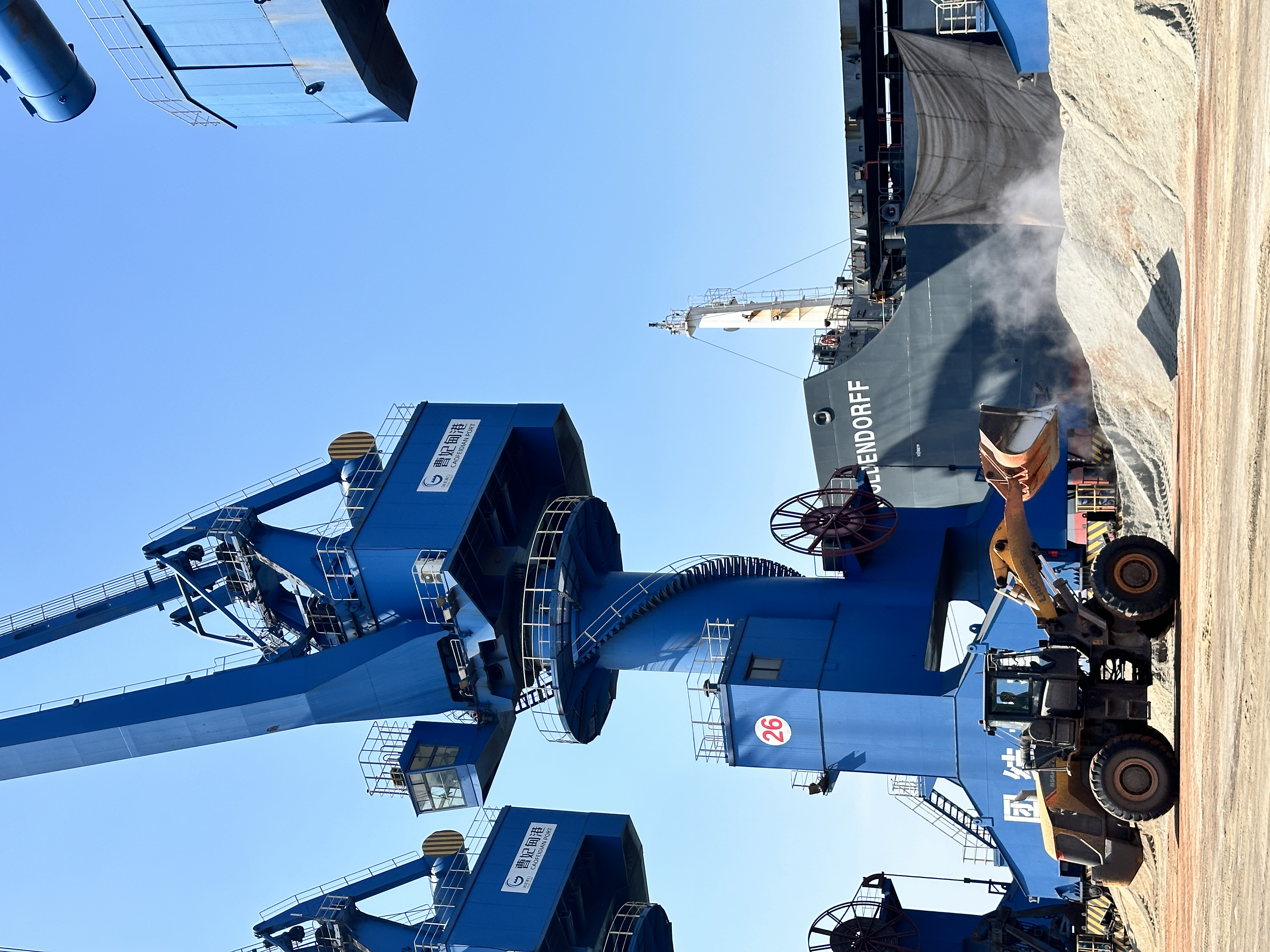
For clinker trade, origin readiness is only half of the route. Buyers and charterers should confirm permissible draft, berth dimensions, shore-crane or grab availability, hopper and truck capacity, storage space, weather exposure and expected discharge rate. These checks should be completed before vessel nomination because a mismatch at destination can outweigh savings achieved at sea. Contingency planning also matters where congestion or equipment downtime may affect laytime.
3. Cargo readiness protects the shipping window
A larger parcel concentrates execution risk into fewer calls. Stockpiling, quality segregation, sampling, documentation and inland delivery must support the vessel’s laycan and loading sequence. The same discipline applies to clinker, GBFS and GGBFS movements. SENLAN coordinates cementitious-material supply from Tangshan and loading execution through Caofeidian Port; vessel choice, parcel size, specification and terminal fit remain shipment-specific.
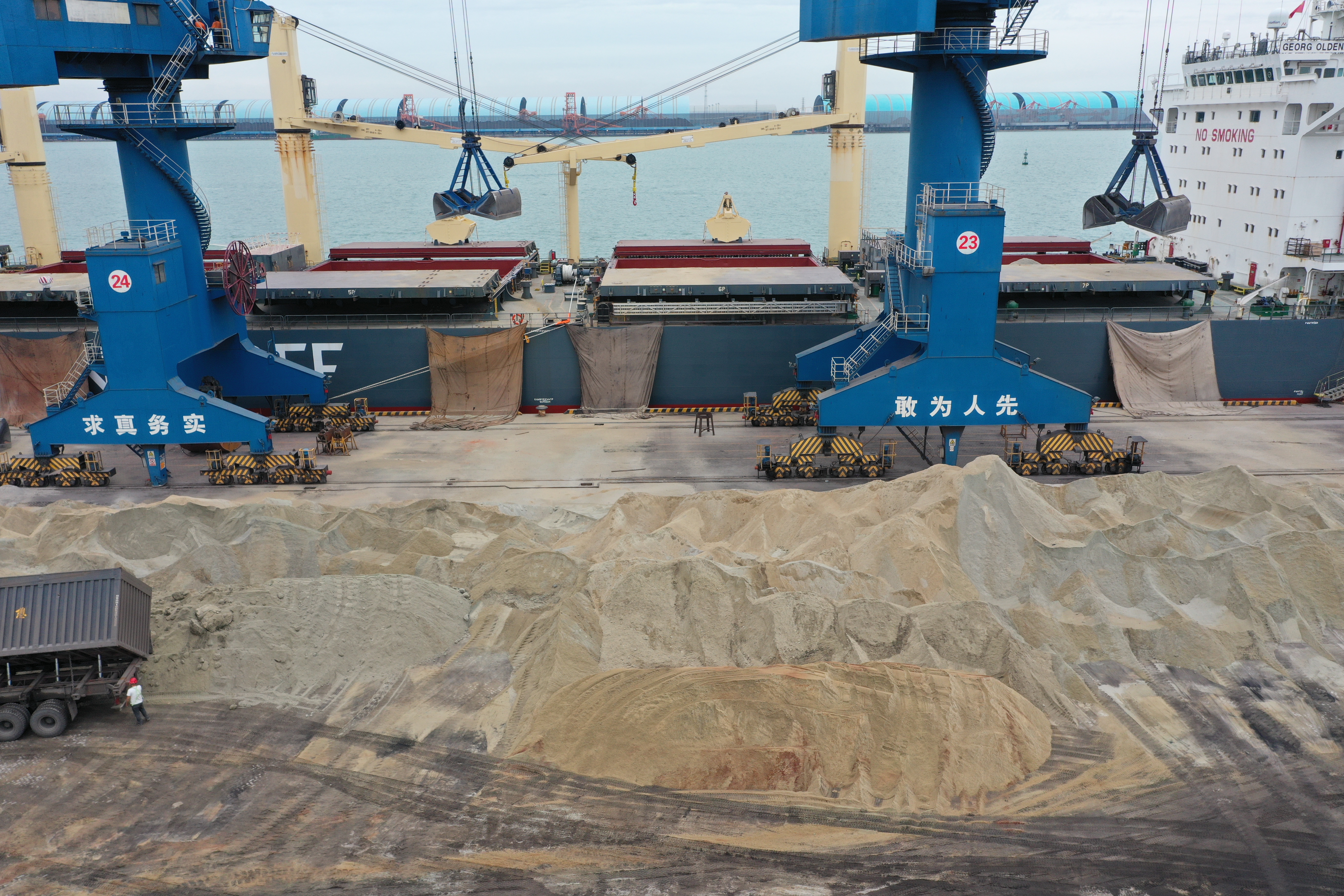
Takeaway: The reported voyage suggests that larger gearless Panamax vessels may play a greater role in Asia–West Africa clinker trade. The opportunity is operational rather than automatic: berth access, shore handling, parcel size and cargo readiness must be validated together. Source: TradeWinds, published 2 September 2026.
TradeWinds 于 2026 年 9 月 2 日报道称,Klaveness Dry Bulk 完成了该公司数年来首宗水泥熟料运输。该运营商称,一艘船于 8 月在越南锦普装货,并在科特迪瓦卸货。Klaveness 同时指出,来自越南和中国南方的熟料正越来越多地采用大型无装卸设备巴拿马型船运输。该报道反映的是一家运营商对贸易变化的观察,并不能证明所有亚洲至西非熟料航线都已发生同样转变。
1. 船舶规模改变运营方程
当货量、吃水、泊位供应和航程相互匹配时,大型散货船可能把航次成本分摊到更多货物上。但无装卸设备船舶不配备船载起重机,其商业可用性取决于合适的岸基装卸设备,以及能够承接船型和货流的码头。如果港口限制导致延误、减载或卸货方案不适配,海上运输形成的名义成本优势可能被抵消。
2. 装卸两端都要验证港口适配
对熟料贸易而言,装港准备只是航线的一半。买方和租船相关方应确认允许吃水、泊位尺寸、岸吊或抓斗能力、料斗与车辆接运能力、堆存空间、天气影响以及预期卸率。上述检查应在指定船舶前完成,因为卸港不匹配可能超过海运环节节省的成本。在拥堵或设备停机可能影响装卸时间的港口,还需要准备备用方案。
3. 货物就绪保障船期窗口
更大的单船货量会把执行风险集中到更少的挂靠中。备货、质量分区、取样、单证和内陆集运必须支持船舶受载期与装载顺序。同样的执行纪律也适用于熟料、GBFS 和 GGBFS 运输。SENLAN 依托唐山货源并通过曹妃甸港协调胶凝材料装运;船型、货量、规格和码头适配仍需按具体货盘确认。
结论:该航次表明,大型无装卸设备巴拿马型船可能在亚洲至西非熟料贸易中承担更大作用。但机会并非自动形成,泊位条件、岸机能力、单船货量与货物就绪程度必须协同验证。来源:TradeWinds,发表于 2026 年 9 月 2 日。