2026-09-14
Tema Clinker Berth Move Highlights Congestion Planning
Ghana's temporary addition of clinker-unloading access at Tema shows how berth availability and cargo-handling speed can reshape delivered cement costs.
特马港新增熟料泊位凸显拥堵规划
加纳在特马港临时增加熟料卸货泊位,说明泊位可用性与货物处理速度会直接改变水泥到岸成本。
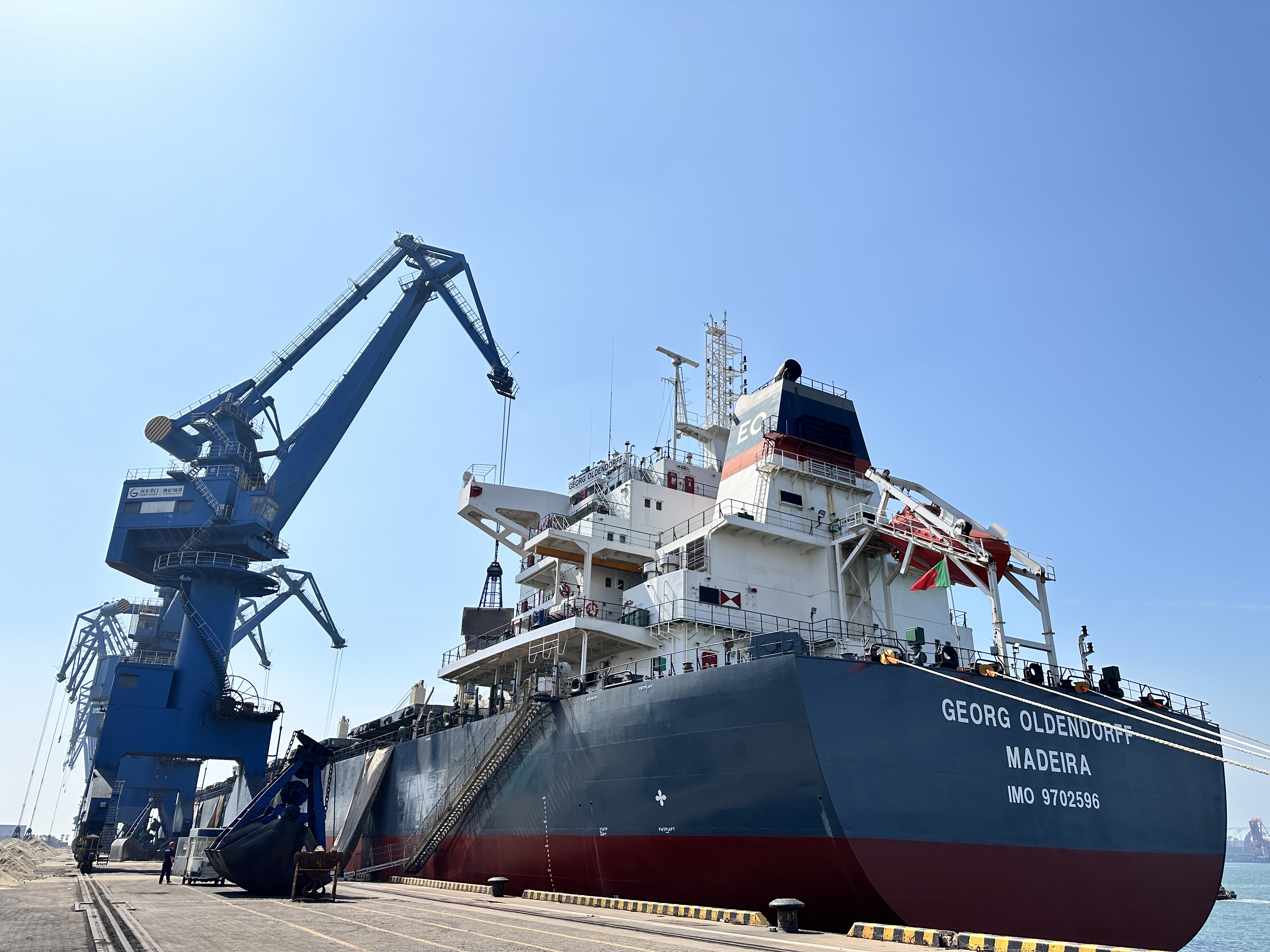
Benin Web TV reported on 13 September 2026 that Ghana had secured temporary additional berth access at Tema Port to accelerate clinker unloading and reduce costs linked to extended vessel waiting. The report cited industry concern that average waiting time had risen sharply during 2026. Because the arrangement is described as temporary, it should be read as an operational response to congestion rather than proof that permanent port capacity constraints have been resolved.
1. Berth time is part of delivered material cost
Clinker and other bulk cementitious materials may be priced competitively at origin, but prolonged anchorage can add demurrage, financing cost and uncertainty to downstream production. A realistic CFR or delivered-cost model therefore needs more than ocean freight. It should include expected waiting time, discharge productivity, working-hour restrictions, weather allowances and the allocation of delay risk.
2. Larger vessels require end-to-end compatibility
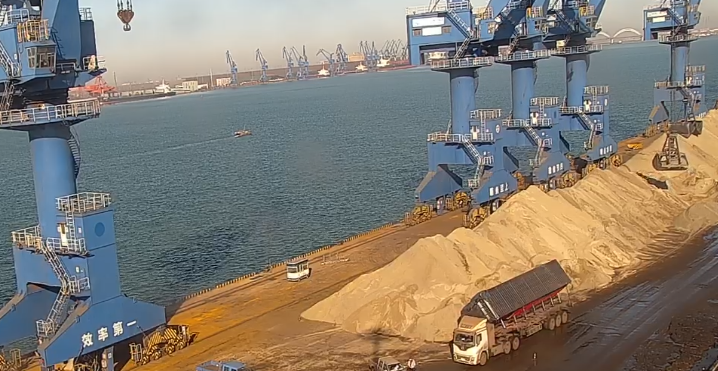
The report also noted that deeper berths at Tema can accommodate larger vessels. Scale can reduce freight cost per tonne, but only when draft, berth length, cranes or shore equipment, storage, trucking and customs processing can handle the parcel efficiently. If one link is undersized, a larger cargo can increase rather than reduce congestion exposure.
3. Contracts need congestion contingencies
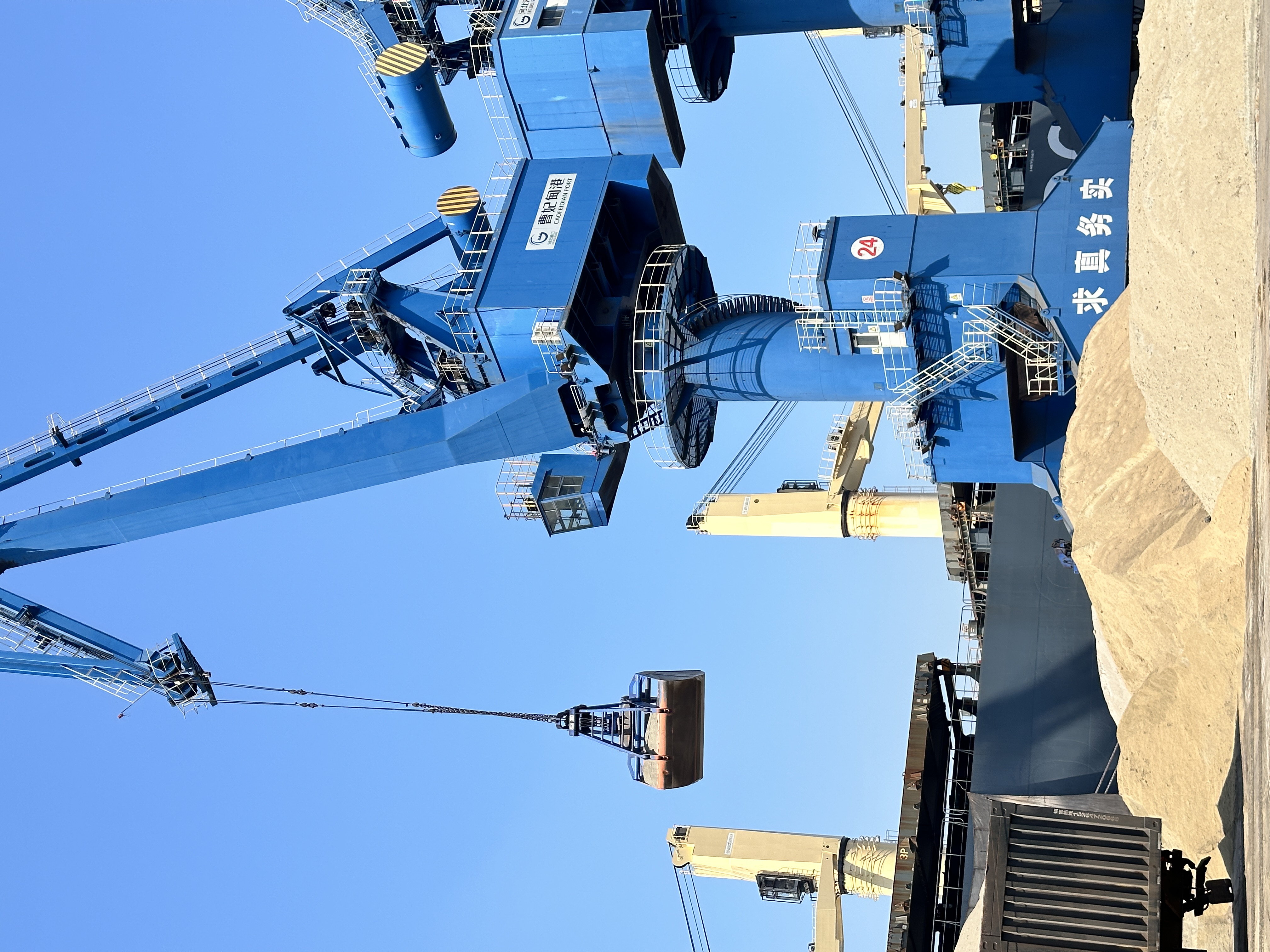
Before nomination, counterparties should agree laytime, notice of readiness, discharge assumptions, demurrage responsibility and the evidence required when port restrictions change. Alternative berths and cargo sequencing should also be assessed where practical. The same execution discipline applies to imported GBFS and other dry bulk materials. SENLAN coordinates bulk supply and loading from Caofeidian with shipment terms defined for each project.
Takeaway: Tema's temporary clinker berth is a useful short-term response, not a substitute for end-to-end capacity planning. For buyers, the key lesson is to treat port waiting, discharge performance and contractual delay allocation as core procurement variables rather than after-the-fact logistics issues. Sources: Benin Web TV, published 13 September 2026; Ghana Business News, published 10 September 2026.
Benin Web TV 于 2026 年 9 月 13 日报道,加纳已在特马港临时增加泊位安排,以加快熟料卸货并降低船舶长时间等待带来的成本。报道援引行业意见称,2026 年平均等待时间已明显上升。由于这一安排被明确描述为临时措施,因此应将其视为对拥堵的运营响应,而不能理解为港口永久性产能约束已经解决。
1. 泊位时间是材料到岸成本的一部分
熟料及其他散装胶凝材料在装港可能具有竞争力,但长时间锚泊会增加滞期费、资金成本和下游生产的不确定性。因此,真实的 CFR 或到岸成本模型不能只计算海运费,还应纳入预计等待时间、卸货效率、作业时间限制、天气余量以及延误风险的分配方式。
2. 大型船舶需要端到端适配
报道还指出,特马港较深的泊位可以接靠更大型船舶。船舶规模可能降低单位吨海运成本,但前提是吃水、泊位长度、岸机或装卸设备、仓储、汽运和通关都能够高效承接。如果任何一个环节能力不足,更大的货批反而可能增加拥堵风险。
3. 合同需要预设拥堵应对条款
在指定船舶前,交易双方应明确装卸时间、准备就绪通知、卸货效率假设、滞期费责任,以及港口限制发生变化时所需的证明文件。在可行情况下,还应评估备用泊位和货物排序方案。同样的执行纪律也适用于进口粒化高炉矿渣(GBFS)等干散货。SENLAN 依托曹妃甸协调散货供应与装运,并按具体项目确定发运条件。
结论:特马港临时增加熟料泊位是一项有价值的短期响应,但不能替代端到端产能规划。对买方而言,核心启示是把港口等待、卸货表现和合同中的延误责任视为采购变量,而不是事后才处理的物流问题。来源:Benin Web TV,发布于 2026 年 9 月 13 日;Ghana Business News,发布于 2026 年 9 月 10 日。