2026-09-12
Steel Slag Concrete Study Highlights Material Qualification
A new structural study reports encouraging results for a steel slag aggregate overlay, while underscoring the need to distinguish slag categories and qualify each material for its intended use.
钢渣骨料混凝土研究凸显材料分类与认证
一项新的结构研究显示,钢渣骨料加固层取得了积极试验结果,同时也提醒市场:必须区分不同矿渣类别,并针对具体用途完成材料认证。
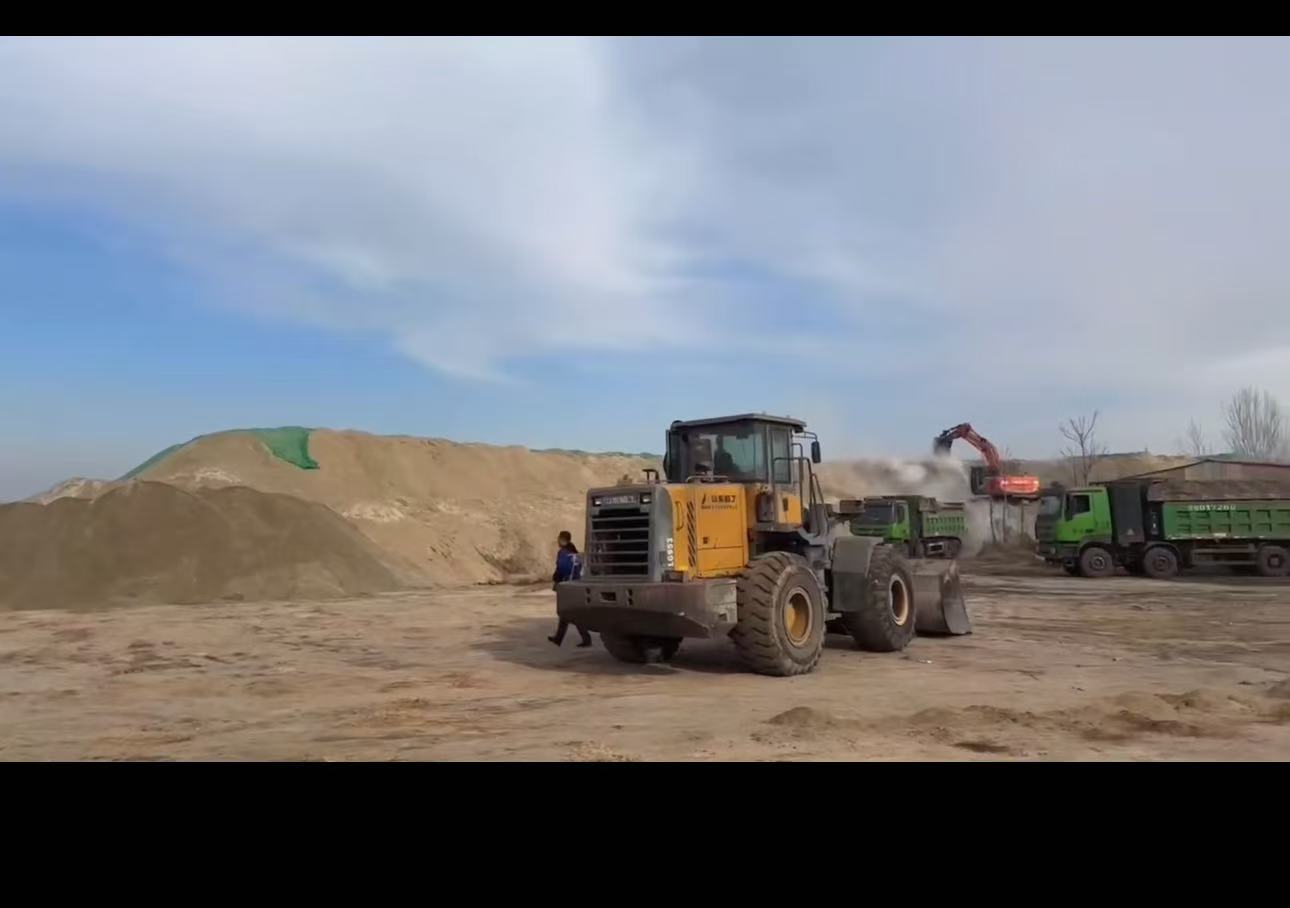
Scientific Reports published a study on 10 September 2026 examining concrete made with blast-furnace steel slag aggregate as a strengthening overlay for reinforced-concrete flat slabs. In five static-loading tests, the researchers reported that the slag overlay increased ultimate load by 29.9% and first-crack load by 15.7%, while reducing ultimate deflection by 56.4% against the control slab. These findings are specific to the materials, specimens and test design in the paper; they should not be read as universal performance values.
1. The application is as important as the material name
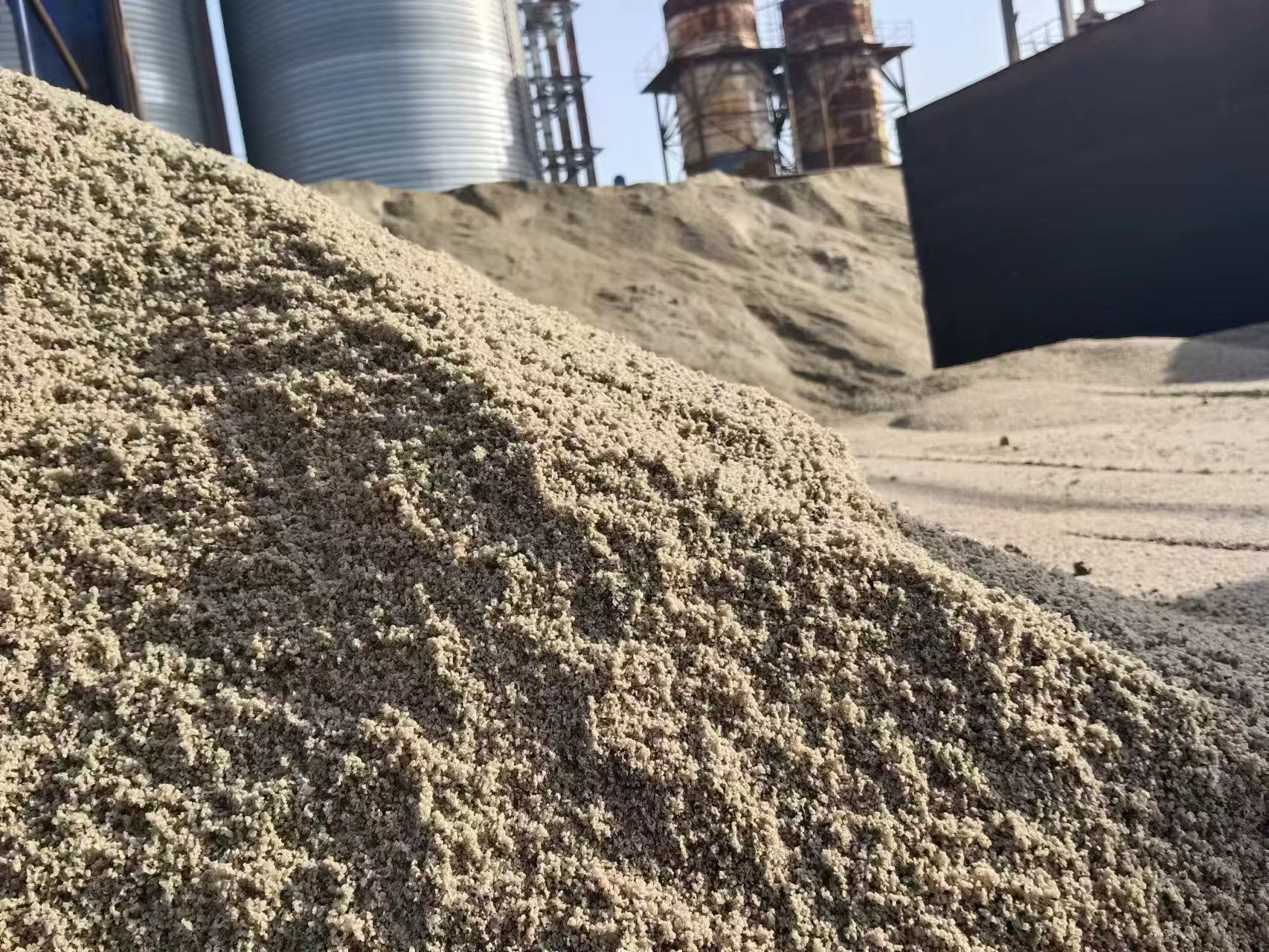
The study replaced natural aggregate in an overlay with steel slag aggregate. That use is different from using granulated blast-furnace slag (GBFS) as a feedstock or ground granulated blast-furnace slag (GGBFS) as a supplementary cementitious material. “Slag” is therefore not a sufficient procurement description. Origin, processing route, particle form, chemistry and intended function must be identified before test results can be transferred into a specification.
2. Promising results still require bounded interpretation
The researchers also used a validated finite-element model to examine 22 parameter configurations, including overlay thickness, slab geometry and reinforcement corrosion. This expands the analytical scope, but the study remains a defined research programme rather than a general approval for every structure or slag source. Engineering adoption requires applicable codes, durability evidence, source-specific testing, mix design and project review.
3. Procurement begins with traceability
For cement and concrete buyers, the practical lesson is classification discipline. A useful supply package should connect the named material to representative sampling, agreed test methods, acceptance limits and lot documentation. Logistics also matter: segregation, moisture control, storage and handling must preserve the properties that were qualified. SENLAN coordinates GBFS and GGBFS supply from Tangshan and Caofeidian with specification and shipment requirements defined for each project.
Takeaway: The study adds evidence that processed industrial by-products can serve higher-value construction applications. Its strongest commercial message is not that all slags are interchangeable, but that clearly identified materials, bounded performance claims and project-specific verification are essential to responsible adoption. Source: Scientific Reports, published 10 September 2026.
《Scientific Reports》于 2026 年 9 月 10 日发表了一项研究,考察以高炉钢渣骨料混凝土作为钢筋混凝土无梁楼板加固层的表现。在 5 个静载试验中,研究人员报告称,与对照板相比,该加固层使极限荷载提高 29.9%,初裂荷载提高 15.7%,并使极限挠度降低 56.4%。这些结果仅适用于论文中的材料、试件和试验设计,不应视为普遍适用的性能数值。
1. 具体用途与材料名称同样重要
该研究以钢渣骨料替代加固层中的天然骨料。这种用途不同于将粒化高炉矿渣(GBFS)作为原料,也不同于将矿渣粉(GGBFS)作为补充胶凝材料。因此,仅写“slag(矿渣或钢渣)”不足以形成采购描述。在把研究结果转化为技术指标前,必须明确来源、加工路径、颗粒形态、化学组成和目标功能。
2. 积极结果仍需在明确边界内解读
研究人员还采用经过验证的有限元模型,分析了 22 组参数配置,包括加固层厚度、板的几何比例和钢筋腐蚀。该方法扩大了分析范围,但这仍是一项边界明确的研究,并不等同于对所有结构或所有钢渣来源的通用批准。工程应用仍需满足适用规范,并获得耐久性证据、来源针对性检测、配合比设计和项目审查。
3. 采购管理从可追溯性开始
对水泥与混凝土买方而言,最实际的启示是坚持材料分类。有效的供货文件应把材料名称与代表性取样、约定检测方法、验收限值和批次文件连接起来。物流同样重要:分区存放、水分控制、仓储和装卸必须保持已经通过认证的材料属性。SENLAN 依托唐山与曹妃甸协调 GBFS 和 GGBFS 供应,并按具体项目确定技术指标和发运要求。
结论:这项研究为工业副产物经过加工后进入更高价值的建筑应用增加了证据。其最重要的商业启示并不是所有“slag”可以互换,而是必须明确材料身份、限定性能声明,并针对项目完成验证,才能实现负责任的应用。来源:《Scientific Reports》,发布于 2026 年 9 月 10 日。