2026-09-10
Calcined Clay Scale-Up Broadens Clinker Substitution Options
Commercial-scale calcined clay projects are broadening the lower-clinker toolkit, while material qualification and dependable SCM supply remain central to implementation.
煅烧黏土规模化拓宽熟料替代路径
商业化煅烧黏土项目正在拓宽低熟料水泥的技术工具箱,但材料认证与稳定的 SCM 供应仍是落地关键。
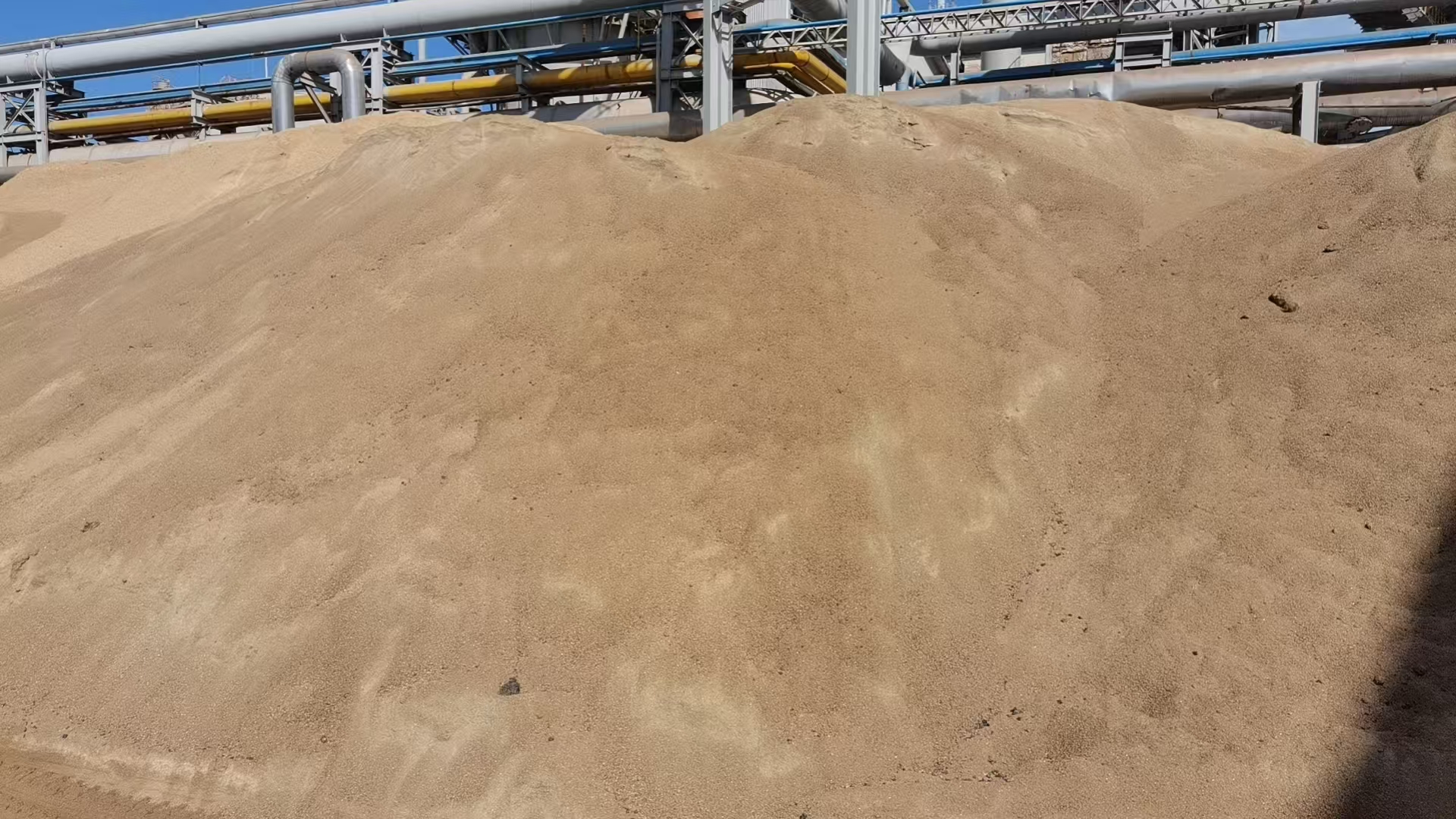
World Cement reported on 3 September 2026 that a Leadership Group for Industry Transition analysis had identified commercial-scale calcined clay kiln projects across every continent. The report said more than 72% of tracked projects were announced at commercial scale and 70% of those commercial projects were already operating. These figures come from the cited tracker and may change as projects advance, but they indicate that calcined clay is moving beyond a purely pilot-stage discussion.
1. A broader clinker-substitution portfolio
Calcined clay can replace a share of clinker when suitable clay, processing and cement formulation are available. The source estimated that operational and announced projects could support 26 million tonnes per year of lower-carbon cement capacity. Even under its blending assumption, however, that would remain below 1% of global cement output. The signal is meaningful but not a complete solution: producers may need a portfolio of qualified supplementary cementitious materials rather than dependence on one pathway.
2. Local geology and plant design shape availability
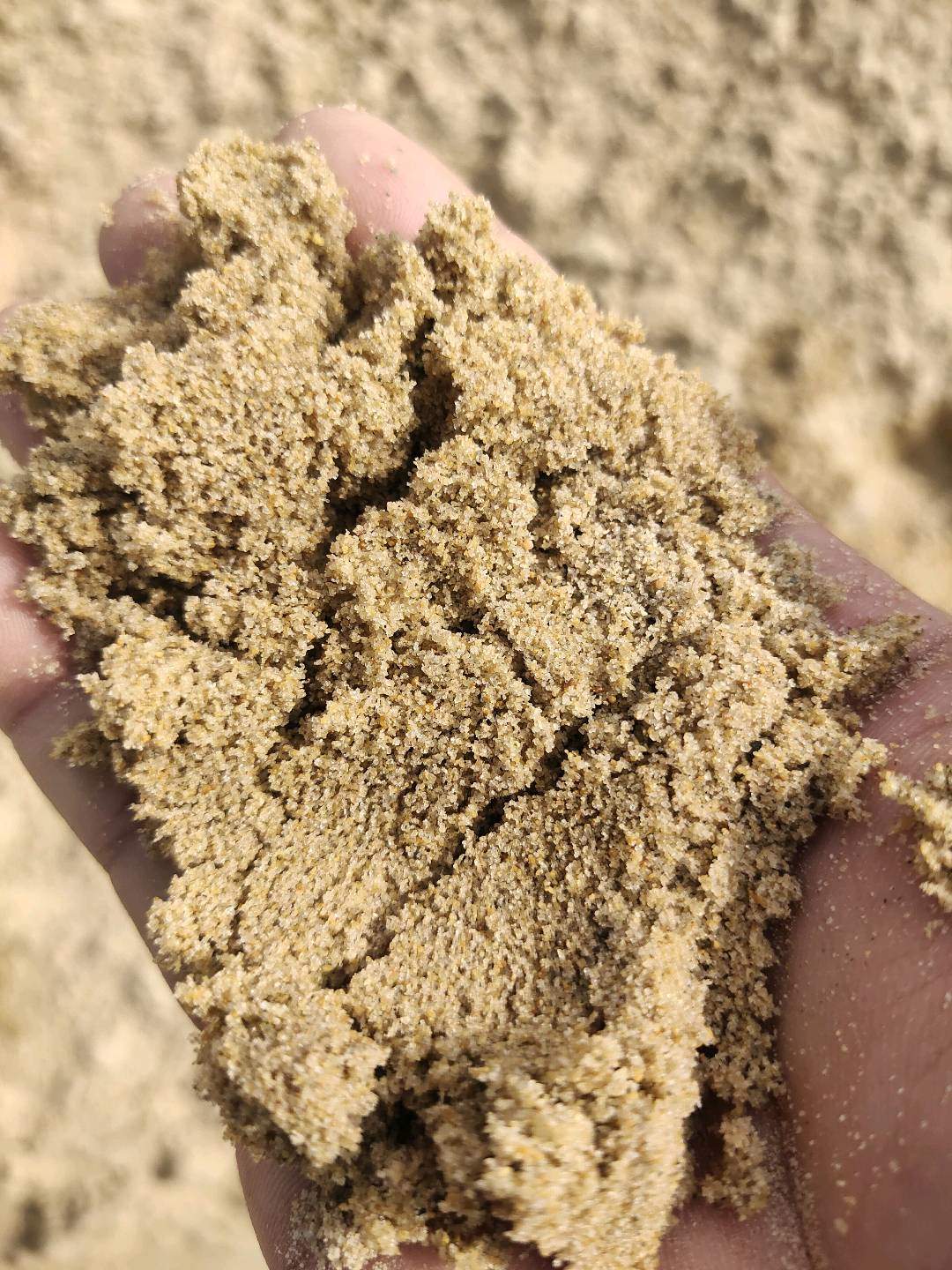
The report links much of the current activity to emerging markets where suitable kaolinitic clay may be available and future construction demand is expected to grow. Commercial relevance still depends on deposit quality, calcination technology, energy, grinding, standards and concrete performance. Procurement teams should treat every source as project-specific and verify chemistry, reactivity, fineness, compatibility and applicable specifications before scale-up.
3. Diversification increases the value of supply discipline
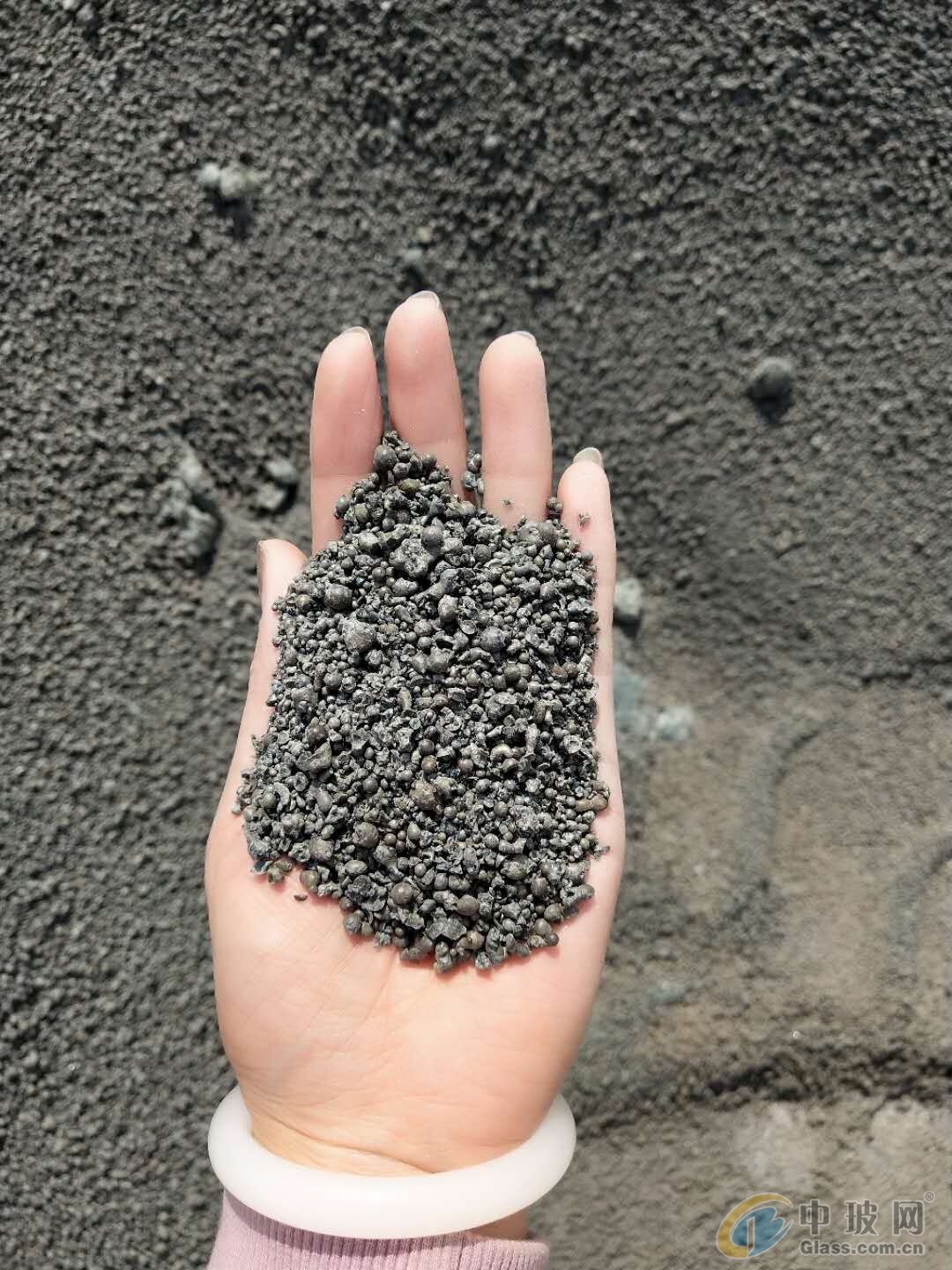
Growth in calcined clay does not remove the role of established materials such as GBFS and GGBFS. It reinforces a wider market shift toward diversified SCM portfolios and lower clinker factors. SENLAN works with GBFS, GGBFS, clinker and limestone supply from Tangshan, supported by export logistics coordination. Buyers still need to align material qualification, commercial volume, storage, inland delivery and port execution with the approved cement recipe.
Takeaway: Calcined clay is gaining commercial evidence as a clinker-substitution route, but its current global scale remains limited. Producers and importers should evaluate it alongside other qualified SCMs, with performance, availability and logistics assessed as one system. Source: World Cement, published 3 September 2026.
World Cement 于 2026 年 9 月 3 日报道,工业转型领导小组(LeadIT)的一项分析在各大洲都识别出商业规模的煅烧黏土窑项目。报道称,跟踪项目中超过 72% 按商业规模公布,其中 70% 的商业项目已经投运。这些数字来自该报道引用的追踪数据,可能随项目推进而变化,但它们表明煅烧黏土已不再只是试点阶段的话题。
1. 熟料替代组合正在扩大
在黏土适用、加工工艺和水泥配方匹配的条件下,煅烧黏土可以替代部分熟料。该来源估计,已投运和已公布项目可支持每年 2600 万吨低碳水泥产能。但即使采用其掺配假设,这一规模仍不足全球水泥产量的 1%。因此,这一信号具有实际意义,却并非完整答案;生产商可能需要建立由多种合格补充胶凝材料构成的组合。
2. 当地地质与工厂设计决定可用性
报道将当前相当一部分活动与新兴市场联系起来,这些地区可能具备合适的高岭石黏土资源,未来建设需求也有望增长。其商业价值仍取决于矿源质量、煅烧技术、能源、粉磨、标准和混凝土性能。采购团队应按具体项目评估每个来源,并在放量前核验化学组成、活性、细度、相容性和适用规范。
3. 多元化更凸显供应纪律
煅烧黏土增长并不会消除水渣(GBFS)和矿渣粉(GGBFS)等成熟材料的作用,反而说明市场正转向多元 SCM 组合和更低熟料系数。SENLAN 依托唐山开展水渣、矿渣粉、熟料和石灰石供应,并协调出口物流。买方仍需让材料认证、商业数量、仓储、内陆运输与港口执行匹配已经获批的水泥配方。
结论:煅烧黏土作为熟料替代路径正在积累商业化证据,但目前全球规模仍然有限。生产商和进口商应把它与其他合格 SCM 一并评估,并将性能、可得性与物流作为一个系统统筹考虑。来源:World Cement,发布于 2026 年 9 月 3 日。