2026-09-08
Karachi Port Traffic Highlights Clinker-Call Coordination
A recent Karachi Port activity report shows why clinker port logistics must account for berth sequencing, mixed traffic and cargo readiness.
卡拉奇港繁忙货流凸显熟料船靠港协同
卡拉奇港近期运营信息显示,熟料港口物流需要同时考虑泊位排序、混合货流与货物就绪程度。
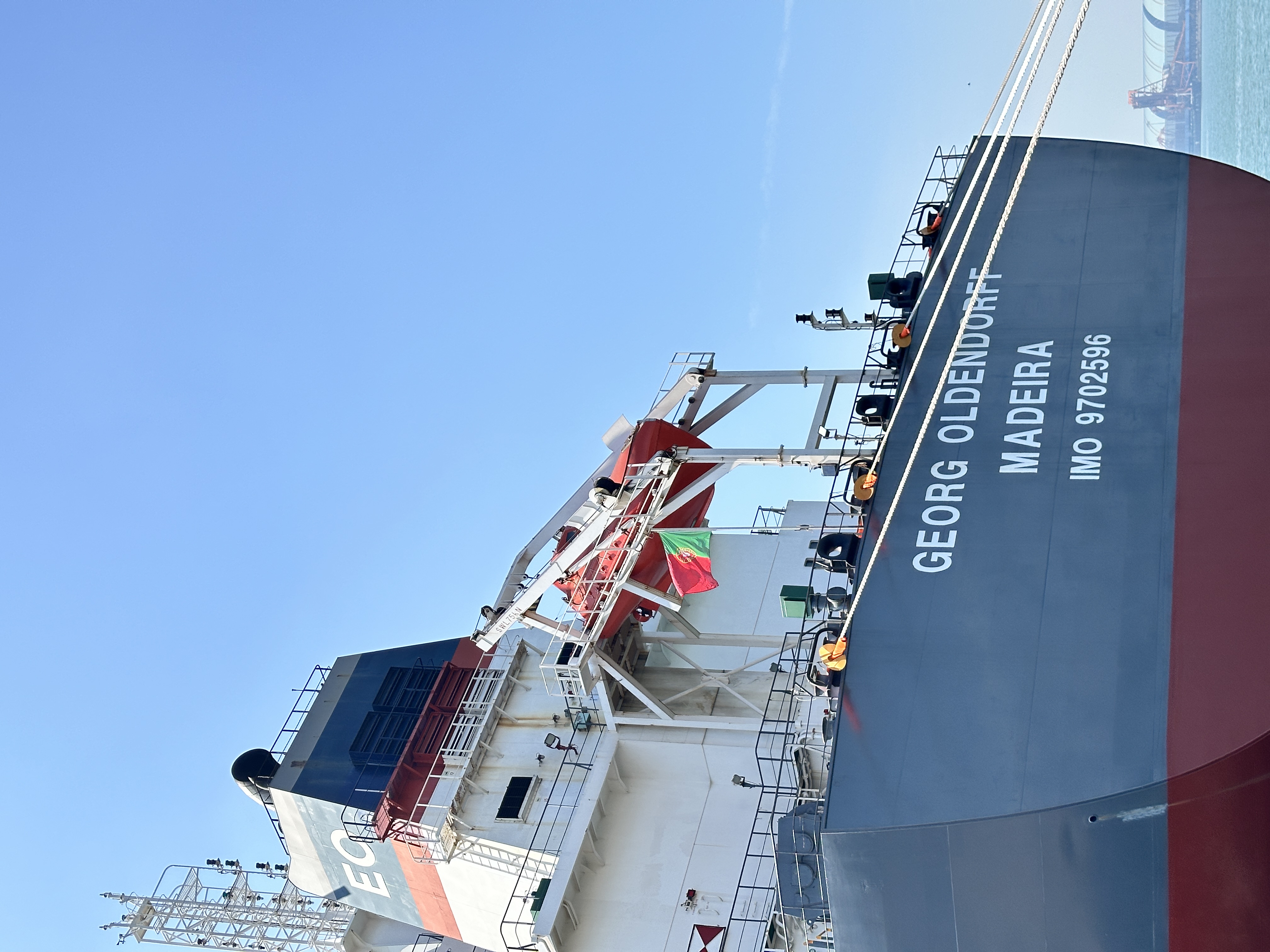
Business Recorder reported in its 5 September 2026 print edition that Karachi Port had handled 174,979 metric tons of cargo in the preceding 24 hours. It said 14 vessels berthed, four departed and 10 remained outside port limits. A clinker carrier was among vessels expected on 4 and 5 September. The snapshot does not establish a wider clinker-trade trend, but it provides a practical reminder that a clinker call must compete for operating space within mixed container, dry-bulk and liquid-bulk traffic.
1. Port throughput is not the same as cargo availability
A strong daily throughput figure indicates activity, yet it does not guarantee that a specific berth, handling team or storage area will be ready for the next clinker carrier. Traders should separate headline port volume from shipment-level facts: confirmed berth window, permissible draft, equipment availability, expected handling rate and inland receiving capacity.
2. Arrival lists still require operational confirmation
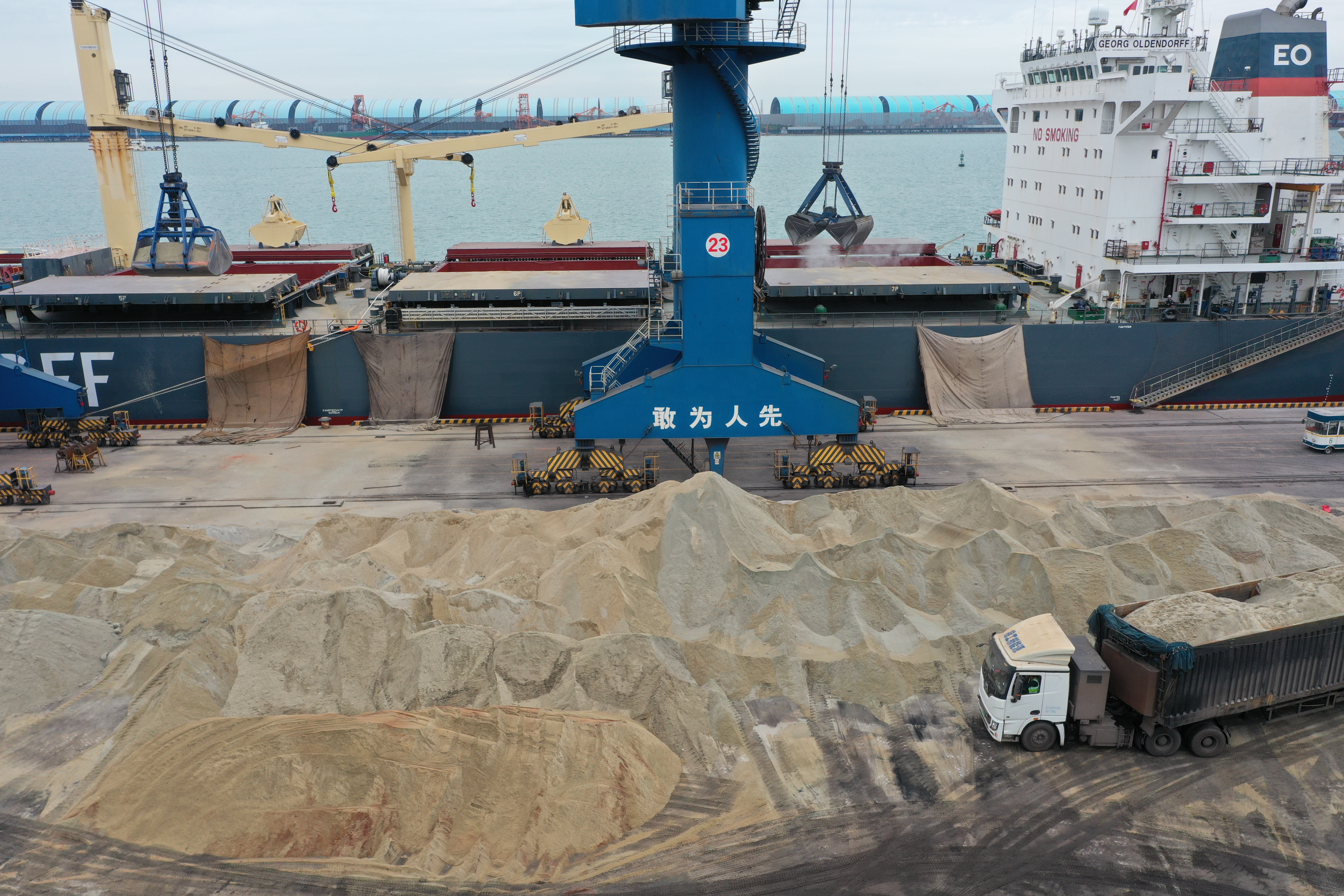
An expected-arrivals list is useful for visibility, but vessel timing may change with congestion, weather, pilotage, documentation or earlier berth delays. For cement clinker trade, counterparties should keep vessel nomination, laycan, notice procedures and fallback timing aligned. At discharge, grabs, hoppers, trucks and storage should also be confirmed before the vessel reaches the queue.
3. Cargo readiness reduces avoidable port risk
Clinker, GBFS and GGBFS each require shipment-specific preparation. Stock availability, quality segregation, sampling, documentation and inland delivery must support the agreed sequence. SENLAN coordinates cementitious-material supply from Tangshan and loading execution through Caofeidian Port, with bulk-vessel and jumbo-bag options subject to cargo requirements. Port conditions, vessel fit and timing still need confirmation for every shipment.
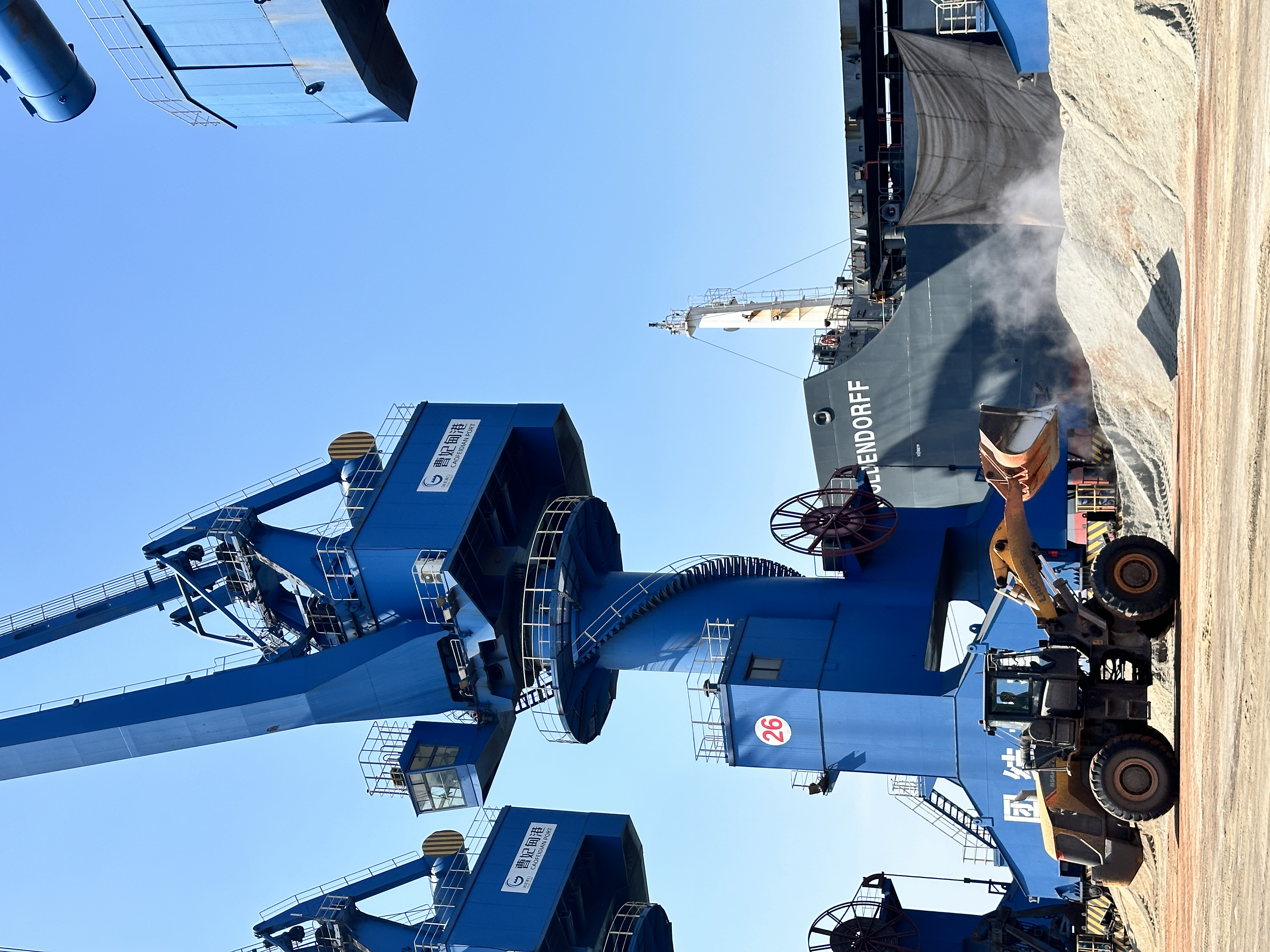
Takeaway: Karachi Port’s reported traffic shows why clinker port logistics should be managed at call level. Throughput data offers context; dependable execution comes from confirming berth sequence, handling resources, cargo readiness and contingencies together. Source: Business Recorder, print edition dated 5 September 2026.
Business Recorder 在 2026 年 9 月 5 日印刷版中报道称,卡拉奇港此前 24 小时完成货物吞吐量 174,979 吨。报道还称,14 艘船舶靠泊、4 艘离港,另有 10 艘在港界外等待;一艘熟料运输船列入 9 月 4 日和 5 日的预计到港船舶名单。这一快照不足以证明更广泛的熟料贸易趋势,但它提示市场:熟料船舶需要在集装箱、干散货与液体散货并行的货流中协调作业空间。
1. 港口吞吐量不等于具体货盘可用能力
较高的单日吞吐量说明港口活跃,但并不保证某一泊位、装卸班组或堆存区域能立即服务下一艘熟料船。贸易各方应把港口总体数据与单票货盘事实区分开来,重点确认泊位窗口、允许吃水、设备可用性、预计装卸效率以及内陆接运能力。
2. 预计到港名单仍需运营确认
预计到港名单有助于掌握船舶动态,但拥堵、天气、引航、单证或前序泊位延误都可能改变时间。对水泥熟料贸易而言,相关方需要让船舶指定、受载期、通知程序和备用时间保持一致。船舶进入等待队列前,还应确认卸港抓斗、料斗、车辆和仓储能力。
3. 货物就绪可减少可避免的港口风险
熟料、GBFS 与 GGBFS 都需要按具体货盘准备。库存、质量分区、取样、单证和内陆集运必须支持约定作业顺序。SENLAN 依托唐山协调胶凝材料供应,并通过曹妃甸港执行装运,可按货物要求采用散装船或吨袋方案;每票发运仍需确认实际港口条件、船型适配与时间安排。
结论:卡拉奇港披露的繁忙货流说明,熟料港口物流应落实到单次靠港管理。吞吐数据提供背景,而可靠执行来自对泊位顺序、装卸资源、货物就绪与备用方案的协同确认。来源:Business Recorder,印刷版日期为 2026 年 9 月 5 日。