2026-09-11
Low-Carbon Cement Scale-Up Raises the Execution Bar
A new full-scale low-carbon cement development plan shows that commercial progress depends on qualified materials, repeatable production and an integrated supply chain.
低碳水泥全规模项目抬高执行门槛
一项新的全规模低碳水泥项目开发计划表明,商业化进展取决于合格材料、稳定生产与一体化供应链。
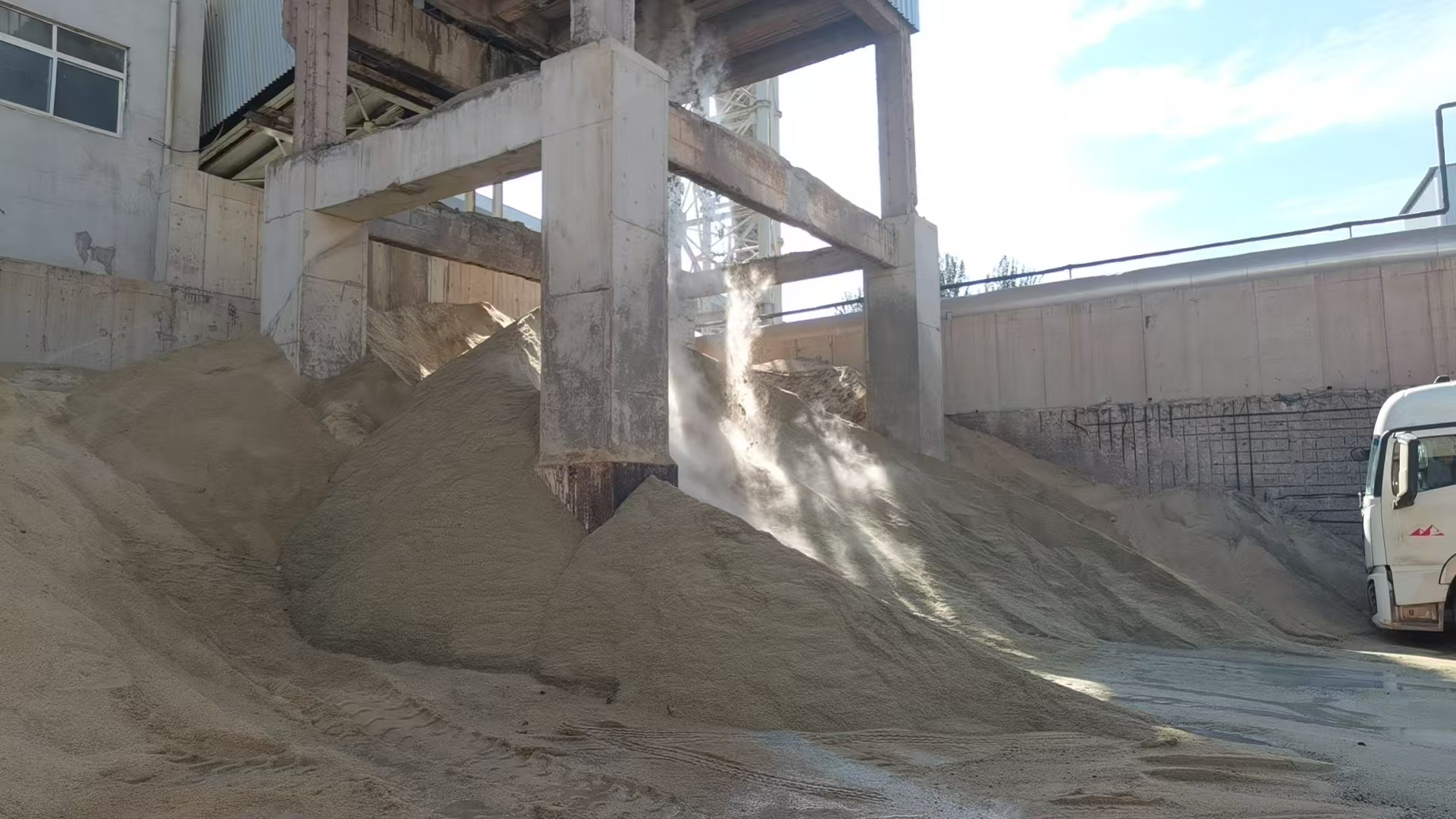
Fortera announced on 8 September 2026 that it had signed a development agreement with Mississippi Lime Company for what the companies describe as the first full-scale commercial plant for Fortera's ReAct cement technology. A development agreement is not the same as a commissioned plant, but the announcement is an important industry signal: alternative cement technologies are increasingly being assessed against commercial-scale execution rather than laboratory performance alone.
1. Scale changes the burden of proof
At pilot scale, a process can demonstrate technical feasibility. At commercial scale, it must also deliver stable output, repeatable specifications, acceptable operating cost and dependable uptime. Qualification therefore extends beyond a single test result. Producers and buyers need representative sampling, agreed test methods, defined acceptance limits and sufficient operating data to show that performance can be repeated.
2. New binders expand rather than simplify procurement
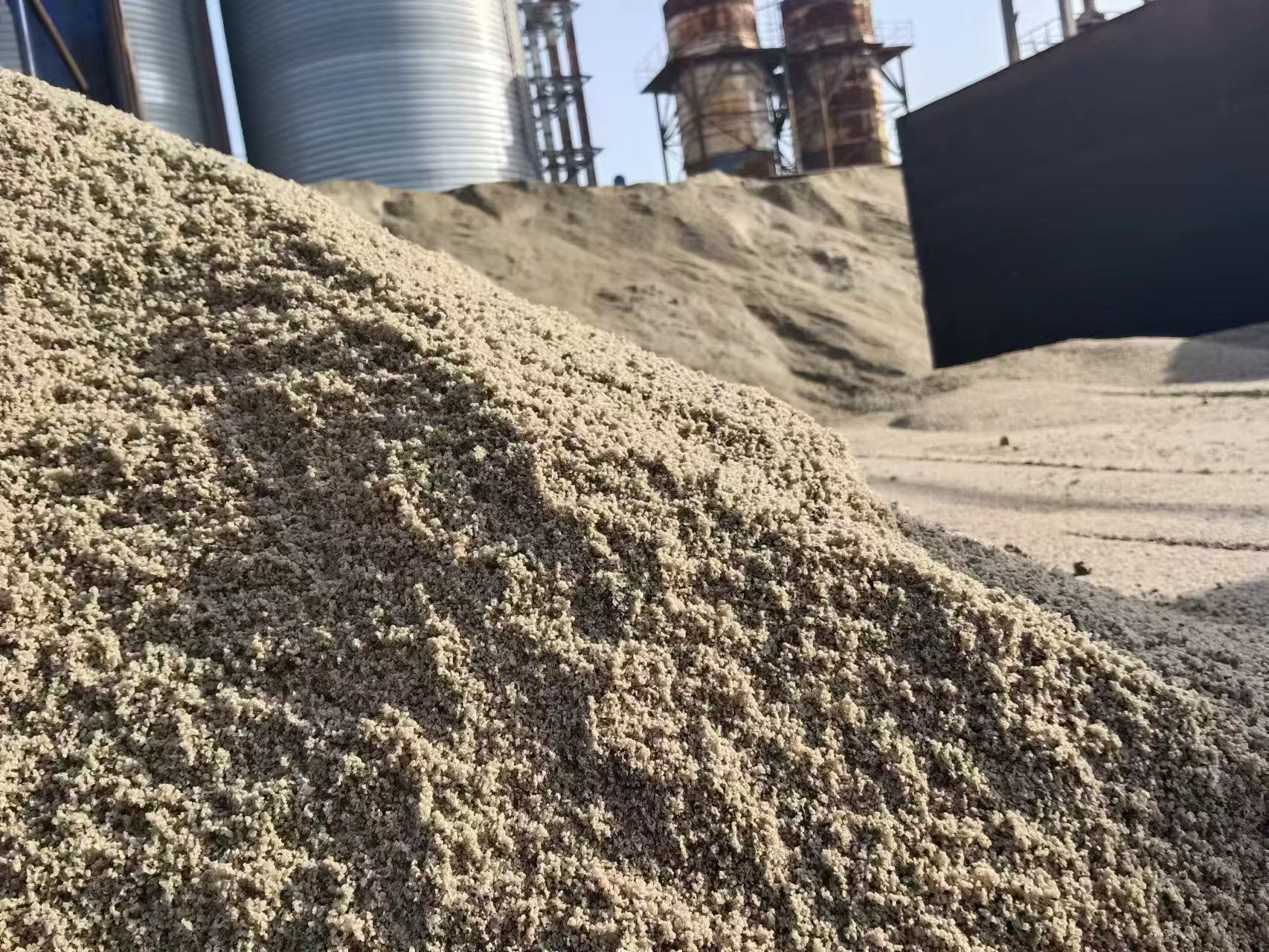
Low-carbon cement technologies can reduce dependence on conventional clinker, but each route brings its own feedstock, processing and compatibility requirements. This does not make established supplementary cementitious materials such as GBFS and GGBFS irrelevant. It strengthens the case for a diversified, qualified materials portfolio in which chemistry, reactivity, fineness, moisture and concrete performance are verified for the intended formulation.
3. The supply chain becomes part of the technology
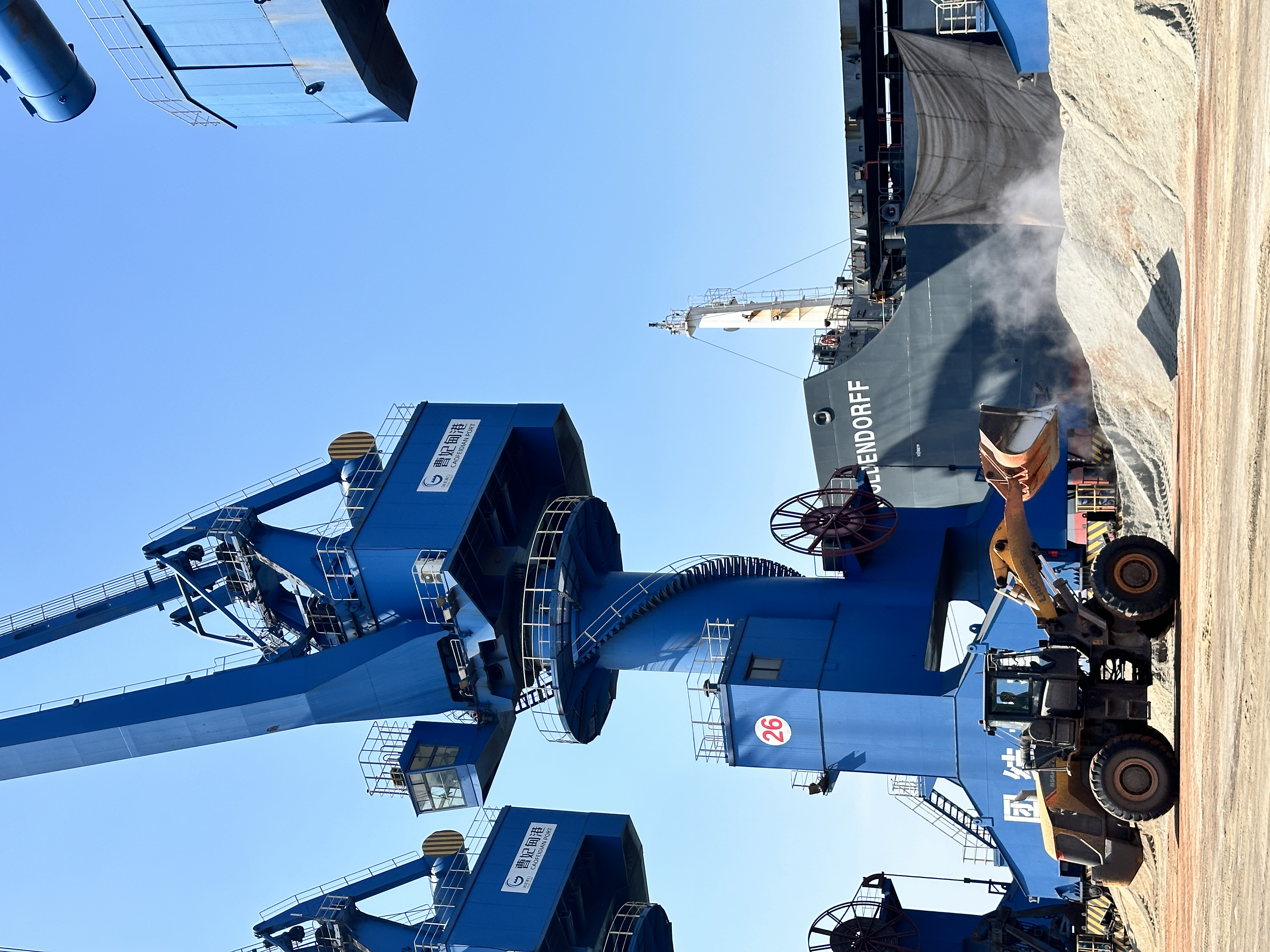
A full-scale plant needs more than process equipment. It needs predictable raw-material availability, storage separation, contamination control, transport capacity and delivery schedules aligned with production. For imported cementitious materials, vessel fit, loading readiness, port handling and documentation can determine whether approved material is actually available when the plant needs it. SENLAN coordinates GBFS and GGBFS supply from Tangshan and Caofeidian, with quality and shipment requirements defined for each project.
Takeaway: The Fortera-MLC agreement is a development milestone rather than proof of completed commercial operation. Its wider significance is the execution standard it represents: low-carbon cement must combine process performance, material qualification and reliable logistics before scale creates durable market value. Source: Fortera and MLC announcement, published 8 September 2026.
Fortera 于 2026 年 9 月 8 日宣布,已与 Mississippi Lime Company 签署开发协议,拟建设双方所称的首个采用 Fortera ReAct 水泥技术的全规模商业工厂。开发协议并不等同于工厂已经建成投产,但这一公告释放了重要行业信号:替代水泥技术正在越来越多地接受商业规模执行能力的检验,而不再只看实验室性能。
1. 规模化改变了验证标准
在试点规模,工艺可以证明技术可行;到了商业规模,还必须实现稳定产出、可重复指标、可接受的运行成本和可靠的开工率。因此,认证不能只依赖一份检测结果。生产商与买方需要采用有代表性的取样、约定检测方法、明确验收限值,并积累足够运行数据,证明性能能够持续复制。
2. 新型胶凝材料让采购更加多元,而非更简单
低碳水泥技术可以降低对传统熟料的依赖,但每条路线都有自己的原料、加工和相容性要求。这并不意味着水渣(GBFS)和矿渣粉(GGBFS)等成熟补充胶凝材料失去作用,反而强化了建立多元化合格材料组合的必要性。化学组成、活性、细度、水分和混凝土性能都应针对目标配方进行验证。
3. 供应链正在成为技术体系的一部分
全规模工厂需要的不只是工艺设备,还需要可预测的原料供应、分区储存、防污染控制、运输能力,以及与生产节奏一致的交付计划。对于进口胶凝材料,船型适配、装货准备、港口作业和单证执行,都会决定已经通过认证的材料能否按时到厂。SENLAN 依托唐山与曹妃甸协调 GBFS 和 GGBFS 供应,并按具体项目约定质量与发运要求。
结论:Fortera 与 MLC 的协议是项目开发里程碑,并不等同于商业工厂已经完成投产。它更广泛的意义在于所代表的执行标准:低碳水泥只有把工艺性能、材料认证与可靠物流结合起来,规模化才能形成持久的市场价值。来源:Fortera 与 MLC 公告,发布于 2026 年 9 月 8 日。