2026-09-15
Paradip Dry Bulk Expansion Raises Port-Execution Stakes
A planned 18 MMT addition at India's Paradip Port highlights the difference between nominal dry bulk capacity and dependable cargo throughput.
帕拉迪普干散货扩建提高港口执行要求
印度帕拉迪普港计划新增 1800 万吨干散货能力,凸显名义码头产能与可靠货物流量之间的差别。
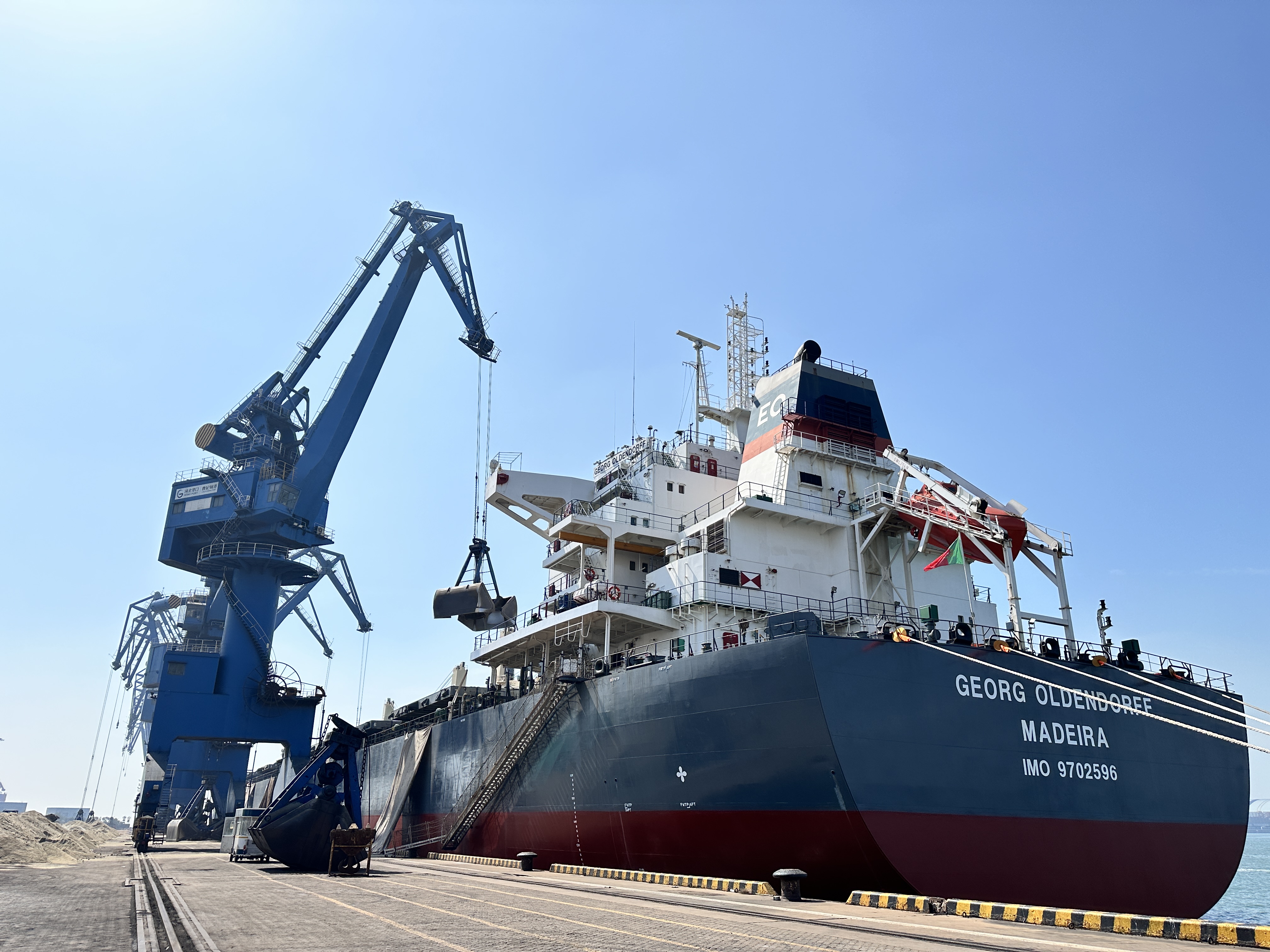
Adani Ports and Special Economic Zone announced on 9 September 2026 that it had emerged as the highest bidder and received a Letter of Award to develop and operate the CQ-I and CQ-II dry bulk berths at Paradip Port in Odisha. The company said the 30-year public-private partnership would add 18 million metric tonnes of mechanised capacity through a build-operate-transfer project. The facilities are planned with deep-draft berths, mechanised handling and large-scale storage.
1. Announced capacity is not yet operating throughput
The award is an important development milestone, but the project has not yet become operating capacity. Real throughput will depend on construction, commissioning, equipment reliability, vessel scheduling and shore-side evacuation. Procurement teams should therefore separate announced nameplate capacity from capacity that is available within a defined shipment window.
2. The entire cargo chain sets the usable limit
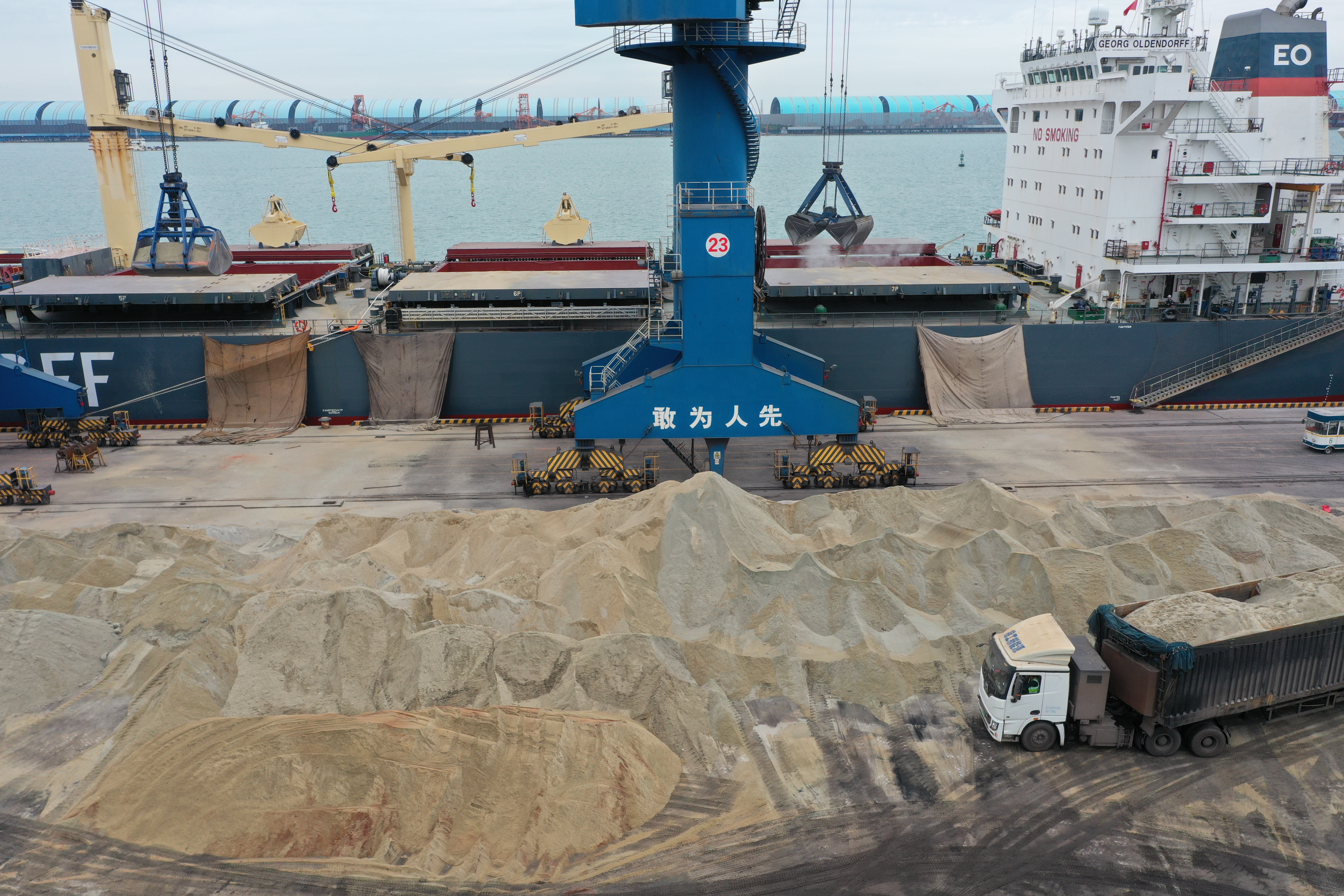
APSEZ identified coal, limestone and other dry bulk commodities as target cargoes for the new terminal. The announcement did not identify clinker, GBFS or GGBFS specifically. Even so, the execution lesson is relevant to cementitious materials: draft, loading or unloading performance, stockyard capacity, moisture control, truck or rail access and documentation must work as one system. A bottleneck in any link can reduce the value of a larger berth.
3. More infrastructure can widen routing options
Additional mechanised capacity on India's east coast may improve route flexibility for regional bulk flows once the project is completed and operating. It does not guarantee lower freight or faster turnaround for every cargo. Buyers should still test vessel fit, parcel size, laycan, storage availability and inland delivery against each port call. The same discipline applies when planning bulk GBFS or GGBFS shipments from qualified sources.
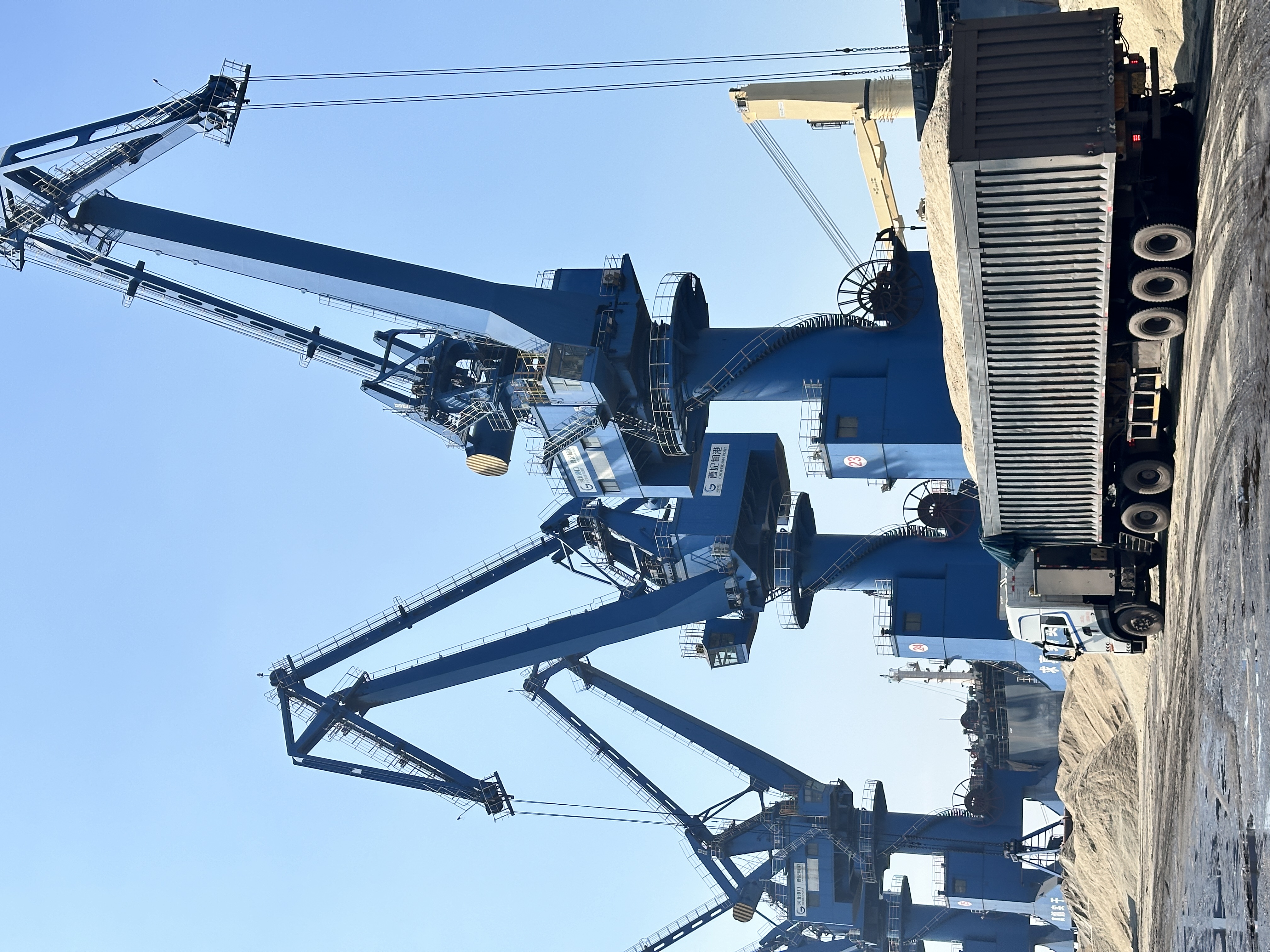
Takeaway: Paradip's planned expansion is a forward capacity signal, not evidence of completed throughput today. Its practical message is that dry bulk port capacity becomes commercially useful only when construction, mechanised handling, storage, vessel fit and hinterland transport are ready together. Source: APSEZ announcement, published 9 September 2026.
Adani Ports and Special Economic Zone 于 2026 年 9 月 9 日宣布,公司成为奥里萨邦帕拉迪普港 CQ-I 和 CQ-II 两个干散货泊位项目的最高报价方,并已收到中标函。公司称,该项目采用为期 30 年的公私合作和“建设—运营—移交”模式,计划新增 1800 万吨机械化处理能力,并配套深水泊位、机械化装卸系统和大型仓储设施。
1. 公布的产能不等于已投运吞吐量
获得项目是重要的开发里程碑,但相关设施尚未形成运营产能。实际吞吐量仍取决于建设、调试、设备可靠性、船期安排和港后疏运。因此,采购团队应把公布的名义产能,与特定发运窗口内真正可用的能力区分开来。
2. 整条货物流转链决定可用上限
APSEZ 将煤炭、石灰石及其他干散货列为新码头的目标货种,公告并未明确提及熟料、GBFS 或 GGBFS。尽管如此,其执行逻辑同样适用于胶凝材料:吃水、装卸设备效率、堆场容量、防潮管理、公路或铁路接驳以及单证必须作为一个系统协同。任何一个环节形成瓶颈,都可能削弱大型泊位的价值。
3. 新基础设施可能拓宽路线选择
项目完工并投运后,印度东海岸新增机械化能力可能提高区域散货流向的灵活性,但并不保证每一票货都能获得更低运费或更快周转。买方仍需针对每次靠港核验船型适配、货批规模、laycan、仓储条件和内陆交付。规划合格来源的散装粒化高炉矿渣(GBFS)或矿渣粉(GGBFS)时,也需要同样的执行纪律。
结论:帕拉迪普港扩建计划是面向未来的产能信号,并不代表当前已经形成相应吞吐量。其实际启示是:只有建设、机械化装卸、仓储、船型适配和港后运输同步就绪,干散货港口产能才具有商业价值。来源:APSEZ 公告,发布于 2026 年 9 月 9 日。