China's Coal Demand Is Rebuilding a Panamax Freight Floor. Why Cement and Clinker Exporters Should Notice
Fresh dry bulk signals suggest freight is not softening evenly. Coal-led demand is still supporting the Panamax segment, which means the export window for cementitious bulk cargoes may stay narrower and more execution-sensitive than sellers expect.
中国煤炭需求正在重建 Panamax 运价底部:为什么水泥与熟料出口商该留意
最新干散货信号说明,运费并不是“全面走软”。煤炭货流仍在支撑 Panamax 船型,这意味着胶凝材料散货出口的运费窗口,可能比卖方想象中更窄,也更依赖执行细节。
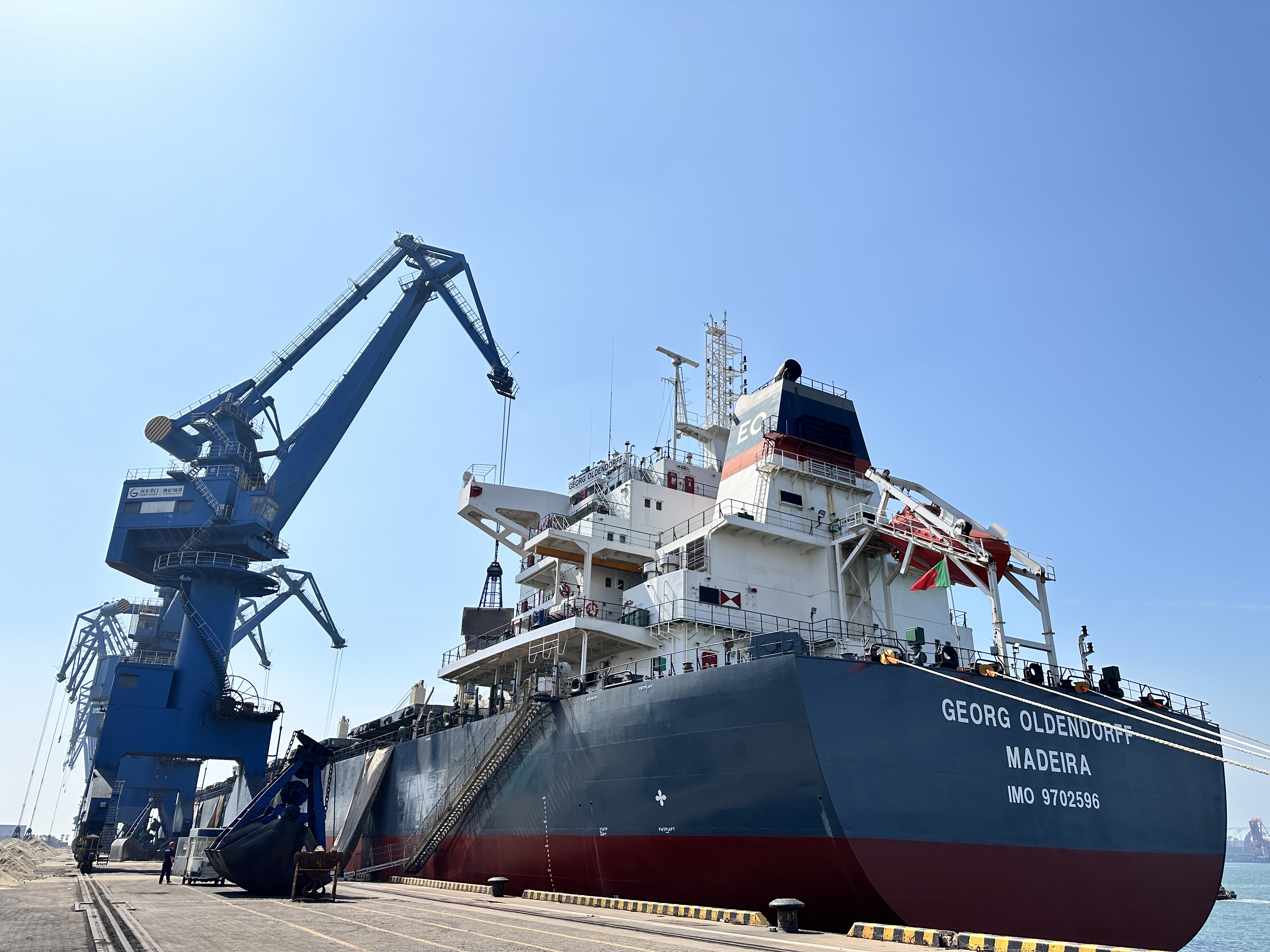
A useful freight signal this week came from coal rather than cement. Recent market reporting noted that global coal shipments in June rose around 14% year on year, with Chinese demand playing a major role. The same reporting highlighted that coal represented roughly half of Panamax tonne-mile demand in June and helped strengthen freight rates for that segment. Read together with continued dry bulk fleet investment, the message is straightforward: the middle of the freight market still has support, even if broader sentiment sometimes sounds softer.
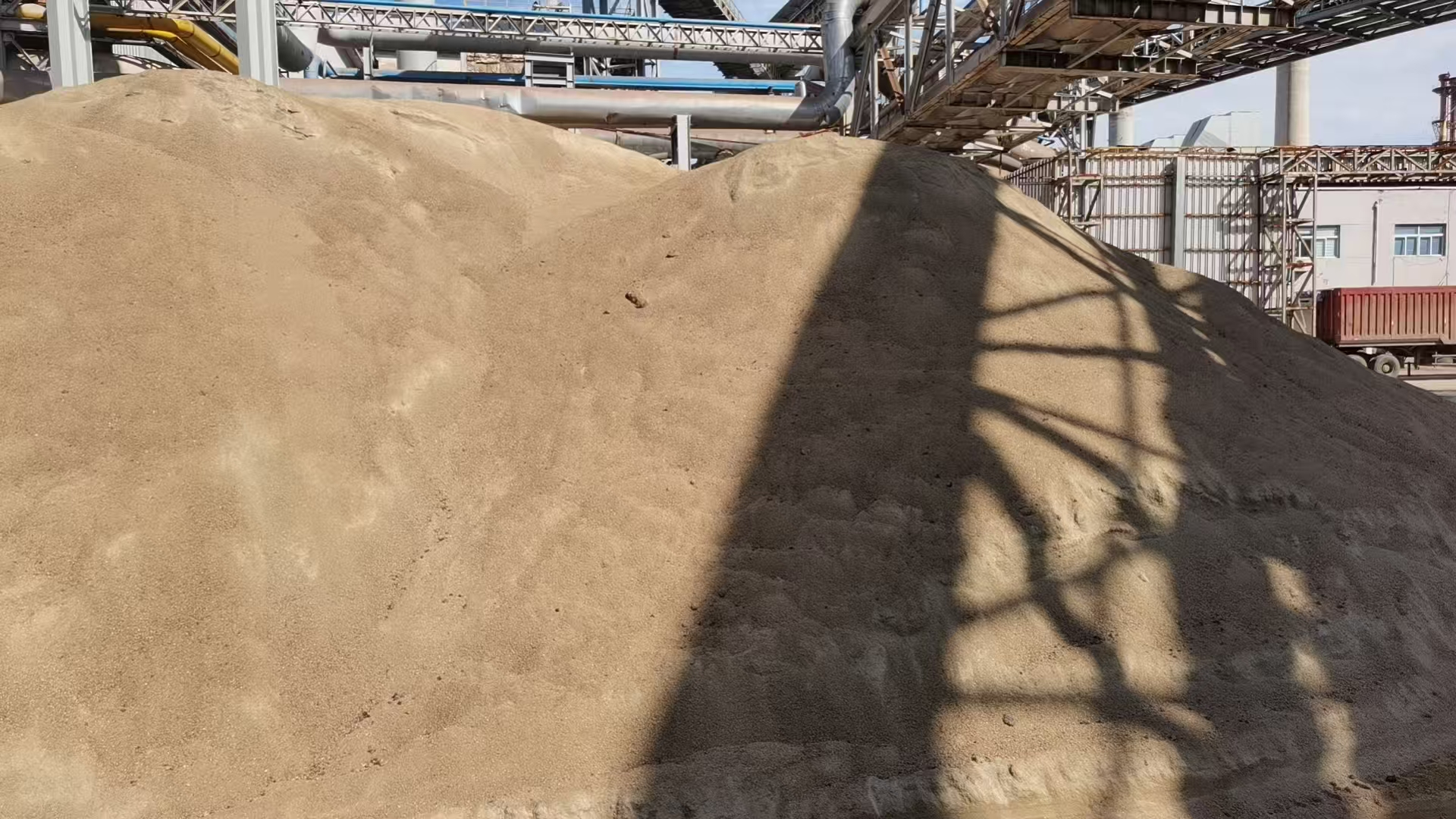
1. Freight is not softening evenly across cargo types and vessel classes
For cementitious exporters, that matters because freight decisions are rarely made against a generic market average. They are made against the vessel class actually available for the parcel, the voyage pattern and the competitive demand sitting on the same ships. If coal keeps Panamax demand firm, then exporters moving clinker, cement, GBFS or similar bulk cargoes may still face a real freight floor in the very segment many trades depend on.
This does not mean freight will suddenly spike everywhere. It means the practical room for negotiation may stay narrow. Sellers who build their commercial assumptions around “shipping should be easier now” can still get caught if coal cargoes absorb vessel attention at the wrong moment.
2. Cement and clinker exporters may need better parcel timing, not just better price talk
When the freight window is narrow, small operational differences start to matter more. Clean laycan discipline, faster cargo assembly, realistic parcel sizing and clearer discharge planning can make a material difference to freight outcomes. A cargo that is operationally easy to place is more attractive than one that looks good on paper but creates uncertainty around readiness or turnaround.
That is especially true for lower-value-per-ton materials. In cement, clinker and slag-related trades, a small freight disadvantage can quickly erase part of the commercial edge. So the answer is not only to negotiate harder. It is also to make the cargo easier for the market to say yes to.
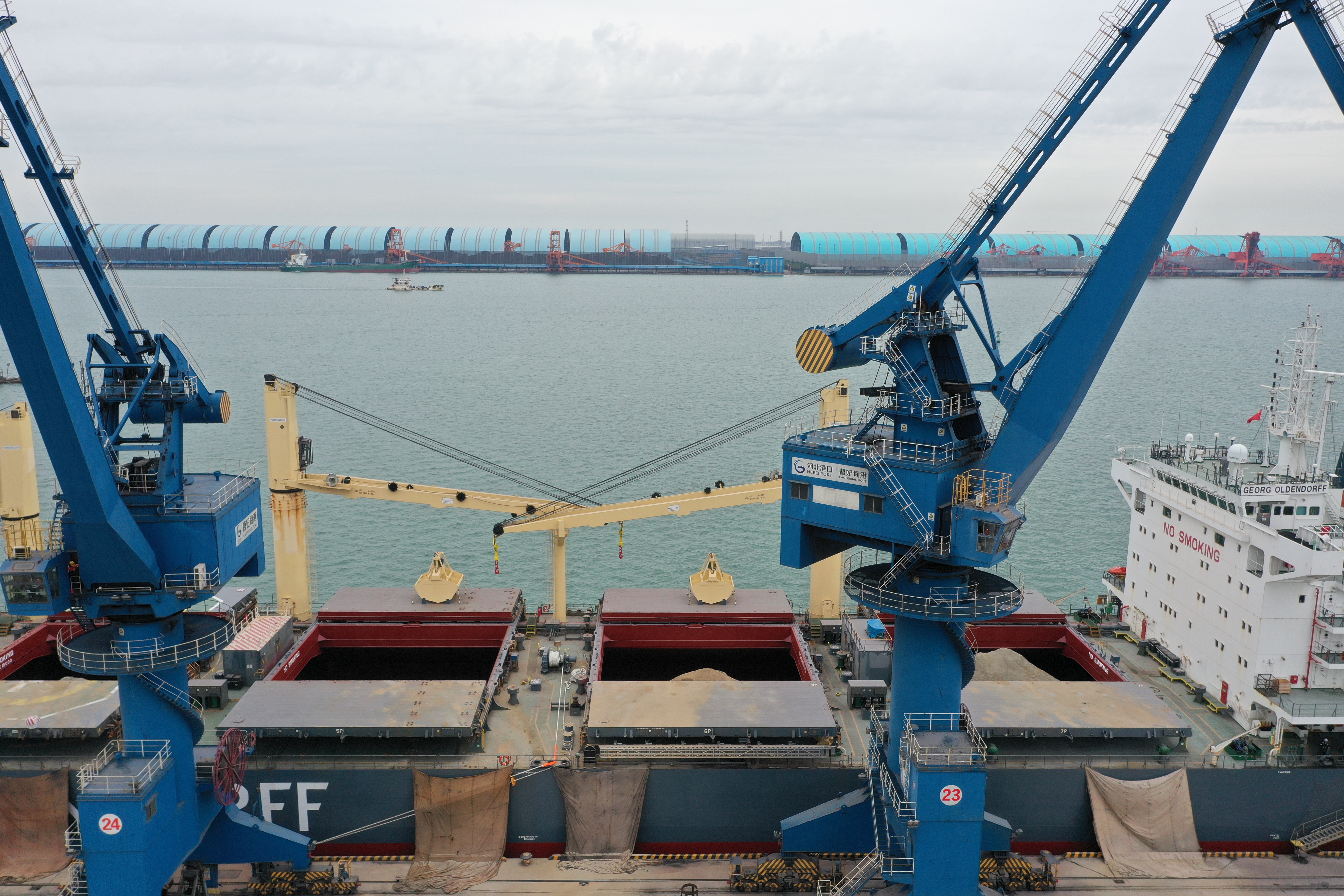
3. The exporters with execution discipline should be better placed
The bigger trade takeaway is that freight resilience in one major cargo stream can spill into adjacent bulk-material decisions. Exporters who maintain stockyard discipline, document readiness and credible loading schedules are better placed to protect margins when vessel competition tightens. In contrast, suppliers that rely only on nominal volume or optimistic freight assumptions may find the market less forgiving.
Takeaway: China-linked coal demand is a reminder that dry bulk freight still has pockets of strength. For sellers of cement, clinker, GBFS and GGBFS, the safer approach is to treat freight as an execution variable, not a background assumption.
本周一个值得留意的运费信号,其实来自煤炭,而不是水泥。最新市场报道提到,2026 年 6 月全球煤炭发运量同比上升约 14%,其中中国需求是重要推动因素。同一组信息还指出,煤炭在 6 月大约占据了 Panamax 吨海里需求的一半,并对该船型运价形成了支撑。再结合近期船东对干散货船队的持续投资,这条信号很直接:即便市场舆论有时显得偏软,运费市场中段依然并不缺支撑。
1. 运费并不是对所有货种、所有船型都在同步走软
这对胶凝材料出口商很重要,因为真实的运费决策,几乎从来不是按“市场平均值”做出来的,而是按具体可用船型、具体航次结构,以及同一批船舶上正在争抢仓位的其他货种来决定的。如果煤炭继续支撑 Panamax 需求,那么依赖这一船型区间发运熟料、水泥、GBFS 或类似散货的出口商,仍然可能面对一个真实存在的运价底部。
这并不意味着运费会立刻全面大涨,而是说可谈判空间可能仍然偏窄。若卖方把商业判断建立在“现在运费应该更容易”这种泛化预期上,就可能在煤炭货盘突然吸走船东注意力时被打个措手不及。
2. 水泥与熟料出口商需要的,可能不只是更会谈价,而是更会安排货盘时点
当运费窗口变窄时,一些看似细小的执行差异就会变得更重要。更干净的 laycan 管理、更快的集货节奏、更现实的货盘规模,以及更清楚的卸港安排,都会对最终拿到的运费条件产生实际影响。一个操作上更容易落地的货盘,往往比一个纸面报价看起来漂亮、但准备度不确定的货盘更受欢迎。
这一点对吨值相对不高的货物尤其关键。对水泥、熟料和矿渣相关贸易来说,一点点运费劣势,就足以吃掉相当一部分商业边际。所以答案不只是“更努力谈价”,而是让货物本身更容易被市场接受。
3. 更有执行纪律的出口商,位置会更稳
更大的贸易结论是:一种主力货种的运费韧性,完全可能外溢到相邻的大宗建材决策。那些能把堆场纪律、单证准备和装船时间表做扎实的出口商,在船舶竞争变紧时,更有机会守住利润。相反,只依赖“手里有量”或对运费过度乐观的卖方,未来会发现市场容错率并没有那么高。
结论:中国相关煤炭需求的这波支撑,提醒我们干散货市场仍有强势区间。对水泥、熟料、GBFS 与 GGBFS 卖方来说,更稳妥的做法,是把运费当成一个需要主动管理的执行变量,而不是默认存在的背景条件。
Explore products or discuss your inquiry.
If this freight signal matters to your sourcing plan, you can review our product pages or contact us with quantity, target specification, loading method and discharge requirements.
Request a quote