Why the UK's Push for Domestic Cement Materials Matters Beyond One Market
A fresh UK industry call to back British-made materials suggests that cement trade is being shaped not only by supply and freight, but also by energy costs, carbon pricing and procurement policy.
英国呼吁优先本土水泥建材,为何不只是一个单一市场的信号
英国行业近期呼吁优先使用本土建材,这说明水泥贸易的竞争逻辑,正在不只是由供需和运费决定,也越来越受到能源成本、碳价与采购政策的影响。
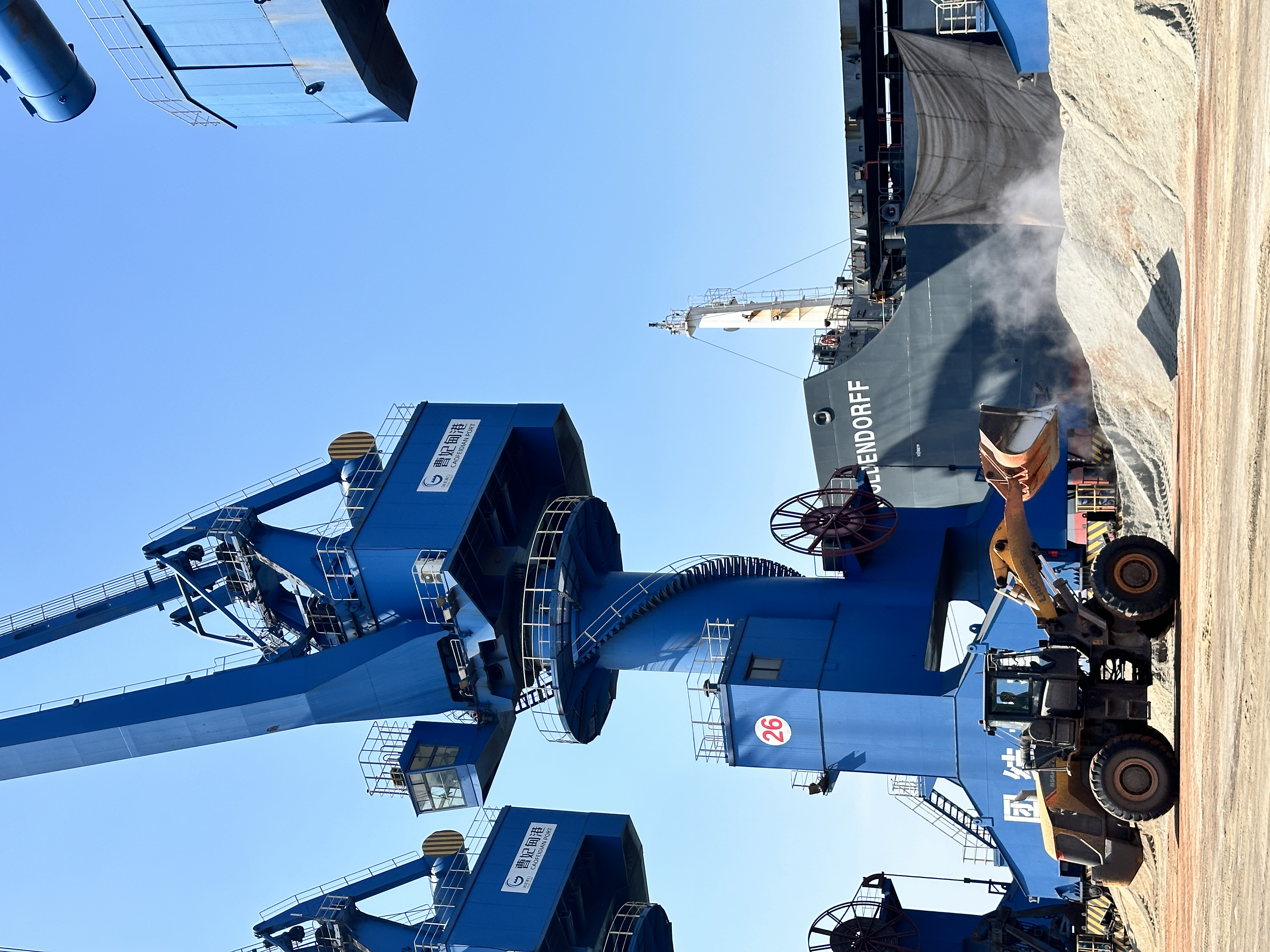
A useful late-week signal came from the UK, where the cement industry urged government to support British-made materials in public construction, arguing that domestic producers are under pressure from high energy costs and carbon pricing. Even without turning this into a political story, the trade meaning is clear: in cement and related materials, delivered competitiveness is increasingly being shaped by policy-linked costs as much as by plant output or freight timing.
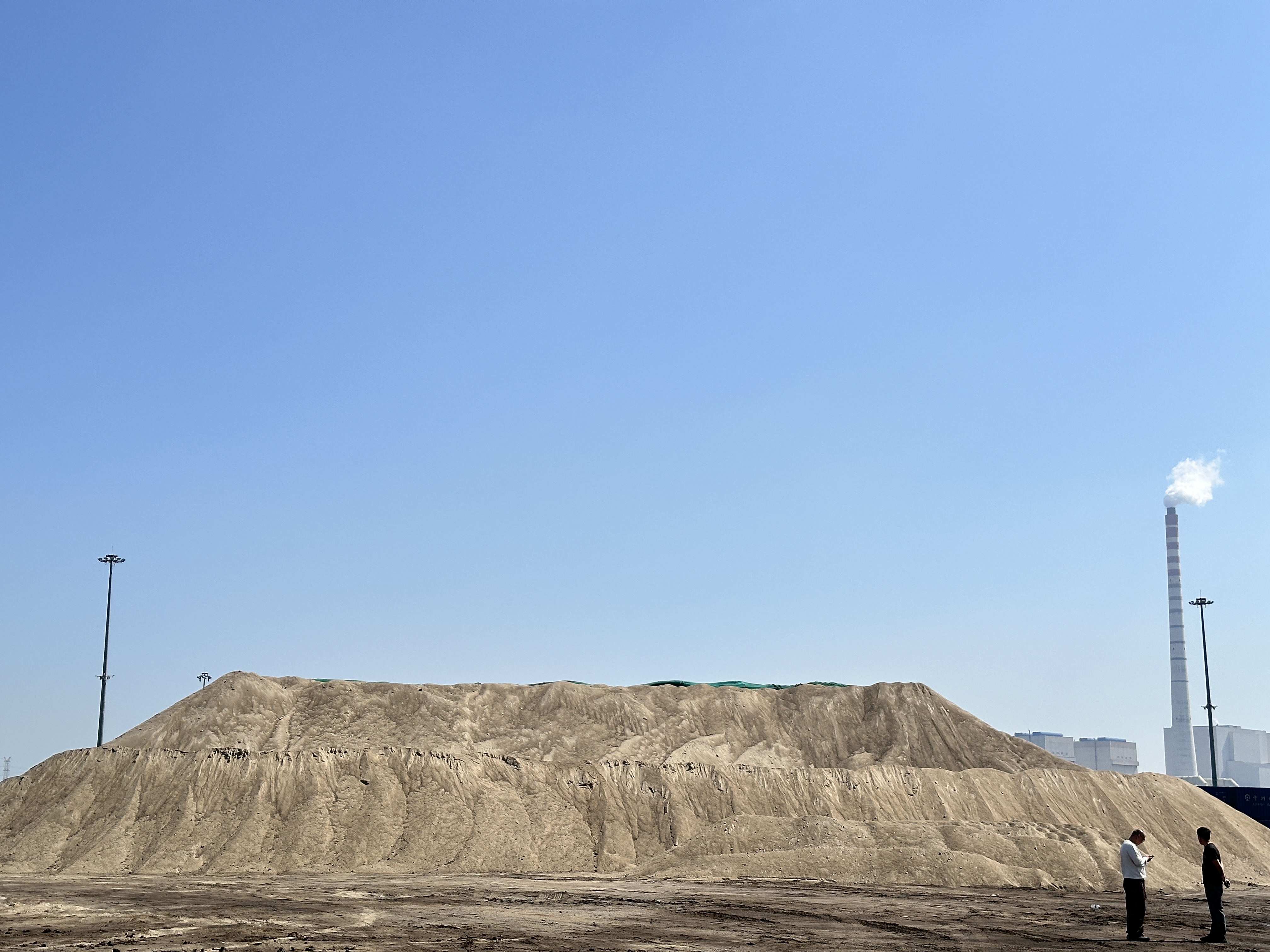
1. This is a cost-pressure signal before it is a trade barrier signal
The immediate message is that domestic cement producers in the UK feel squeezed by the local cost base. High energy costs and carbon pricing change how viable local production feels against outside supply. That does not automatically close markets. But it does mean that buyers, policymakers and producers are now comparing materials through a wider lens: not just ex-works price, but also carbon burden, industrial resilience and public-procurement optics.
For exporters, that matters because some demand centers may become harder to win through price alone. Once carbon-sensitive costs start influencing policy language, market access becomes more conditional and more strategic.
2. Lower-clinker and SCM logic becomes more commercially useful in this environment
When a market becomes more sensitive to domestic energy pressure and carbon exposure, lower-clinker strategies gain another layer of value. Supplementary cementitious materials are no longer only a technical blend choice. They can also become part of how buyers manage compliance narratives, embodied-carbon targets and procurement scrutiny. In practical terms, dependable GBFS, GGBFS and other usable SCM streams become more relevant when the market wants both performance and a cleaner carbon position.
That does not mean every market will suddenly switch suppliers. It means the suppliers with bankable SCM execution, stable quality records and clear shipment discipline may look stronger than those offering only generic commodity volume.
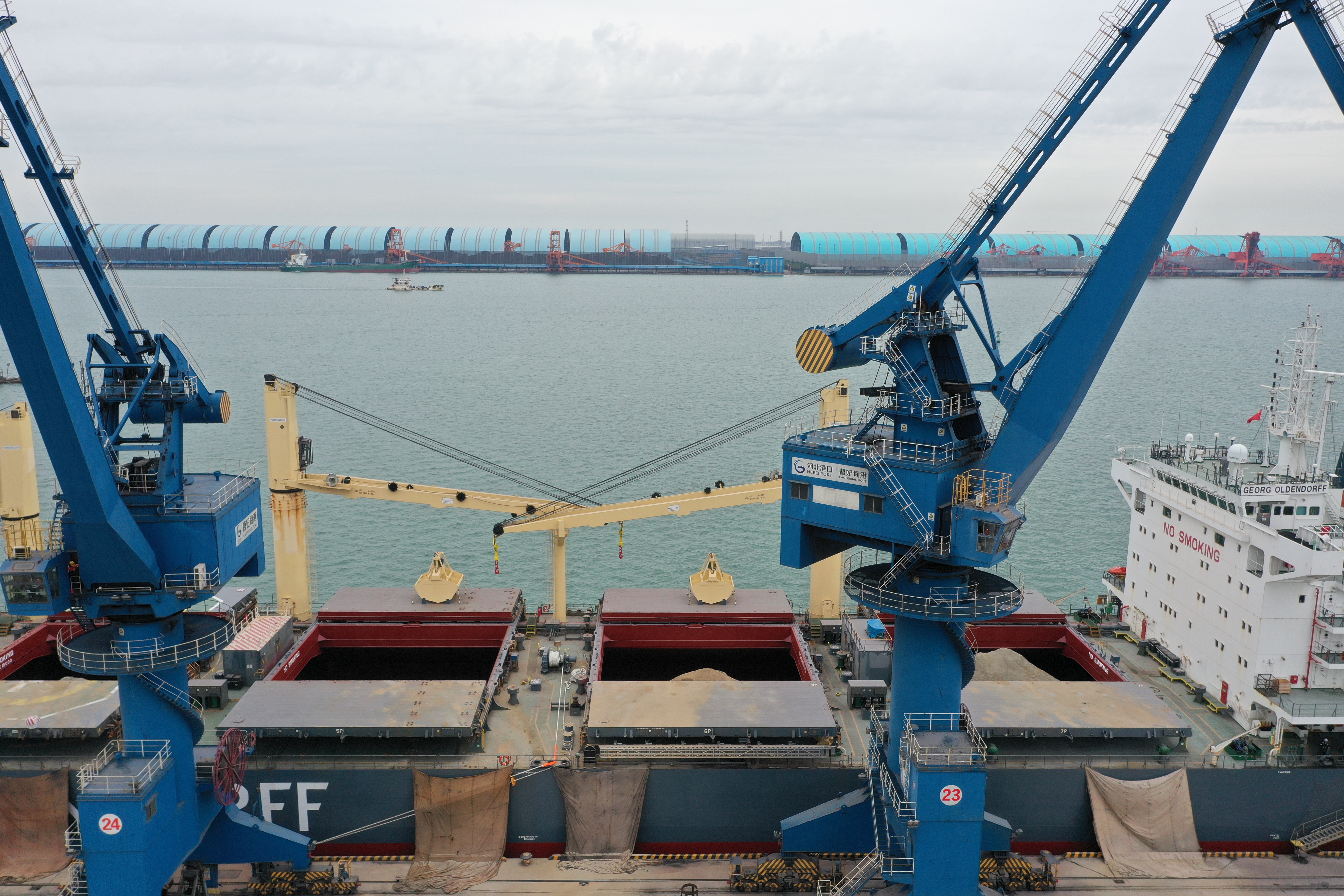
3. The bigger lesson for trade is that market access is becoming more policy-shaped
The broader takeaway is simple. Cement trade is still a logistics business, but it is increasingly also a policy-shaped business. Exporters need to watch not only demand, vessel availability and port readiness, but also whether a destination market is moving toward local-preference language, carbon-cost protection or procurement filters that favor traceable lower-carbon supply.
Takeaway: the UK signal matters beyond Britain because it shows how cost pressure can evolve into a market-access discussion. For cement, clinker and SCM suppliers, the safer long-term position is not just more volume. It is cleaner execution, stronger documentation and a more credible lower-clinker supply story.
本周后段,一个值得关注的信号来自英国:当地水泥行业呼吁政府在公共建设中更多支持英国本土建材,理由是本土生产商正承受较高的能源成本与碳价压力。即便不把它解读成政治话题,这件事在贸易层面的含义已经很清楚:在水泥及相关建材里,最终竞争力越来越不只是由工厂产量或海运节奏决定,也越来越受政策相关成本影响。
1. 这首先是一个“成本挤压”信号,其次才是“贸易壁垒”信号
这件事最直接传递的信息是:英国本土水泥生产商感受到了本地成本体系的挤压。能源贵、碳价高,会改变本地生产相对于外部供应的可承受性。这并不自动意味着市场关闭,但它说明买方、政策制定者和生产商正在用更广的视角比较材料:不只是出厂价,还包括碳负担、工业韧性以及公共采购层面的可解释性。
对出口商来说,这很重要,因为有些需求市场未来可能不再只靠价格就能拿下。当与碳成本相关的压力开始进入政策语言,市场准入就会变得更有条件,也更讲策略。
2. 在这种环境下,低熟料和 SCM 逻辑会变得更有商业价值
当一个市场对本土能源压力与碳暴露更敏感时,低熟料路径的价值就会再上一个台阶。掺合料不再只是配方上的技术选择,也可能成为买方管理合规叙事、隐含碳目标与采购审视的一部分。很实际地说,当市场同时想要性能和更干净的碳表现时,稳定可用的 GBFS、GGBFS 以及其他 SCM 货源,会更有存在感。
这并不意味着所有市场都会立刻换供应商,而是说:那些能够把 SCM 执行做得可成交、把质量记录做稳、把发运纪律做清楚的供应方,会比只提供泛化大宗吨位的卖家更有优势。
3. 对贸易更大的启发是:市场准入正在越来越受政策塑形
更大的结论其实很直接:水泥贸易依然是物流生意,但也越来越像一门被政策塑形的生意。出口商除了看需求、船期和港口准备度之外,还要看目的地市场是否正在走向“本土优先”的采购语言,是否在通过碳成本保护本地生产,或者是否开始用更偏向可追溯低碳供货的采购筛选条件。
结论:英国这条信号之所以值得在更大范围内看,不是因为英国本身,而是因为它说明成本压力可以逐步演变成市场准入讨论。对水泥、熟料和 SCM 供应方来说,更稳妥的长期位置不只是多卖吨位,而是把执行做干净、把单证做扎实,并建立更可信的低熟料供货叙事。
Explore products or discuss your inquiry.
If this policy-and-cost signal is relevant to your sourcing plan, you can review our product pages or contact us with quantity, target specification, loading method and discharge requirements.
Request a quote