Low-Carbon Cement Is Becoming a Lower-Clinker and SCM-Execution Business
Signals from Cemtech Asia 2026 and wider market commentary suggest the real low-carbon shift is not one magic product. It is the ability to cut clinker, use supplementary materials intelligently and deliver that blend with dependable industrial execution.
低碳水泥正在变成一门“低熟料系数 + SCM执行力”的生意
从 Cemtech Asia 2026 到近期行业讨论,一个越来越清楚的信号是:真正的低碳转型,并不靠某一个“神奇新产品”,而是靠更低的熟料系数、更聪明的 SCM 使用方式,以及把这种配方稳定交付出去的工业执行力。
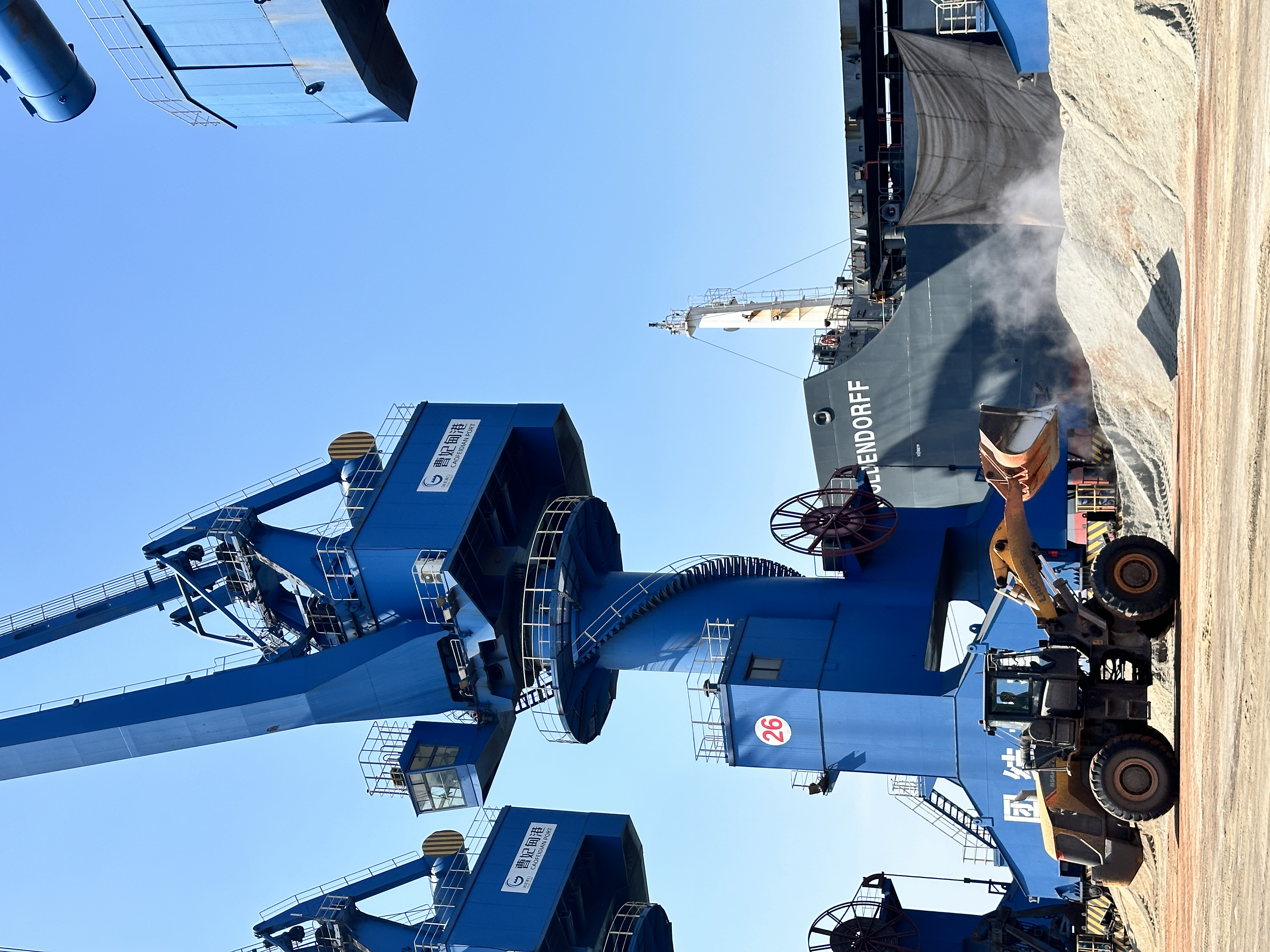
Late-June industry coverage points in the same direction from two different angles. At Cemtech Asia 2026, SCG highlighted low-carbon cement innovations as part of its net-zero pathway. Around the same time, broader market commentary argued that cement's future is less Portland rather than one single breakthrough material. Put together, those signals suggest the low-carbon race is moving from concept-heavy messaging to a more practical question: who can reduce clinker use and still supply a bankable product at scale?
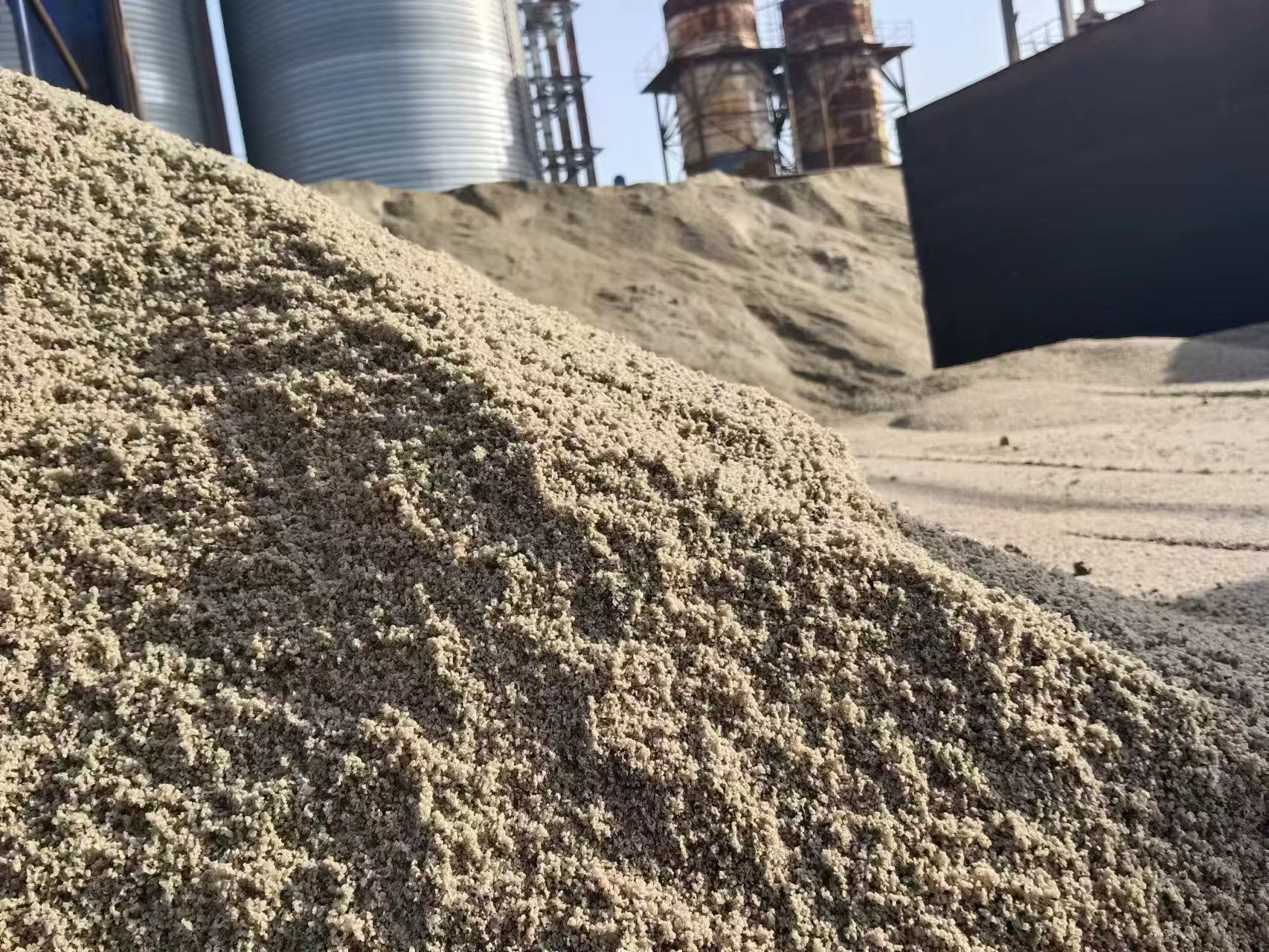
1. The market is rewarding lower clinker factors, not just louder decarbonization headlines
That matters because it changes what buyers and producers actually optimize for. If the commercial objective is lower embodied carbon with usable performance, then the practical levers are familiar: clinker substitution, blend design, quality control and material consistency. This does not make innovation irrelevant. It makes execution more important. A low-carbon story becomes commercially meaningful only when it survives plant reality, specification needs and shipment discipline.
For suppliers connected to slag and other supplementary materials, this is a constructive signal. Mature SCM streams like GBFS and GGBFS remain highly relevant because they fit directly into the lower-clinker equation. Buyers do not need every project to wait for a revolutionary chemistry. Many just need reliable ways to reduce clinker use now.
2. SCM supply quality is becoming part of the low-carbon product itself
Once the conversation shifts from breakthrough talk to lower-clinker deployment, supplementary materials move from side note to core requirement. That raises the standard for SCM supply chains. Availability, fineness control, stockyard discipline, moisture management, testing records and shipment timing all start influencing the commercial value of the final cement offer. In other words, low-carbon cement is not only a formula problem. It is also a procurement and logistics problem.
This is especially important for export markets. A buyer may accept the logic of lower-clinker cement in principle, but still choose the supplier who can document origin, stabilize quality and keep deliveries predictable. That makes dependable SCM handling a competitive advantage rather than a back-office detail.
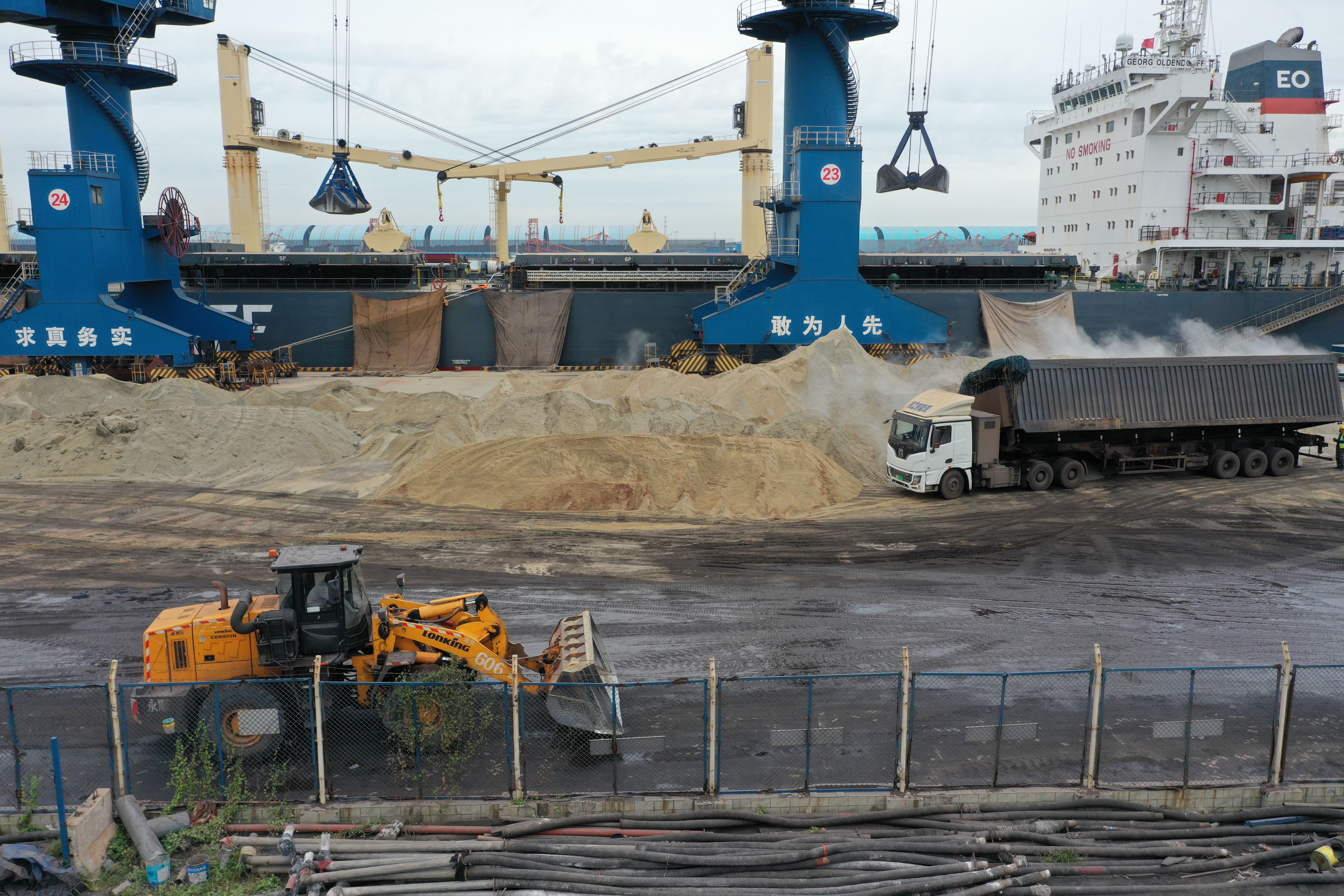
3. The winners may be the suppliers who combine decarbonization logic with export execution
The next phase of competition is unlikely to be won by messaging alone. It will be won by suppliers that can combine workable material streams, industrial processing discipline and clean delivery performance. For SENLAN-related trade thinking, that is a useful lens. A credible low-carbon offer is not just lower carbon on paper. It is also repeatable loading, stable documentation and confidence that the material arriving at destination will match the intended use.
Takeaway: late-June signals suggest low-carbon cement is becoming less of a one-technology race and more of a lower-clinker execution race. That is good news for disciplined SCM suppliers, because practical reliability is becoming part of the product.
6 月下旬的几条行业信号,其实正从两个不同方向说着同一件事。一个方向是 SCG 在 Cemtech Asia 2026 上继续强调低碳水泥创新与净零路径;另一个方向,则是更广泛的市场评论开始明确提出:未来的水泥,不是靠某一种“神奇新材料”取代一切,而是靠更少的 Portland 熟料占比来实现更现实的减碳。把这两类信号放在一起看,低碳竞争正在从“概念密集型叙事”转向一个更务实的问题:谁能在降低熟料使用的同时,仍然把可成交、可规模化的产品稳定供出来?
1. 市场奖励的正在是更低的熟料系数,而不只是更响亮的减碳标题
这很重要,因为它改变了买卖双方真正优化的目标。如果商业目标是更低的隐含碳排、同时保持可用性能,那么最现实的杠杆其实都很熟悉:熟料替代、配方设计、质量控制和材料一致性。创新当然仍然重要,但执行的重要性正在上升。一个低碳故事,只有在工厂实际运行、项目规范要求和发运纪律面前都站得住,它才会真正变成商业意义上的产品。
对与矿渣及其他掺合料相关的供应链来说,这反而是一个积极信号。像 GBFS 和 GGBFS 这样成熟的 SCM 体系,依然高度相关,因为它们可以直接进入“降低熟料系数”的现实解法里。很多买方并不需要每个项目都等一个颠覆性新化学体系落地,他们更需要的是现在就能把熟料比例降下来,并且做得稳。
2. SCM 供应质量,正在变成低碳产品本身的一部分
一旦讨论重心从“突破性概念”转向“低熟料落地”,掺合料就会从配角变成核心要求。这会直接抬高 SCM 供应链的标准。可得性、细度控制、堆场纪律、水分管理、检测记录以及发运节奏,都会开始影响最终水泥产品的商业价值。换句话说,低碳水泥不只是一个配方问题,它同时也是一个采购问题和物流问题。
这一点在出口市场尤其重要。买方在原则上可能完全接受低熟料水泥的逻辑,但最终仍会选择那个能把来源说明白、把质量稳定住、把交付节奏做可预测的供应方。这意味着,可靠的 SCM 管理能力不再只是后台细节,而是竞争优势本身。
3. 下一阶段的赢家,可能是把减碳逻辑和出口执行力结合起来的供应方
下一阶段的竞争,大概率不会只靠叙事赢下来,而会靠那些能够把可用材料流、工业加工纪律和干净的交付表现结合起来的供应方赢下来。放到森蓝相关业务理解也很直接:一个可信的低碳供货方案,不只是纸面上的更低碳排,它还应该对应可重复的装港安排、稳定的单证节奏,以及买方对到港材料用途匹配度的信心。
结论:6 月下旬的行业信号说明,低碳水泥正在越来越少像一场“单一技术竞赛”,而越来越像一场“低熟料执行力竞赛”。这对有纪律的 SCM 供应商是好消息,因为务实的可靠性,正在成为产品本身的一部分。
Explore products or discuss your inquiry.
If this lower-clinker trend is relevant to your sourcing plan, you can review our core product pages or contact us with quantity, target specification, loading method and discharge requirements.
Request a quote