Titan Egypt's New Export Silos Show Cement Trade Is Becoming a Port-Readiness Business
Titan Egypt's new Alexandria export silos show that cement trade competitiveness is no longer decided by plant capacity alone. Export storage, vessel-loading readiness and dependable outbound execution are becoming visible commercial advantages.
Titan Egypt新建出口筒仓说明:水泥贸易正越来越像一门港口准备度生意
Titan Egypt 在亚历山大新建出口筒仓,释放出一个很现实的信号:水泥贸易竞争力不再只由工厂产能决定,出口仓储、装船准备度和稳定出运能力,正在变成更可见的商业优势。
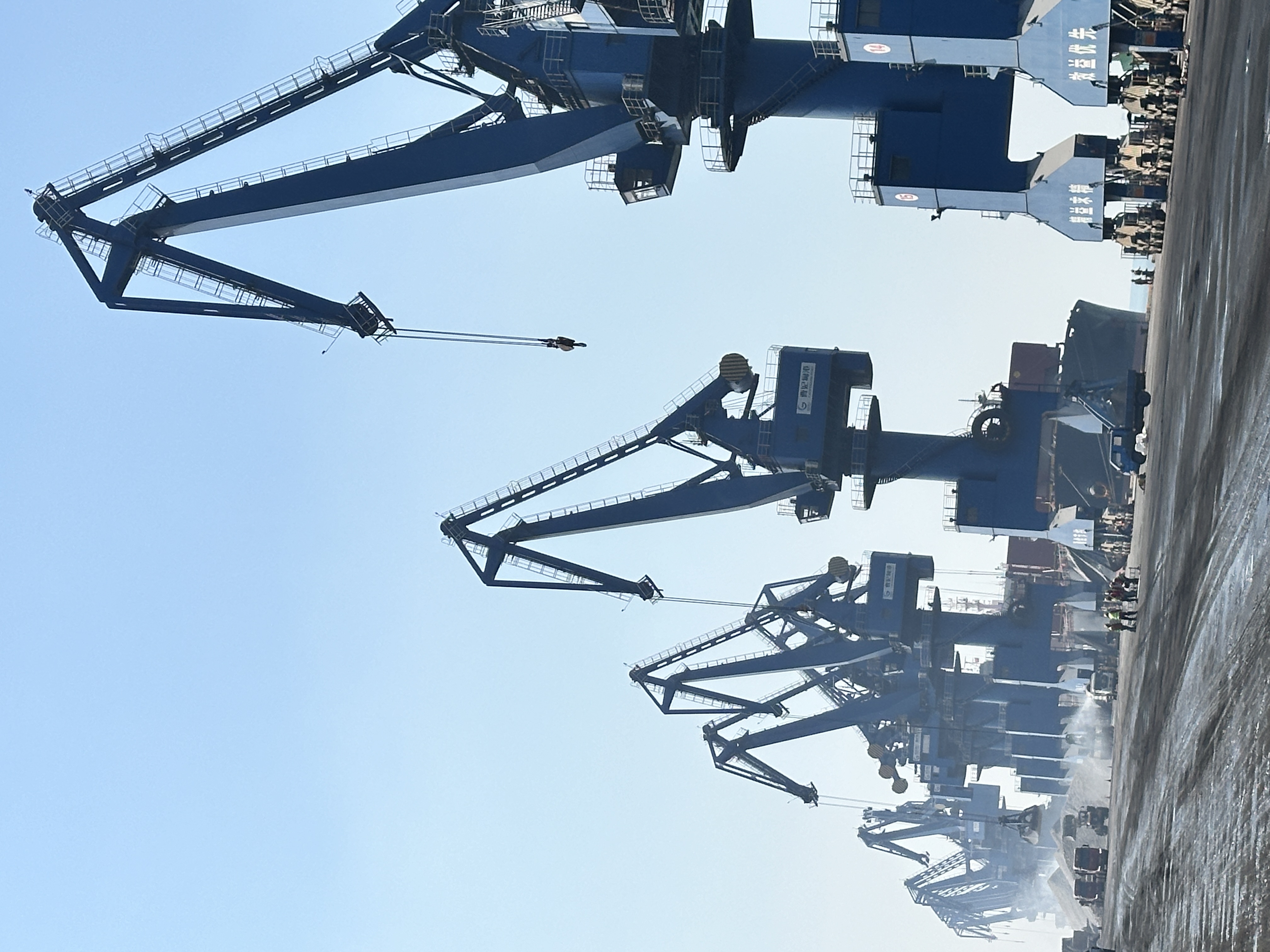
A useful signal came from Egypt this week. According to reports from Zawya and Global Cement on 26 June 2026, Titan Egypt officially inaugurated two export silos at its Alexandria plant after an investment of about US$11m. The expansion reportedly supported the company's first 38,000t shipment of Type I/II cement to the United States in May 2026 and is aimed at scaling annual exports toward 300,000t by the end of 2026, with further capacity growth planned beyond that.
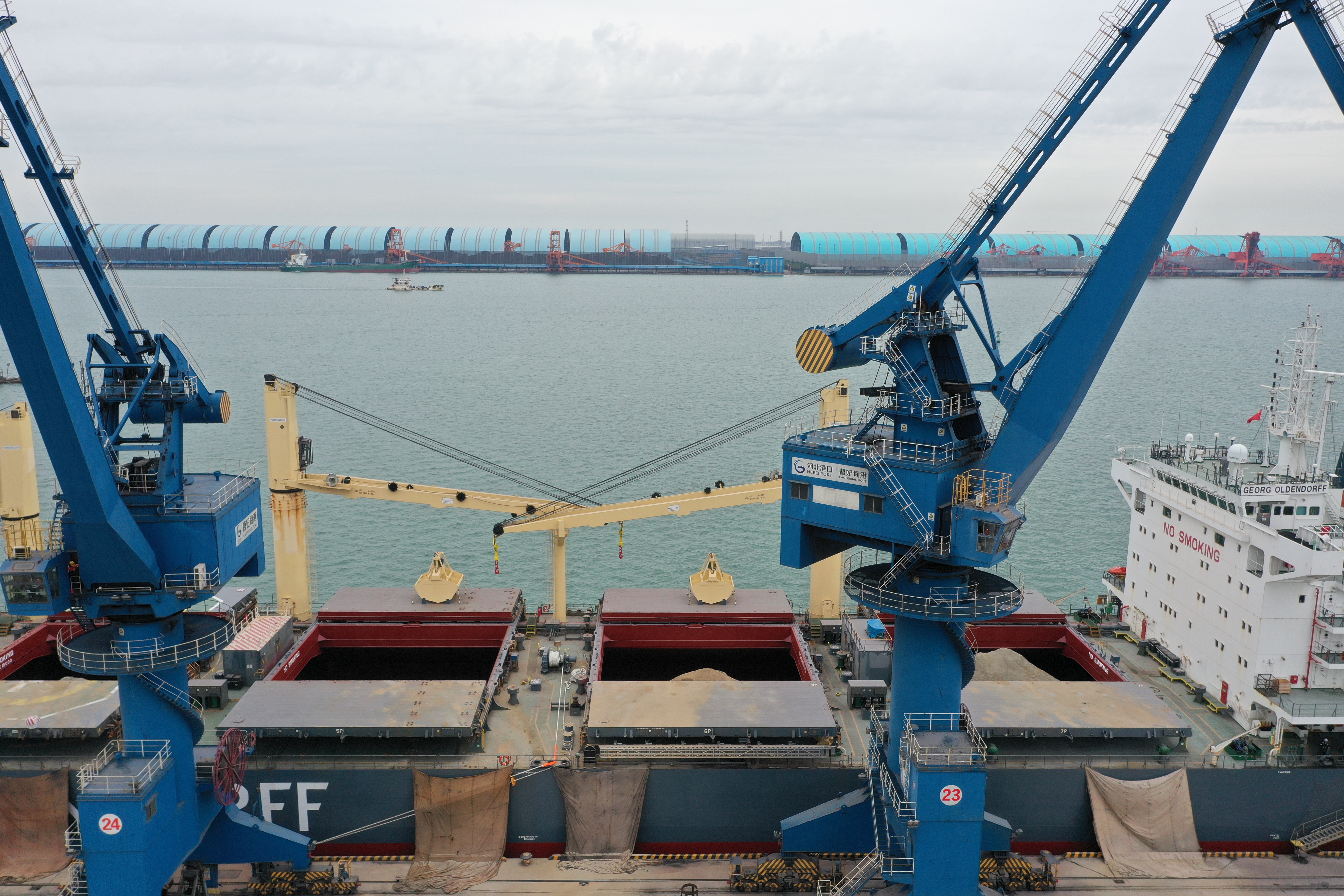
1. Export silos are not passive storage. They are trade infrastructure.
Export silos can look like a straightforward capacity add-on, but the business meaning is broader. When a producer invests in dedicated export storage at port-facing facilities, it is strengthening the handoff between production, cargo staging and vessel loading. That can reduce frictions around timing, lot management and shipment planning, especially when serving longer-haul destinations.
That matters because many cement trades are won or lost on execution discipline rather than nominal plant capacity. Buyers care about whether cargo can be assembled on time, loaded consistently and moved through the port with fewer surprises. In that sense, export silos become part of commercial credibility, not just an engineering detail.
2. The Alexandria case highlights route-building, not just asset building
What makes the Titan Egypt move especially relevant is the immediate export signal attached to it. The first reported shipment to the United States was not presented as a distant ambition; it was linked directly to newly opened silos and a live outbound route. That suggests the investment is tied to route-building, destination confidence and the ability to support larger or more regular export programs.
The stated export targets also matter. Even if the headline numbers evolve over time, the strategic direction is clear: once export throughput becomes a management priority, storage, loading rhythm and port-side reliability start to matter as much as kiln utilisation. For exporters, that is the difference between being occasionally available and being reliably tradeable.
3. Why this matters to cement, clinker and SCM market watchers
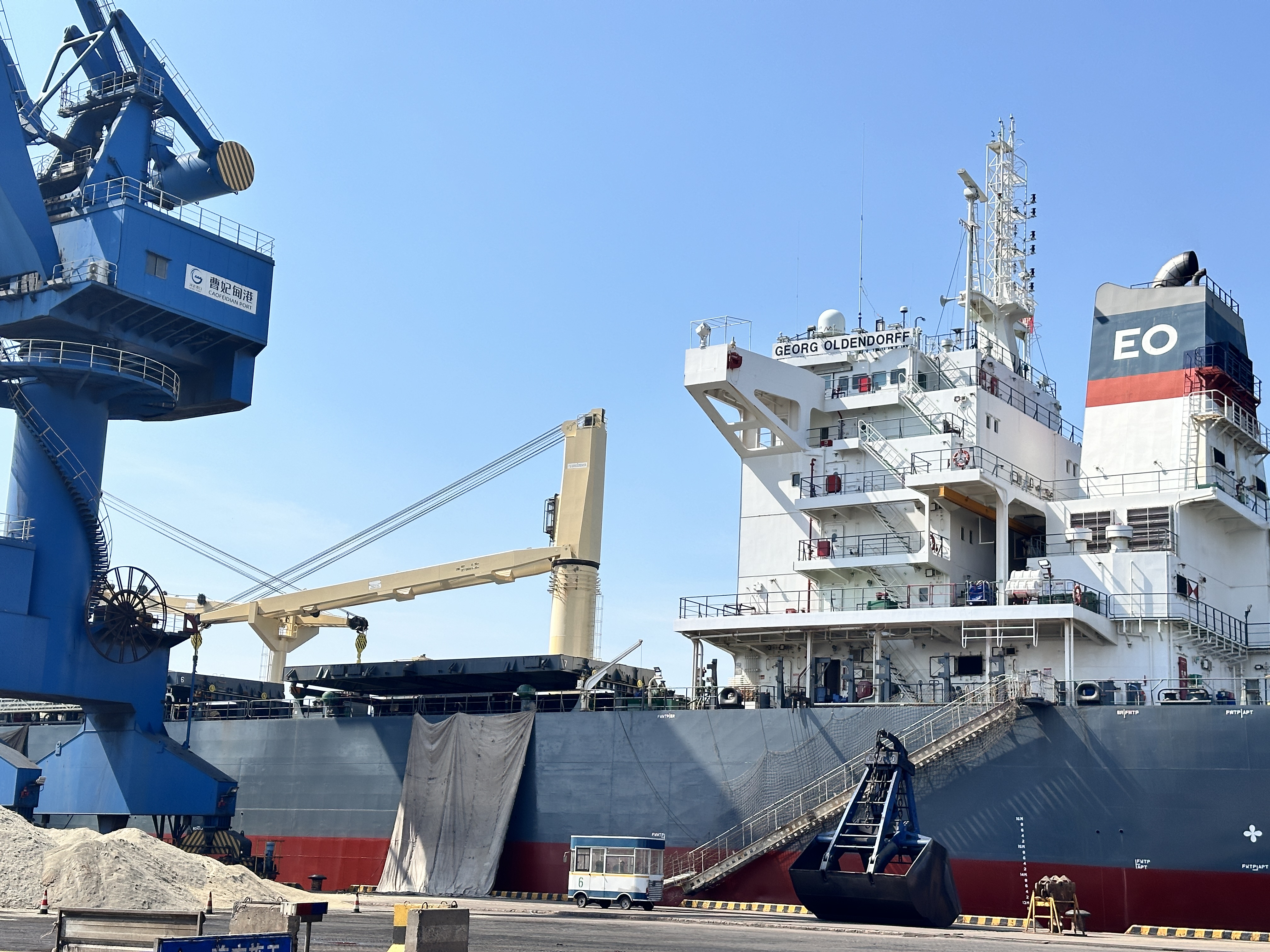
For companies tracking cement, clinker and supplementary cementitious material flows, the deeper lesson is that port readiness is becoming part of the product offer. A supplier with workable export storage, cleaner port handoff and clearer route execution can present a more bankable supply story to overseas buyers, even before price discussions begin.
Takeaway: export infrastructure is turning into a practical market signal. In the next phase of cement competition, stronger suppliers may be those that treat port execution as a commercial capability with direct route consequences, not merely as background logistics.
本周来自埃及的一条消息,很值得贸易端继续跟踪。根据 Zawya 和 Global Cement 在 2026 年 6 月 26 日的报道,Titan Egypt 已正式启用其亚历山大工厂的两座出口筒仓,投资规模约 1100 万美元。报道同时提到,该扩建已支持公司在 2026 年 5 月向美国发出首船 3.8 万吨 Type I/II 水泥,并计划在 2026 年底前把年出口量提升到约 30 万吨,后续还将继续扩充能力。
1. 出口筒仓不是被动仓储,它本身就是贸易基础设施
出口筒仓看起来像是简单的产能配套,但它的商业含义更大。当生产者愿意在面向出口的港口工厂配置专用仓储时,本质上是在强化“生产—集货—装船”这条链路的衔接能力。这会直接影响排船节奏、批次组织和发运计划,尤其是在服务更长航程目的地时更明显。
这很关键,因为很多水泥贸易项目,真正输赢并不发生在名义产能上,而发生在执行纪律上。买方关心的是:货能否按时集齐、装船是否顺畅、港口环节是否少出意外。从这个角度看,出口筒仓不是工程细节,而是商业可信度的一部分。
2. 亚历山大案例说明,企业在建设的是航线能力,而不只是资产
Titan Egypt 这次动作特别值得关注的地方,在于它不是孤立的“资产启用”新闻,而是直接和真实出运线路绑定。首船对美发运,并不是远期口号,而是和新启用的出口筒仓一起出现。这意味着,这笔投入服务的是目的港通道建设、买方信心建立,以及更大规模或更规律出口计划的支撑能力。
报道里给出的出口目标也很关键。即使后续数字还会调整,战略方向已经很清楚:一旦企业把出口吞吐变成经营重点,那么仓储配置、装运节奏和港口侧可靠性,就会和窑线利用率一样重要。对出口商来说,这正是“偶尔能做出口”和“可以稳定成交”之间的差别。
3. 这对水泥、熟料和 SCM 观察者意味着什么
对关注水泥、熟料和胶凝材料流向的从业者来说,更深层的启示是:港口准备度正在成为产品报价之外的一部分供货能力。谁拥有更顺畅的出口仓储、更干净的港口衔接和更清晰的发运路径,谁就更容易在价格谈判开始前,先把“可执行性”讲清楚。
结论:出口基础设施正在变成一个务实的市场信号。在下一阶段的水泥竞争中,更强的供应方可能是那些把港口执行当作“会直接影响航线与成交”的商业能力,而不是只当作后台物流。
Explore products or discuss your inquiry.
If this market signal is relevant to your sourcing plan, you can review our core product pages or contact us with quantity, target specification, loading method and discharge requirements.
Request a quote