Indonesia-to-US Cement Shipments Show How Strategic Supply Routes Are Reshaping Pacific Trade
The first Indonesian cement shipment to Taiheiyo Cement's US network is more than a logistics milestone. It signals that Pacific cement trade is increasingly being won by suppliers that invest in dedicated export infrastructure, route resilience and product strategies aligned with lower-carbon demand.
印尼对美水泥发运说明:战略性供应通道正在重塑太平洋贸易逻辑
印尼首船水泥发往太平洋水泥在美国的网络,不只是一次物流动作。它更像一个信号:在 2026 年的太平洋水泥贸易中,真正更有优势的,将是那些愿意投资专用出口设施、提升航线韧性,并把产品策略与低碳需求结合起来的供应方。
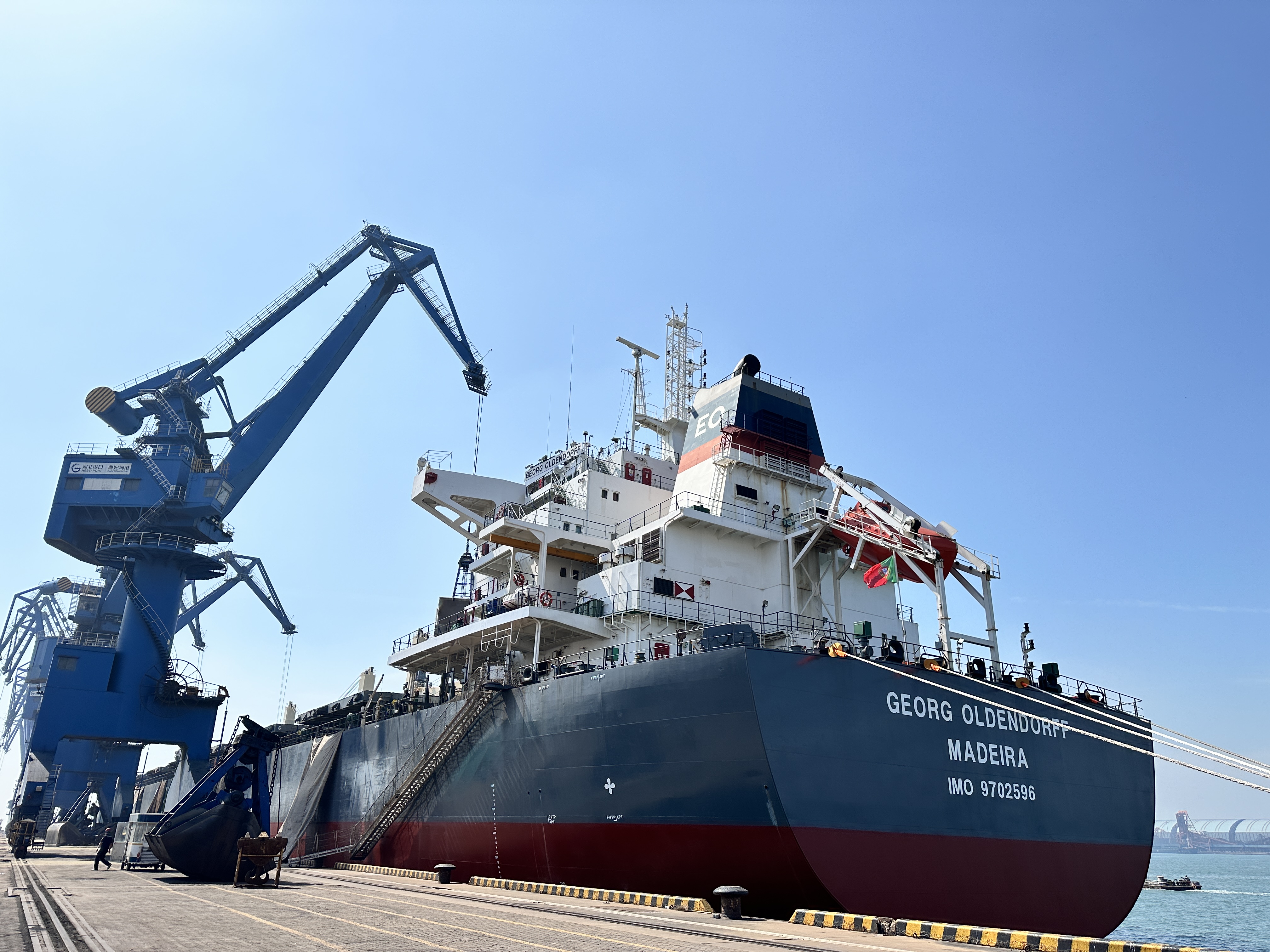
The immediate trigger is recent CemNet reporting that Taiheiyo Cement has started cement exports from Solusi Bangun Indonesia to its US subsidiary, following the arrival of the first shipment on 1 June 2026. The route builds on a partnership between Taiheiyo, Indonesian state-owned producer SIG and subsidiary SBI, including investment in a new loading jetty and storage silos at the Tuban plant. Taiheiyo says the route can provide more than 500,000t per year of stable supply to its US operations. That makes it more than a one-off shipment. It is a clear trade signal.
1. New routes matter because import markets want security, not just opportunistic tonnes
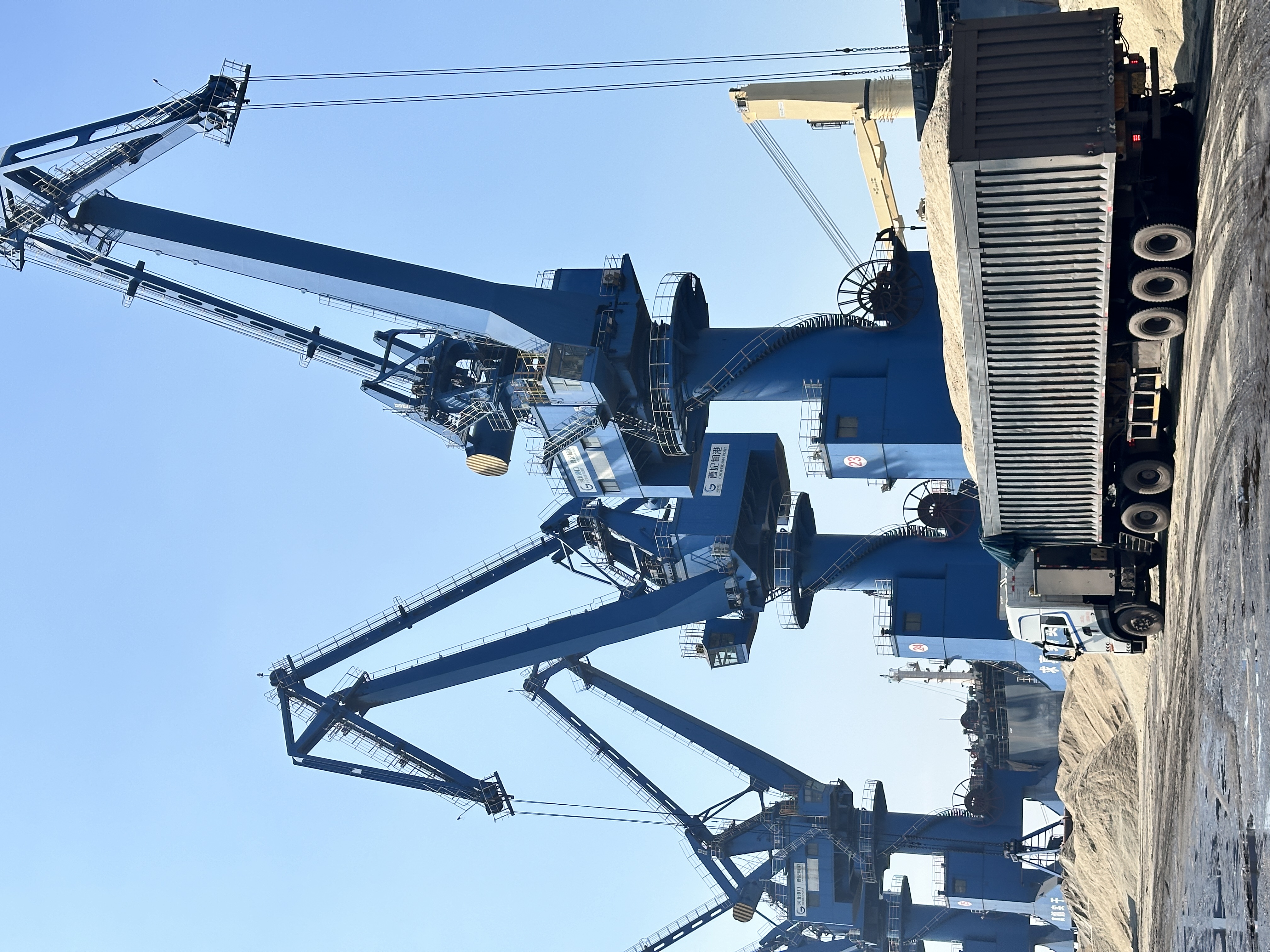
CemNet's report is notable because the route is not being built around spot trading alone. It is designed to anchor supply into Taiheiyo's own US system. In a market where buyers are cautious about timing, price spikes and import reliability, a dedicated route with invested loading capacity is worth more than simply having extra clinker or cement available somewhere in the region.
This is especially relevant as Global Cement notes that June 2026 has brought multiple examples of tight supply, high prices and new trade frictions across markets from Jamaica to the Philippines. In that environment, importers increasingly reward suppliers that can guarantee route continuity and execution quality. A secure Pacific lane into the US is therefore a strategic asset, not merely a logistics detail.
2. Infrastructure-backed trade is also becoming a lower-carbon product play
Taiheiyo also said it is exploring blended cement manufacturing with SBI to meet growing lower-carbon demand in the US market. That detail matters because it shows the route is not only about tonnage. It is also about what kind of cement can move through that route over time. For suppliers and traders, future competitiveness will increasingly depend on pairing physical export capability with a product mix that fits decarbonization requirements.
For traders and importers, this means supplier quality should be judged not only by offered price, but also by whether the supplier's operating structure is robust enough to stay consistent when market pressure rises. Energy discipline, process efficiency and loading reliability increasingly sit inside the real export value proposition.
3. Softer dry bulk sentiment can support the route, but execution still decides the advantage
Shipping conditions add another layer. Hellenic Shipping News reported that dry bulk sentiment softened through the week, with a resilient Pacific but a subdued Atlantic and thinner broader participation. For cement and clinker exporters, that can slightly improve freight math across some lanes. But the same rule still applies: softer freight only benefits suppliers that are ready to load cleanly, coordinate schedules and avoid disruption between plant and vessel.
Takeaway: the new Indonesia-to-US route matters because it shows where Pacific cement trade is heading. The market is rewarding suppliers that build repeatable channels, not just opportunistic sales; that connect infrastructure with demand visibility; and that can gradually align trade flows with lower-carbon cement demand.
最直接的触发点,是 CemNet 最近关于太平洋水泥的报道:其已开始把印尼 Solusi Bangun Indonesia 的水泥发往美国子公司网络,首船已于 2026 年 6 月 1 日到港。该通道建立在太平洋水泥、印尼国有水泥企业 SIG 及其子公司 SBI 的合作基础上,并配套投资了 Tuban 工厂的新装船码头与储仓。太平洋水泥表示,这条路线可为其美国业务每年提供超过 50 万吨的稳定供应。这使它不只是一次首航,而是一条很清晰的贸易信号。
1. 新通道之所以重要,是因为进口市场要的不只是临时吨位,而是稳定性
CemNet 这条报道之所以值得看,是因为这条通道并不是只围绕现货机会搭建的,而是直接服务于太平洋水泥在美国的体系。在买方更担心交期、价格波动和进口稳定性的环境里,拥有一条带有码头与储仓投入的专用路线,价值往往高于“区域里还有一些富余熟料或水泥可以卖”。
这点也和 Global Cement 在 2026 年 6 月的观察相呼应:从牙买加到菲律宾,多个市场同时出现了紧供应、高价格与新贸易摩擦。处在这样的环境里,进口商越来越看重能否稳定保住线路与执行质量。因此,一条能稳定通往美国市场的太平洋航线,本质上是战略资产,而不只是物流细节。
2. 有基础设施托底的贸易,也正在变成低碳产品策略的一部分
太平洋水泥同时提到,正与 SBI 探索生产混合水泥,以满足美国市场不断增长的低碳需求。这个细节很重要,因为它说明这条通道承载的并不只是吨位,更是未来能通过这条通道流动的产品类型。对供应商和贸易商来说,未来竞争力会越来越取决于:是否能把实体出口能力与符合减碳要求的产品组合配套起来。
换句话说,真正有竞争力的,不会只是“能发货”的路线,而是“既能稳定发货,又能承接更低熟料系数产品需求”的路线。对贸易商和进口买家来说,这意味着判断供应方时,未来要越来越重视其产品升级能力与供应链连续性,而不只是看眼前报价。
3. 干散货走软会给这类通道加分,但最终仍由执行决定优势
航运端的信号又补上了一层背景。Hellenic Shipping News 报道称,近期干散货市场情绪有所走软,太平洋仍相对有支撑,但大西洋偏弱、整体参与度变薄。对水泥和熟料出口方来说,这会在部分航线上略微改善运费数学关系。但同样的规则仍然成立:运费走软,真正受益的仍是那些已经准备好稳定装船、协调船期、并减少工厂到船边扰动的供应方。
结论:印尼对美这条新通道之所以值得看,是因为它提示了太平洋水泥贸易正在奖励什么:不是一次性的现货销售,而是可重复的稳定通道;不是只看吨位,而是把基础设施与需求确定性接起来;也不是只运传统产品,而是逐步把贸易流向与低碳水泥需求对齐。
Explore products or discuss your inquiry.
If this market signal is relevant to your sourcing plan, you can review our core product pages or contact us with quantity, target specification, loading method and discharge requirements.
Request a quote