New US Import Terminal Capacity Shows Cementitious Trade Is Becoming a Port-and-Execution Business
SESCO Cement's new Tampa Bay import terminal and Cemex's nearby port expansion point to the same shift: in cement, clinker and SCM trade, competitive advantage is moving from simple product availability toward terminal throughput, inland connectivity and predictable execution.
美国新增进口终端能力说明:胶凝材料贸易正越来越像一门港口与执行业务
SESCO Cement 在坦帕湾新开的进口终端,以及 Cemex 在同一区域完成的港口扩建,实际上都在说明同一件事:对水泥、熟料和 SCM 贸易来说,竞争优势正在从“有没有货”转向“终端能不能吞吐、内陆能不能接住、执行能不能稳定复制”。
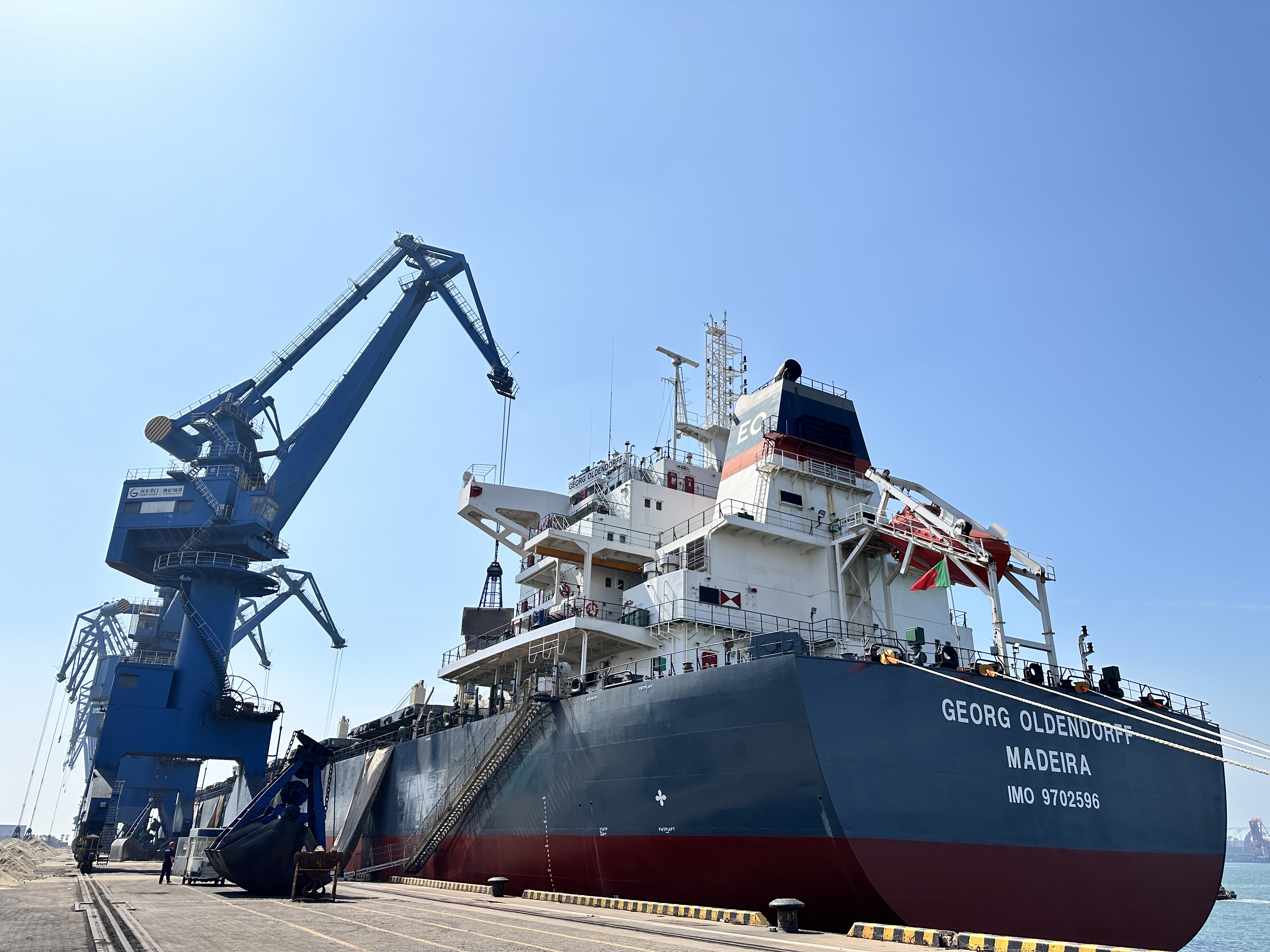
Recent US terminal news offers a useful signal for global suppliers of cementitious materials. CemNet reported on 11 June 2026 that SESCO Cement opened a new import terminal at Port Redwing in Port Tampa Bay, with storage capacity of nearly 100,000t and what it described as the largest wheel-mounted cement ship unloader currently in operation. Earlier, on 1 June 2026, CemNet also reported that Cemex and Port Tampa Bay completed a US$36m expansion featuring a 5000tph conveying system for imported aggregates from Canada. Together, those announcements show a wider market reality: trade advantage is increasingly being designed into the terminal itself.
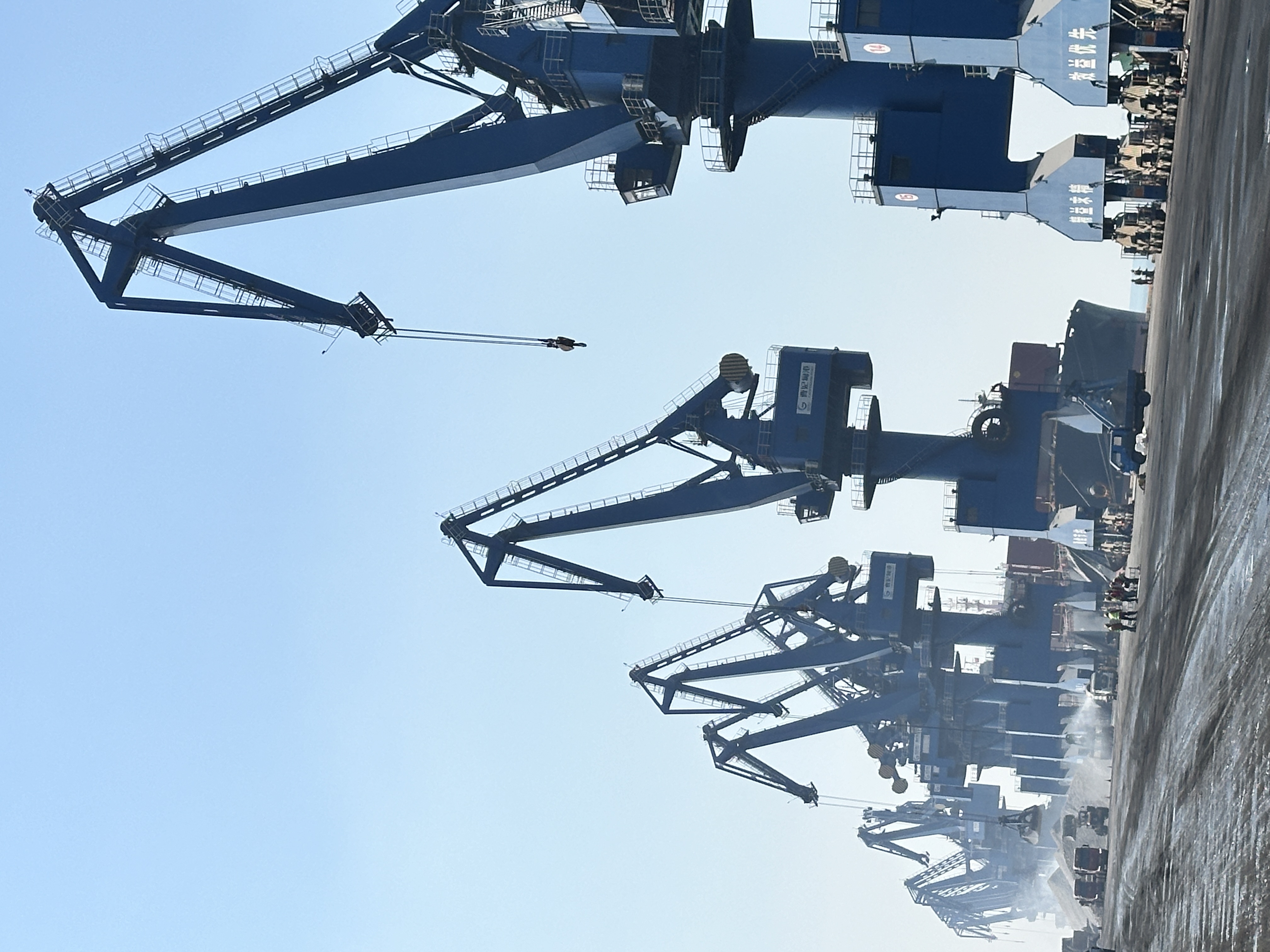
1. Import terminals are becoming strategic assets, not just receiving points
A nearly 100,000t terminal is not just a bigger warehouse. It gives importers more control over timing, vessel scheduling and downstream sales windows. In practical terms, that means less dependence on one narrow arrival window and more flexibility to respond to local construction demand. For suppliers of cement, clinker, GBFS or GGBFS, this is important because cargoes are more valuable when the destination has the infrastructure to receive them cleanly and turn them into repeat business.
CemNet's November 2025 feature on SCM import terminals also framed the same trend more broadly: as supplementary cementitious materials become more important, import volumes and dedicated storage requirements rise with them. That is exactly why terminal design and handling efficiency are becoming part of the commercial story, especially for lower-clinker cement strategies that depend on consistent SCM availability.
2. The real edge comes from multimodal execution after the vessel arrives
SESCO highlighted the Tampa Bay site's direct access to maritime lanes, interstate highways and rail networks. That detail matters more than it may look at first glance. In cementitious trade, the vessel is only one part of the economics. If the terminal cannot clear cargo quickly into trucks, rail or storage, the import advantage weakens fast. A port-linked inland system is what turns delivered cargo into dependable market coverage.
Cemex's nearby expansion reinforces the same lesson from a different angle. A 5000tph unloading system is a productivity tool, but it is also a risk-control tool. Faster discharge and cleaner transfer reduce congestion exposure, simplify inventory planning and improve the chances that imported material can support infrastructure projects on schedule. Buyers increasingly notice that difference, even if it does not appear directly in a headline FOB offer.
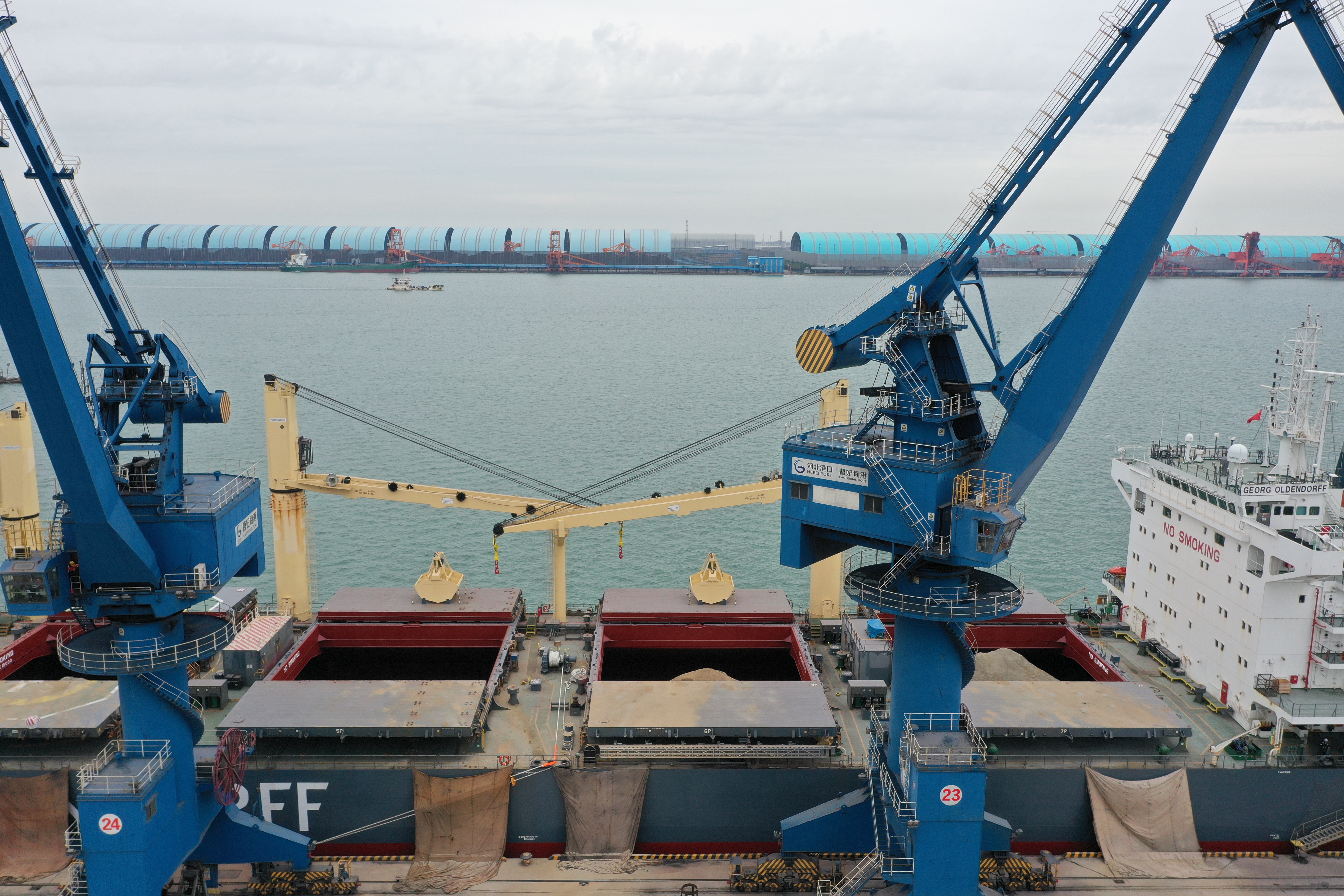
3. This matters directly for slag, SCM and lower-carbon cement supply chains
For suppliers connected to slag and other SCM flows, terminal build-outs are especially relevant. Lower-carbon cement demand cannot scale on product claims alone. It needs physical systems that can receive imported supplementary materials at dependable volumes, segregate them when necessary and move them efficiently to grinding or blending points. In that sense, port infrastructure is becoming part of the decarbonization stack.
Takeaway: the Tampa Bay developments suggest that future winners in cementitious trade will be the suppliers, terminals and traders that behave like integrated logistics platforms. Product quality still matters, but terminal throughput, inland connectivity and handling discipline are becoming just as important to real trade performance.
近期美国终端相关消息,给全球胶凝材料供应方提供了一个很清楚的信号。CemNet 在 2026 年 6 月 11 日报道,SESCO Cement 在 Port Tampa Bay 的 Port Redwing 正式启用了新的进口终端,仓储能力接近 10 万吨,并配备其所称目前在运行中的最大轮式水泥卸船机。更早一些,CemNet 也在 2026 年 6 月 1 日报道,Cemex 与 Port Tampa Bay 完成了一项 3600 万美元扩建,新增一套 5000 吨/小时的卸货输送系统,用于接收来自加拿大的骨料。这两条新闻放在一起看,说明一个更大的现实:贸易优势正越来越多地被“设计”进终端本身。
1. 进口终端正在变成战略资产,而不只是收货点
一个接近 10 万吨的终端,并不只是更大的仓库。它意味着进口方能更主动地管理到船节奏、销售窗口和库存周转。落到实际贸易里,就是不必过度依赖某一个狭窄的到港窗口,也更有能力对接本地施工需求。对水泥、熟料、GBFS 或 GGBFS 供应方来说,这很关键,因为只有当目的港有能力把货干净地接住并转化成重复业务时,货本身才真正更有价值。
CemNet 在 2025 年 11 月关于 SCM 进口终端的文章,其实也从更广角度说明了同一趋势:随着补充胶凝材料的重要性上升,进口量和专用仓储需求也会同步增加。这正是为什么终端设计与装卸效率,正逐渐成为商业叙事的一部分,尤其是那些依赖稳定 SCM 供应的低熟料系数水泥策略。
2. 真正的优势,来自船到港之后的多式联运执行
SESCO 特别强调该终端可直接连接海运航线、州际公路和铁路网络。这个细节比表面看起来更重要。在胶凝材料贸易里,船只是成本结构的一部分,但不是全部。如果终端无法把货快速清到卡车、铁路或仓库,进口优势就会很快被削弱。真正把到港货物变成稳定市场覆盖能力的,是港口和内陆配送系统的衔接。
Cemex 在同一区域的扩建,则从另一个角度强化了这一点。5000 吨/小时的卸货系统当然是效率工具,但它也是风险控制工具。更快的卸船和更顺畅的转运,意味着更低的拥堵暴露、更清晰的库存计划,以及更高的项目按期保供概率。买方会越来越看重这种差异,即便它不一定直接体现在一份 FOB 报价单上。
3. 这对矿渣、SCM 与低碳水泥供应链尤其重要
对与矿渣和其他 SCM 流向相关的供应方来说,终端扩建尤其值得关注。低碳水泥需求要想放量,不能只靠产品宣传,它必须建立在可以稳定接收进口补充胶凝材料、在必要时进行分仓管理,并高效送往粉磨或掺配节点的物理系统上。从这个角度看,港口基础设施本身正在成为减碳体系的一部分。
结论:坦帕湾这些动作说明,未来在胶凝材料贸易里更占优的,往往会是那些更像“综合物流平台”的供应商、终端和贸易方。产品质量当然仍然重要,但终端吞吐、内陆连接和装卸纪律,正在变得同样重要。
Explore products or discuss your inquiry.
If this market signal is relevant to your sourcing plan, you can review our core product pages or contact us with quantity, target specification, loading method and discharge requirements.
Request a quote