Philippines Safeguards Show Southeast Asia Cement Trade Is Becoming a Market-Access Business
New Philippine safeguard duties on cement imports from China and Indonesia, followed by tighter quality oversight, suggest that Southeast Asia trade is being filtered less by headline price alone and more by market access, compliance discipline and cleaner execution.
菲律宾保障措施说明:东南亚水泥贸易正越来越像一门市场准入生意
菲律宾近期对来自中国和印尼的水泥进口加征保障措施,并进一步收紧质量监管,释放出一个很实际的信号:东南亚水泥贸易的筛选逻辑,正在从单纯比价格,转向比市场准入、合规纪律和更干净的执行能力。
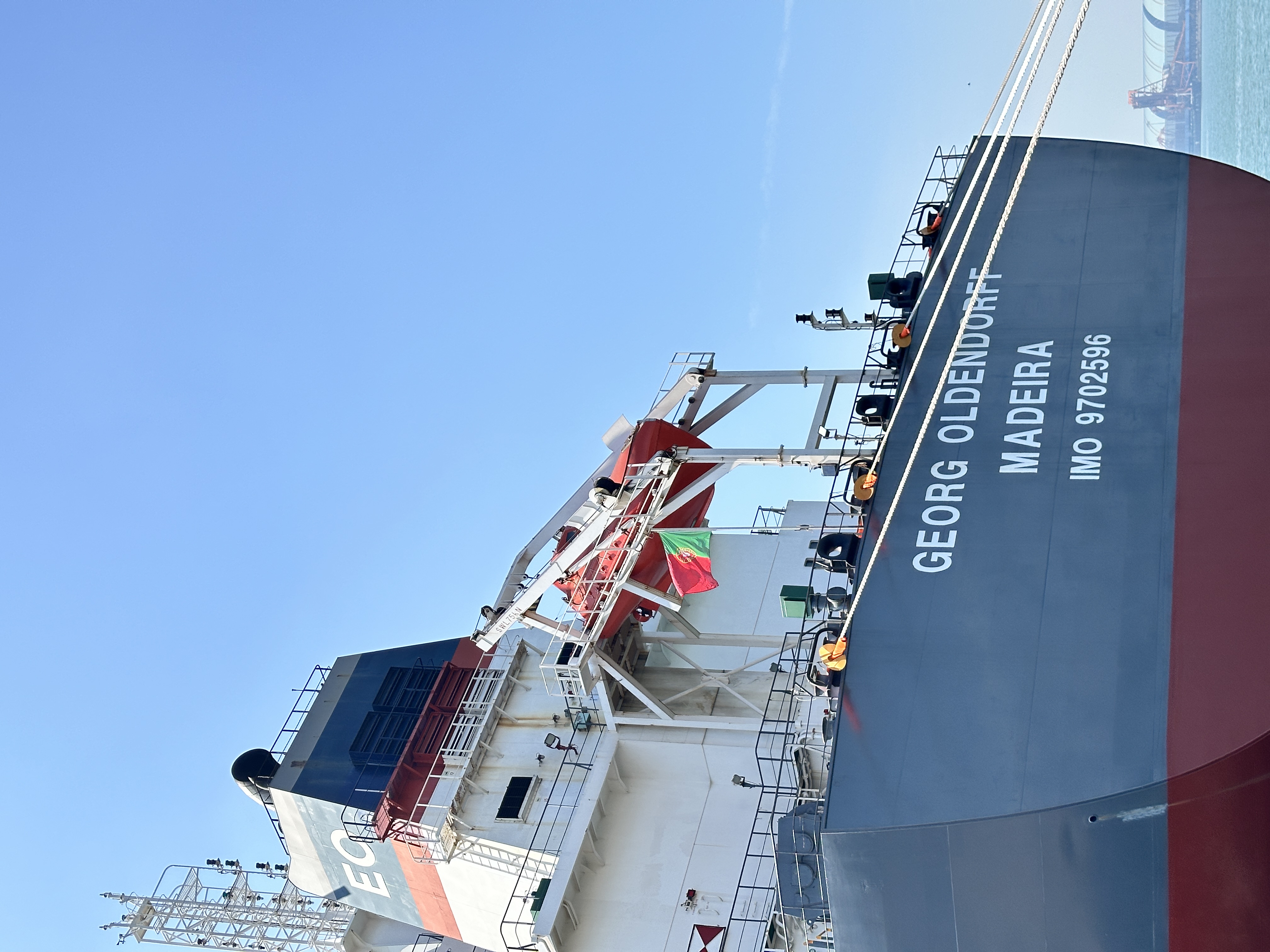
Two June signals from the Philippines are worth watching for exporters across Asia. Global Cement noted that on 2 June 2026 the Philippines applied safeguard measures to cement imports from China and Indonesia after both exceeded the thresholds for duty exemption within total import volumes. Around the same period, local reporting also highlighted tighter cement quality and certification enforcement. Put together, those moves say something larger than one tariff decision: market access in regional cement trade is becoming more conditional, more procedural and less forgiving of loose execution.
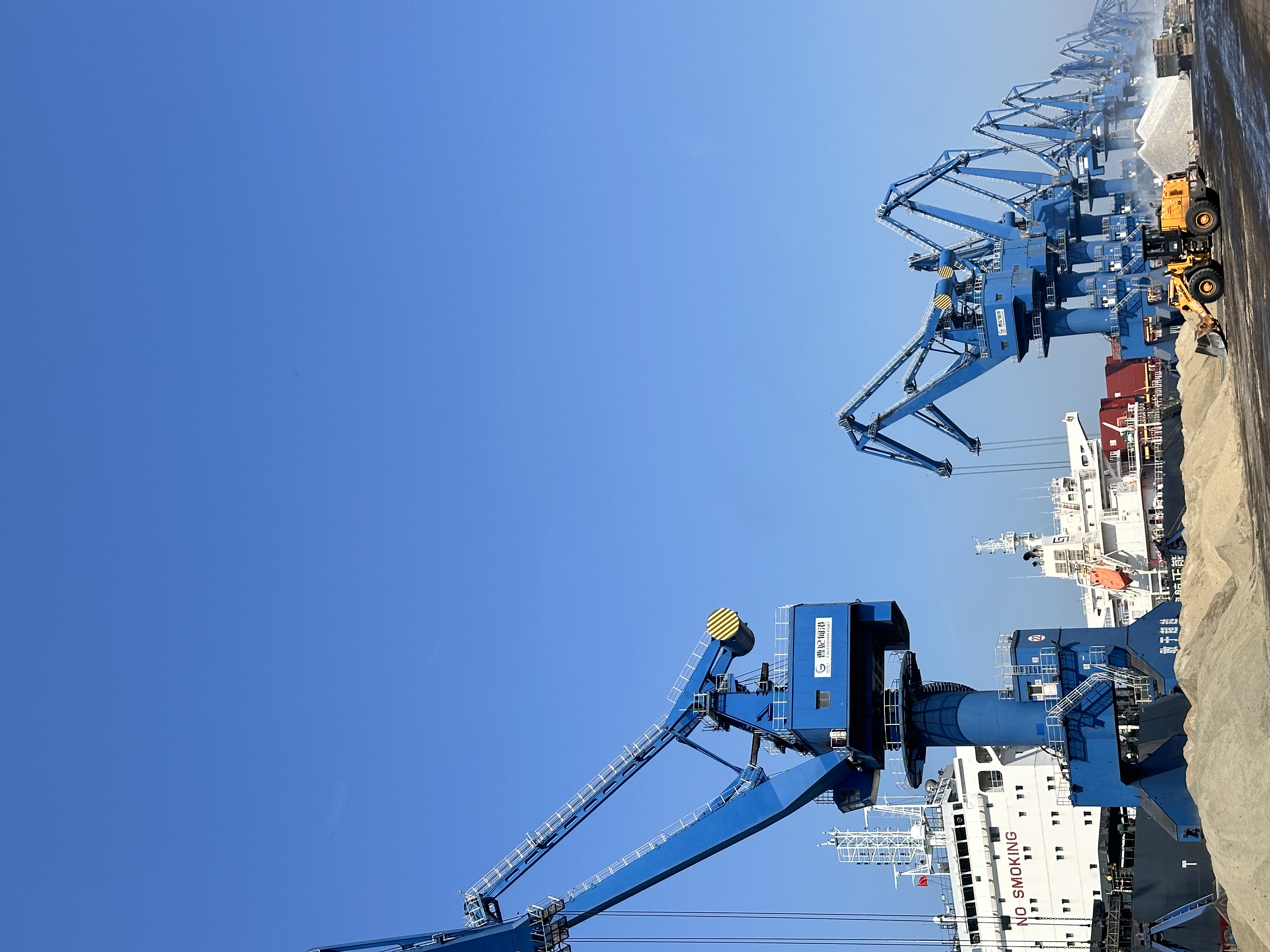
1. Import growth can trigger faster policy response than many exporters expect
The Philippine move matters because it was not framed as a complete market shutdown. Instead, it targeted countries whose shares had moved above exemption thresholds. That is a reminder that in cement, trade windows can narrow gradually through safeguards, quota logic and certification friction long before a market looks formally closed. For suppliers, this changes the commercial question from “Can we sell there?” to “Can we keep selling there under tightening conditions?”
This is especially relevant in Southeast Asia, where freight advantages, proximity and plant scale can quickly drive import surges. When one origin becomes too dominant, regulators may step in not only to protect local producers, but also to rebalance political and industrial pressure. Exporters that rely on one destination or one pricing story can find themselves exposed very quickly.
2. Compliance and quality control are becoming part of the freight equation
The second signal is just as important: tighter product oversight means policy pressure does not stop at customs duty. Quality rules, technical standards, shipment certification and documentary consistency can all become practical bottlenecks. In bulk-material trade, a cargo that arrives cheaply but faces testing delays, paperwork gaps or specification questions can lose its advantage fast.
That is why freight discipline and compliance discipline are starting to converge. Importers increasingly value suppliers that can align product quality, loading records, origin documents and discharge coordination as one package. The more regulation tightens, the more predictable execution becomes a commercial differentiator rather than a back-office detail.
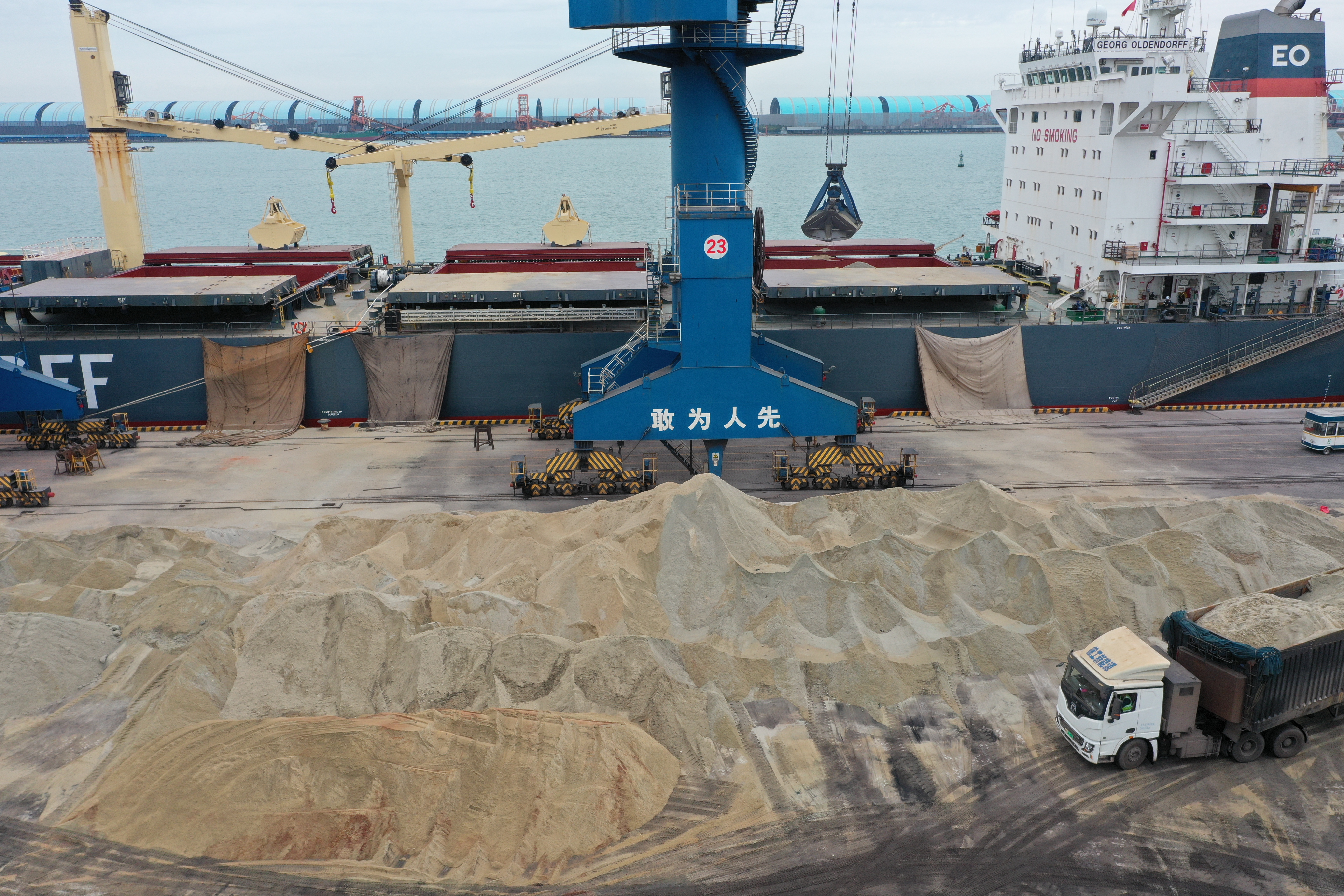
3. The winners may be suppliers with broader route options and cleaner documentation habits
For cement, clinker and SCM traders, the Philippine case is a useful reminder that resilience is commercial. Suppliers with more flexible destination planning, stronger document control and a better understanding of local standards are likely to hold up better when policy conditions change. In contrast, sellers who compete only on short-term pricing may discover that their delivered position is much weaker once duties, testing and timing risk are added back in.
Takeaway: Southeast Asia still offers active cement trade opportunities, but access is becoming more conditional. The next real advantage may belong to exporters that pair competitive material with compliant, traceable and destination-aware execution.
菲律宾在 6 月释放出的两条信号,值得亚洲出口商认真看。Global Cement 提到,2026 年 6 月 2 日,菲律宾因中国和印尼来源的水泥进口占比超过免税门槛,对其实施了保障措施。与此同时,当地报道也强调了更严格的水泥质量与认证监管。把这两件事放在一起看,含义已经不只是一次关税调整,而是一个更大的变化:区域水泥贸易中的市场准入,正变得更有条件、更依赖流程,也更不容许执行粗糙。
1. 进口增长带来的政策反应,往往比出口商预想得更快
菲律宾这次动作的意义在于,它不是简单地“关门”,而是针对那些在总进口中占比超过免税门槛的来源地采取措施。这提醒所有做水泥贸易的人:很多市场并不是突然关闭,而是会通过保障措施、份额门槛和认证摩擦,先一步一步地变窄。对供应方来说,商业问题也就从“能不能卖进去”,变成“在条件收紧后还能不能继续稳定地卖进去”。
这在东南亚尤其现实。因为运距、区域便利和产能规模,往往很容易推动某些来源地进口量快速上升。一旦某个来源地占比过快走高,监管端就可能介入,不只是为了保护本地生产者,也为了平衡产业和政治压力。如果出口商过度依赖单一目的地,或者只讲价格故事,暴露就会来得很快。
2. 合规与质量控制,正在变成运费逻辑的一部分
第二个信号同样重要:更严格的产品监管说明,政策压力并不会停在关税环节。质量规则、技术标准、发运认证和单证一致性,都可能变成实际瓶颈。对散装建材贸易来说,一船货即便到岸价格便宜,如果在检测、文件或规格环节被拖慢,优势就会很快被吃掉。
这也是为什么“运费纪律”和“合规纪律”正在开始合流。进口商会越来越看重那些能把产品质量、装船记录、原产地文件和卸港协调打包管理好的供应方。监管越收紧,稳定执行就越不再只是后台细节,而是前台可感知的商业差异。
3. 更有韧性的供应方,往往拥有更宽的线路选择和更干净的单证习惯
对水泥、熟料和 SCM 贸易商来说,菲律宾案例提醒我们:韧性本身就是商业能力。那些目的地规划更灵活、单证控制更扎实、对本地标准理解更深的供应方,在政策条件变化时更容易守住竞争力。相反,只靠短期价格去竞争的卖方,往往会发现一旦把关税、检测和时效风险重新算进去,自己的到岸优势其实并没有想象中牢靠。
结论:东南亚依然存在活跃的水泥贸易机会,但“能不能进入市场”正在变得更有条件。下一阶段真正的优势,很可能属于那些既有竞争力材料,又能把合规、可追溯和目的地适配做扎实的出口商。
Explore products or discuss your inquiry.
If this market signal is relevant to your sourcing plan, you can review our core product pages or contact us with quantity, target specification, loading method and discharge requirements.
Request a quote