Dry Bulk Is Sending a Two-Speed Signal. Why Cement and Clinker Exporters Should Pay Attention
Recent market signals show firmer dry bulk asset sentiment, but softer capesize momentum after a strong rally. For cement and clinker exporters, the message is not to panic over one headline index. It is to focus on parcel fit, route choice and loading execution.
干散货正在发出“双速信号”:为什么水泥与熟料出口商该重视
最近的市场信号一边显示干散货资产情绪仍偏稳,一边又显示在强势反弹后海岬型板块有所降温。对水泥和熟料出口商来说,真正该读懂的不是某一条运价标题,而是货量匹配、航线选择和装船执行。

Dry bulk has been telling two stories at once this month. A 23 June market note published by Breakwave Advisors, citing Xclusiv Shipbrokers, pointed to stronger first-half asset values supported by healthier freight rates, better vessel utilisation and more diversified seaborne demand. Yet earlier June market coverage from Bloomberg and Cyprus Shipping News also highlighted softer capesize momentum after a sharp rally, with benchmark large-vessel conditions easing as the market cooled from elevated levels.
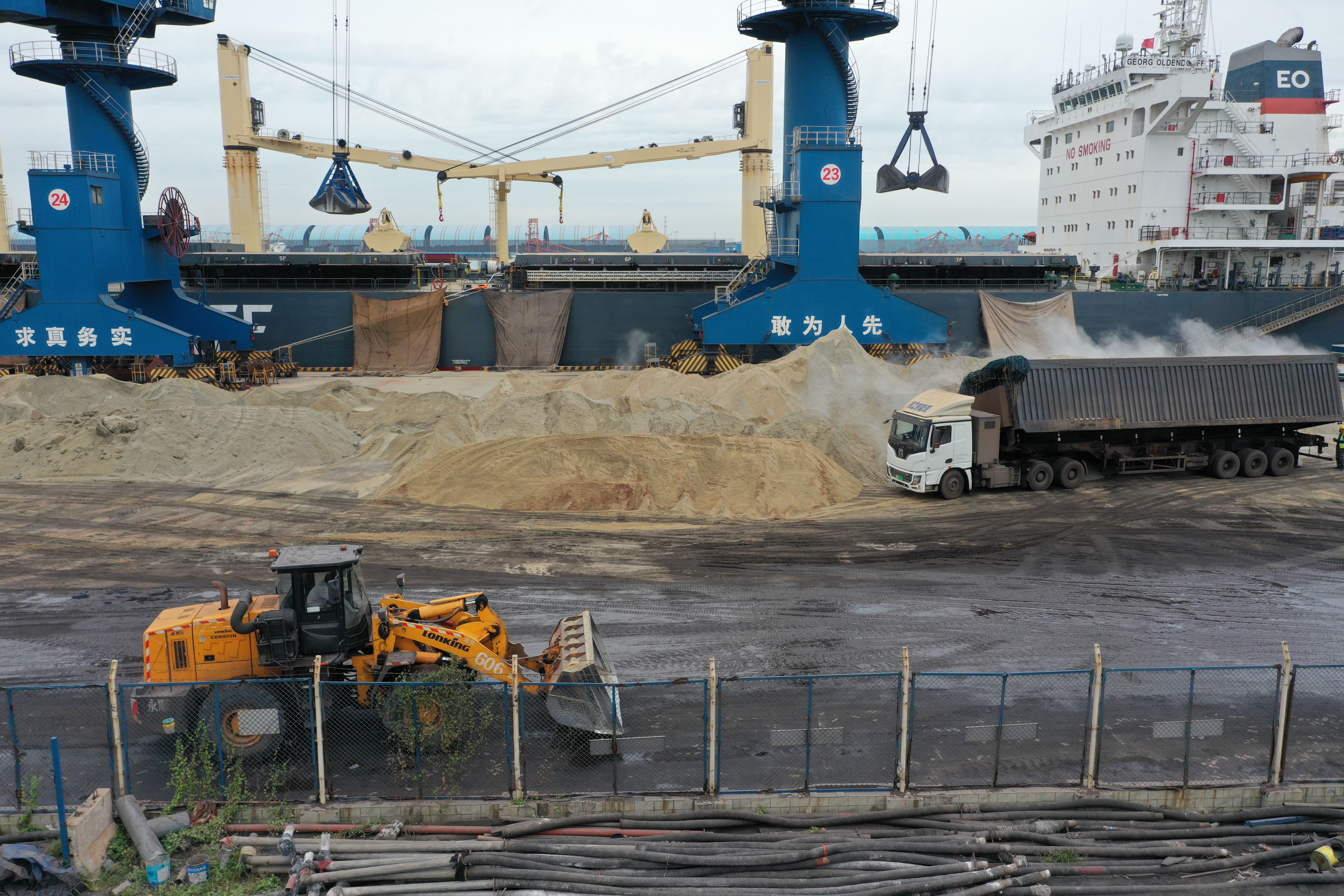
1. A softer capesize headline does not describe every cement cargo
For cement and clinker exporters, this matters because freight risk is rarely uniform. Many trades move in different parcel sizes, different loading windows and different route structures. A cooling signal in large-vessel sentiment may affect negotiation tone, but it does not automatically define the economics of every shipment. What matters is whether the cargo is aligned with the right vessel segment, the right laycan and the right discharge logic.
That is why disciplined exporters should read the current market as a planning market rather than a panic market. When freight direction becomes mixed, the advantage shifts toward suppliers who can build cleaner shipment plans, avoid last-minute congestion and keep port execution predictable for buyers.
2. Freight is only one part of delivered competitiveness
The stronger first-half tone in dry bulk still tells us that ships are not operating in a weak-demand vacuum. But the June pullback in capesize conditions is a reminder that delivered competitiveness can change quickly when vessel availability and buyer timing stop moving in the same direction. Exporters who depend on one freight assumption become fragile. Exporters who manage loading rhythm, cargo readiness and route flexibility become more bankable.

3. Export growth stories still depend on execution discipline
A useful cross-check comes from Pakistan. CemNet reported on 17 June that Power Cement's clinker exports rose 61 per cent year on year during the period under review, helping drive a sharp improvement in financial performance. That does not mean every exporter will see the same outcome. It does show that when demand access, shipment execution and margin control align, export programs can still expand even in a less one-directional freight market.
Takeaway: dry bulk is sending a two-speed signal, but that is not bad news for cement and clinker trade. It is a reminder that the winners are usually the suppliers who treat freight, cargo preparation and port execution as one commercial system rather than three separate tasks.
这个月的干散货市场,其实同时在讲两件事。6 月 23 日 Breakwave Advisors 发布并引用 Xclusiv Shipbrokers 的市场观察,强调 2026 年上半年干散货资产价格更强,背后是更健康的运价、更高的船舶利用率以及更分散的海运需求。但在此之前,彭博和 Cyprus Shipping News 在 6 月中旬的报道也都提到,海岬型板块在一轮明显上涨后开始降温,大船市场从高位回落,情绪转向更谨慎。
1. 海岬型走弱的标题,并不能代表每一票水泥货
这对水泥和熟料出口商的重要性在于:运费风险从来都不是完全统一的。不同贸易单,涉及不同货量、不同装期和不同航线结构。大船情绪降温会影响谈判氛围,但并不自动决定每一票货的成交经济性。真正关键的是,这票货是否匹配合适的船型、合适的 laycan,以及合适的卸港逻辑。
所以,当前市场更像一个“规划市场”,而不是一个“恐慌市场”。当运费方向开始分化,优势会更快转移到那些能把出货方案做干净、减少临时拥堵、并让买方更容易预判履约节奏的供应方身上。
2. 运费只是到岸竞争力的一部分
上半年干散货偏强的基调仍说明,海运并不是在弱需求真空里运行。但 6 月海岬型的回调提醒我们:一旦船舶供给与买方采购时点不同步,到岸竞争力就会快速变化。过度依赖单一运费假设的出口商,会很脆弱;能同时管理装货节奏、货源准备和航线灵活性的出口商,反而更容易被买方视为可执行的供应方。
3. 出口增长故事,最终仍靠执行纪律支撑
一个可供交叉验证的案例来自巴基斯坦。CemNet 在 6 月 17 日报道称,Power Cement 在相关期间的熟料出口同比增长 61%,并显著带动了盈利修复。这并不意味着每个出口商都会复制同样结果,但它至少说明:当市场准入、装运执行和利润纪律能够对齐时,即便在不再单边上涨的运费环境里,出口计划仍然可以扩大。
结论:干散货正在发出“双速信号”,但这并不是水泥和熟料贸易的坏消息。它真正提醒的是,赢家通常是那些把运费、备货和港口执行当成同一套商业系统来管理的供应方,而不是把它们拆成三个互不相干的环节。
Explore products or discuss your inquiry.
If this freight signal is relevant to your sourcing plan, you can review our core product pages or contact us with quantity, target specification, loading method and discharge requirements.
Request a quote