Algeria's Multi-Destination Cement Shipments Show Export Growth Is Becoming a Flexibility Business
Recent Algeria shipments to the US, Spain and Libya show that export growth is not only about tonnage. It increasingly depends on whether suppliers can serve multiple destinations, switch cargo formats and keep port execution clean across different buyer requirements.
阿尔及利亚同期发往美国、西班牙和利比亚的水泥熟料发运,说明出口增长越来越依赖灵活性
阿尔及利亚近期同时发往美国、西班牙和利比亚的水泥与熟料出运,说明出口增长看重的已不只是吨位,更取决于供应方能否覆盖多个目的地、切换不同货型,并在不同买方要求下把港口执行做干净。
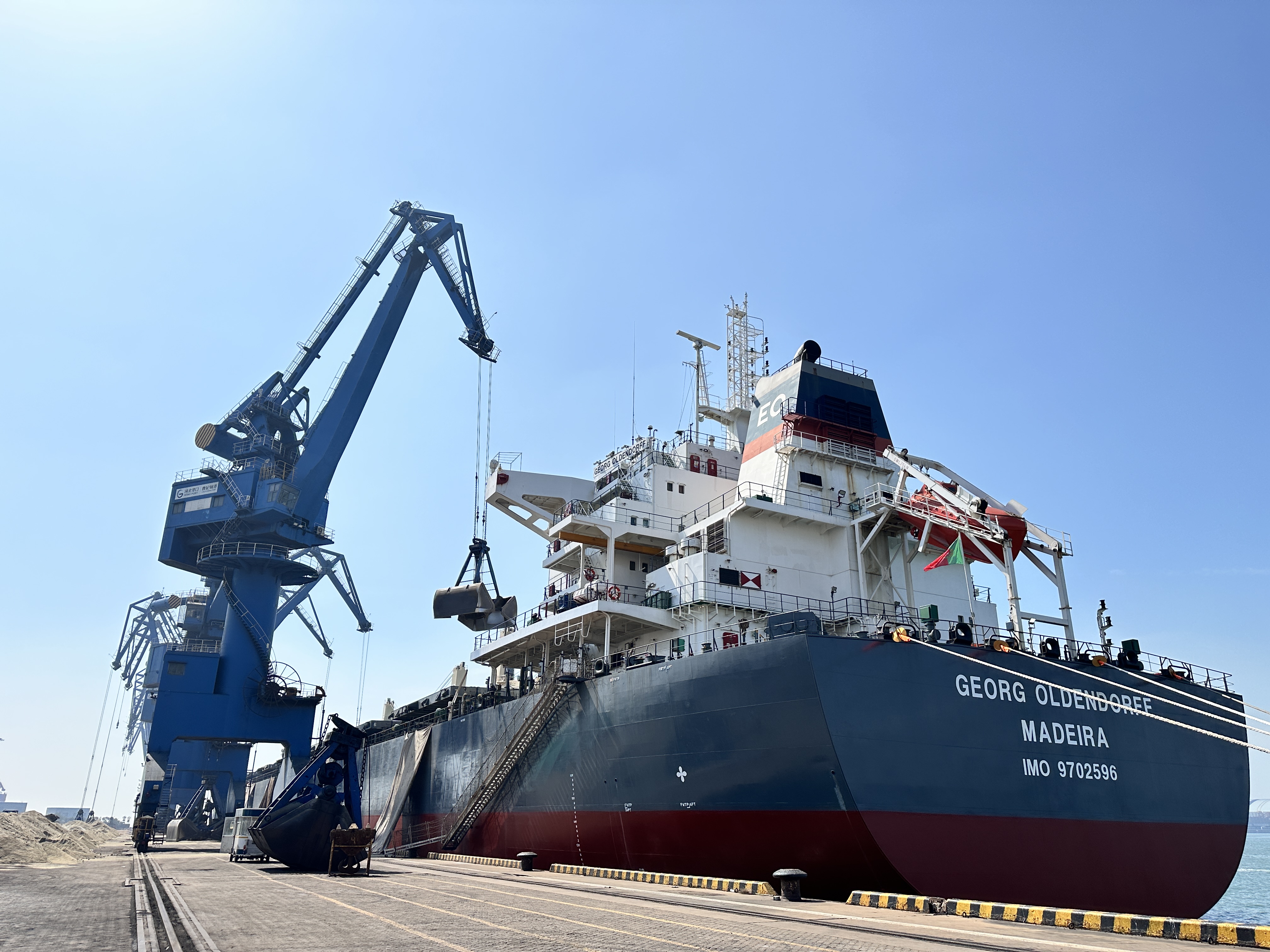
Recent trade reports out of Algeria offered a useful signal for exporters. One set of shipments reached the US and Spain, while another move from Skikda to Libya combined 5000t of clinker with 5800t and 3000t lots of bagged cement. That matters because it shows more than headline export activity. It shows a supplier system handling different destinations, different cargo programs and different commercial formats at nearly the same time.

1. Multiple destinations are becoming a stronger signal than one-off export headlines
An exporter shipping to the US, Spain and Libya is not simply adding volume. It is proving that its product, documentation and logistics can travel across different demand profiles. Those markets ask for different economics, different shipment planning and often different buyer expectations. In practice, that kind of destination spread is a sign of commercial adaptability. For buyers, it suggests the supplier is not dependent on a single lane or a narrow demand window.
That is relevant for clinker, bulk cement and slag-related trade too. In 2026, global buyers are still price sensitive, but they are also watching whether a supplier can stay active across changing routes. A broader destination mix often means a healthier export platform and better odds of sustained trade continuity.
2. Cargo-format flexibility is quietly becoming part of export competitiveness
The Libya shipment detail is especially useful because it was not one uniform cargo. It combined clinker and bagged cement, loaded through multiple vessels. That kind of mix says something important: the export system was prepared to handle different product forms rather than insisting on one standard loading program. For many suppliers, that is where competitiveness is either built or lost.
For SENLAN-related business, the lesson is familiar. Buyers do not all ask for the same packing, the same shipment size or the same discharge logic. Some want bulk vessel discipline. Others need jumbo bags, staged loading or more tailored lot planning. Suppliers that can move between these formats cleanly often protect more business than suppliers that only compete on price.
3. Port execution still decides whether export optionality becomes repeat business
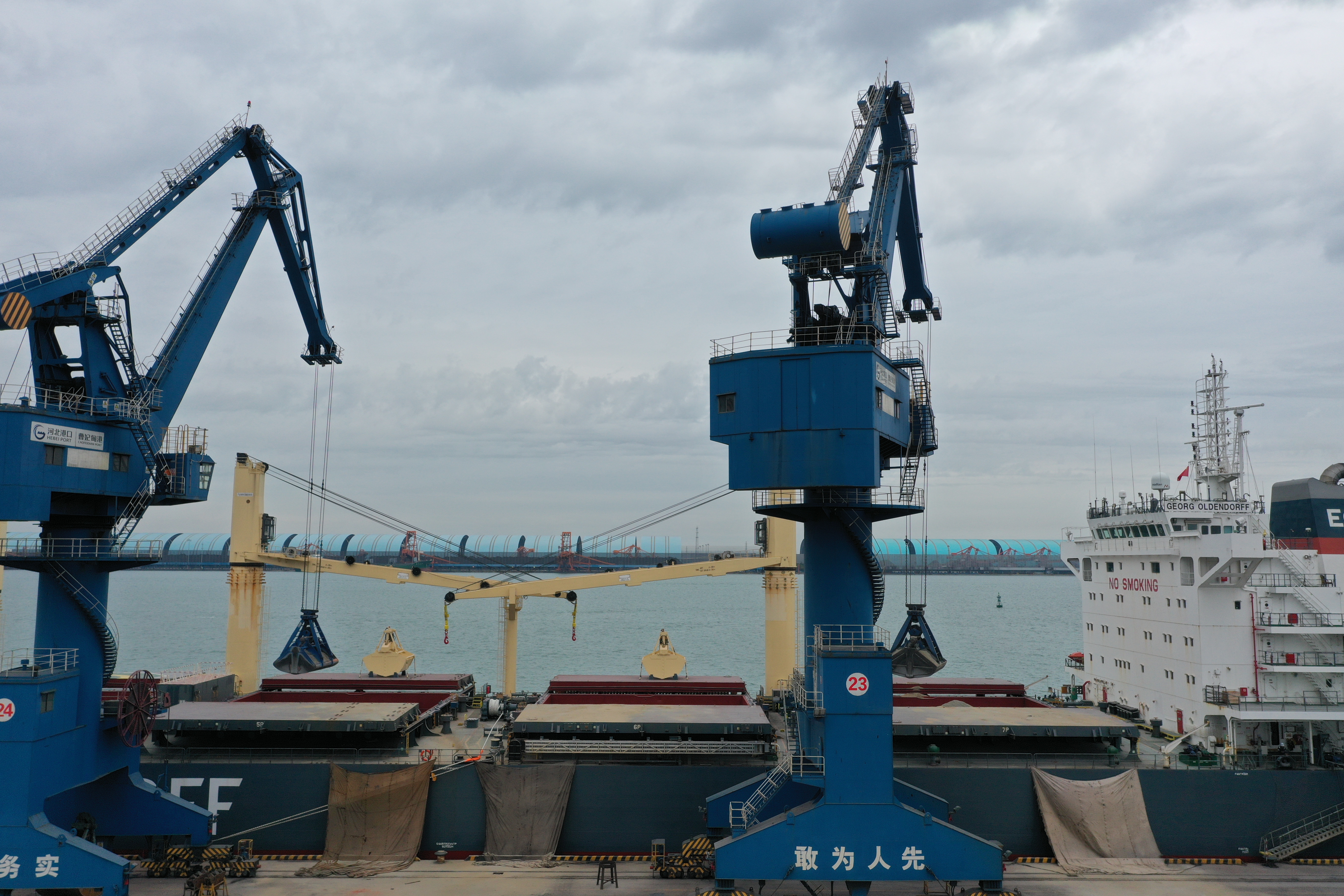
A wider route map only becomes valuable if the port side can support it. Different destinations and cargo types bring different timing pressures, inspection workflows, packaging needs and loading coordination. If those pieces are weak, multi-market ambition quickly turns into delay risk. If they are strong, the port becomes a commercial asset rather than just a loading point.
Takeaway: Algeria's recent shipments are a reminder that export growth in cement and clinker is becoming a flexibility business. The suppliers with the clearest advantage may be the ones that can serve more than one destination, manage more than one cargo format and still keep execution disciplined enough for buyers to come back.
阿尔及利亚近期的出运消息,给出口商提供了一个很有参考价值的信号。一部分货物发往美国和西班牙;另一部分从 Skikda 发往利比亚的货,则包含 5000 吨熟料、5800 吨袋装水泥以及另外 3000 吨袋装水泥。这个信息之所以重要,不只是因为“有出口”,而是因为它说明同一套供货系统,几乎在同一时期处理了不同目的地、不同货型和不同商业格式的出运安排。
1. 比起一次性的出口新闻,多目的地覆盖正在变成更强的信号
一个出口商能同时把货发往美国、西班牙和利比亚,意义不只是“多出了几船货”,而是说明它的产品、单证和物流能力,可以跨越不同的需求结构。不同市场对应不同的价格逻辑、装运安排,往往也对应不同的买方要求。实操里,这种目的地分散度,本质上是商业适应能力的体现。对买方来说,这意味着该供应方并不依赖单一航线,也不只押注某一个短期需求窗口。
这一点对熟料、散装水泥以及矿渣相关贸易同样有参考意义。到了 2026 年,全球买方当然仍然敏感于价格,但他们也会观察一个供应方能否在航线变化中保持活跃。更广的目的地组合,通常意味着更健康的出口平台,以及更高的持续供货概率。
2. 货型灵活性,正在悄悄变成出口竞争力的一部分
利比亚那一船的细节尤其值得看,因为它并不是单一标准货,而是同时包含熟料和袋装水泥,并通过多条船来完成。这说明一个很关键的问题:这套出口系统并不是只会跑一种标准装船方案,而是已经准备好处理不同产品形态。对很多供应商来说,竞争力恰恰就是在这里建立或丢失的。
放到森蓝相关业务里,这个道理并不陌生。买方不会都要求同样的包装、同样的装船吨位,也不会都采用同样的卸港逻辑。有的客户要散货船执行纪律,有的客户需要吨袋、分批装载或者更细的批次安排。能在这些格式之间平稳切换的供应方,往往比只会拼价格的供应方更容易守住业务。
3. 港口执行,仍然决定“选择空间”能否变成持续复购
更广的航线覆盖,只有在港口端能支撑的前提下才有价值。不同目的地和不同货型,会带来不同的时间压力、检验流程、包装要求和装船协同。如果这些环节薄弱,多市场布局很快就会变成延误风险;如果这些环节足够强,港口就不只是一个装货点,而会变成真正的商业资产。
结论:阿尔及利亚近期的出运提醒我们,水泥与熟料出口增长正在越来越像一门“灵活性生意”。真正更有优势的供应方,往往是那些既能覆盖不止一个目的地、又能处理不止一种货型,同时还能把执行纪律维持在让买方愿意复购的水平上的公司。
Explore products or discuss your inquiry.
If this export-flexibility trend is relevant to your sourcing plan, you can review our core product pages or contact us with quantity, target specification, loading method and discharge requirements.
Request a quote