SCM Supply Is Becoming a Processing-and-Procurement Business
June industry signals suggest the low-clinker market is becoming more practical. Buyers are not only asking what substitute materials exist. They are asking who can test them, process them, qualify them and ship them with dependable supply discipline.
SCM 供应正在变成一门“加工与采购”的生意
6 月的行业信号说明,低熟料市场正在进入更务实的阶段。买方关心的已经不只是“有没有替代材料”,而是“谁能把材料测出来、加工出来、认证下来,并且稳定地交付出去”。
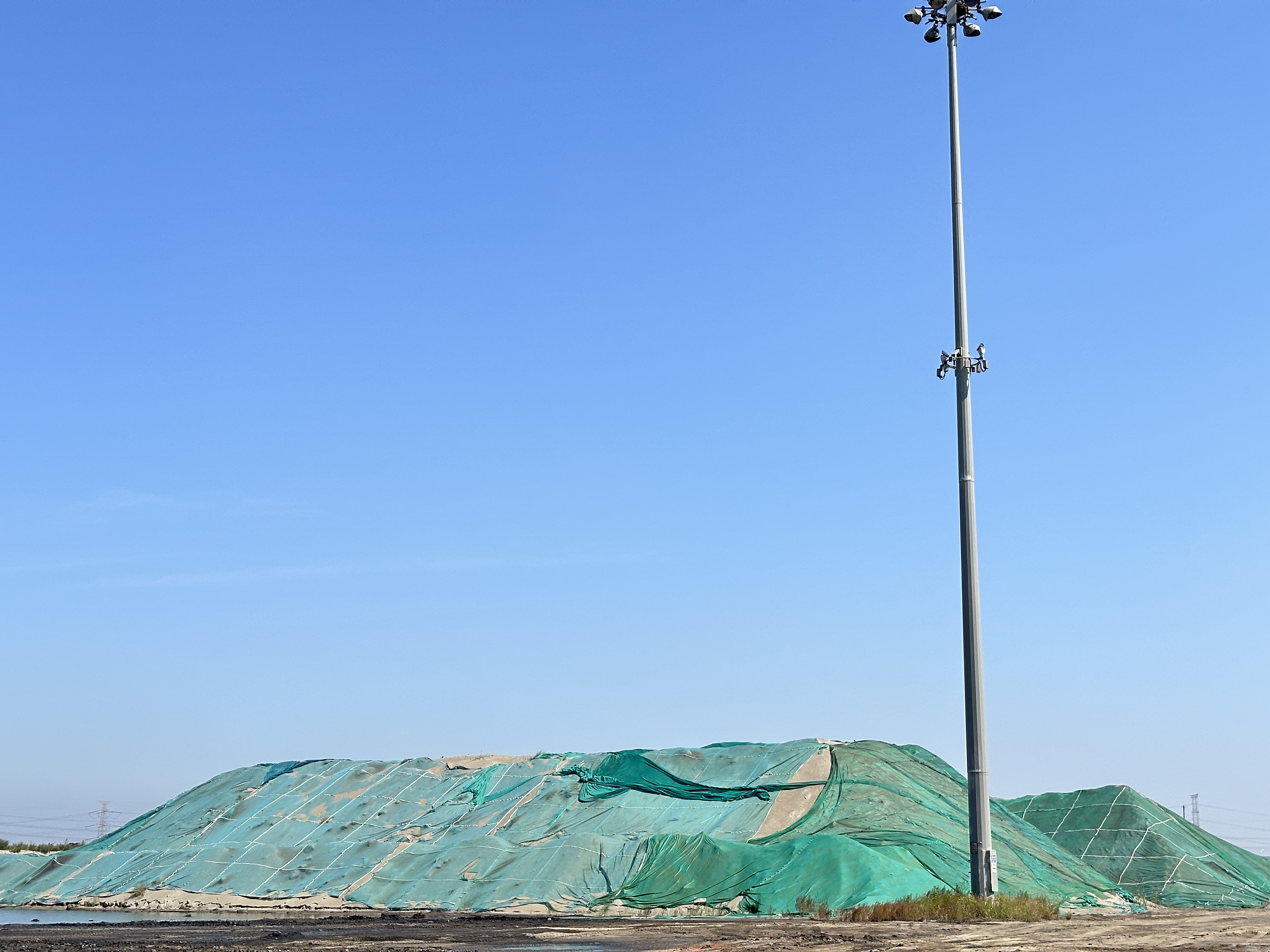
Several late-June signals point in the same direction. CRH said it opened a new pilot processing center and expanded testing capability for next-generation cementitious materials in Georgia. Hoffmann Green's H-CLAY launch kept the market focused on non-traditional low-clinker pathways. And recent market coverage described the SCM trade as entering 2026 with broader demand fundamentals, more disciplined procurement and a more regionally diversified supply structure. Put together, those signals suggest the market is moving beyond concept-stage enthusiasm.

1. The market is shifting from “alternative materials” to “processable materials”
That distinction matters for buyers and suppliers alike. It is relatively easy for the market to celebrate a new cementitious concept. It is much harder to qualify a material stream, stabilize particle performance, manage blending behavior and connect the result to real project specifications. When large players invest in pilot processing and testing infrastructure, the message is that future competitiveness depends on turning promising material classes into repeatable industrial output.
For slag-related supply chains, this is a practical reminder. GBFS and GGBFS already have the advantage of industrial familiarity, but buyers will still compare them against newer low-clinker options through the lens of consistency, qualification and delivered reliability. In other words, mature SCM streams still win when they stay easy to trust.
2. Procurement discipline is becoming as important as decarbonization language
Recent coverage of the SCM market has emphasized broader demand, but also more selective procurement. That combination usually means buyers are open to substitution, yet less willing to carry execution risk. They want clearer origin logic, tighter testing records, more predictable availability and fewer surprises after contract signature. As the supply base diversifies by region and by material type, procurement teams become less impressed by theory and more focused on operational proof.
This is where experienced exporters can still stand out. A supplier that can explain source stability, loading method, shipment rhythm and document discipline often feels more bankable than a supplier who only has a good sustainability headline. Low-carbon positioning still matters, but it travels through procurement systems before it turns into volume.
3. The winners may be the suppliers who combine material familiarity with execution depth
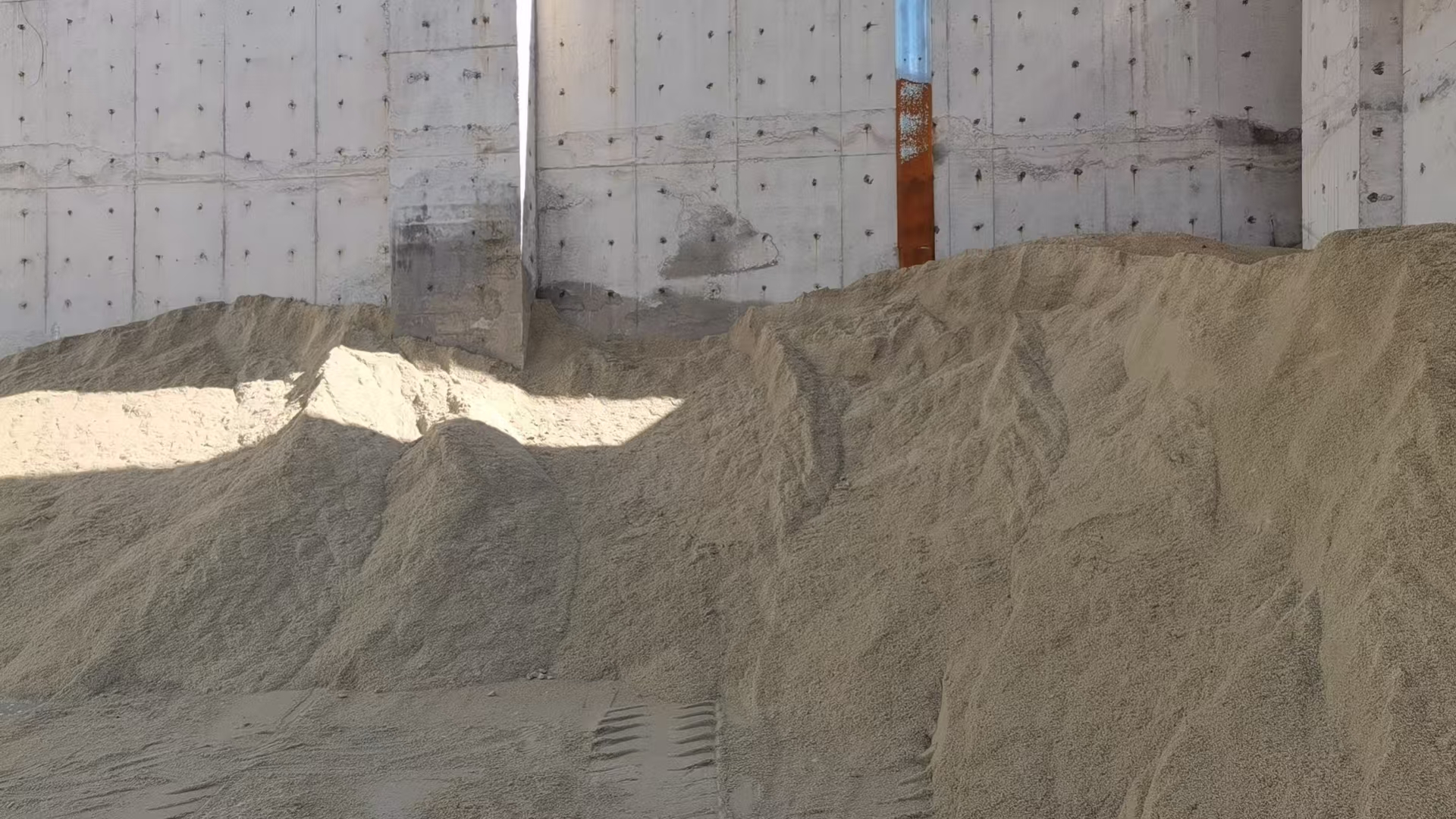
The broader SCM race is clearly expanding beyond traditional slag alone, and that matters. But expansion does not automatically displace established materials. It often raises the performance standard for everyone. Suppliers of GBFS and GGBFS can benefit if they respond with cleaner testing logic, better stockyard and terminal management, and more credible export execution. When buyers compare options, dependable process control can matter as much as chemistry.
Takeaway: the SCM market is getting more commercial and more operational at the same time. The next advantage belongs less to whoever tells the newest decarbonization story, and more to whoever can transform supplementary materials into qualified, processable and consistently shippable supply.
6 月下旬有几条信号,正在指向同一个方向。CRH 表示其在美国 Georgia 新开了面向下一代胶凝材料的试验加工中心,并扩展了检测能力;Hoffmann Green 推出 H-CLAY,则继续把市场注意力拉向传统矿渣之外的低熟料路线;与此同时,近期市场报道也把 2026 年的 SCM 市场概括为:需求基础更广、采购更克制、供应结构更区域化。把这些信号放在一起看,说明市场正在走出“概念阶段的兴奋”。
1. 市场正在从“替代材料”转向“可加工材料”
这个区别对买卖双方都很重要。市场要为一个新的胶凝材料概念喝彩,并不难;真正难的是把某种材料流稳定下来、把粒度和性能控制住、把掺配行为摸透,并把最终结果接进真实项目规范里。当大型参与者开始投入试验加工和检测基础设施时,它释放出的信息就是:未来竞争力取决于谁能把“有潜力的材料类别”变成“可重复的工业输出”。
对矿渣相关供应链来说,这其实是个很务实的提醒。GBFS 和 GGBFS 本身已经具有更成熟的工业认知优势,但买方仍会把它们和新的低熟料选项一起比较,比较的维度就是一致性、认证便利度和到货可靠性。换句话说,成熟的 SCM 体系之所以能赢,仍然是因为它足够“让人放心”。
2. 采购纪律,正在变得和减碳叙事一样重要
近期关于 SCM 市场的报道既强调了需求变广,也强调了采购更加谨慎。这个组合通常意味着:买方愿意尝试替代,但越来越不愿意替供应端承担执行风险。他们需要更清晰的来源逻辑、更完整的检测记录、更可预判的供货节奏,以及签约之后更少的意外。随着供应来源按地区和材料类型不断分化,采购团队会越来越少被“理论正确”打动,而越来越关注“执行证明”。
这也是有经验的出口商仍能脱颖而出的地方。一个能说清楚来源稳定性、装载方式、出货节奏和单证纪律的供应方,往往比一个只会讲可持续故事的供应方更容易被视为可成交、可履约的对象。低碳定位仍然重要,但它必须先穿过采购体系,才能真正变成销量。
3. 真正的赢家,可能是把材料熟悉度和执行深度结合起来的供应方
更广义的 SCM 竞争,显然正在从传统矿渣继续往外扩,这一点确实重要。但“扩张”并不自动意味着成熟材料被取代,它更多时候是在抬高所有参与者的表现门槛。对 GBFS 和 GGBFS 供应商来说,只要在检测逻辑、堆场管理、港口衔接和出口执行上做得更干净,反而会在比较中受益。买方真正比较时,过程控制能力往往和化学指标一样重要。
结论:SCM 市场正在同时变得更商业化,也更运营化。下一阶段的优势,不会只属于最会讲新减碳故事的人,而会属于那些能把掺合料真正做成“可认证、可加工、可稳定发运”供货能力的人。
Explore products or discuss your inquiry.
If this SCM trend is relevant to your sourcing plan, you can review our core product pages or contact us with quantity, target specification, loading method and discharge requirements.
Request a quote