SCM Growth Is Making Shipment-Ready Supply the Real Advantage
Recent SCM and dry-bulk market signals show that lower-clinker cement demand is becoming a practical procurement issue. For GBFS and GGBFS buyers, the advantage is qualified material, port readiness and disciplined shipment planning.
SCM 增长正在让可发运供应成为真正优势
近期 SCM 与干散货市场信号显示,低熟料水泥需求正在变成实际采购问题。对 GBFS 与 GGBFS 买方来说,优势来自合格材料、港口准备度和严谨发运计划。
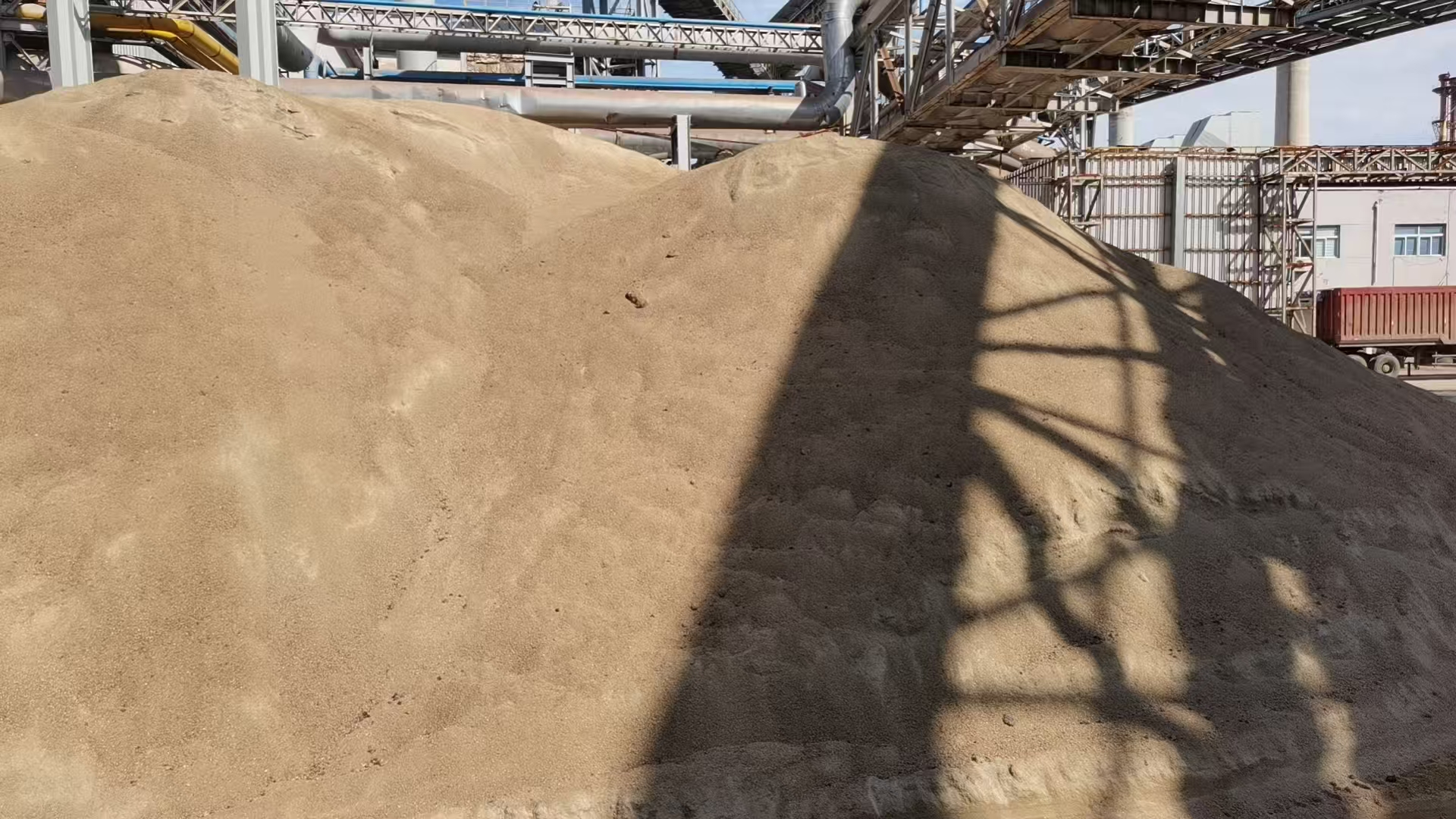
Recent market reports point to steady growth in supplementary cementitious materials as cement producers and concrete users reduce clinker factors. At the same time, July dry-bulk commentary has shown positive sentiment in parts of the shipping market, but also reminded cargo owners that vessel availability and freight windows can change quickly.

1. Demand is becoming more specification-led
The broader SCM story is no longer only about decarbonization. Buyers increasingly need reliable material that can support cement performance, pass testing and fit local standards. That makes chemistry, moisture condition, particle control and source consistency part of the commercial offer, not just technical paperwork.
2. Shipment readiness is becoming a filter
When freight sentiment improves, buyers may want to move quickly. But bulk cementitious cargoes still need confirmed quantity, loading method, port plan, survey arrangements and document timing. A supplier with material in stock but weak shipment coordination can still miss the useful window.

3. Port discipline turns SCM demand into cargo
For Chinese GBFS and GGBFS export routes, port execution matters because the product is often sold into project-driven demand. Buyers should align specification, quantity, discharge port, laycan and whether the shipment is bulk vessel, jumbo bag or container before freight is fixed.
Takeaway: SCM growth is a real signal for slag-based cementitious materials, but the commercial advantage belongs to supply chains that can make cargoes verifiable, bookable and ready for the vessel.
近期市场报告显示,随着水泥和混凝土用户降低熟料系数,补充胶凝材料需求仍在增长。与此同时,7 月干散货市场评论显示部分航运市场情绪积极,但也提醒货主:船舶可用性和运费窗口变化可能很快。
1. 需求正在更看重规格
SCM 的市场叙事已经不只是减碳。买方越来越需要能够支撑水泥性能、通过检测并符合当地标准的稳定材料。因此,化学指标、含水状态、颗粒控制和来源稳定性,正在成为商业报价的一部分,而不只是技术附件。
2. 发运准备度正在成为筛选条件
当运费情绪改善时,买方往往希望快速锁定货盘。但大宗胶凝材料仍需要提前确认数量、装载方式、港口计划、检验安排和单证时间。即使有库存,如果发运协调薄弱,也可能错过有利窗口。
3. 港口纪律把 SCM 需求变成真实货盘
对中国 GBFS 与 GGBFS 出口路线来说,港口执行很重要,因为这类产品往往对应项目型需求。买方应在锁定运费前,先统一规格、数量、卸港、laycan,以及散货船、吨袋或集装箱等装载方式。
结论:SCM 增长确实利好矿渣类胶凝材料,但真正的商业优势属于那些能让货盘可验证、可订舱、可上船的供应链。
Planning GGBFS or GBFS supply?
Please share quantity, specification, discharge port, laycan and loading method so material readiness and shipment execution can be checked together.
Request a quote