SCM Growth Is Turning Lower-Clinker Cement Into a Supply-Discipline Business
Recent SCM market signals point to sustained demand for slag, fly ash and other cementitious materials as cement producers lower clinker factors. The commercial challenge is no longer only low-carbon ambition; it is verified, shipment-ready supply discipline.
SCM需求增长正在把低熟料水泥变成一门供应纪律生意
近期 SCM 市场信号显示,随着水泥企业降低熟料系数,矿渣、粉煤灰等胶凝材料需求仍在扩大。商业挑战已经不只是低碳愿景,而是可验证、可发运、可持续执行的供应纪律。
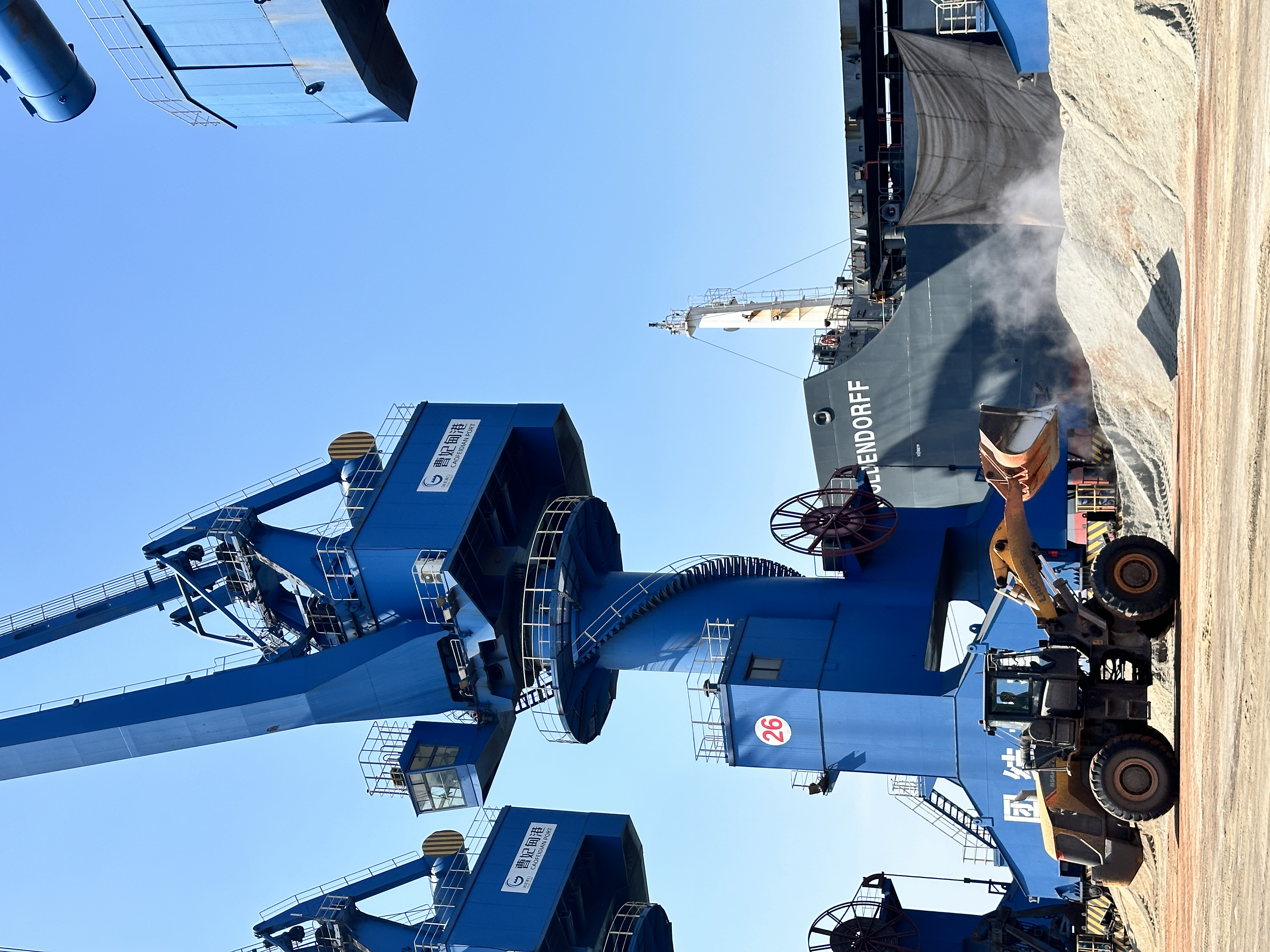
Recent market reports continue to frame supplementary cementitious materials as a growth category. The drivers are familiar but powerful: cement producers want lower clinker factors, project owners ask for lower embodied carbon, and standards in many markets increasingly accept blended cement and concrete systems. For slag, fly ash, calcined clay and related materials, this creates demand that is more structural than a short promotional cycle.
1. Growth is real, but buyers will not buy slogans
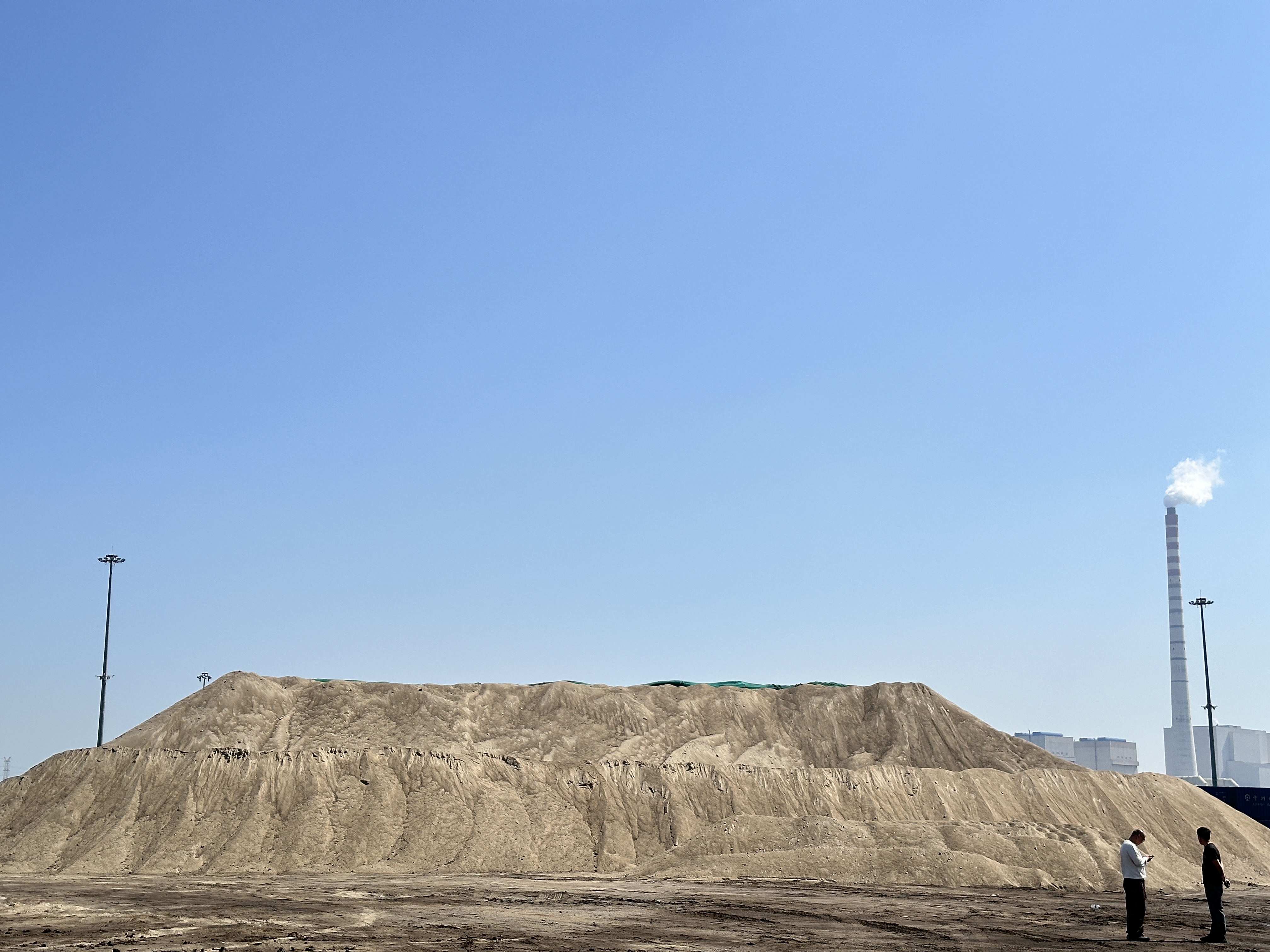
Forecasts for SCM consumption point to long-term expansion, especially where infrastructure growth meets decarbonization pressure. But procurement teams still make decisions through specifications, test reports, supply history and risk control. A buyer may like the carbon story, but the purchase order depends on whether the material can meet the required chemistry, fineness, availability and delivery window.
This is why the most important low-carbon question is often operational: can the seller deliver the same material consistently, in the right form, at the right time?
2. Lower clinker factor raises the value of reliable inputs
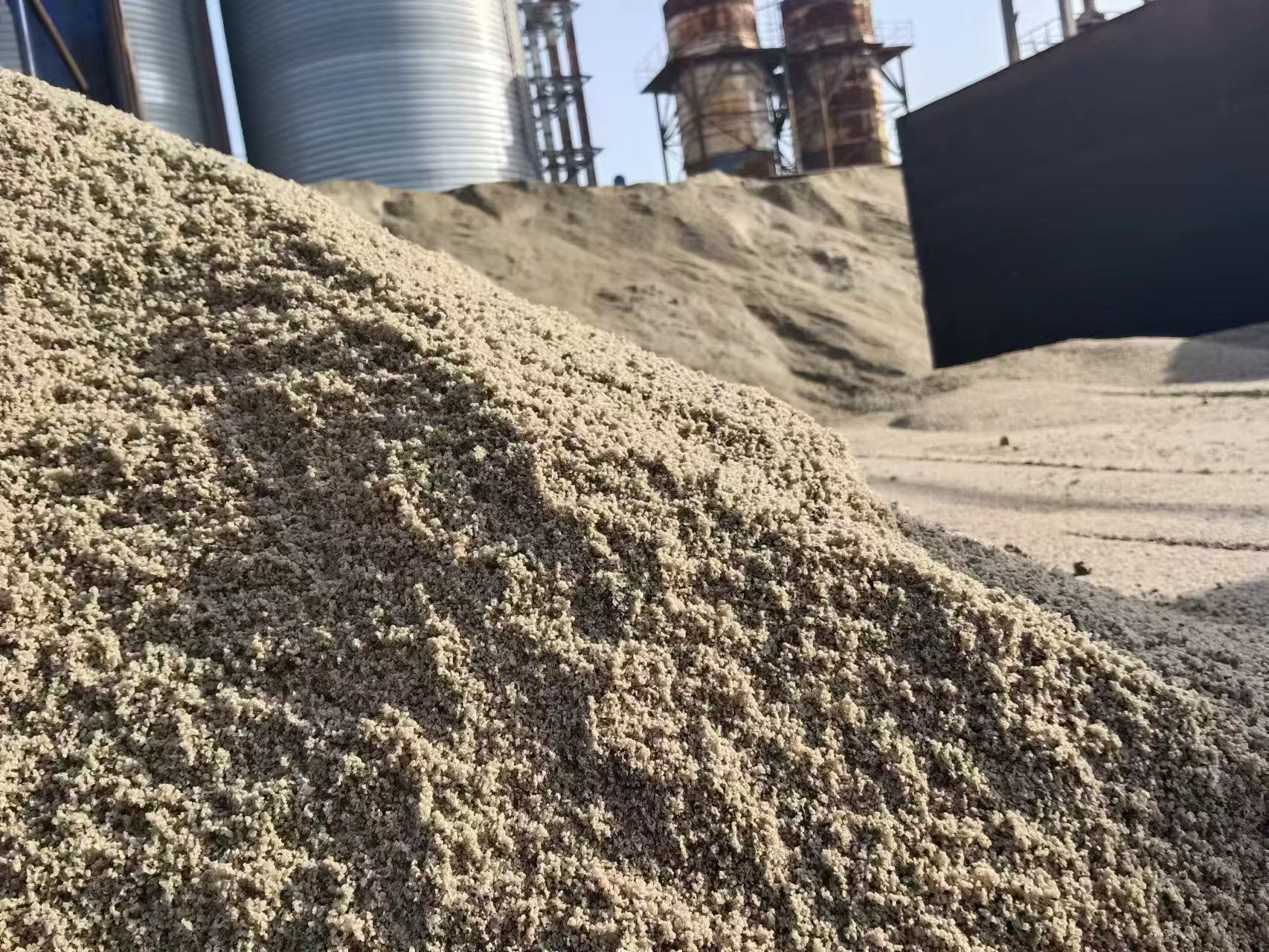
When producers reduce clinker use, each alternative input carries more responsibility in the final cement or concrete performance. That makes quality screening, moisture management, storage, grinding suitability and document discipline more visible. GBFS and GGBFS can be valuable in this shift, but only when the cargo plan is matched with the buyer's technical and logistics requirements.
3. The trade advantage is shipment-ready discipline
SCM demand can be strong on paper while real transactions remain slow if the supplier cannot answer basic execution questions: available quantity, laycan, loading method, bulk or bagged format, inspection path, port readiness and discharge constraints. In a market where more buyers are exploring low-carbon blends, the supplier who can turn a technical requirement into a workable shipment will stand out.
Takeaway: the SCM market is growing, but growth will not reward vague claims. It will reward qualified materials, realistic cargo planning and reliable export execution.
近期市场报告继续把辅助性胶凝材料视为增长品类。背后的驱动因素很清楚:水泥企业希望降低熟料系数,项目业主要求更低隐含碳,许多市场的标准也越来越接受混合水泥与混凝土体系。对矿渣、粉煤灰、煅烧黏土及相关材料来说,这种需求更像结构性变化,而不是短期宣传周期。
1. 增长是真实的,但买方不会为口号下单
SCM 消费预测普遍指向长期增长,尤其是在基础设施需求和减碳压力同时存在的市场。但采购团队仍然通过规格、检测报告、供应记录和风险控制来做决定。买方可能认可低碳故事,但订单是否落地,取决于材料能否满足化学指标、细度、可得性和交付窗口。
因此,最重要的低碳问题往往是操作层面的:卖方能否持续交付同等质量、同等形态、按时可发运的材料?
2. 熟料系数降低,会放大可靠原料的价值
当生产商降低熟料用量时,每一种替代性投入品都要承担更多最终性能责任。这会让质量筛选、水分管理、仓储、粉磨适配和单证纪律更受关注。GBFS 和 GGBFS 在这个转向中具有价值,但前提是货盘方案能与买方的技术和物流要求匹配。
3. 真正的贸易优势,是可发运的纪律
纸面上的 SCM 需求可以很强,但如果供应方无法回答基本执行问题,真实交易仍会变慢:可供数量、laycan、装载方式、散装或袋装、检验路径、港口准备度和卸港限制。在越来越多买方探索低碳配方的市场里,能把技术要求转化为可执行发运方案的供应商会更突出。
结论:SCM 市场在增长,但增长不会奖励模糊宣传。它会奖励合格材料、真实货盘规划和可靠出口执行。
Checking SCM supply for a lower-clinker blend?
For GGBFS or GBFS inquiries, please share quantity, target specification, laycan, loading method and discharge port so the cargo plan can be checked realistically.
Request a quote