Low-Carbon Cement Adoption Is Turning SCM Supply Into an Execution Business
Recent low-carbon cement initiatives and SCM market-growth signals show why reliable GGBFS, GBFS and other supplementary cementitious material supply is becoming a practical trade advantage, not only a sustainability claim.
低碳水泥加速落地,SCM 供应正在变成一门“执行生意”
近期低碳水泥联盟与 SCM 市场增长信号说明,可靠的 GGBFS、GBFS 与其他辅助胶凝材料供应,正在从环保叙事变成真实的贸易执行优势。
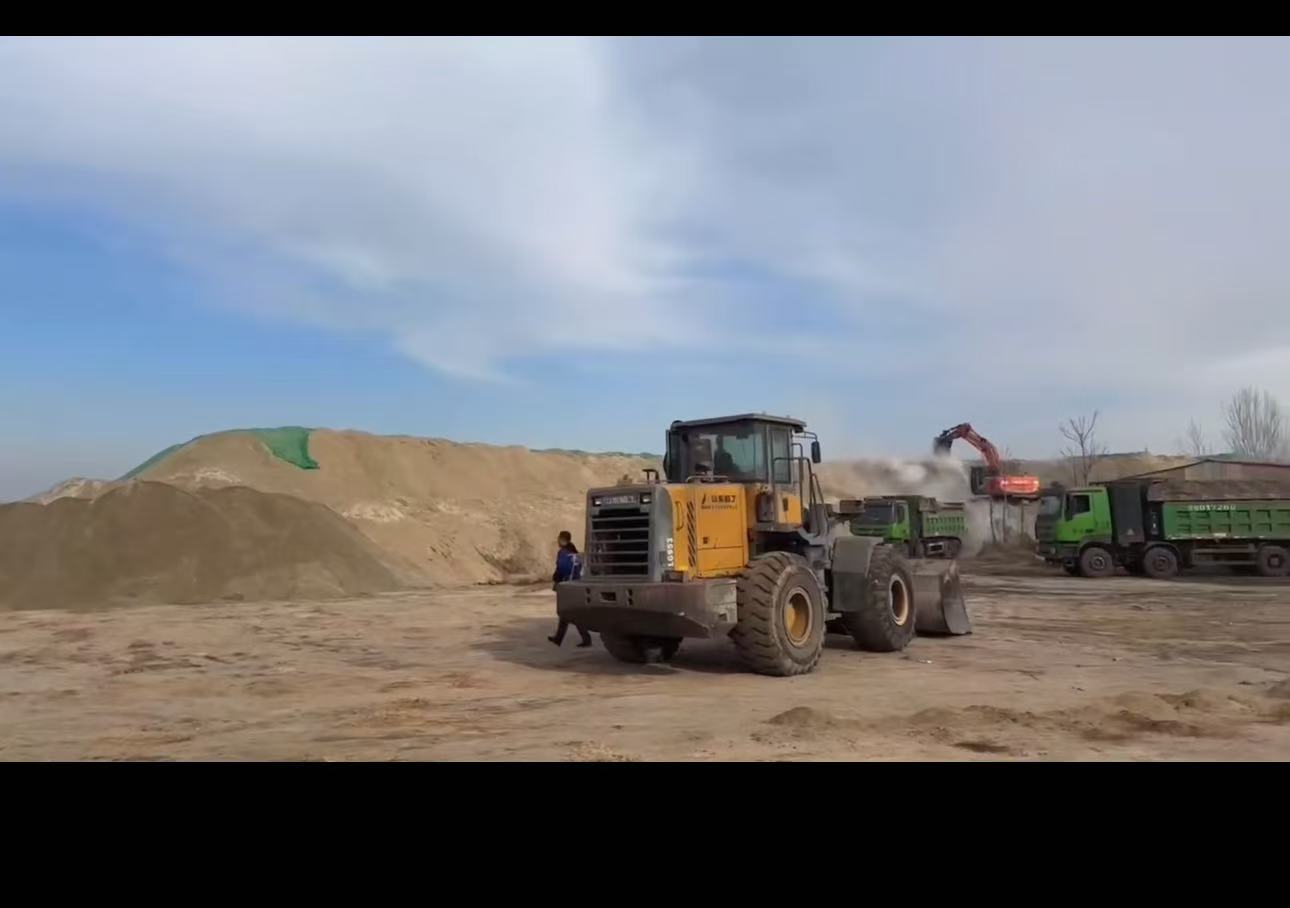
This week’s industry signals point in the same direction. In France, construction value-chain companies announced an alliance to accelerate low-carbon concrete and cement adoption. Separately, market research coverage continues to describe supplementary cementitious materials as a growing global category, while dry-bulk commentary still highlights volatility and the importance of disciplined cargo planning.
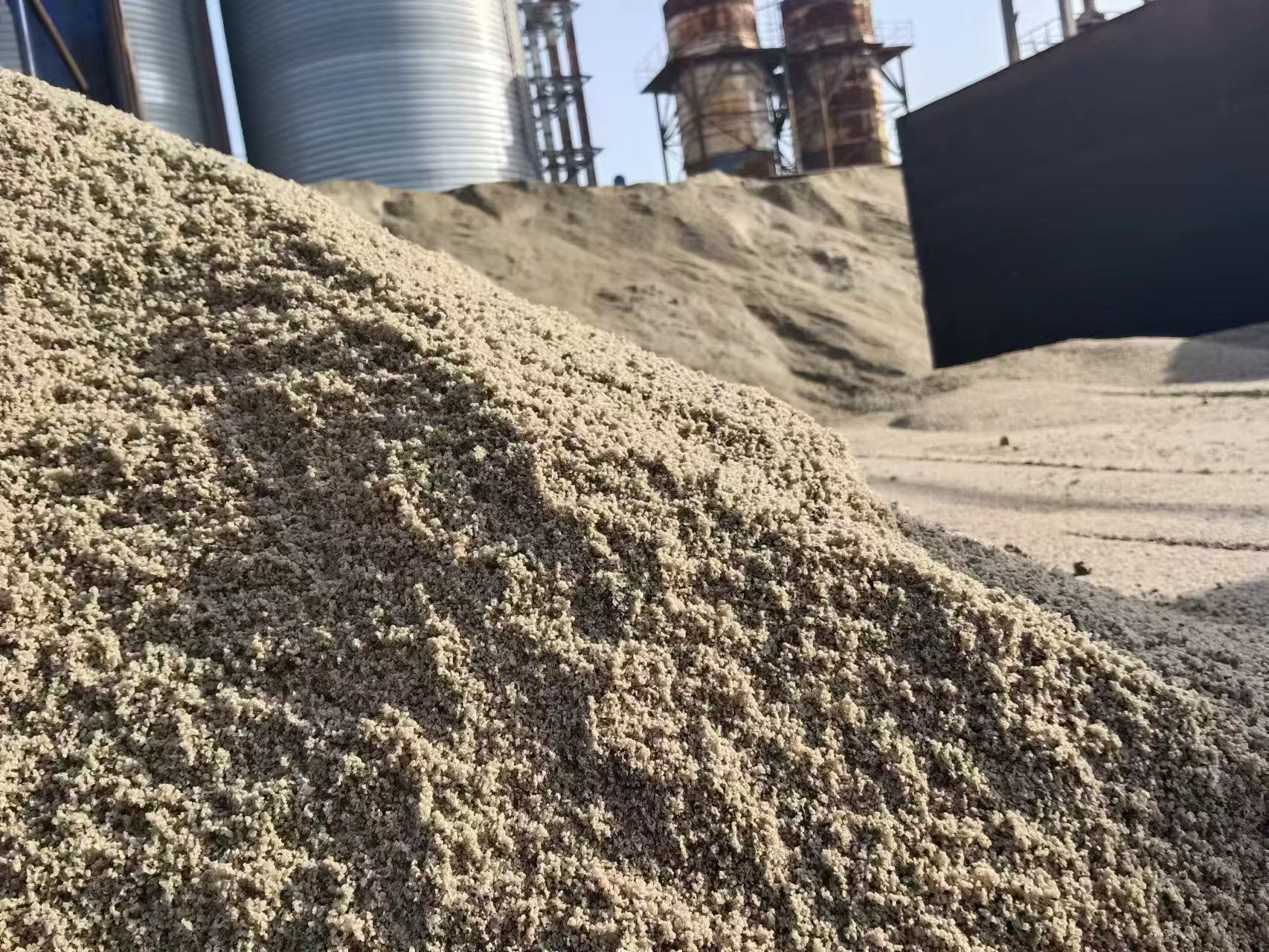
1. Low-carbon adoption is becoming a supply-chain issue
When contractors, distributors and cement producers organize around low-carbon cement, the discussion quickly becomes operational. Lower-clinker products need dependable supplementary materials, stable performance data and delivery windows that match real projects. A product promise is only useful if the material arrives in the right form, at the right port and with the right documents.
That makes GGBFS and GBFS strategically relevant. They sit at the intersection of cement performance, clinker reduction and bulk-material logistics.
2. SCM growth rewards verified, repeatable streams
SCM demand headlines can sound broad, but procurement teams still buy specific cargoes. They care about chemistry, fineness or feedstock condition, moisture control, packaging format, survey readiness and whether the next shipment will look like the first one. This is where suppliers with plant access, port coordination and clear quotation checklists can create trust.
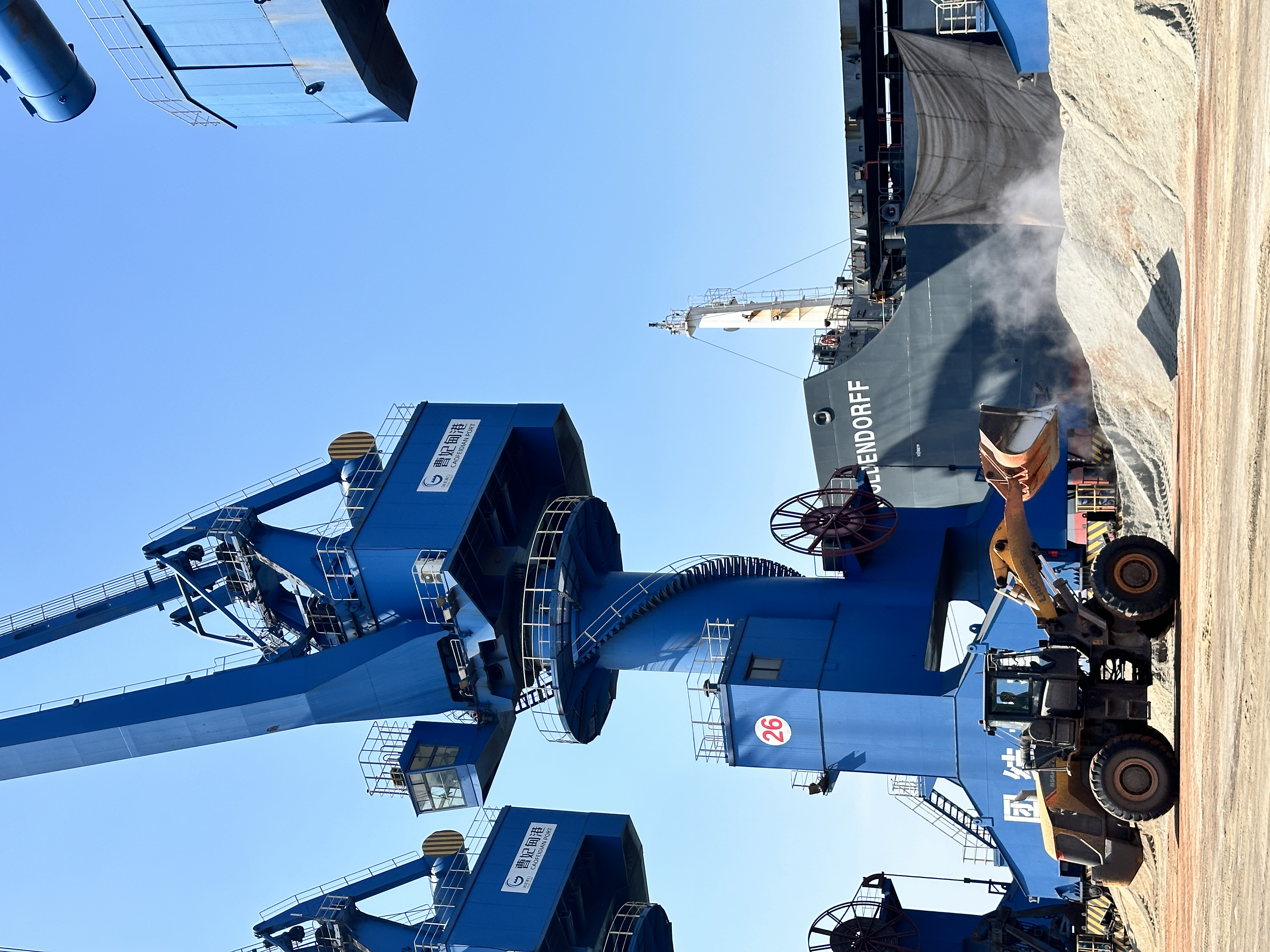
3. Freight volatility makes planning part of the offer
Dry-bulk markets remain sensitive to commodity flows, vessel positioning and sentiment. For cementitious cargoes, that means the lowest headline price is rarely the whole answer. A stronger offer combines material availability with realistic cargo size, loading rate, bagged or bulk options and a route plan that can survive schedule pressure.
Takeaway: low-carbon cement adoption is good news for SCM demand, but it raises the standard for suppliers. Buyers will increasingly favor partners who can turn GGBFS, GBFS and related materials into repeatable, inspected and logistics-ready cargoes.
本周行业信号指向同一个方向:法国建筑产业链企业宣布成立联盟,加速低碳混凝土与低碳水泥的采用;同时,市场研究继续把辅助胶凝材料描述为增长型全球品类;干散货市场评论则提醒,运价和船舶情绪仍有波动,货盘计划必须更有纪律。
1. 低碳落地,本质上正在变成供应链问题
当承包商、经销商和水泥企业围绕低碳水泥组织行动时,话题很快就会从概念转向执行。低熟料产品需要可靠的辅助胶凝材料、稳定的性能数据,以及能匹配真实项目节奏的交付窗口。产品承诺只有在材料以合适形态、到达合适港口并配齐单据时,才真正有商业意义。
这也是 GGBFS 和 GBFS 的战略价值所在:它们同时连接水泥性能、熟料替代和大宗物流执行。
2. SCM 增长,会奖励可验证、可重复的货源
SCM 需求增长的新闻看起来很宏观,但采购团队最终买的是一船一船具体货物。他们关心化学指标、细度或原料状态、水分控制、包装方式、检验准备,以及下一船是否能和上一船保持一致。拥有工厂端、港口协调和清晰报价前置清单的供应商,更容易建立信任。
3. 运费波动让计划能力成为报价的一部分
干散货市场仍然容易受到大宗商品流向、船位和市场情绪影响。对胶凝材料货盘来说,这意味着最低表面价格并不是完整答案。更强的报价,是把材料可得性、合理货量、装船效率、吨袋或散装选择,以及能够承受排期压力的航线计划结合起来。
结论:低碳水泥加速采用,对 SCM 需求是利好,但也提高了供应商门槛。买方会越来越偏向那些能把 GGBFS、GBFS 和相关材料做成可重复、可检验、物流就绪货盘的合作伙伴。
Explore products or discuss your inquiry.
If GGBFS, GBFS or related low-carbon cementitious material supply is relevant to your sourcing plan, please share quantity, target specification, loading method and discharge requirements.
Request a quote