China–West Africa Direct Route Shows Clinker Trade Is Becoming a Port-Fit Execution Business
COSCO SHIPPING Bulk’s new China–West Africa direct breakbulk and dry-bulk route, with maiden cargo led by bulk cement clinker and engineering equipment, shows why vessel fit, small-port access and loading discipline matter for cementitious trade.
中国—西非直达航线释放信号:熟料贸易正变成一门“港口适配 + 执行力”生意
COSCO SHIPPING Bulk 新开中国—西非直达件杂货与干散货航线,首航货物以散装水泥熟料和工程设备为主,说明船型匹配、中小港口适配和装船纪律正在成为水泥建材贸易的关键变量。
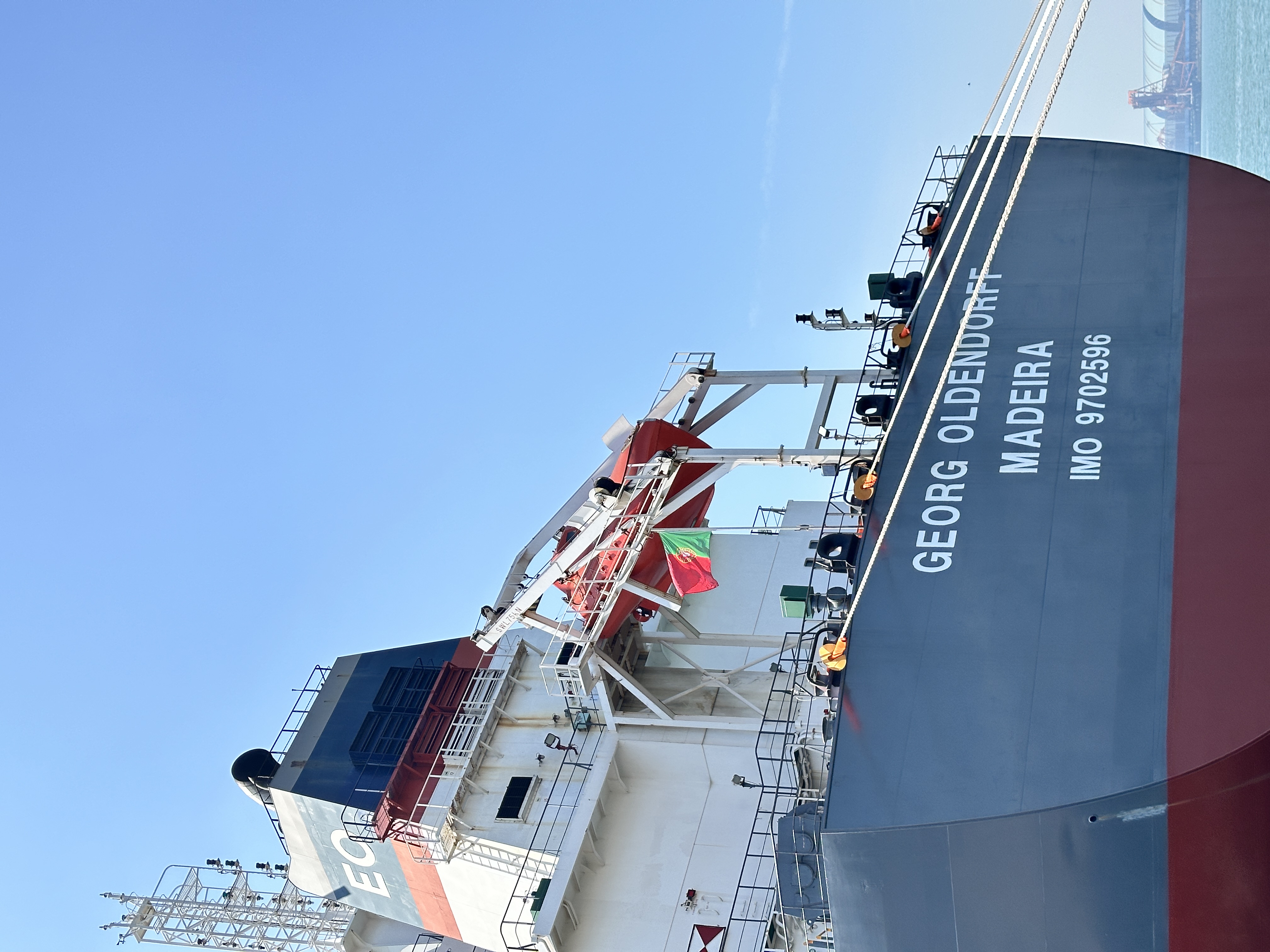
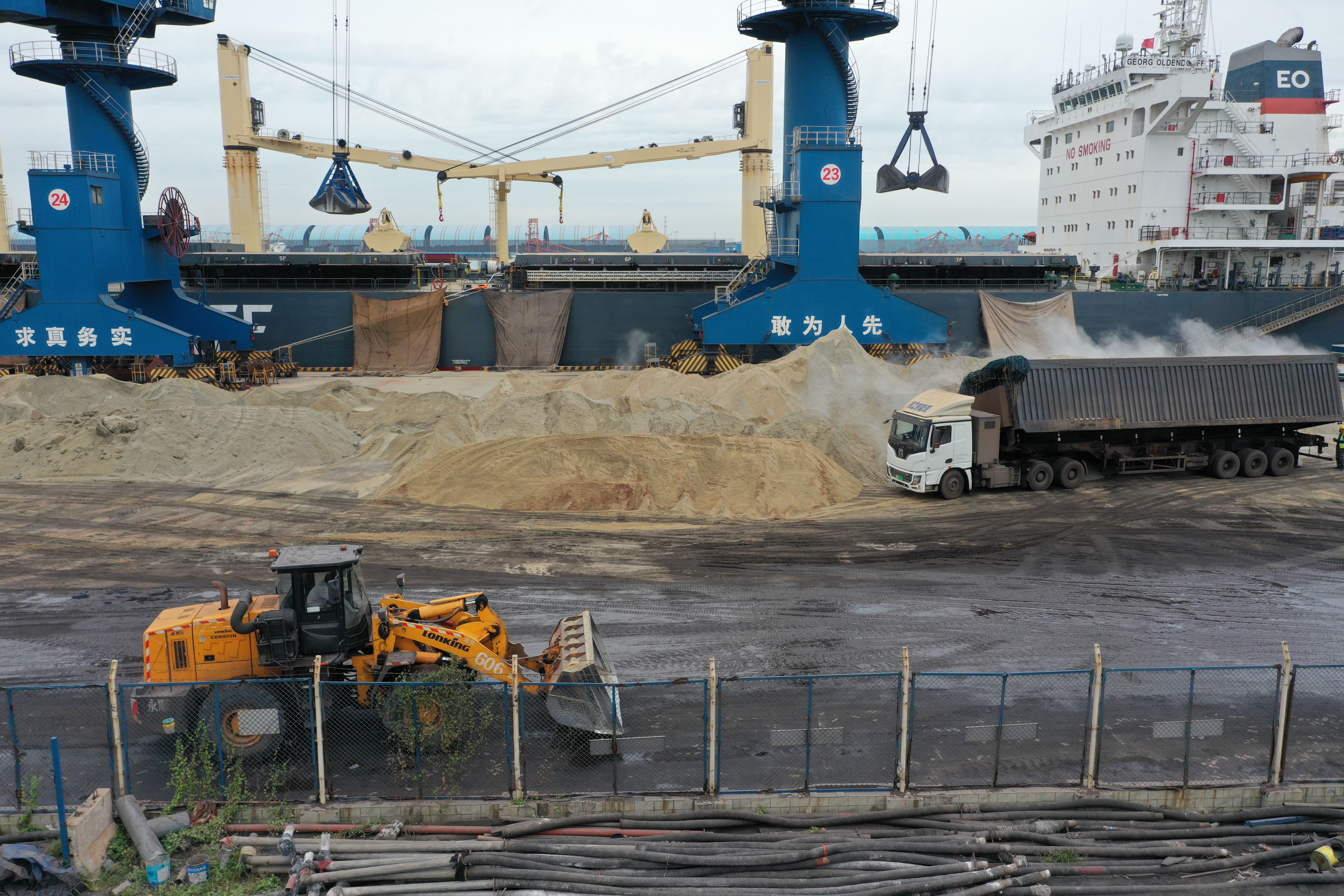
A recent Dry Bulk report said COSCO SHIPPING Bulk has launched a direct China–West Africa breakbulk shipping route. The maiden vessel is described as a handysize bulk carrier with shallow draft and flexible port adaptability, suitable for calls at small and medium West African ports. Its cargo mix includes dry bulk and breakbulk commodities, led by bulk cement clinker and engineering equipment, with additional bagged cargo, vehicles, steel pipe piles and steel balls.
1. West Africa demand still depends on practical import logistics
West Africa remains a structurally important destination for cement and clinker flows because local grinding capacity, infrastructure demand and variable domestic raw-material availability do not always move at the same speed. A direct route that explicitly includes bulk cement clinker is therefore more than a shipping headline. It points to a market where import logistics can still shape supply availability.
For buyers, the commercial question is not simply whether cargo exists. It is whether the cargo can be matched with the right vessel, berth condition, discharge plan and timing window.
2. Handysize flexibility matters for smaller and medium ports
The reported use of a handysize vessel is important. Many clinker and construction-material destinations cannot always rely on deep-draft, high-throughput infrastructure. Smaller drafts, flexible gear arrangements and practical cargo-handling plans can open ports that look difficult on paper.
This is where execution becomes part of the product. A clinker or GBFS offer becomes stronger when the supplier can discuss laycan, loading method, bulk-loss assumptions, bagged options, draft limits and document readiness with the same seriousness as price.
3. The real signal is repeatable corridor execution
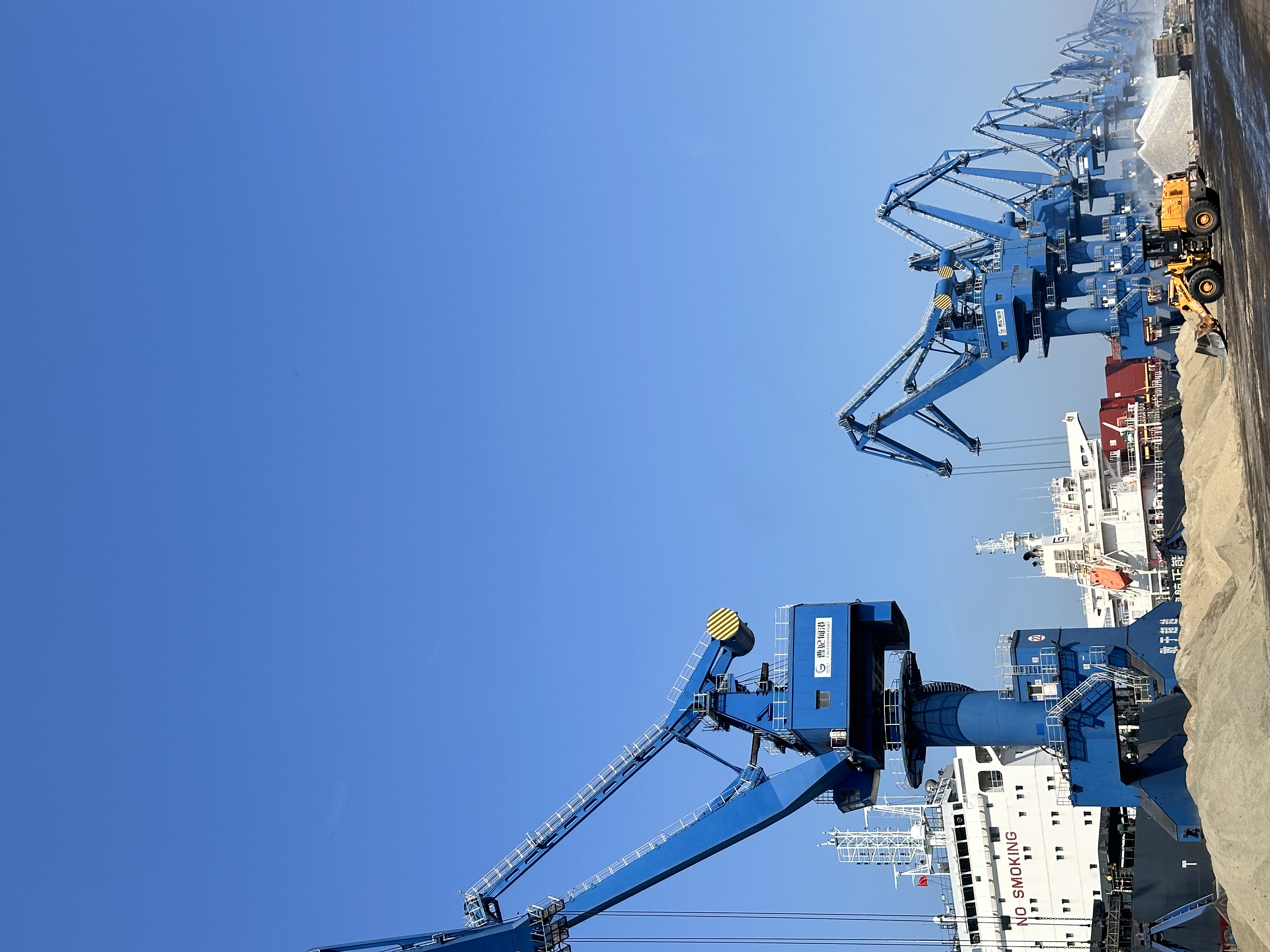
A maiden voyage proves market interest, but repeat cargoes require a more disciplined chain: available material, stable quality, port stock readiness, reliable survey and documentation, and a route plan that fits the destination. For cementitious trade, these details are often where margin and trust are won.
Takeaway: the China–West Africa route is a useful signal for clinker and bulk-material exporters. The next advantage may not come from the largest cargo promise, but from suppliers who can make a corridor work repeatedly, calmly and with clear technical and logistics discipline.
Dry Bulk 最近报道称,COSCO SHIPPING Bulk 新开了一条中国—西非直达件杂货航线。首航船舶为一艘 Handysize 散货船,特点是吃水较浅、港口适应性强,适合挂靠西非中小型港口。其货物结构同时包括干散货与件杂货,其中以散装水泥熟料和工程设备为主,并搭配吨袋货、车辆、钢管桩和钢球等货种。
1. 西非需求仍然高度依赖可执行的进口物流
西非一直是水泥与熟料流向中的重要目的地之一。当地粉磨能力、基础设施需求和本地原料条件,并不总是同步发展。因此,一条明确把散装水泥熟料列为重点货种的直达航线,不只是航运新闻,也说明进口物流仍然会直接影响供应可得性。
对买方来说,商业问题并不只是“有没有货”。更关键的是,这批货能不能匹配合适船型、泊位条件、卸货方案和装货窗口。
2. Handysize 灵活性,对中小港口尤其重要
报道中提到 Handysize 船型,这一点很有意义。很多熟料和建材目的港,并不一定具备深吃水、高吞吐的港口条件。较浅吃水、更灵活的船舶与装卸安排,往往能打开一些纸面上看起来更难操作的港口。
这也是为什么执行能力会成为产品的一部分。熟料、GBFS 或 GGBFS 的报价,如果能够同时把 laycan、装载方式、散装损耗、吨袋选项、吃水限制和单据准备讲清楚,可信度会明显更强。
3. 真正的信号,是通道能否稳定复用
首航证明了市场兴趣,但能否形成持续货盘,还要看更完整的链条:可用货源、稳定质量、港口库存准备、可靠检验与单据,以及与目的港条件匹配的航线方案。对水泥建材贸易来说,利润和信任经常就在这些细节里形成。
结论:中国—西非直达航线对熟料和大宗建材出口商是一个有价值的信号。下一阶段的优势,未必属于喊出最大货量的一方,而是属于那些能把一条贸易通道稳定、冷静、按技术和物流纪律反复跑通的供应方。
Explore products or discuss your inquiry.
If West Africa clinker, GBFS, GGBFS or related bulk-material supply is relevant to your sourcing plan, you can review our core product pages or contact us with quantity, target specification, loading method and discharge requirements.
Request a quote