July Dry Bulk Sentiment Raises the Planning Bar for Cementitious Cargoes
Recent dry-bulk market signals show firmer sentiment in parts of July, but also uneven vessel availability and route-specific pressure. For cement, clinker, GBFS and GGBFS cargoes, the practical answer is disciplined laycan, loading-method and port-execution planning.
7月干散货情绪抬升,胶凝材料货盘更需要提前规划
近期干散货市场信号显示,7月部分航段情绪偏强,但船位可得性与航线压力并不均衡。对水泥、熟料、GBFS 与 GGBFS 货盘来说,真正的应对是更严谨的 laycan、装载方式与港口执行规划。
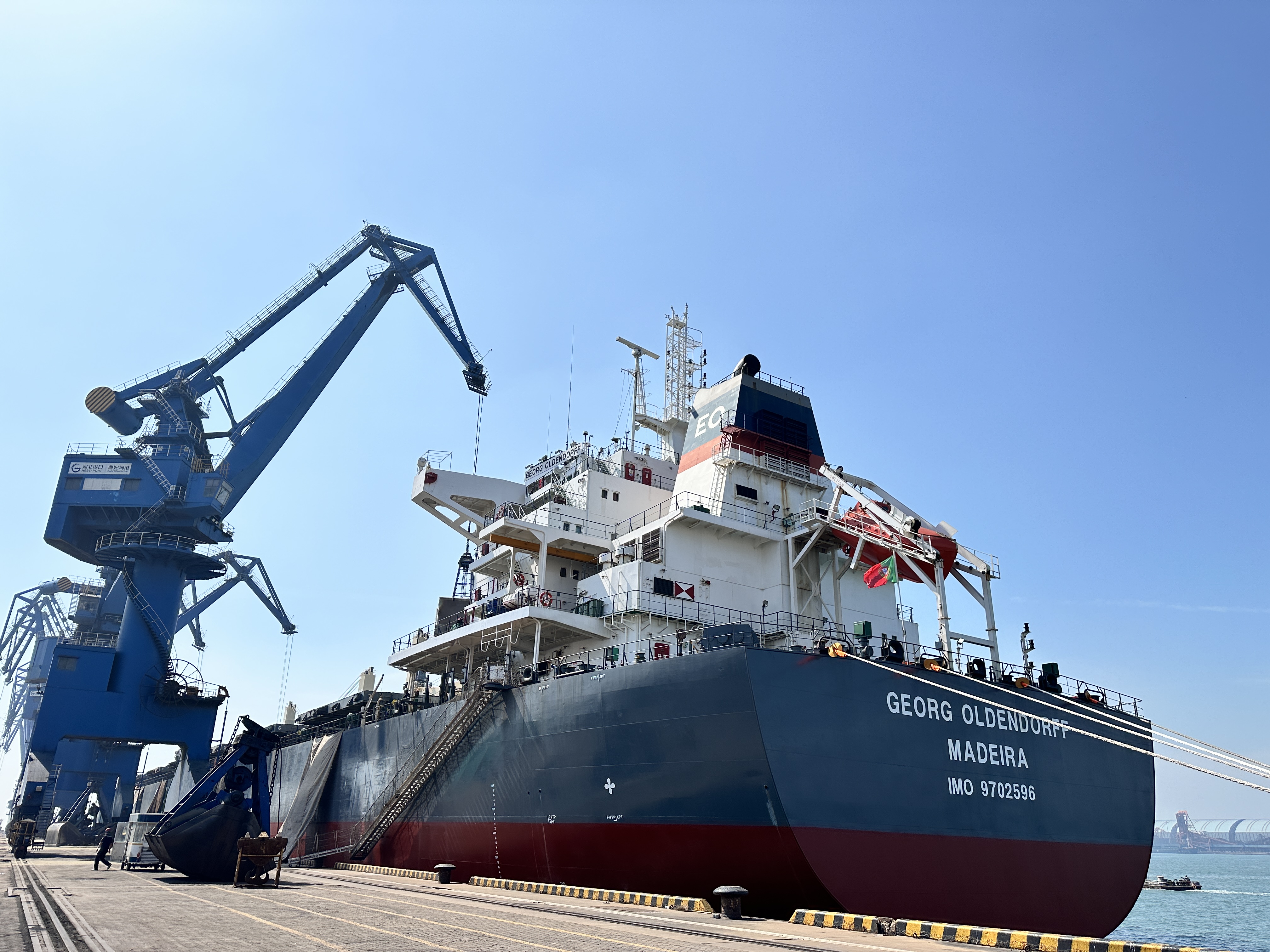
Recent shipping commentary points to a mixed July picture. Some dry-bulk reports describe stronger near-term sentiment and tighter balances in selected routes, while other updates still note softer areas, more available tonnage in parts of Asia and uneven activity across ship sizes. The message for cementitious cargoes is not simply “freight is up” or “freight is down.” It is that timing, vessel fit and loading certainty are becoming more important.
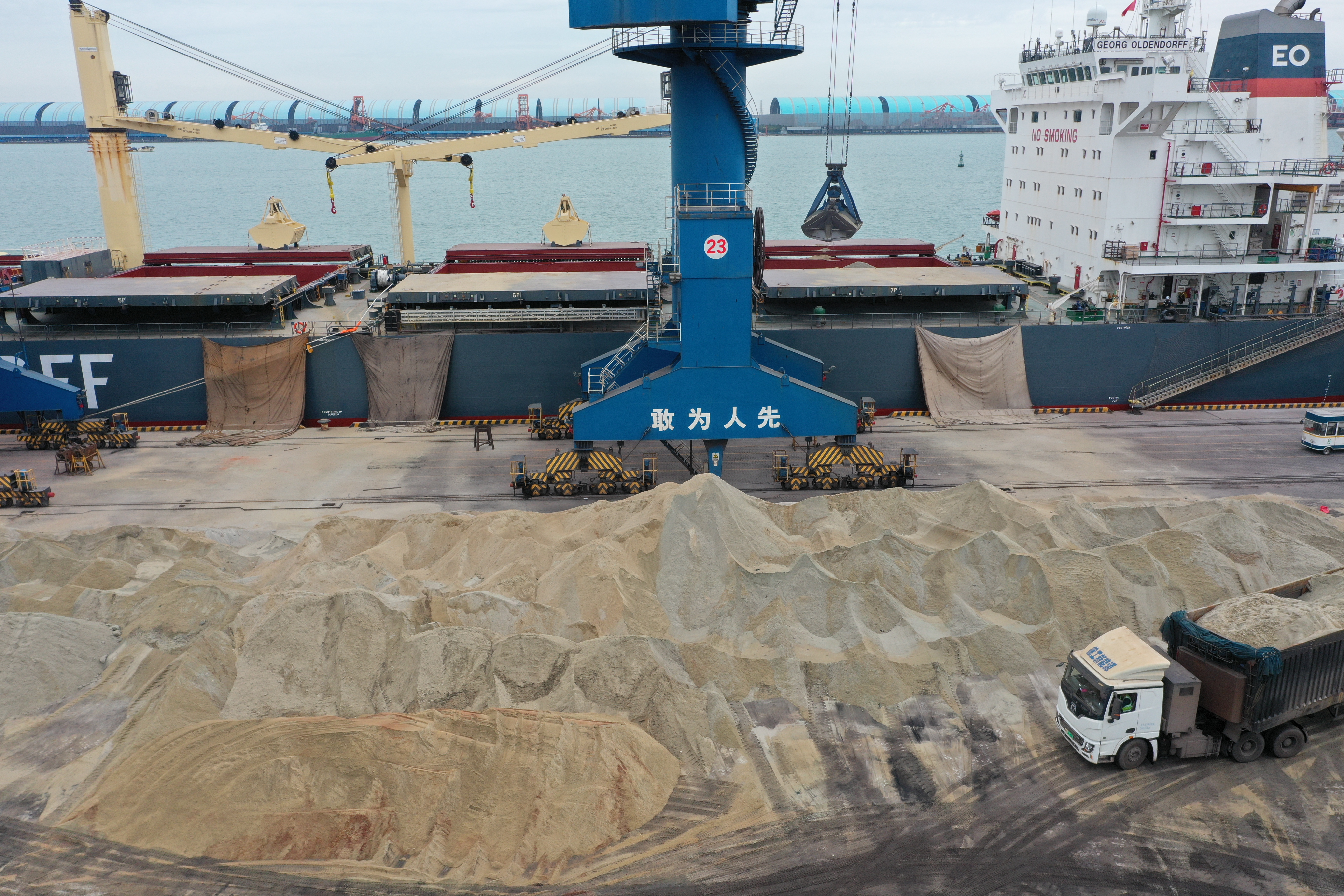
1. Sentiment is firmer, but not uniform
A firmer dry-bulk mood can help shipowners hold rates, especially when vessel supply looks tight against early-month demand. But cementitious cargo exporters should avoid treating one headline as a universal market rule. Handysize, Supramax, Panamax and Capesize dynamics can diverge, and regional tonnage lists can change the result for a specific loading port.
For buyers and sellers, this means quotation work should include route-specific freight checks rather than broad assumptions.
2. Cementitious cargoes need vessel-fit planning
Cement, clinker and slag-related materials are not generic paper cargoes. Loading method, moisture control, bagged or bulk format, hatch suitability, draft limits, discharge-port constraints and inspection timing all affect whether a freight idea can become a workable shipment. This is especially true for smaller or developing-market ports where shallow draft, port gear and berth windows matter.
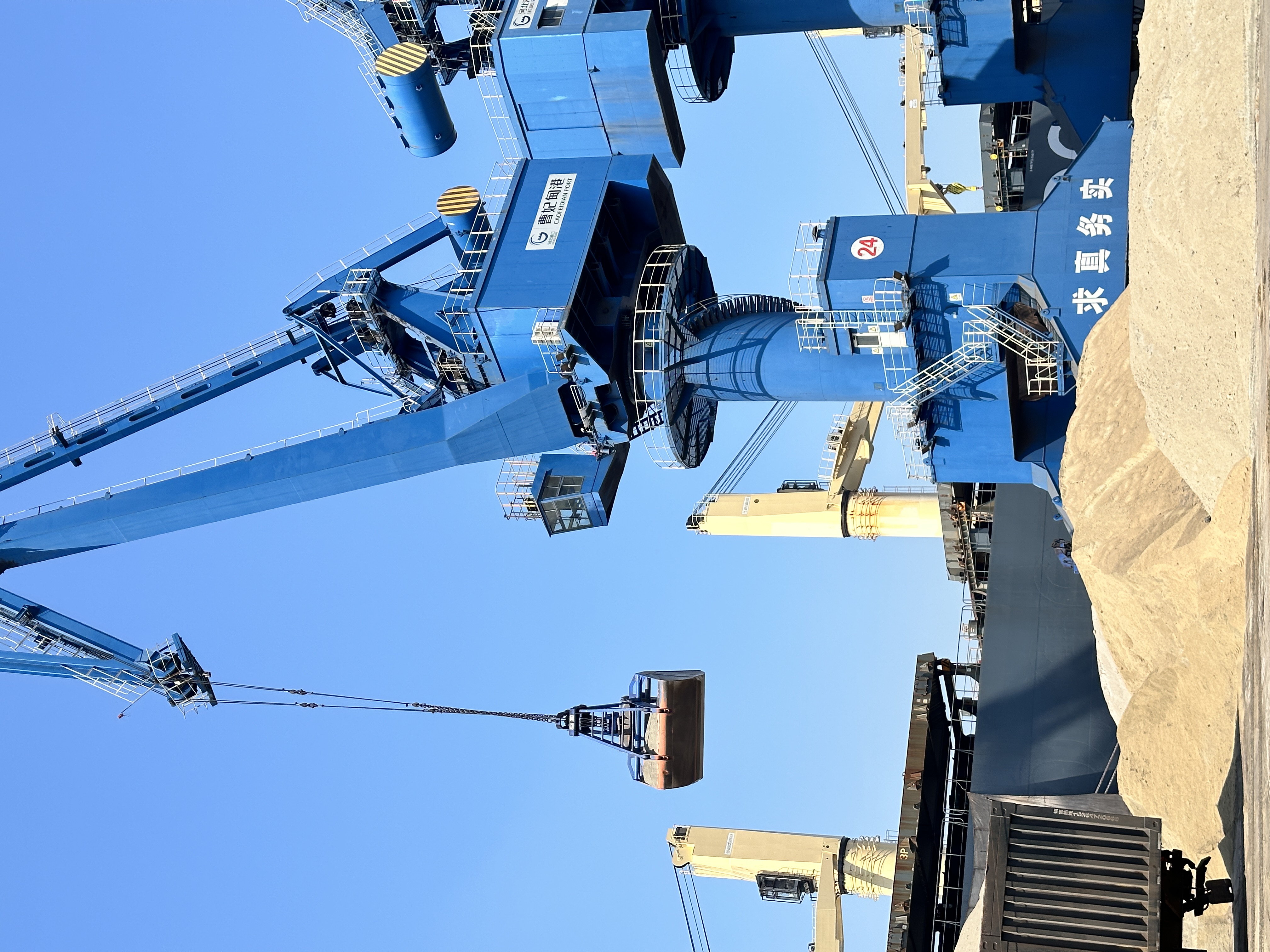
3. A better offer starts before the freight rush
When market sentiment improves, late inquiries can face fewer vessel choices and less negotiating room. Suppliers who already know the cargo size, laycan, loading rate, packaging preference and documentation path can respond faster and with fewer surprises. That is why freight discipline is now part of commercial reliability.
Takeaway: July’s dry-bulk signals support a practical rule for cementitious trade. Do not wait for the perfect freight headline. Build a shipment-ready plan early, then use market windows when they appear.
近期航运市场评论显示,7月干散货并不是单一方向。有些报告提到近端情绪转强、部分航线供需平衡偏紧;也有更新显示,亚洲局部船位增加、不同船型活跃度并不一致。对胶凝材料货盘来说,重点不是简单判断“运费涨”或“运费跌”,而是装船时间、船型适配和装港确定性变得更重要。
1. 情绪偏强,但并不均匀
干散货情绪转强时,船东在部分航线更容易稳住运价,尤其是月初需求相对船位偏紧的时候。但水泥类出口方不能把一个市场标题当成全局规律。Handysize、Supramax、Panamax 和 Capesize 的节奏可能不同,不同地区的船位表也会改变具体装港的结果。
因此,买卖双方在报价时更需要做航线级运费核对,而不是只凭大盘印象判断。
2. 胶凝材料货盘需要船型适配计划
水泥、熟料和矿渣类材料不是抽象的纸面货盘。装载方式、水分控制、吨袋或散装、舱口适配、吃水限制、卸港条件和检验时间,都会影响一条运费想法能否变成可执行发运。对中小港口或发展中市场港口尤其如此,浅吃水、港机、泊位窗口都会影响成败。
3. 更好的报价,要赶在运费窗口拥挤之前
当市场情绪改善时,临时询盘往往面临更少船位和更弱议价空间。已经明确货量、laycan、装船效率、包装偏好和单证路径的供应商,反应会更快,也更少出意外。这也是为什么运费纪律正在成为商业可靠性的一部分。
结论:7月干散货信号给胶凝材料贸易一个很实用的提醒:不要等待“完美运费标题”。先把可发运方案准备好,再在市场窗口出现时抓住它。
Planning a cementitious cargo?
For GGBFS, GBFS or clinker inquiries, please share quantity, target specification, laycan, loading method and discharge port so the cargo plan can be checked realistically.
Request a quote