Dry Bulk Sentiment Keeps Cementitious Cargo Readiness in Focus
Recent dry-bulk market signals show why cement, clinker, GBFS and GGBFS cargoes need early laycan planning, port readiness and disciplined shipment execution even when market sentiment is constructive.
干散货情绪仍让胶凝材料货盘准备度保持在焦点
近期干散货市场信号说明,即使市场情绪偏积极,水泥、熟料、GBFS 与 GGBFS 货盘仍需要提前规划 laycan、港口准备度和有纪律的发运执行。
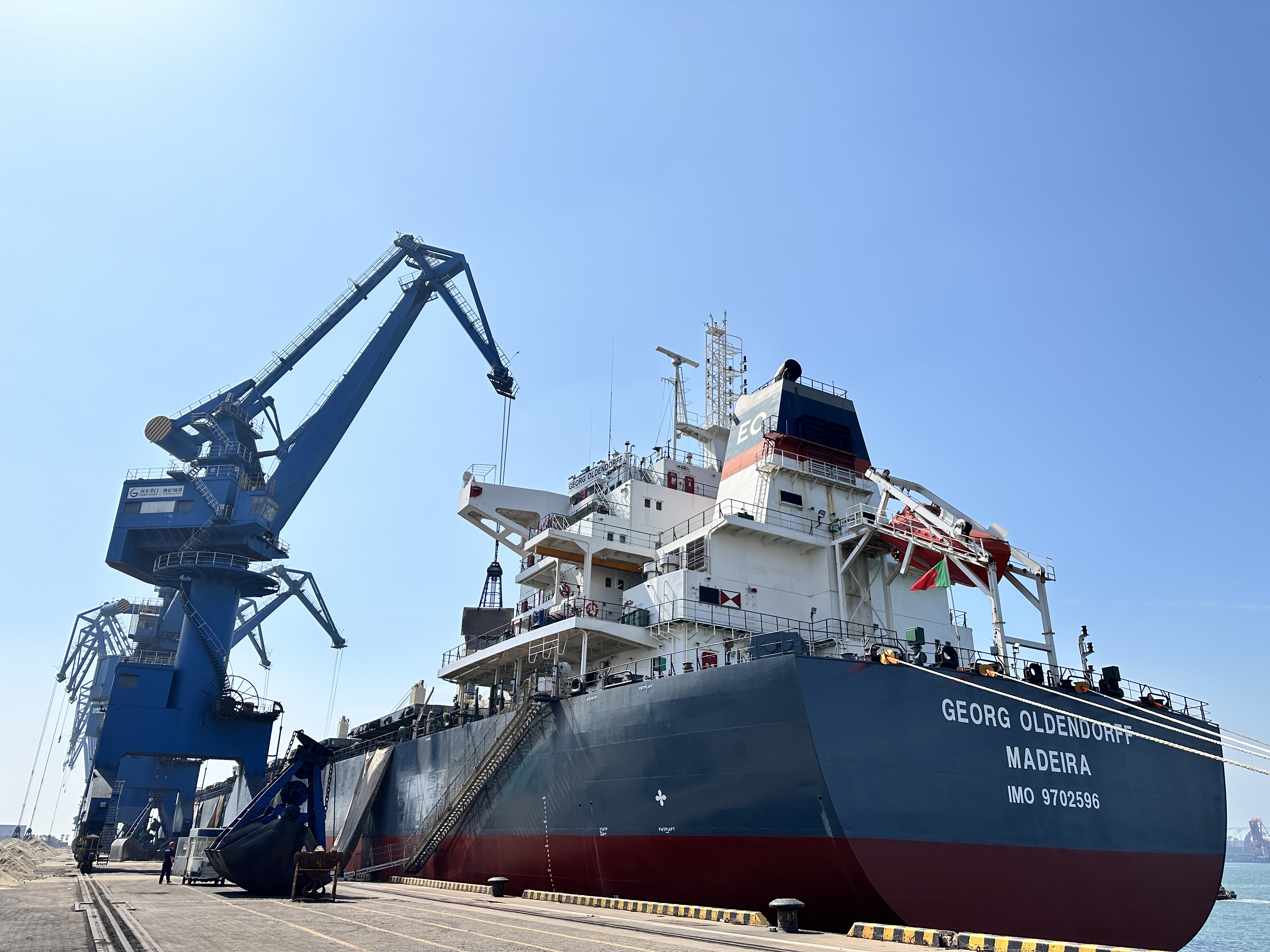
Recent dry-bulk reports describe a market that is still constructive in parts, supported by cargo volumes and healthier sentiment, while some capesize routes have softened after earlier gains. For cementitious materials, the signal is not simply that freight is up or down. The practical message is that shipping windows remain changeable, and cargoes that are not ready can lose time quickly.
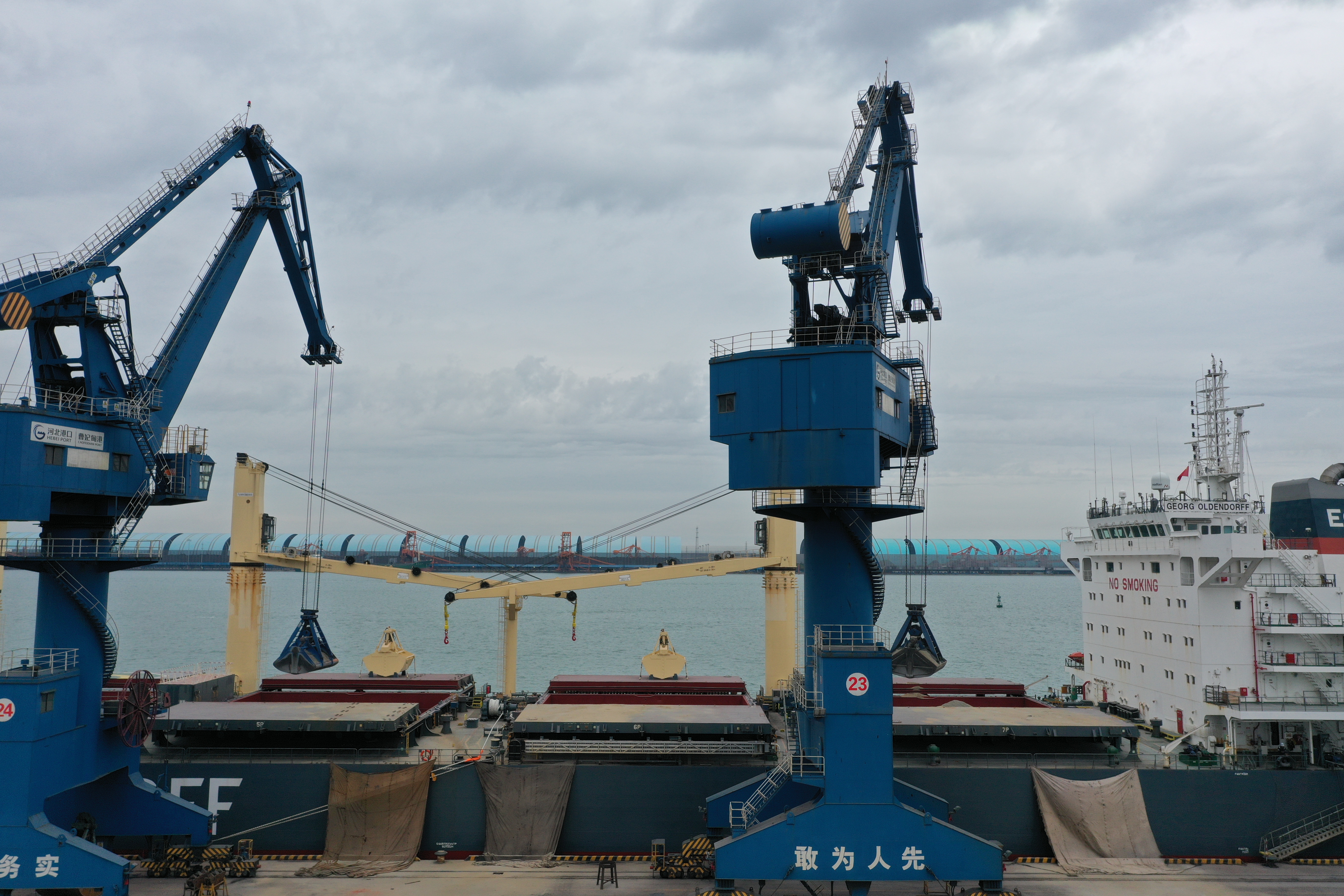
1. Freight sentiment changes the planning rhythm
A constructive dry-bulk market can make vessel space more competitive. A softer route can also close quickly if cargo owners return. For clinker, GBFS and GGBFS buyers, this means the purchase discussion should start with quantity, specification, loading window and discharge port rather than price alone.
2. Cargo readiness is more than stock
Having material available is only one part of shipment readiness. Bulk cementitious cargoes also need loading method, survey timing, sampling, hold cleanliness, document preparation and a vessel plan that fits port operations. This is especially important when buyers are comparing FOB offers across different origins.
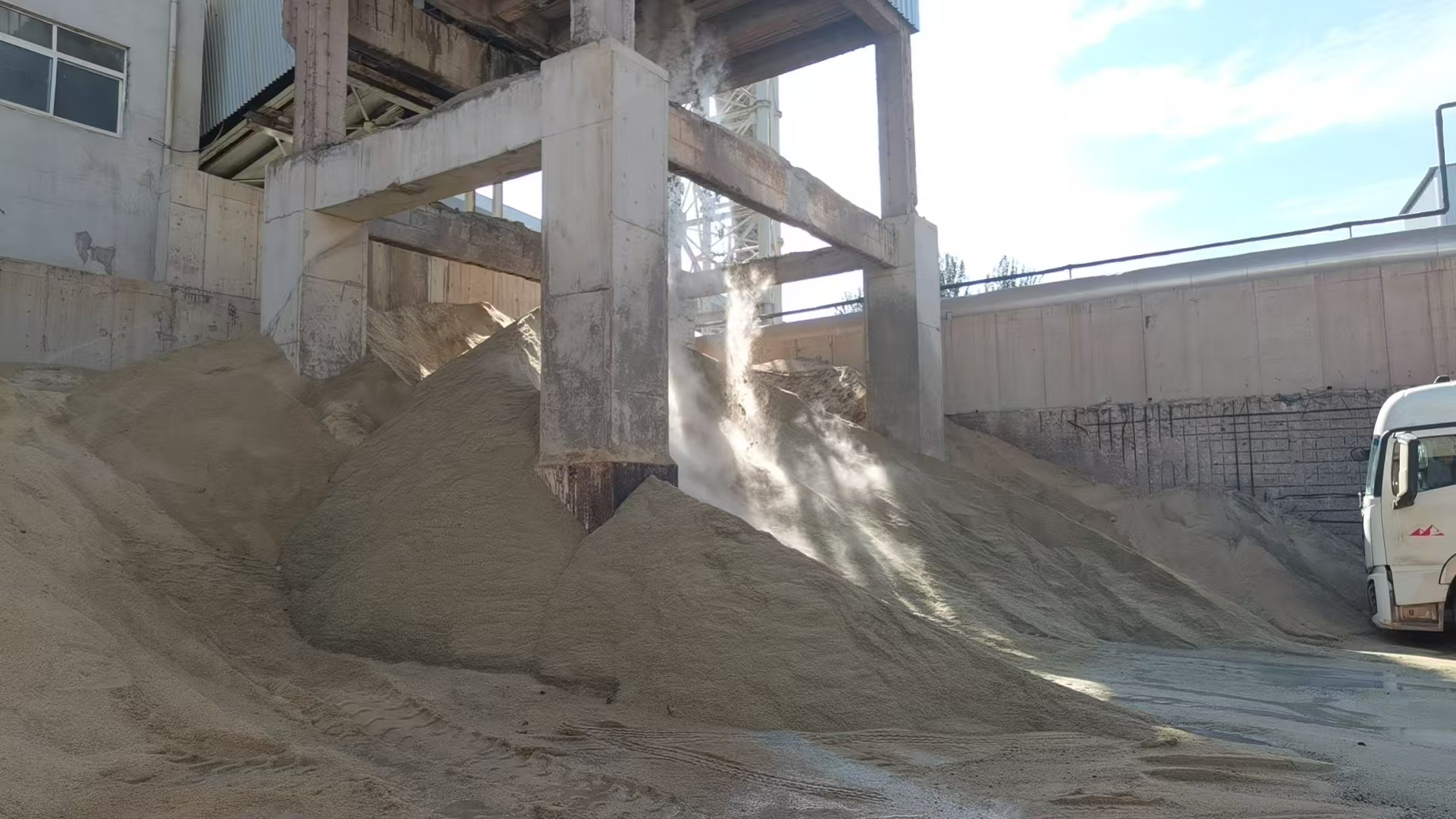
3. Caofeidian execution supports faster decisions
For SENLAN's GBFS and GGBFS work, Caofeidian Port gives the supply chain a practical loading base. Early confirmation of laycan, quantity, required specification and whether the cargo moves in bulk vessel, jumbo bag or container helps align material, berth, vessel and documents before freight is fixed.
Takeaway: dry-bulk sentiment may be constructive, mixed or softer by route, but the trade advantage is consistent: cargoes that are inspected, documented and port-ready are easier to move when the freight window appears.
近期干散货报告显示,部分市场仍保持建设性情绪,受到货量和市场信心支撑;同时,一些好望角型航线在前期上涨后出现回落。对胶凝材料来说,这个信号不是简单的“运费涨了”或“运费跌了”。更实际的信息是:运输窗口仍会变化,没有准备好的货盘很容易损失时间。
1. 运费情绪会改变规划节奏
偏积极的干散货市场会让船舶舱位更有竞争性。某条航线即使暂时走弱,也可能在货主回归后很快收紧。对熟料、GBFS 与 GGBFS 买方来说,采购沟通应从数量、规格、装船窗口和卸港开始,而不是只谈价格。
2. 货盘准备度不只是有库存
有材料只是发运准备的一部分。大宗胶凝材料还需要确认装载方式、检验时间、取样、舱洁、单证准备,以及能匹配港口操作的船舶计划。当买方比较不同来源的 FOB 报价时,这一点尤其重要。
3. 曹妃甸执行能力支持更快决策
对 SENLAN 的 GBFS 与 GGBFS 业务来说,曹妃甸港为供应链提供了实际装货基础。提前确认 laycan、数量、所需规格,以及散货船、吨袋或集装箱等装载方式,有助于在锁定运费前把材料、泊位、船舶和单证统一起来。
结论:干散货情绪可能偏强、分化或某些航线走弱,但贸易优势是一致的:已经检验、单证清楚、港口可发运的货盘,更容易抓住运费窗口。
Planning a bulk cementitious cargo?
Please share quantity, specification, discharge port, laycan and loading method so material readiness and shipment execution can be checked together.
Request a quote