Firmer Dry Bulk Sentiment Raises the Bar for Cementitious Cargo Planning
Recent dry bulk and cement-shipping signals show why cement clinker, GBFS and GGBFS cargoes still need early laycan, vessel-fit and port-readiness planning.
干散货情绪转强,胶凝材料货盘更需要提前规划
近期干散货与水泥海运信号说明,水泥熟料、GBFS 和 GGBFS 货盘仍需要提前确认 laycan、船型匹配和港口准备度。

Recent market reports point to a constructive tone in dry bulk shipping, supported by healthy cargo volumes and stronger sentiment in several vessel segments. At the same time, cement-shipping commentary suggests that some scheduling pressure has eased into the third quarter. For cement clinker, GBFS and GGBFS buyers, that combination should not be read as a simple green light. It is a reminder that cargo planning has to be confirmed while the freight window is still workable.
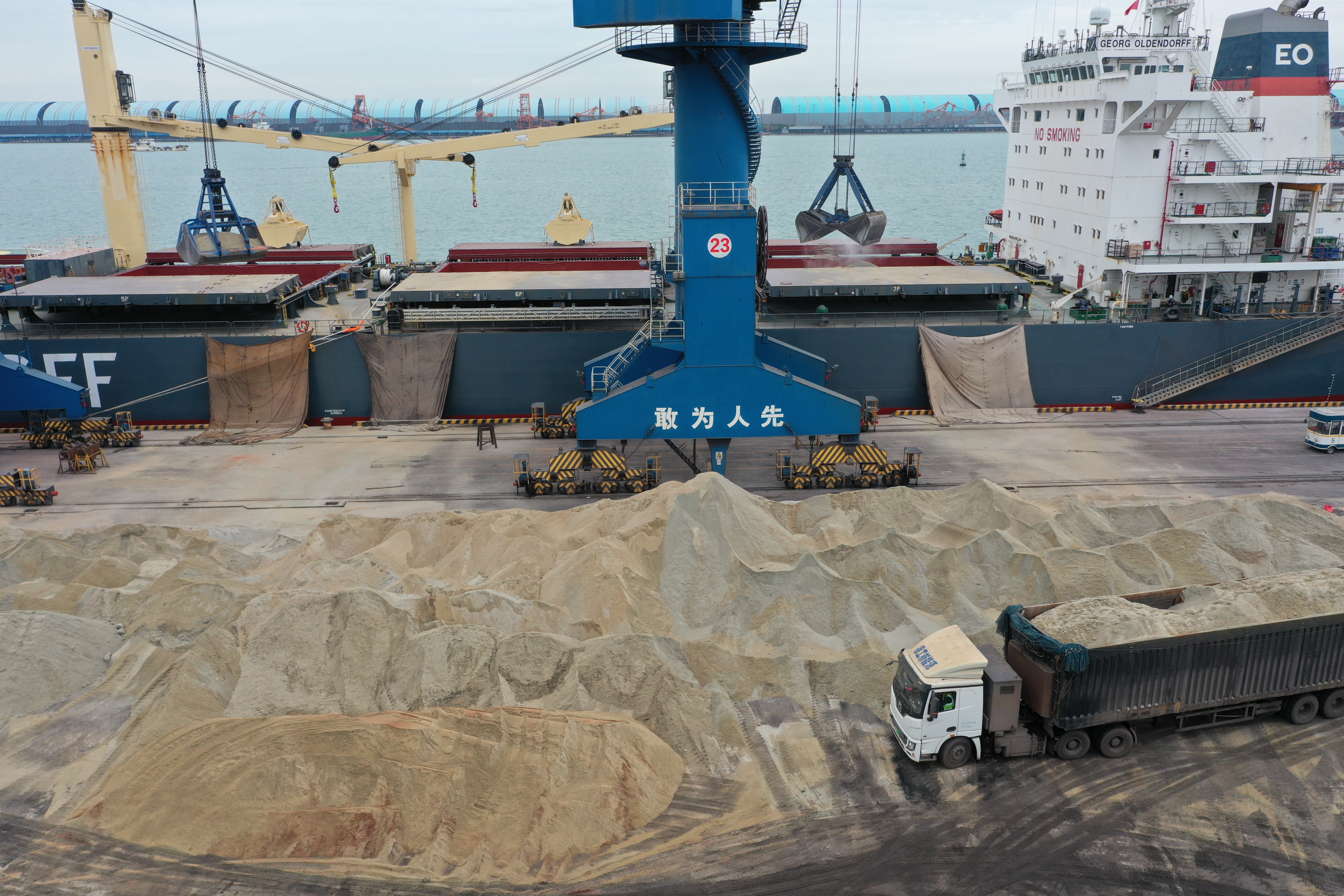
1. Freight signals are constructive, not effortless
A firmer dry bulk market can improve carrier confidence and make vessel availability more sensitive to timing. Cementitious cargoes are often heavy, schedule-dependent and port-operation dependent. That means a buyer still needs to lock the basics early: quantity, specification, discharge port, laycan, cargo form and whether bulk or jumbo-bag loading is required.
2. Cement and clinker routes depend on port fit
Recent route developments involving cement clinker and mixed breakbulk cargoes show why vessel size, draft, loading equipment and port access matter. A cargo can look attractive on price and still fail operationally if the berth, loading rate, weather window or documentation timeline is not aligned.
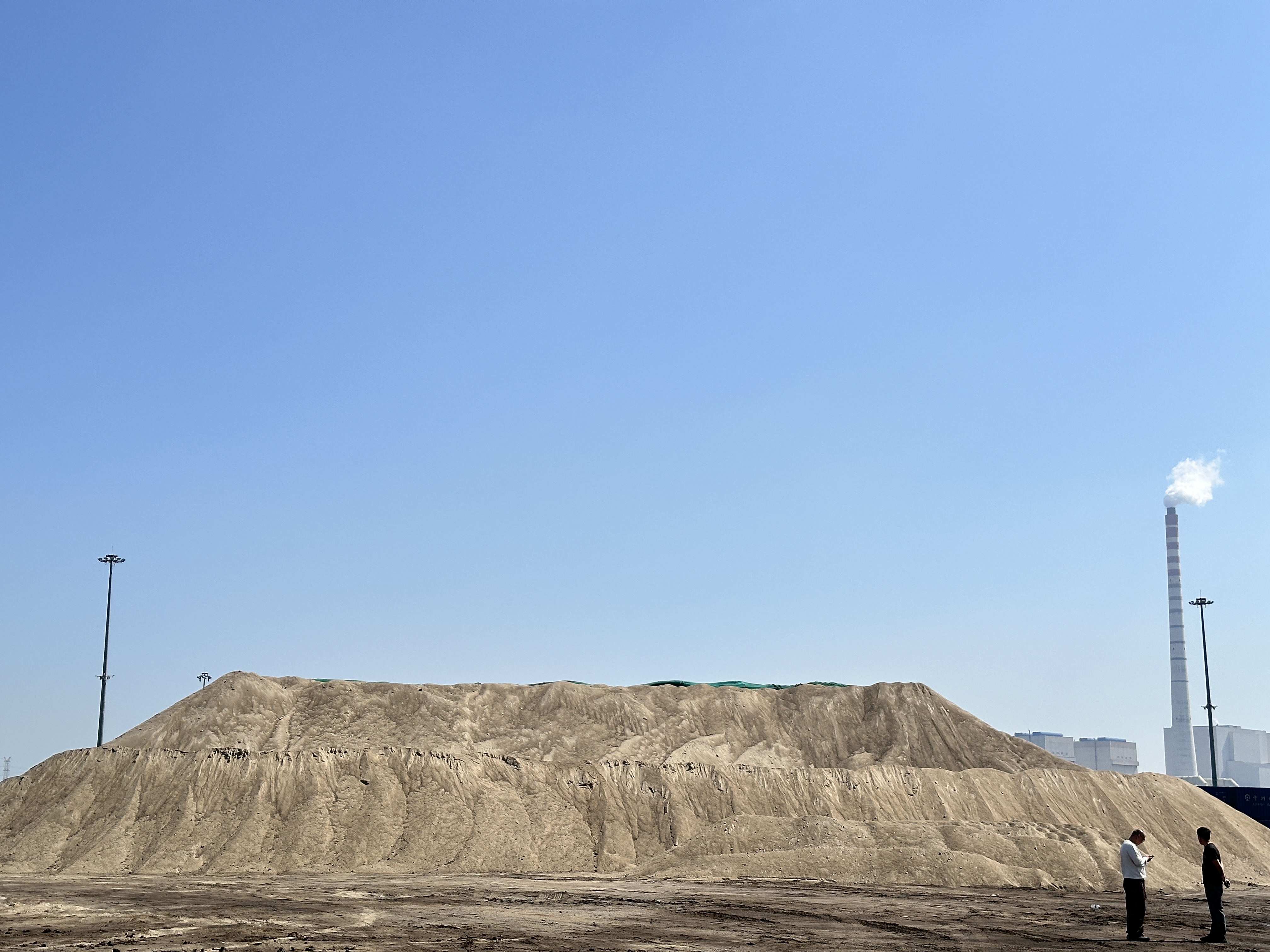
3. GBFS and GGBFS supply benefits from earlier confirmation
For SENLAN's product field, the important lesson is practical. GBFS and GGBFS trade is strongest when the buyer's required specification, loading method and shipment schedule are clear enough for the supplier to check stock, inspection, cargo handling and export documents together. This is especially important when market sentiment can change within a short freight cycle.
Takeaway: firmer dry bulk sentiment is positive for trade activity, but it also rewards buyers and suppliers who treat cementitious cargo planning as an execution job, not a last-minute freight quote.
近期市场报告显示,干散货航运情绪较为积极,健康的货量支撑了多个船型板块的信心。与此同时,水泥海运相关评论也提到,进入三季度后部分排船压力有所缓和。对水泥熟料、GBFS 和 GGBFS 买方来说,这并不意味着可以简单等待更低运费,而是提醒大家要在可操作窗口内尽早确认货盘条件。
1. 运费信号偏积极,但不代表执行变简单
干散货市场转强会提升船东信心,也会让船舶可得性对时间更敏感。胶凝材料货盘通常重量大、依赖排船和港口操作。买方仍需要尽早锁定基础信息:数量、规格、卸港、laycan、货物形态,以及采用散装还是吨袋装载。
2. 水泥与熟料航线更依赖港口适配
近期涉及水泥熟料与混合件杂货的航线动态说明,船型、吃水、装载设备和港口可达性非常关键。一个货盘即使价格有吸引力,如果泊位、装船效率、天气窗口或单证时间线无法匹配,也可能在执行层面失去优势。
3. GBFS 与 GGBFS 供应更需要提前确认
对 SENLAN 所在的产品领域来说,最重要的是执行。GBFS 与 GGBFS 贸易要做得稳,买方需要提前明确规格、装载方式和发运计划,供应方才能同步核对库存、检验、港口操作和出口单证。尤其在运费周期变化较快时,这一点更加重要。
结论:干散货情绪转强有利于贸易活跃度,但真正受益的是把胶凝材料货盘当作执行项目来管理的买方和供应方,而不是最后一刻才询运费的人。
Planning GGBFS, GBFS or clinker cargo?
Please share quantity, specification, discharge port, laycan and loading method so material readiness and shipment execution can be checked together.
Request a quote