Cement Shipping Rates Ease Into Q3, but Cargo Planning Still Matters
Recent shipping signals suggest cement freight pressure is easing into Q3, while dry bulk sentiment remains constructive. For cement, clinker, GBFS and GGBFS cargoes, this is a planning window rather than a reason to wait.
水泥海运费进入三季度趋缓,但货盘规划仍然关键
近期航运信号显示,水泥海运费压力进入三季度有所缓和,但干散货情绪仍偏积极。对水泥、熟料、GBFS 和 GGBFS 货盘来说,这更像是规划窗口,而不是等待理由。
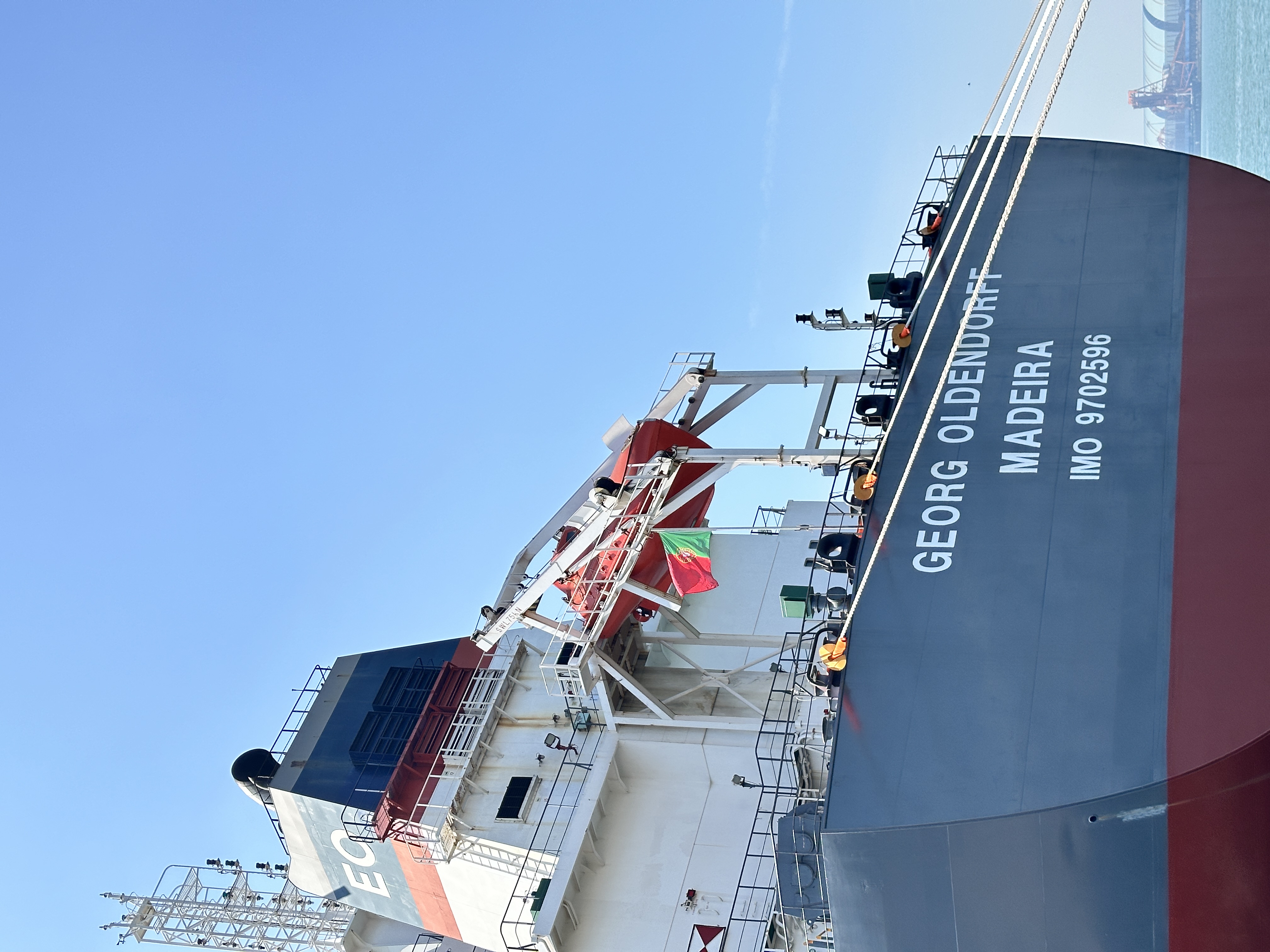
Recent industry and shipping reports point to a more balanced freight picture for cement cargoes as scheduling pressure eases into the third quarter. At the same time, dry bulk market commentary remains constructive, supported by improving sentiment in parts of the vessel market. For cementitious-material trade, that combination is useful but not risk-free.
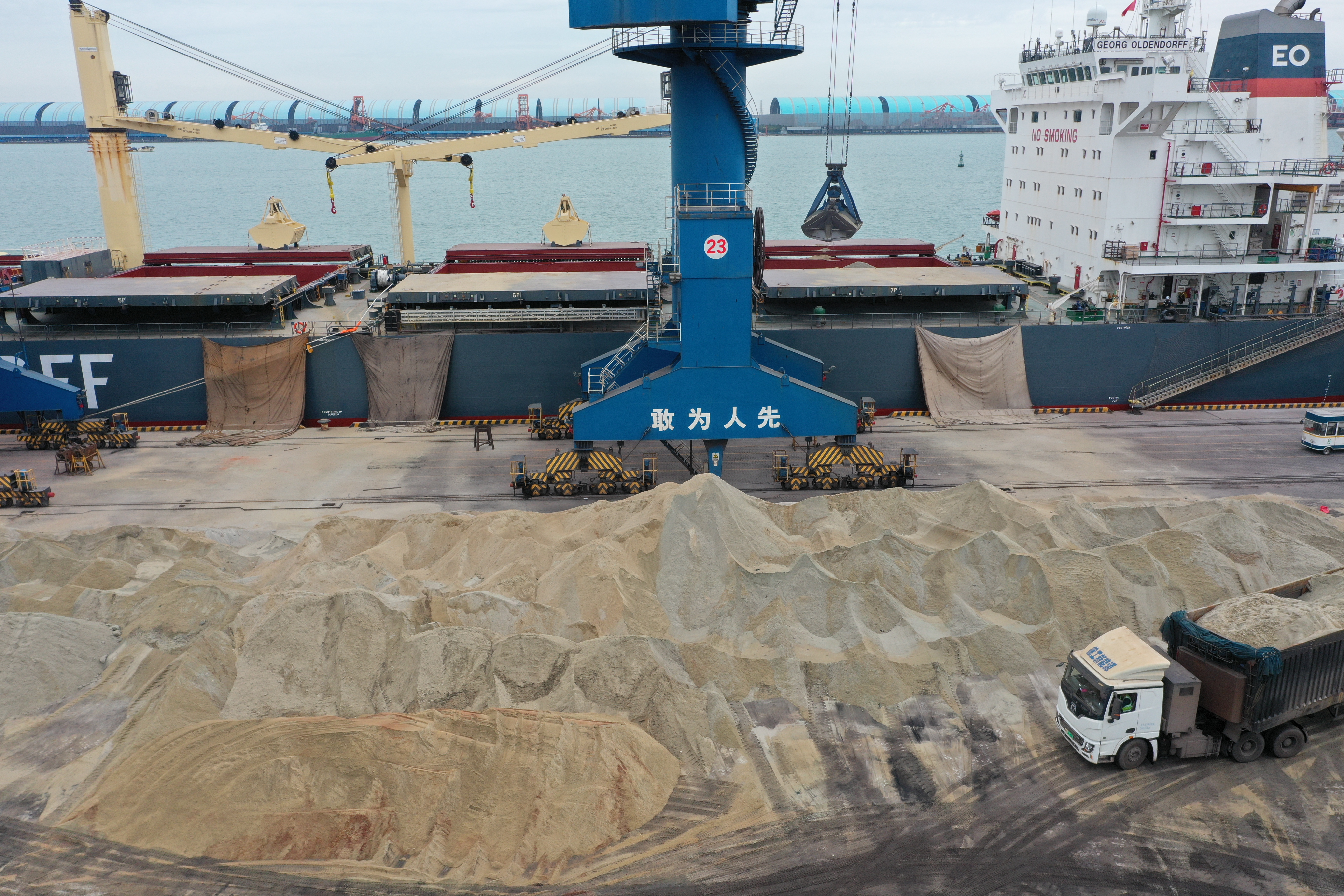
1. Easier rates are a window, not a guarantee
Cement and clinker cargoes remain freight-sensitive because the product value per tonne is modest and shipment economics can change quickly. A temporary easing in rates may improve buying interest, but the advantage only becomes real when cargo terms are ready: tonnage, specification, loading method, inspection path and laycan.
2. Dry bulk sentiment still matters
The broader dry bulk market is not sending a single simple signal. Positive sentiment can tighten vessel availability again, especially on routes where coal, iron ore, grain or project cargo competes for ships. For cementitious cargoes, this means a buyer may see a better quote this week and a much narrower option next week.
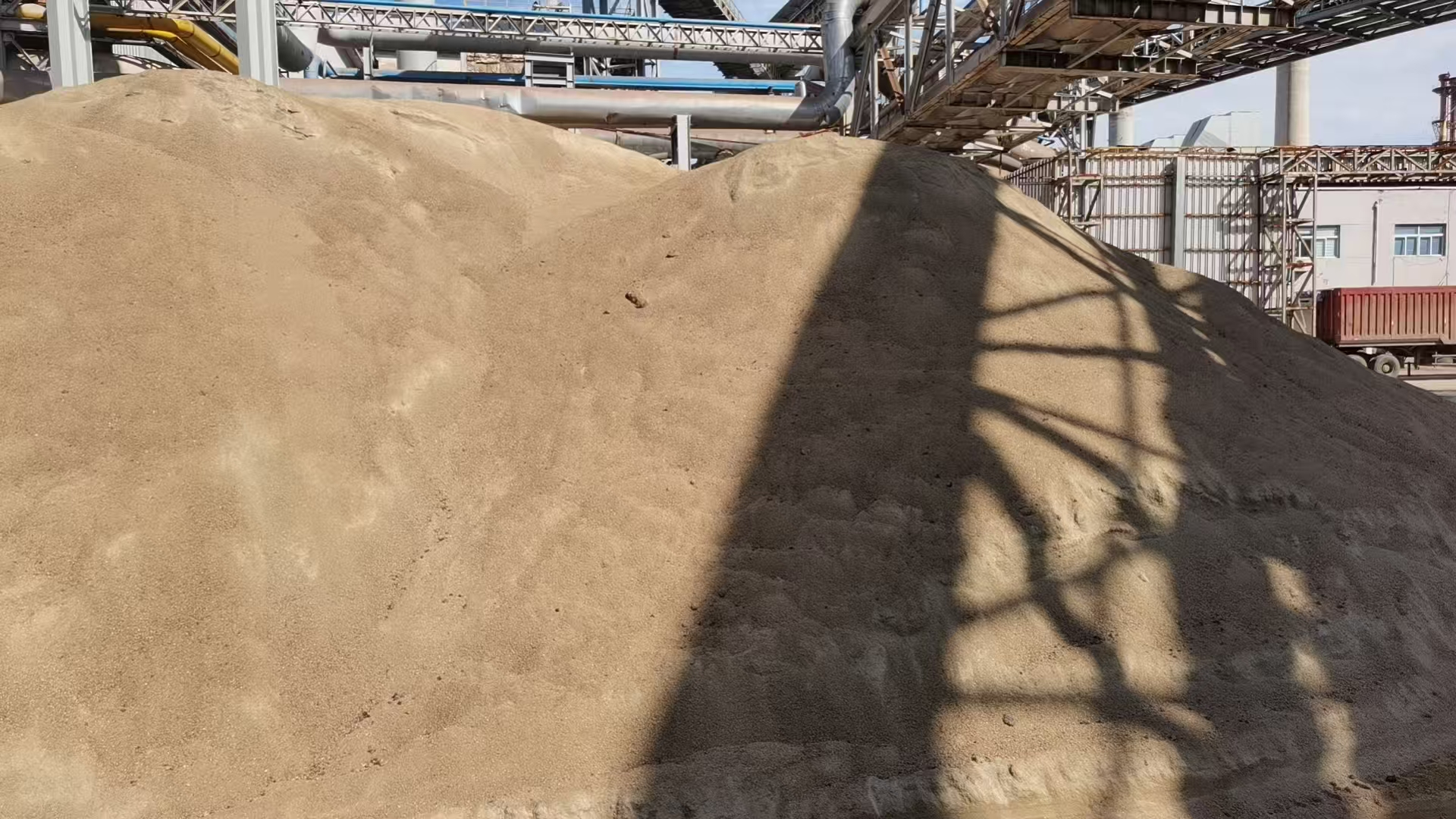
3. What buyers should prepare before asking for a firm offer
A practical enquiry should include quantity, target specification, discharge port, preferred loading method and a realistic loading window. These details allow suppliers to match cargo availability with vessel planning instead of giving a headline price that cannot survive execution. This is especially important for clinker, GBFS and GGBFS, where loading mode and moisture, storage or inspection requirements affect the total landed cost.
Takeaway: softer cement shipping rates can help buyers, but the best result comes from turning a rate window into an executable cargo plan before the market moves again.
近期行业与航运报道显示,随着排期压力进入三季度有所缓解,水泥货物海运费呈现更平衡的状态。与此同时,干散货市场评论仍偏积极,部分船型市场情绪改善。对胶凝材料贸易来说,这个组合有用,但并不等于没有风险。
1. 运费缓和是窗口,不是保证
水泥和熟料仍然是高度受运费影响的货物,因为单吨货值有限,发运经济性变化很快。阶段性运费缓和可能提升采购兴趣,但只有当货盘条件已经准备好时,优势才会真正落地:吨位、规格、装载方式、检验路径和 laycan。
2. 干散货情绪仍然重要
更广泛的干散货市场并没有释放一个简单信号。积极情绪可能再次收紧船舶可用性,尤其是在煤炭、铁矿石、粮食或工程货物争夺船舶的航线上。对胶凝材料货盘来说,买方本周看到的较好报价,下周可能就变成更窄的选择。
3. 买方询实盘前应准备什么
一个有效询盘应包含数量、目标规格、卸港、偏好的装载方式和现实的装货窗口。这些信息能帮助供应方把可供货量与船期规划匹配起来,而不是只给一个无法经受执行检验的表面价格。对熟料、GBFS 和 GGBFS 尤其如此,因为装载方式、含水、库存和检验要求都会影响最终到岸成本。
结论:水泥海运费缓和对买方有帮助,但真正的优势来自于在市场再次变化前,把运费窗口转化成可执行的货盘计划。
Planning clinker, GBFS or GGBFS cargo?
Please share quantity, specification, discharge port, laycan and loading method so the cargo and freight window can be checked together.
Request a quote