Peru Cement Shipments Show Why Clinker Trade Needs Demand-Side Discipline
Peru’s June cement market points to a familiar trade lesson: domestic cement demand can improve while clinker export flows soften. For suppliers, the advantage is disciplined cargo planning, not headline volume alone.
秘鲁水泥出货增长说明:熟料贸易更需要需求端纪律
秘鲁6月水泥市场释放出一个熟悉的贸易信号:本地水泥需求可以改善,但熟料出口流量仍可能走弱。对供应商来说,优势不只是货量,而是有纪律的货盘规划。
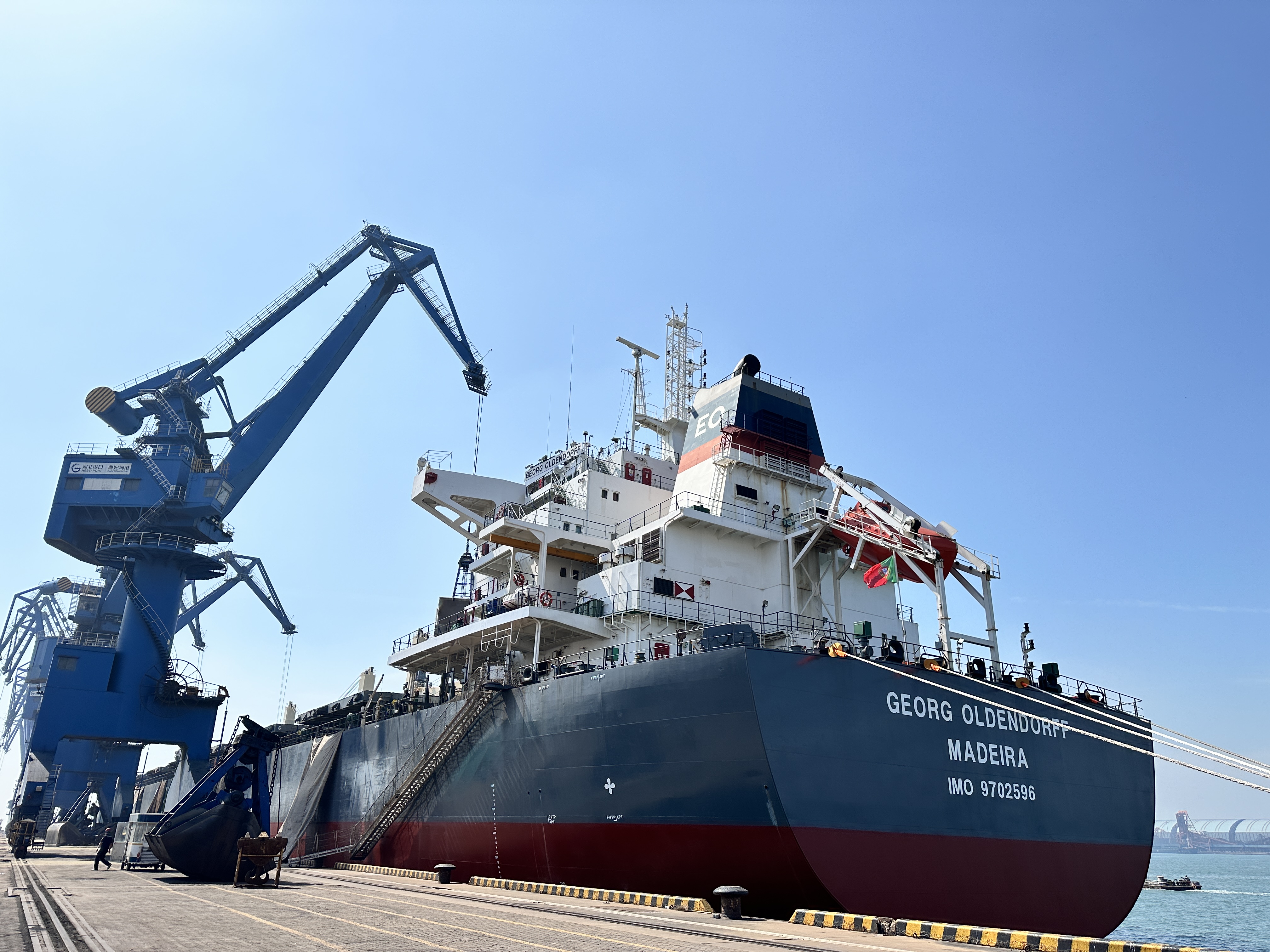
Peru’s June cement data offers a useful reminder for cementitious-material traders. According to recent industry reporting, national cement shipments increased, while clinker export volumes moved lower. The exact monthly number is less important than the pattern: domestic construction demand, plant utilization and export availability can move in different directions at the same time.
1. Domestic recovery can absorb export flexibility
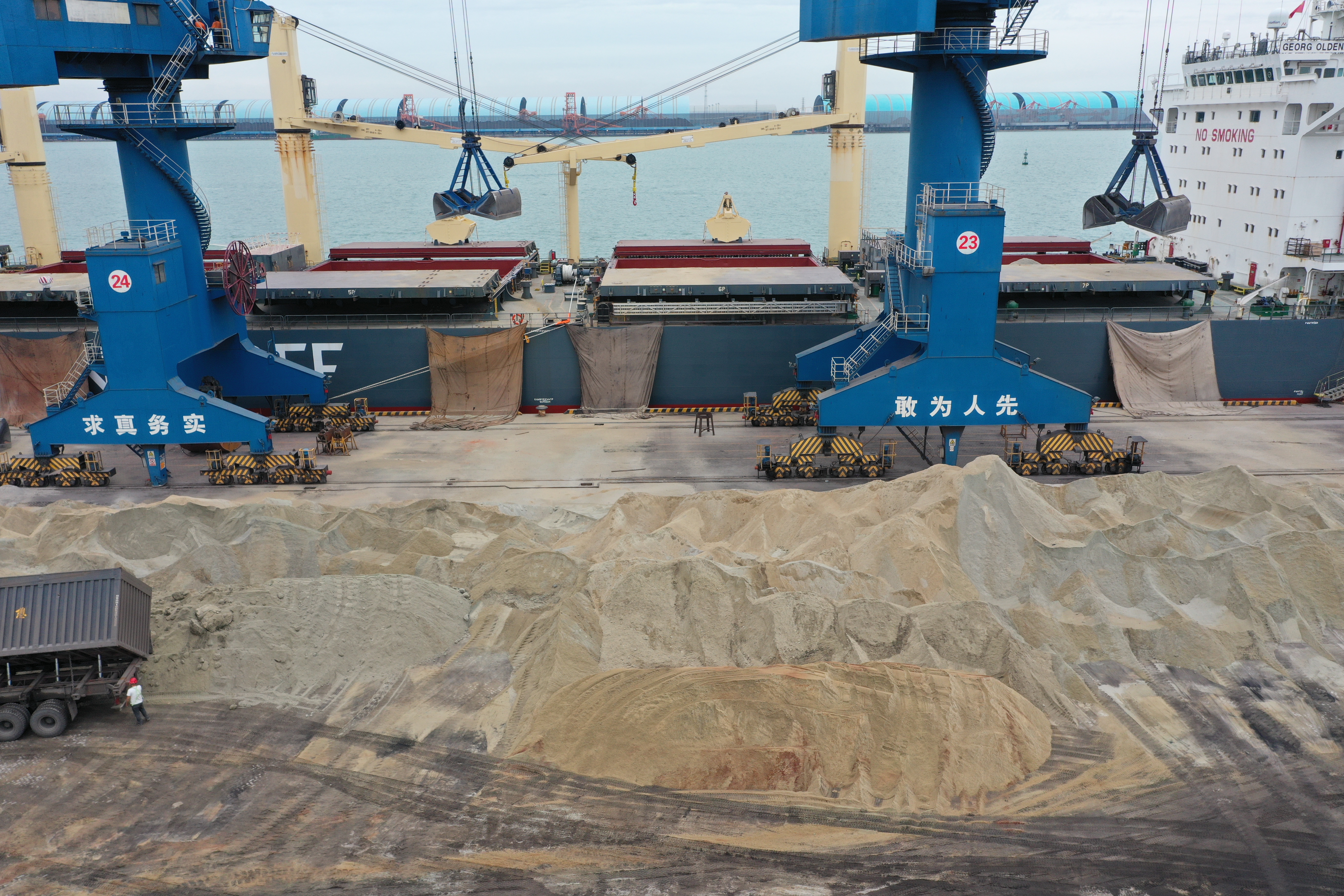
When local cement shipments rise, producers may prioritize nearby demand, cash conversion and shorter delivery cycles. That can reduce the volume available for clinker exports, even when the broader market still looks active. For buyers, this means the question is not simply whether a country has cement capacity. The question is whether exportable cargo is available in the requested window.
2. Clinker trade is becoming more selective
Clinker is a heavy, freight-sensitive product. A workable transaction depends on quantity, laycan, vessel fit, port performance, discharge cost and the buyer’s grinding economics. If one of these conditions weakens, the shipment can quickly lose competitiveness. This is why more clinker trade is likely to favor suppliers who can present realistic cargo terms instead of only quoting a headline price.
3. The useful lesson for cementitious-material buyers
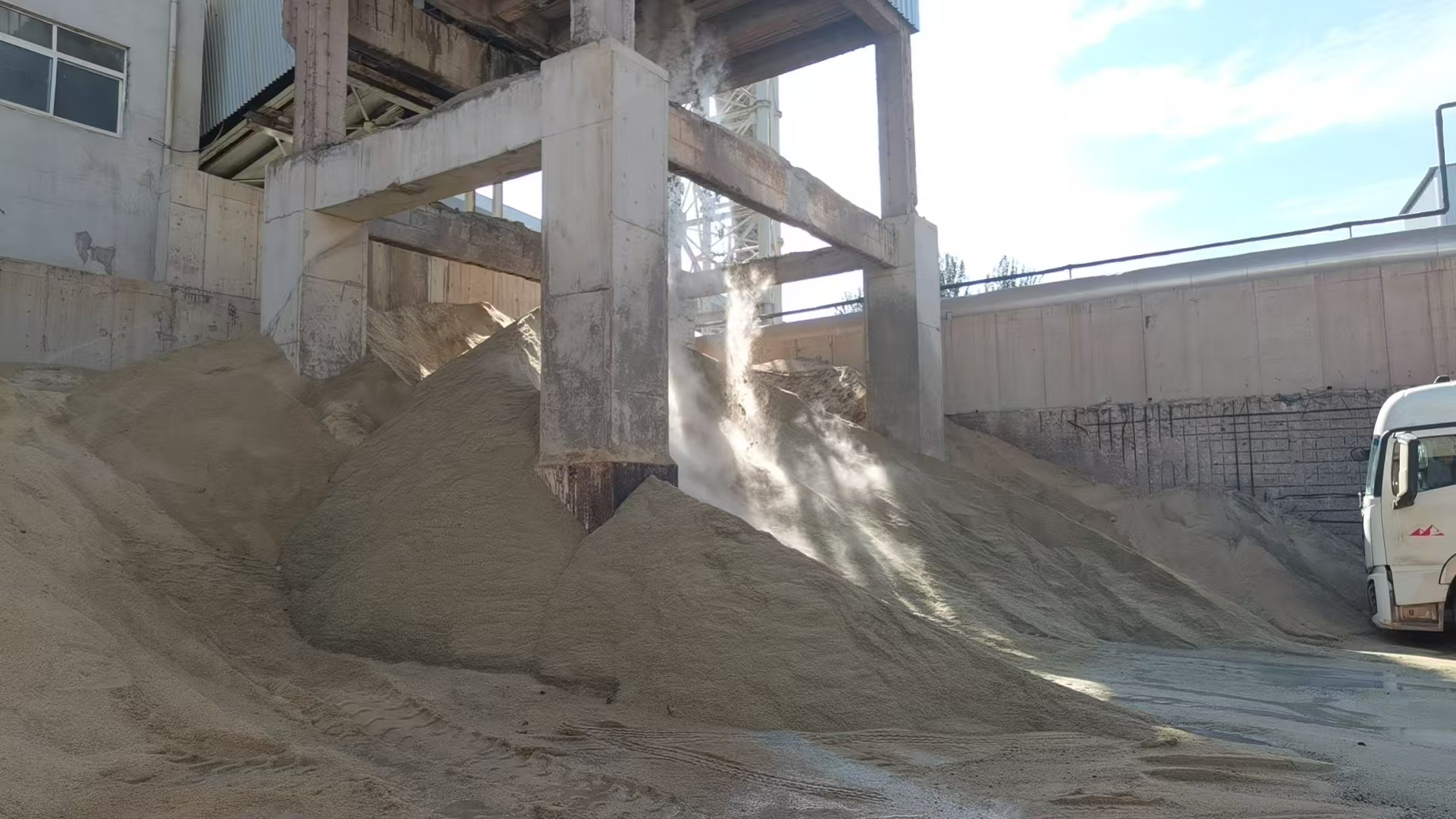
The Peru signal also matters beyond South America. It shows why buyers of clinker, GBFS and GGBFS should check export readiness early: available tonnage, loading method, inspection path, storage condition and realistic vessel schedule. In a market where domestic demand and export flows can diverge, disciplined pre-shipment checking is not paperwork. It is risk control.
Takeaway: stronger cement demand is positive for the industry, but it can tighten exportable clinker supply. The winners will be buyers and sellers who convert market signals into precise cargo planning.
秘鲁6月水泥数据给胶凝材料贸易商一个有价值的提醒。近期行业报道显示,秘鲁本地水泥出货增长,但熟料出口量走弱。具体月度数字本身不是重点,重点在于这个结构:本地施工需求、工厂开工和出口可供货量,可能在同一时间朝不同方向变化。
1. 本地恢复会吸收出口弹性
当本地水泥出货增加时,生产商可能优先满足附近需求、现金回款和更短交付周期。即使整体市场仍然活跃,可用于熟料出口的货量也可能下降。对买方来说,问题不只是某个国家是否有水泥产能,而是所需窗口内是否真的有可出口货盘。
2. 熟料贸易正在变得更挑剔
熟料是重货,也是高度受运费影响的产品。一笔可执行交易取决于数量、laycan、船型适配、港口效率、卸港成本和买方粉磨经济性。任何一个条件变弱,发运竞争力都会快速下降。因此,越来越多熟料贸易会偏向能够提供真实货盘条件的供应方,而不是只报一个表面价格。
3. 对胶凝材料买方的实际启发
秘鲁信号的意义也不只在南美。它说明了为什么熟料、GBFS 和 GGBFS 买方应尽早核对出口准备度:可供吨位、装载方式、检验路径、库存状态和真实船期。在本地需求与出口流量可能背离的市场里,装船前核对不是形式主义,而是风险控制。
结论:水泥需求增强对行业是好事,但也可能收紧可出口熟料供应。真正占优的买卖双方,是能把市场信号转化成精确货盘规划的人。
Checking clinker, GBFS or GGBFS supply?
Please share quantity, target specification, laycan, loading method and discharge port so the cargo plan can be checked realistically.
Request a quote