2026-08-23
Industry Collaboration Moves Low-Carbon Cement Into Execution
UltraTech Cement's participation in LeadIT highlights a wider shift: decarbonization is becoming a coordinated industry-execution task rather than a collection of isolated projects.
行业协作推动低碳水泥进入执行阶段
UltraTech Cement 加入 LeadIT 凸显出更广泛的变化:水泥减碳正在从分散项目转向需要行业协同执行的系统任务。
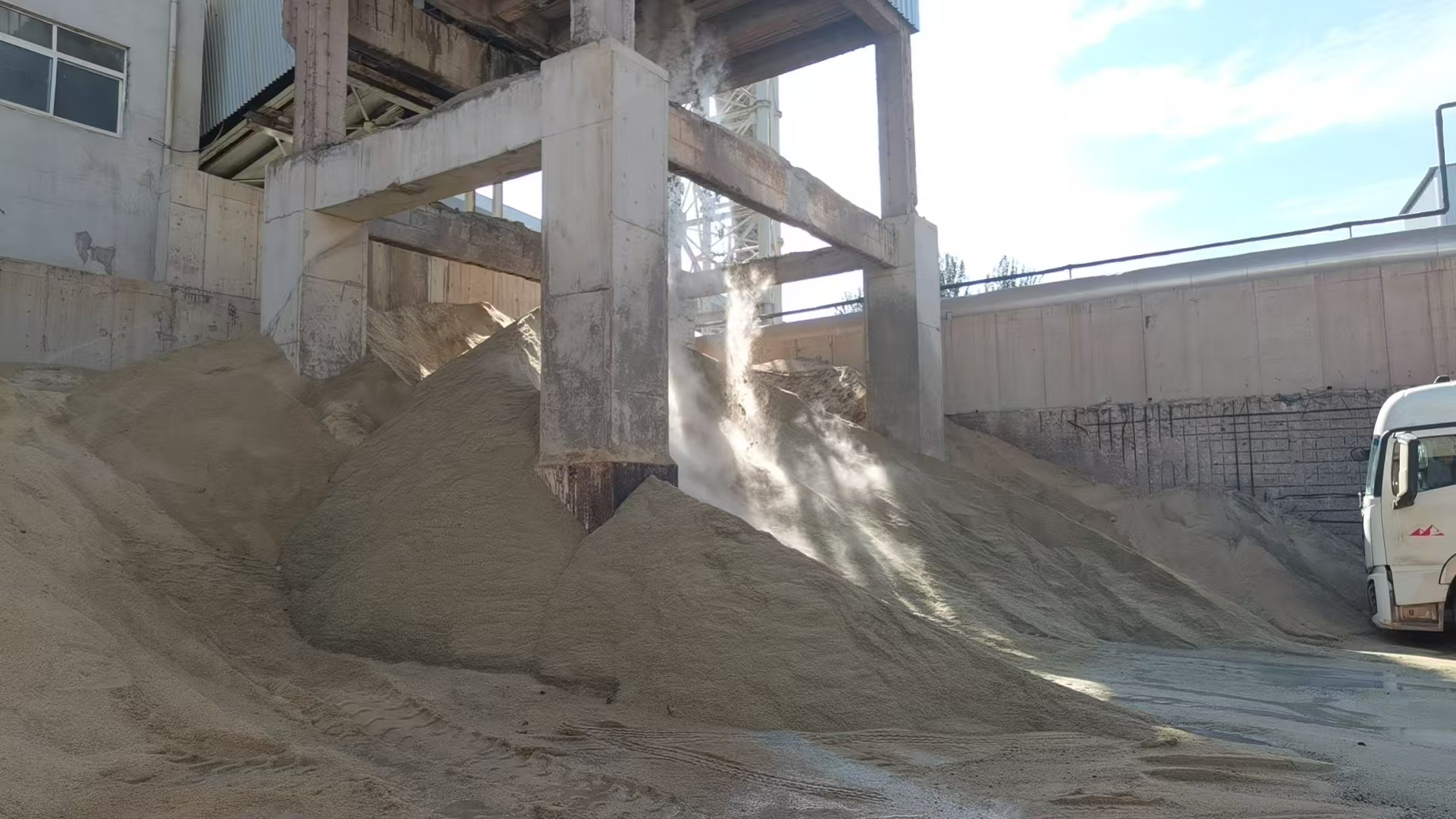
World Cement reported on 20 August that UltraTech Cement had joined the Leadership Group for Industry Transition, or LeadIT. The producer, with 205.5 million tonnes per year of global grey-cement capacity, has set a goal of carbon-neutral concrete by 2050 and identified energy efficiency, alternative fuels and raw materials, renewable energy and low-carbon technologies among its pathways. The signal is significant because the low-carbon cement transition requires shared action across more than one plant or company.
1. Collaboration can reduce execution gaps
Common frameworks help governments, producers, technology providers and material suppliers compare progress and identify bottlenecks. The practical value comes from converting ambition into measurable operating decisions: fuel mix, clinker factor, material qualification, energy source, equipment readiness and capital timing.
2. Lower clinker must remain performance-led
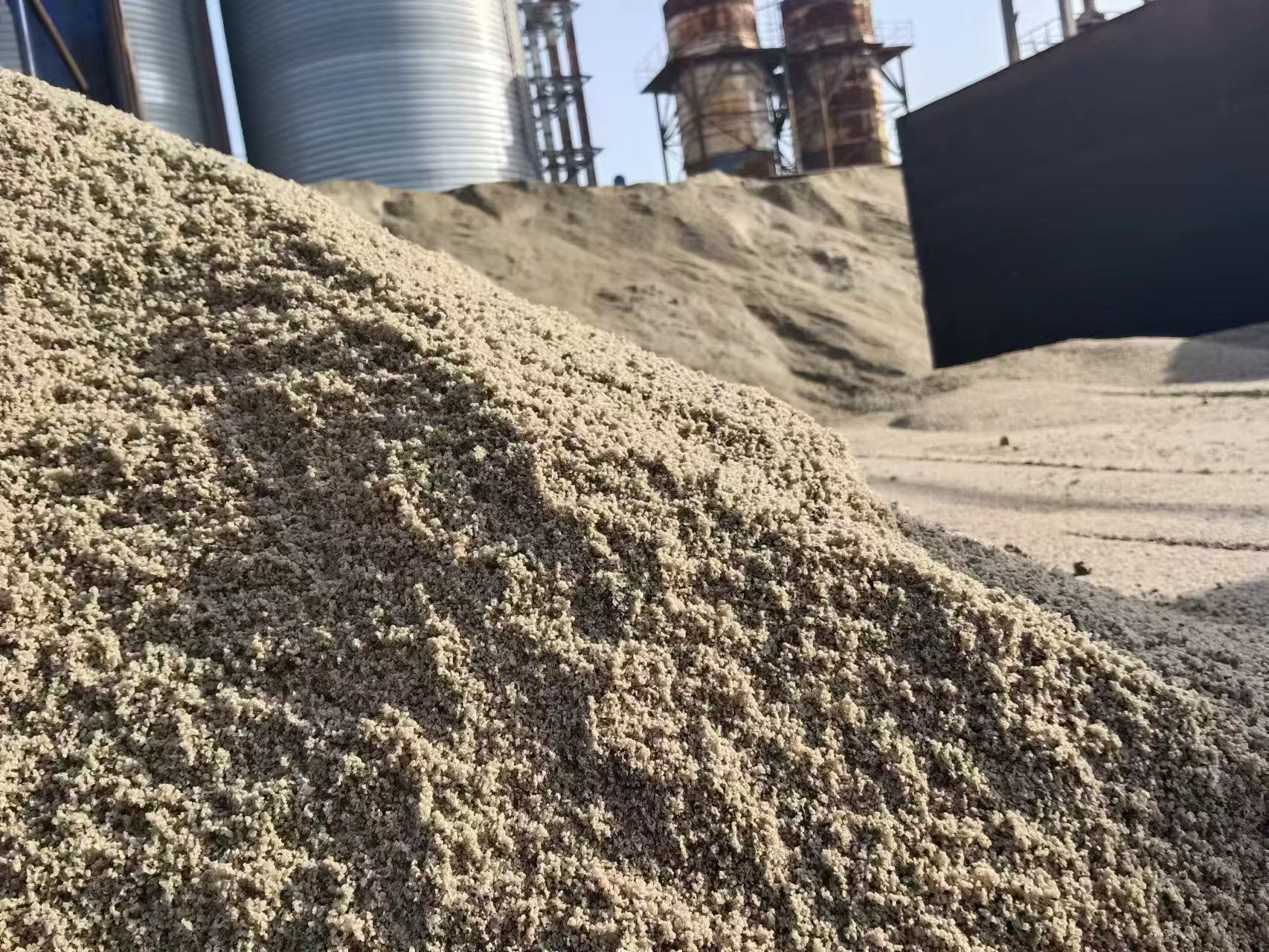
Alternative raw materials and supplementary cementitious materials can support clinker reduction where local standards and performance testing permit. GBFS may suit buyers with grinding capability, while GGBFS is a processed cementitious component. Neither should be treated as an automatic substitute without mixture design, strength and durability verification.
3. Shared targets need shipment-ready supply
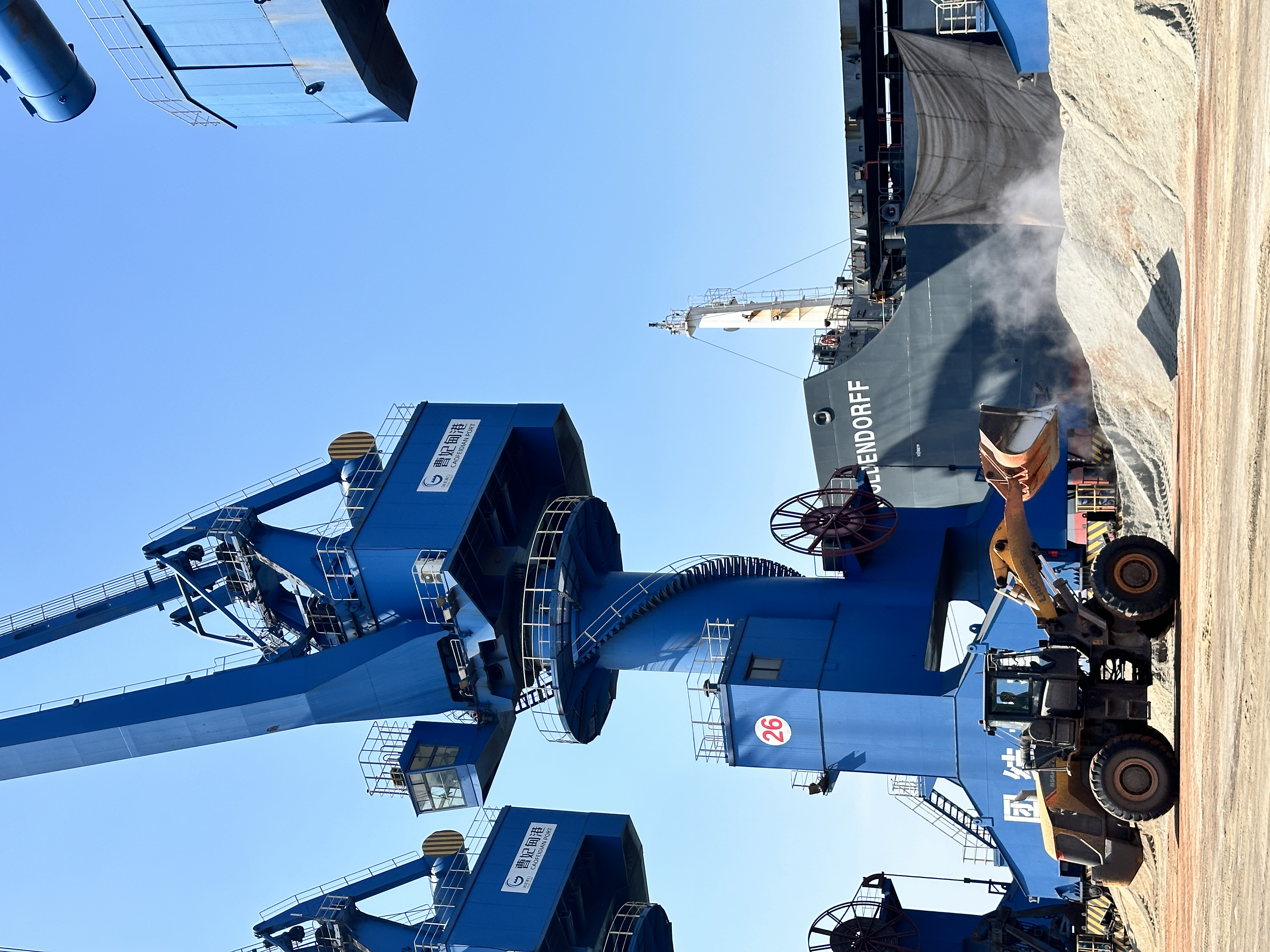
Even a qualified material cannot contribute at scale unless quantity, availability, loading method, laycan, inspection and transport are repeatable. SENLAN operates a GGBFS plant and loading execution base in Tangshan Caofeidian, supporting coordinated bulk-vessel and jumbo-bag preparation subject to specification and commercial confirmation.
Takeaway: Industry collaboration is useful when it closes the gap between climate targets and day-to-day production. For lower-carbon cement, shared direction must be matched by technical qualification, transparent data and supply chains that can execute consistently. Industry signal: World Cement report dated 20 August 2026 on UltraTech Cement joining LeadIT.
World Cement 于 8 月 20 日报道,UltraTech Cement 已加入 Leadership Group for Industry Transition,即 LeadIT。该生产商全球灰水泥年产能为 2.055 亿吨,并提出 2050 年实现碳中和混凝土的目标,其路径包括提高能源效率、使用替代燃料与原材料、发展可再生能源和低碳技术。这个信号的重要性在于,低碳水泥转型需要跨工厂、跨企业的共同执行。
1. 行业协作有助于减少执行断层
共同框架可以帮助政府、生产商、技术提供方与材料供应商比较进展并识别瓶颈。其实际价值在于把目标转化为可衡量的运营决策,包括燃料结构、熟料系数、材料认证、能源来源、设备准备与资本投入时间。
2. 降低熟料比例必须以性能为基础
在当地标准和性能试验允许时,替代原材料与辅助性胶凝材料可以支持熟料减量。GBFS 可供具备粉磨能力的买方评估,GGBFS 则是加工后的胶凝组分。未经配合比、强度与耐久性验证,任何材料都不应被视为自动替代品。
3. 共同目标需要可发运供应
即使材料已经通过认证,如果数量、可供性、装载方式、laycan、检验与运输不能稳定重复,也无法规模化发挥作用。SENLAN 在唐山曹妃甸拥有 GGBFS 工厂和装港执行基地,可根据规格与商务确认,协同准备散装船及吨袋发运。
结论:行业协作的价值,在于缩小气候目标与日常生产之间的距离。对于低碳水泥,共同方向必须与技术认证、透明数据及稳定可执行的供应链相结合。行业信号来源:World Cement 于 2026 年 8 月 20 日发布的 UltraTech Cement 加入 LeadIT 报道。