2026-08-25
Industrial-Waste Cement Proposals Put Validation Before Scale
A newly reported proposal to convert industrial waste into cementitious material highlights both the potential of alternative binders and the verification required before commercial deployment.
工业废弃物水泥方案,规模化前先过验证关
一项利用工业废弃物制备胶凝材料的新方案,既展现了替代性胶凝材料的潜力,也提醒市场:商业化应用之前必须完成系统验证。
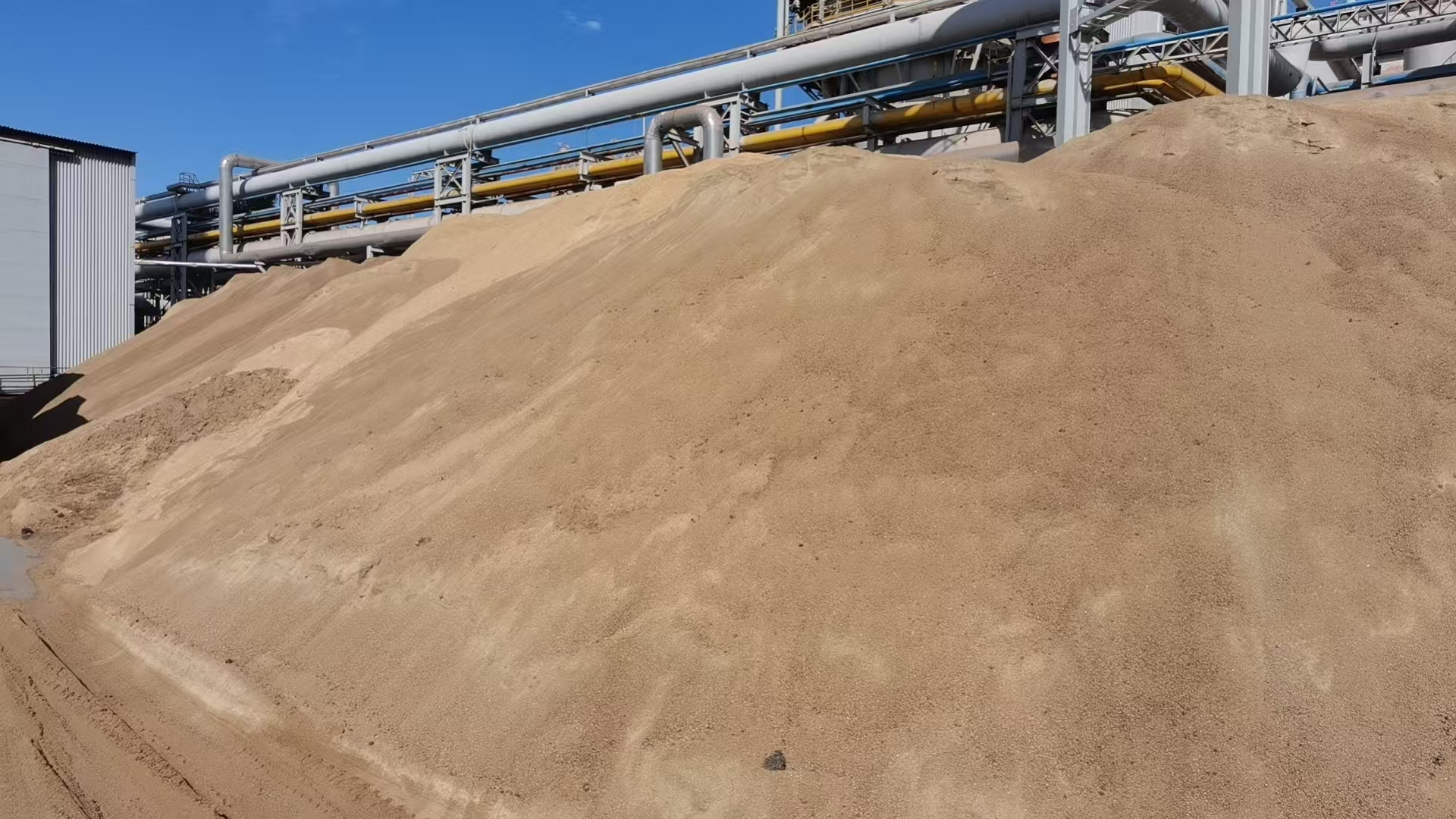
Researchers at the Institute for Solid Waste Research and Ecological Balance in India have proposed using high-temperature plasma powered by nuclear energy to transform industrial waste into an engineered cementitious slag. Reported by The Hindu on 25 August 2026, the concept combines waste utilisation, alternative energy and clinker substitution. It is an early-stage proposal rather than proof of commercial readiness, making industrial waste cement validation the central market question.
1. Process innovation needs a full energy and lifecycle case
Plasma can reach the temperatures required to melt and vitrify mineral feedstocks, but temperature alone does not establish a lower-carbon route. Electricity source, reactor efficiency, plant utilisation, upstream fuel cycle, capital intensity and downstream grinding all affect the final environmental and economic result. Independent lifecycle and techno-economic assessment must therefore precede any comparison with conventional clinker or established supplementary cementitious materials.
2. Waste-derived binders must pass performance and standards gates
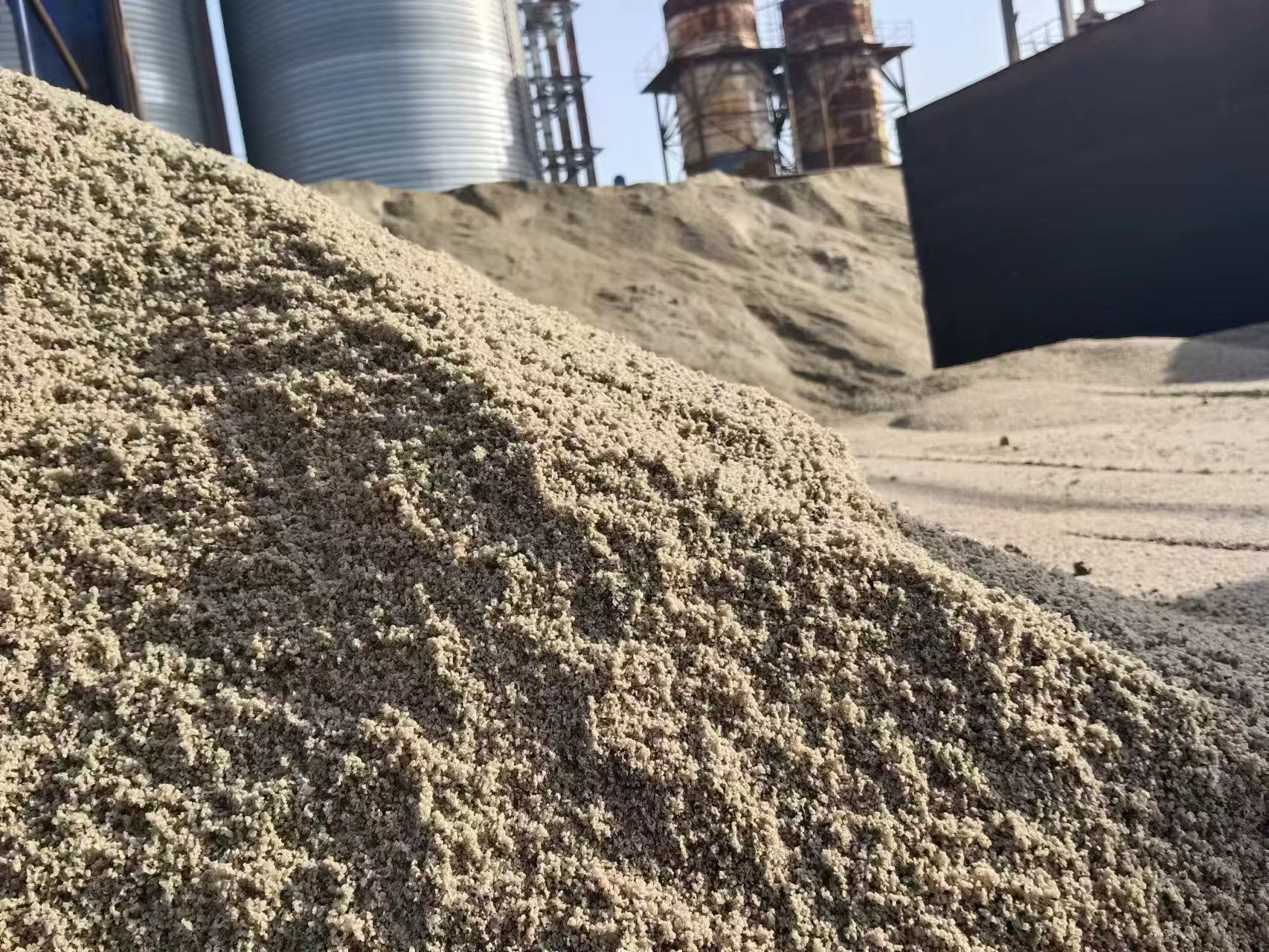
Industrial waste streams vary by source and operating conditions. A candidate binder must be assessed for chemical composition, glass content, fineness, activation route, strength development, durability, volume stability and potentially hazardous constituents. This is also the practical lesson from established materials such as GBFS and GGBFS: industrial origin creates opportunity, but specification compliance and application testing determine usability.
3. Scale depends on repeatable feedstock and logistics
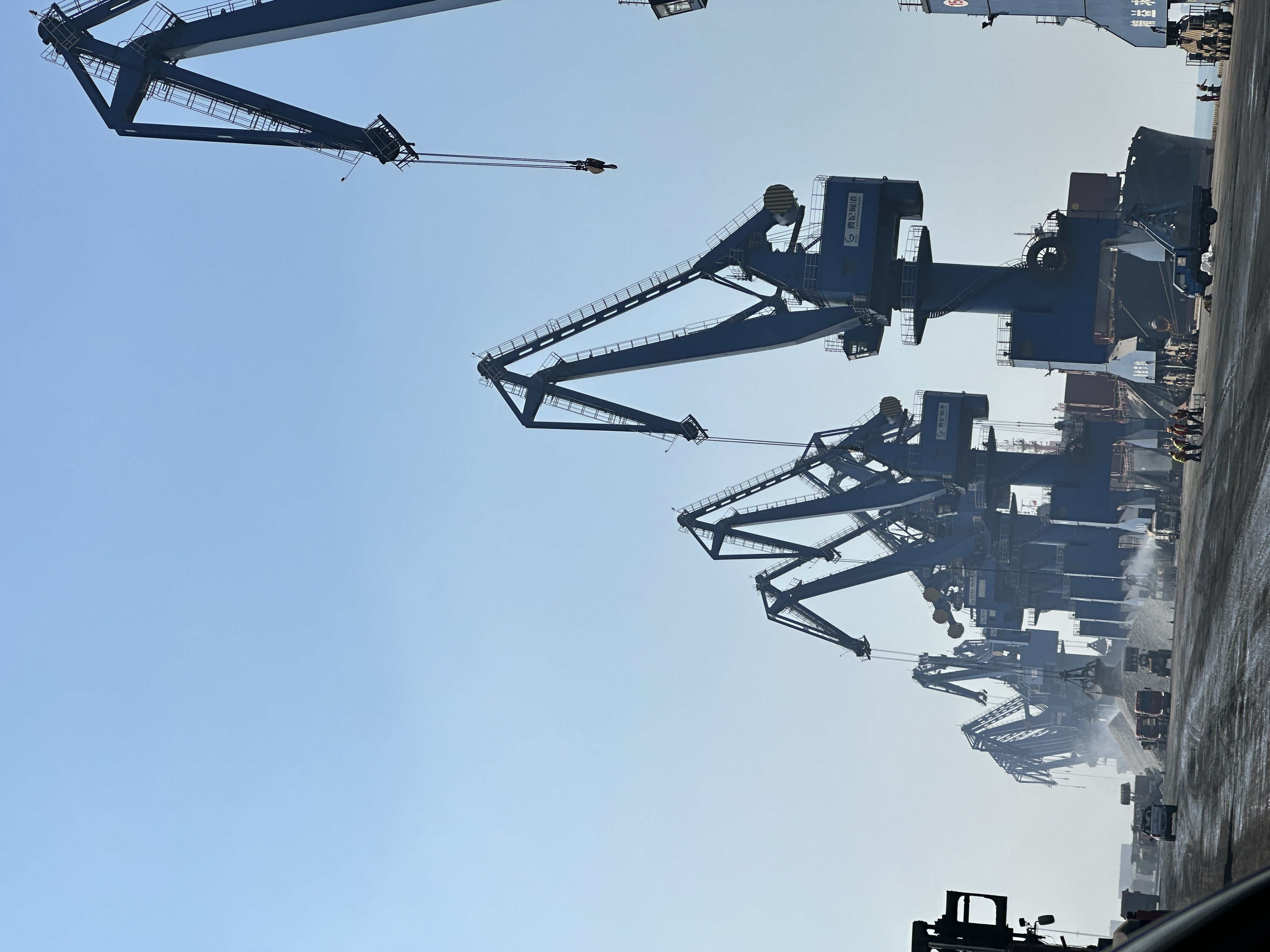
Even a technically promising material cannot scale without repeatable feedstock quality, production continuity, storage, loading, inspection and transport. SENLAN operates a GGBFS plant and loading execution base in Tangshan Caofeidian, supporting coordinated bulk-vessel and jumbo-bag preparation subject to specification and commercial confirmation.
Takeaway: New industrial-waste binder concepts deserve careful development, but decarbonisation claims should follow evidence, not precede it. The path to scale runs through lifecycle accounting, standards-based testing, stable feedstock and shipment-ready supply. Industry signal: The Hindu report published 25 August 2026.
印度固体废弃物研究与生态平衡研究所的研究人员提出,利用核能供电的高温等离子体,将工业废弃物转化为工程化胶凝矿渣。《The Hindu》于 2026 年 8 月 25 日报道了这一方案,其核心结合了废弃物利用、替代能源与熟料替代。但目前这仍是一项早期方案,并不等同于已经具备商业化条件,因此工业废弃物水泥的验证才是关键问题。
1. 工艺创新需要完整的能耗与生命周期论证
等离子体可以达到熔融和玻璃化矿物原料所需的高温,但温度本身不能证明这是一条更低碳的路线。电力来源、反应器效率、设备利用率、上游燃料循环、资本投入和后续粉磨都会影响最终的环境与经济结果。因此,在与传统熟料或成熟 SCM 路线比较前,必须完成独立的生命周期与技术经济评估。
2. 废弃物基胶凝材料必须通过性能与标准门槛
工业废弃物流会随来源和生产条件变化。候选胶凝材料需要评估化学组成、玻璃体含量、细度、激发方式、强度发展、耐久性、体积稳定性以及潜在有害成分。这也是 GBFS 与 GGBFS 等成熟材料带来的实际启示:工业来源创造机会,但规格符合性与应用试验决定是否可用。
3. 规模化依赖可重复的原料与物流
即使技术上具有潜力,如果原料质量、生产连续性、仓储、装载、检验和运输不能稳定重复,也无法实现规模化。SENLAN 在唐山曹妃甸拥有 GGBFS 工厂和装港执行基地,可根据规格与商务确认,协同准备散装船及吨袋发运。
结论:新的工业废弃物胶凝材料方案值得持续研发,但减碳结论必须建立在证据之后。通向规模化的路径包括生命周期核算、标准化试验、稳定原料与可发运供应。行业信号来源:《The Hindu》于 2026 年 8 月 25 日发布的报道。