2026-08-26
Rail-Served Cement and Slag Terminals Expand Supply Reach
Two new US distribution terminals show how rail access, regional storage and flexible loading can strengthen cement and slag supply reliability.
铁路服务型水泥与矿渣终端拓展区域供应半径
美国两座新建配送终端显示,铁路接入、区域仓储与灵活装载能够增强水泥和矿渣供应的可靠性。
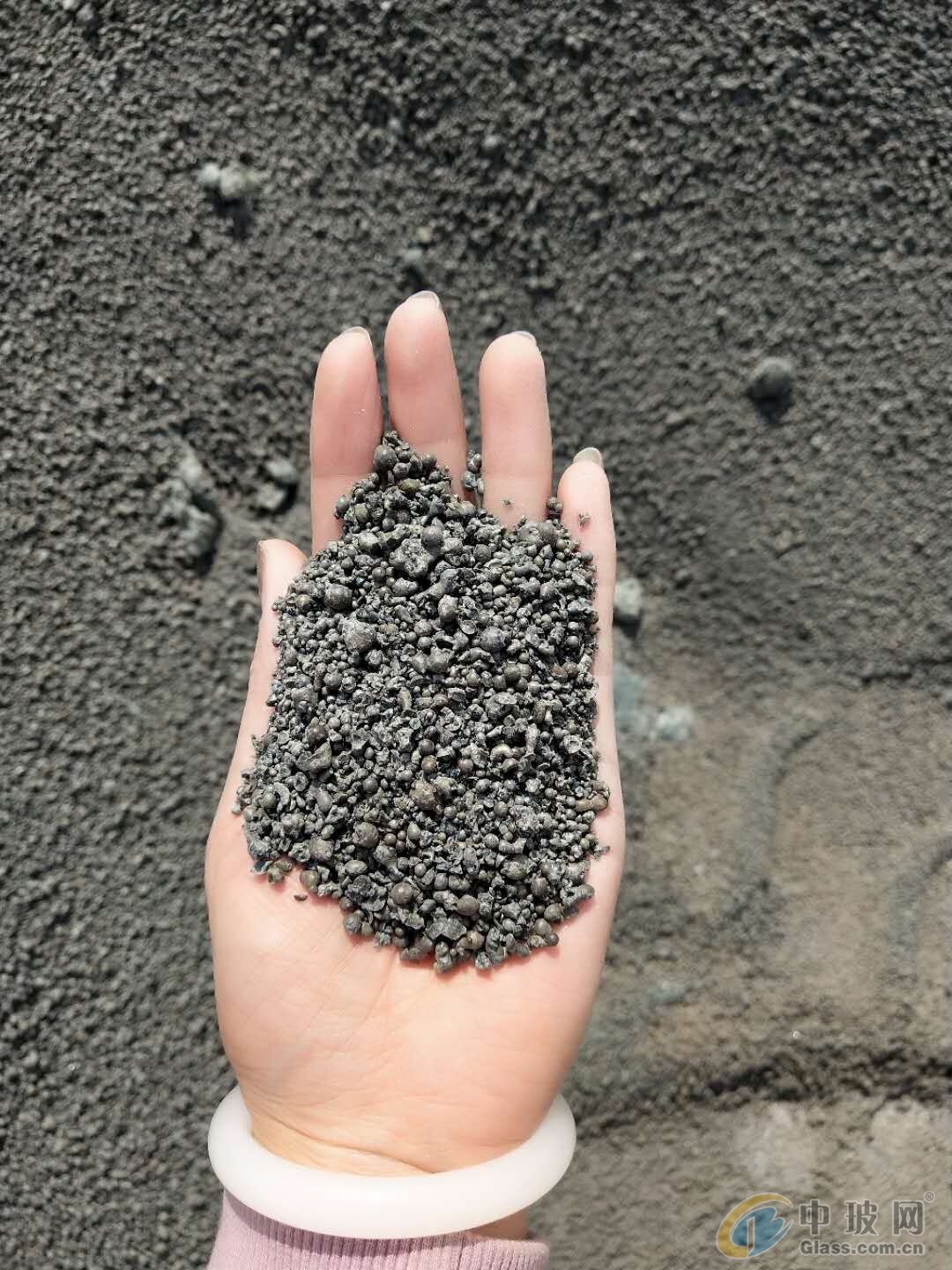
Pit & Quarry reported on 25 August 2026 that Silvi Cement is expanding its rail-served cementitious-material distribution network with terminals in Greenville, South Carolina, and Columbus, Ohio. According to the original report, both are expected to distribute Type I/II low-alkali cement and Grade 120 slag. The development makes cement and slag terminal logistics a practical supply-chain signal rather than simply a capacity story.
1. Regional terminals shorten the final supply leg
Placing inventory nearer to end markets can reduce dependence on long, single-mode delivery chains and create more options when demand changes. Rail is well suited to moving heavy mineral products over inland distances, while a regional terminal can connect those inbound volumes to local customer deliveries. The benefit depends on actual rail performance, storage availability and onward dispatch capacity; a terminal announcement alone does not guarantee service levels.

2. Product range and loading access shape terminal value
The Greenville terminal is under construction and was reported as targeting October operations. The Columbus facility was reported as targeting the fourth quarter and offering 24/7 loading. These details matter because terminal value is created by usable stock, appropriate handling systems and access windows that match customer schedules. Supplying both cement and Grade 120 slag may also support buyers managing conventional cement demand alongside lower-clinker mix strategies, subject to applicable specifications and qualification.
3. Multimodal planning is part of material reliability
For cement, GBFS and GGBFS, quality documentation and logistics execution are inseparable. Procurement teams need to confirm origin, specification, inventory, loading method, transport mode and contingency options as one plan. SENLAN's supply coordination is connected to Tangshan Caofeidian and Caofeidian Port, supporting bulk-vessel, jumbo-bag and container shipment planning subject to specification and commercial confirmation.
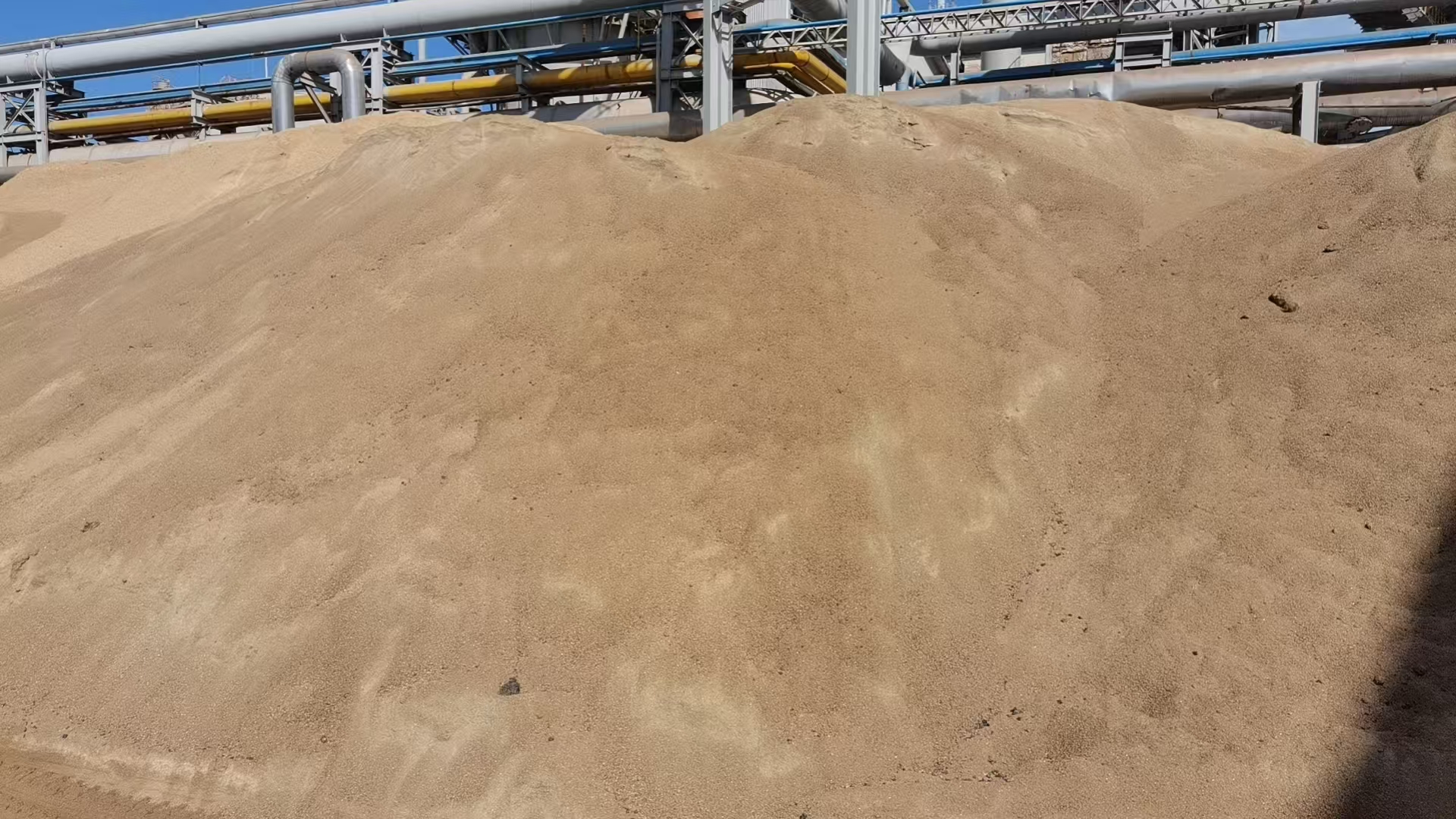
Takeaway: The two-terminal expansion suggests that distribution infrastructure is becoming a more visible part of cement and slag competitiveness. Buyers should evaluate terminals by verified product availability, storage, loading access, mode flexibility and delivery consistency—not location alone. Industry signal: the original Pit & Quarry report published 25 August 2026.
《Pit & Quarry》于 2026 年 8 月 25 日报道,Silvi Cement 正通过位于南卡罗来纳州格林维尔和俄亥俄州哥伦布的两座终端,扩展铁路服务型胶凝材料配送网络。原始报道显示,两座设施均计划配送 I/II 型低碱水泥和 Grade 120 矿渣。这一动态说明,水泥与矿渣终端物流不仅是产能话题,更是实际供应链信号。
1. 区域终端缩短末端供应链
将库存布置在更接近终端市场的位置,可以降低对超长单一运输链的依赖,并在需求变化时提供更多调度选择。铁路适合重型矿物产品的内陆长距离运输,而区域终端可把铁路到货衔接至本地客户配送。不过,实际收益仍取决于铁路运行、仓储可用性和后续发运能力;终端项目本身并不等于服务水平已有保障。
2. 产品组合与装载可用性决定终端价值
报道称,格林维尔终端正在建设,目标于 10 月投入运营;哥伦布设施计划在第四季度投运,并提供全天候装载能力。终端价值来自可用库存、适配的装卸系统,以及能够匹配客户计划的作业时间。同时配送水泥和 Grade 120 矿渣,也可能帮助买家兼顾常规水泥需求与低熟料配比策略,但仍须满足适用标准并完成材料验证。
3. 多式联运规划是材料可靠性的一部分
对水泥、GBFS 和 GGBFS 而言,质量文件与物流执行不可分割。采购团队需要把产地、规格、库存、装载方式、运输模式和备用方案作为一个整体确认。SENLAN 的供应协调连接唐山曹妃甸与曹妃甸港,可根据规格与商务确认,支持散装船、吨袋和集装箱发运规划。
结论:两座终端的扩建表明,配送基础设施正成为水泥与矿渣竞争力中更显性的部分。买家评估终端时,应核实产品可用性、仓储、装载时间、运输模式弹性和交付稳定性,而不能只看地理位置。行业信号来源:《Pit & Quarry》于 2026 年 8 月 25 日发布的原始报道。