2026-08-27
Scallop Shell Calcium Carbonate Enters Clinker-Free Cement
A newly reported partnership to use calcium carbonate recovered from scallop shells shows how circular mineral inputs are moving closer to practical cement applications.
扇贝壳碳酸钙进入无熟料水泥应用探索
一项利用扇贝壳回收碳酸钙的新合作表明,循环矿物原料正逐步走近水泥的实际应用场景。
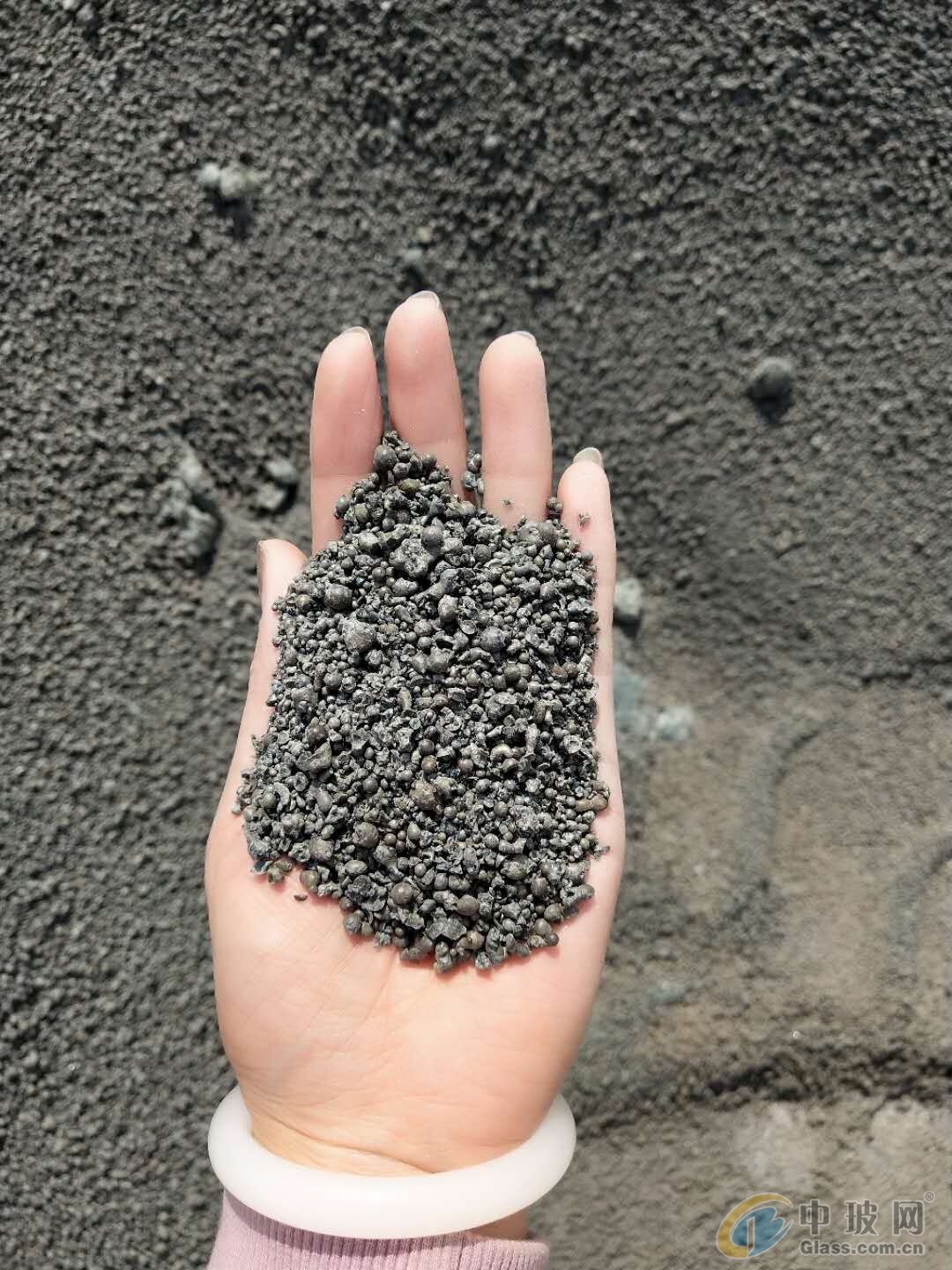
CemNet reported on 26 August 2026 that Hoffmann Green Cement Technologies had partnered with CSBT Environnement to incorporate calcium carbonate recovered from scallop shells into clinker-free cements. The original publisher page confirms both the subject and publication date. The announcement is a useful signal for clinker-free cement raw material validation, but it should not be read as proof that every shell-derived mineral stream is automatically suitable at commercial scale.
1. Circular origin does not replace material qualification
Recovered calcium carbonate may offer a route for redirecting a regional by-product into a higher-value industrial use. Its practical role, however, depends on measured chemistry, particle-size distribution, moisture, organic residues, trace contaminants and batch consistency. Cement formulators also need to assess interaction with the complete binder system and the applicable performance requirements. A circular feedstock earns credibility through repeatable data, not origin alone.
2. Preparation and logistics become part of performance
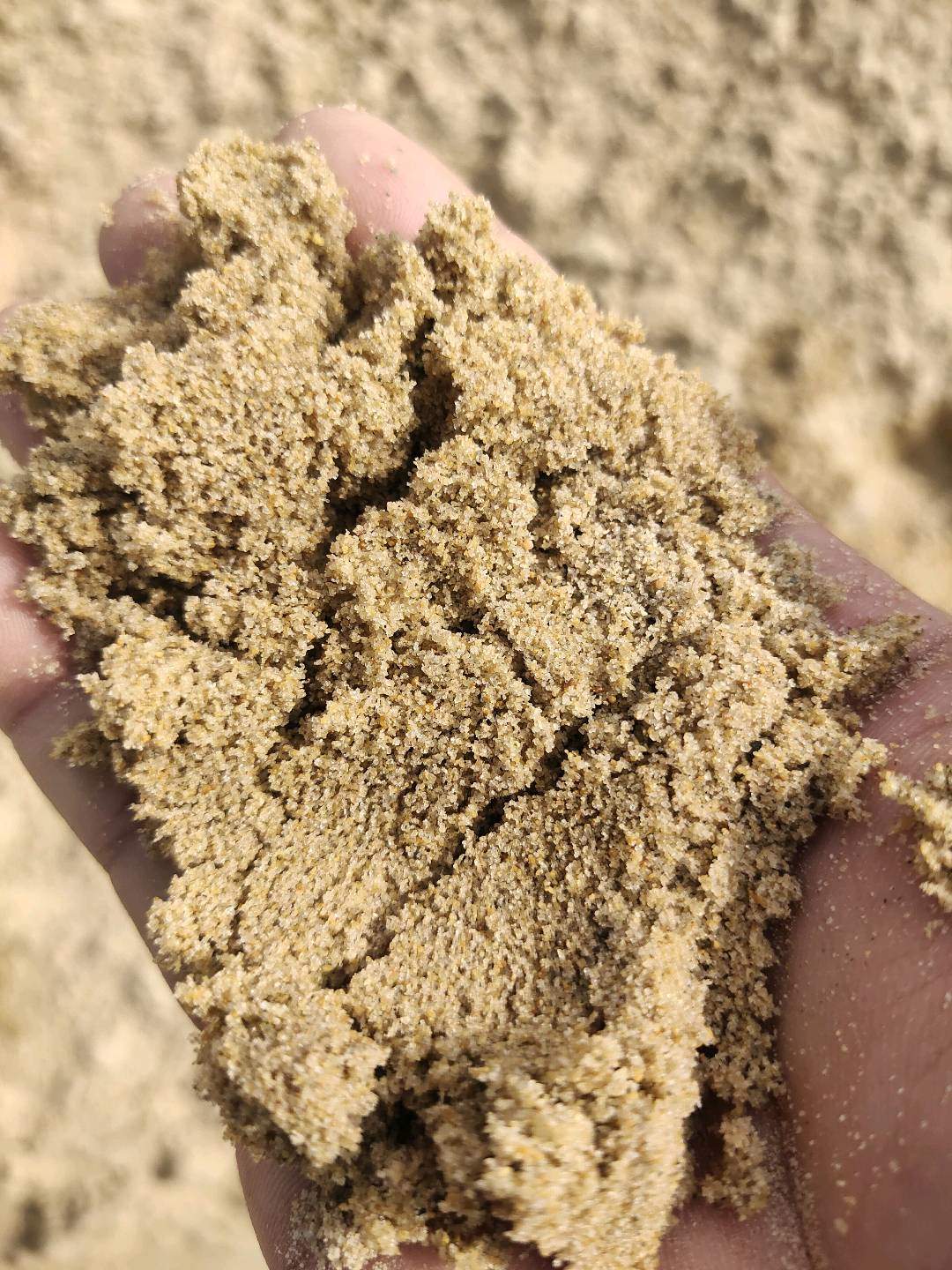
Shell collection is geographically dispersed and can vary with season and processing practices. Cleaning, drying, grinding, storage and transport therefore influence both cost and material consistency. Before scale-up, project teams should define acceptance limits, sampling frequency, lot traceability and contingency supply. These controls are familiar across GBFS, GGBFS and other cementitious-material supply chains, even though each material has a different technical function.
3. Portfolio thinking is stronger than one-material substitution
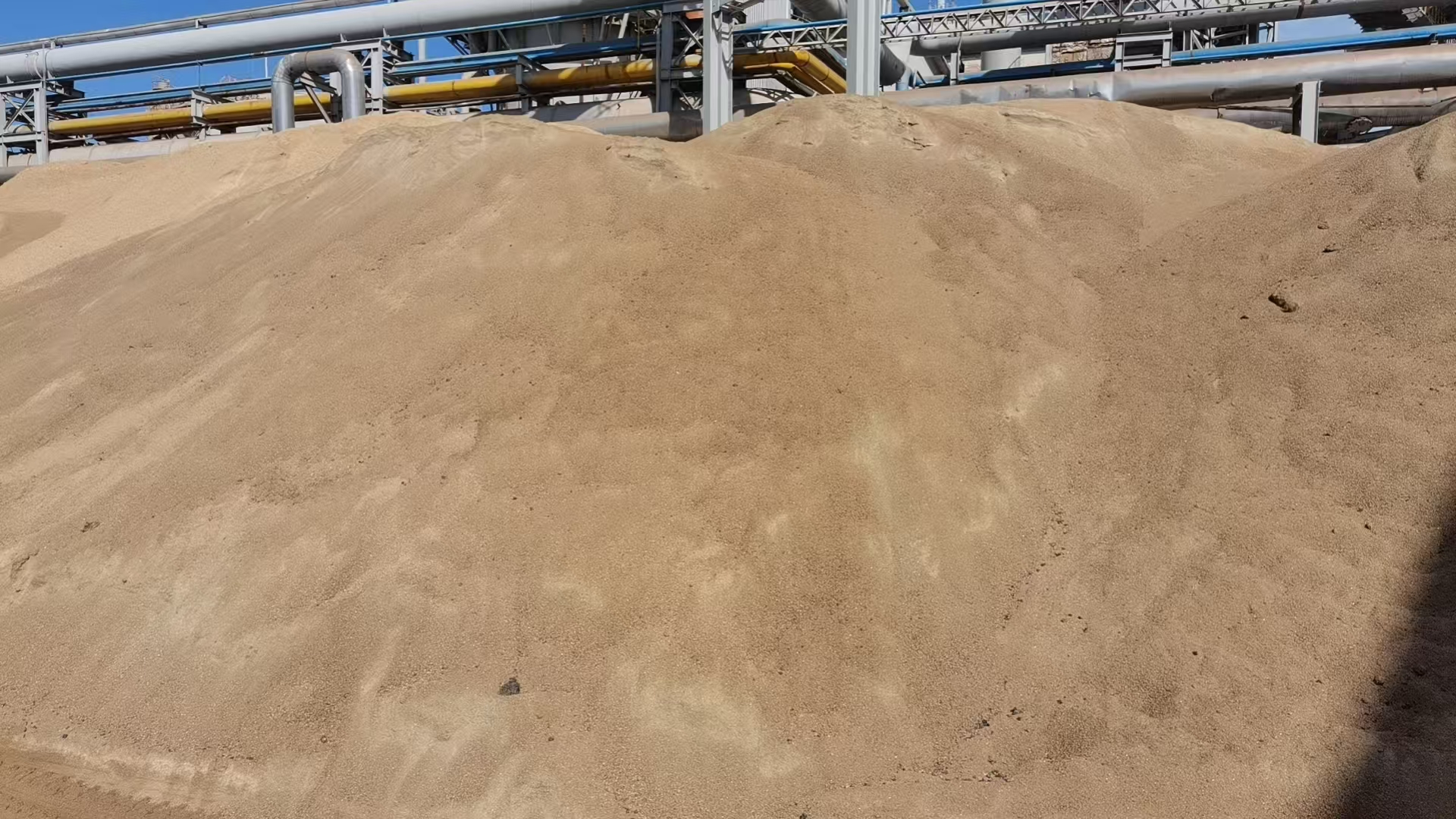
The broader low-carbon cement transition is unlikely to depend on one universal input. Limestone-derived materials, slag products and other qualified mineral streams can occupy different roles according to binder design, standards and local availability. Procurement teams should compare technical fit, lifecycle evidence, reliable volume and logistics together. SENLAN's GGBFS supply base in Tangshan Caofeidian and loading coordination through Caofeidian Port support bulk-vessel, jumbo-bag and container planning, subject to specification and commercial confirmation.
Takeaway: The scallop-shell partnership widens the field of circular inputs being considered for clinker-free cement. Its strongest market lesson is procedural: verify material properties, processing consistency, lifecycle evidence and supply execution before treating an innovation as a scalable procurement option. Industry signal: the original CemNet report published 26 August 2026.
《CemNet》于 2026 年 8 月 26 日报道,Hoffmann Green Cement Technologies 已与 CSBT Environnement 合作,把从扇贝壳中回收的碳酸钙用于无熟料水泥。原始发布页面确认了该主题与发布日期。这一消息为无熟料水泥原料验证提供了有价值的行业信号,但不能据此认为所有贝壳来源矿物料流都天然适合商业化规模应用。
1. 循环来源不能替代材料认证
回收碳酸钙可能把区域副产物导向更高价值的工业用途,但实际可用性仍取决于化学组成、粒径分布、水分、有机残留、痕量杂质和批次稳定性的实测结果。水泥配方方还需评估其与完整胶凝体系的相互作用,以及是否满足适用性能要求。循环原料的可信度来自可重复的数据,而不只是来源标签。
2. 预处理与物流也是性能的一部分
贝壳收集通常较为分散,并可能随季节与加工方式发生变化。因此,清洗、干燥、粉磨、仓储和运输都会影响成本与材料稳定性。规模化之前,项目团队应明确验收限值、取样频率、批次追溯和备用供应方案。尽管不同材料的技术作用各不相同,这些控制逻辑同样适用于 GBFS、GGBFS 及其他胶凝材料供应链。
3. 材料组合思维优于单一替代
低碳水泥转型很难依赖一种通用原料。石灰石类材料、矿渣产品和其他经认证的矿物料流,可根据胶凝体系设计、标准与当地供应条件承担不同作用。采购团队应把技术适配、生命周期证据、可靠货量与物流执行放在一起比较。SENLAN 位于唐山曹妃甸的 GGBFS 供应基地及曹妃甸港装运协调,可根据规格与商务确认,支持散装船、吨袋和集装箱发运规划。
结论:扇贝壳合作扩大了无熟料水泥可考虑的循环原料范围。其更重要的市场启示在于流程:只有验证材料性能、加工稳定性、生命周期证据和供应执行,创新原料才能成为可规模采购的选项。行业信号来源:《CemNet》于 2026 年 8 月 26 日发布的原始报道。