2026-09-17
Fly Ash Binder Demonstration Enters Engineering Validation
A new demonstration base in China brings fly ash preparation, testing and engineering validation into one operating platform.
粉煤灰胶凝材料示范项目进入工程验证阶段
中国新建的一座示范基地把粉煤灰原料制备、检测与工程验证整合到同一运行平台。
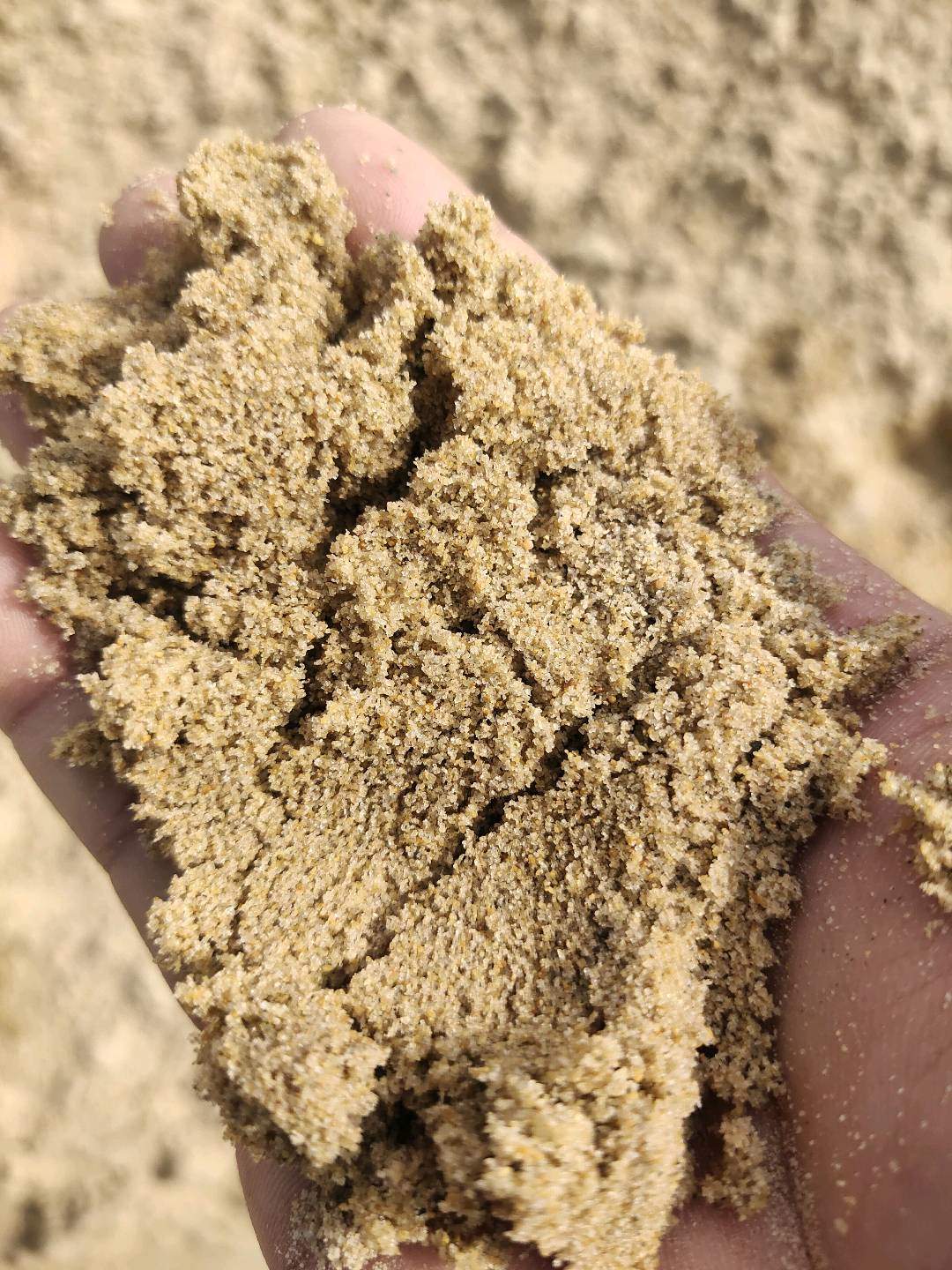
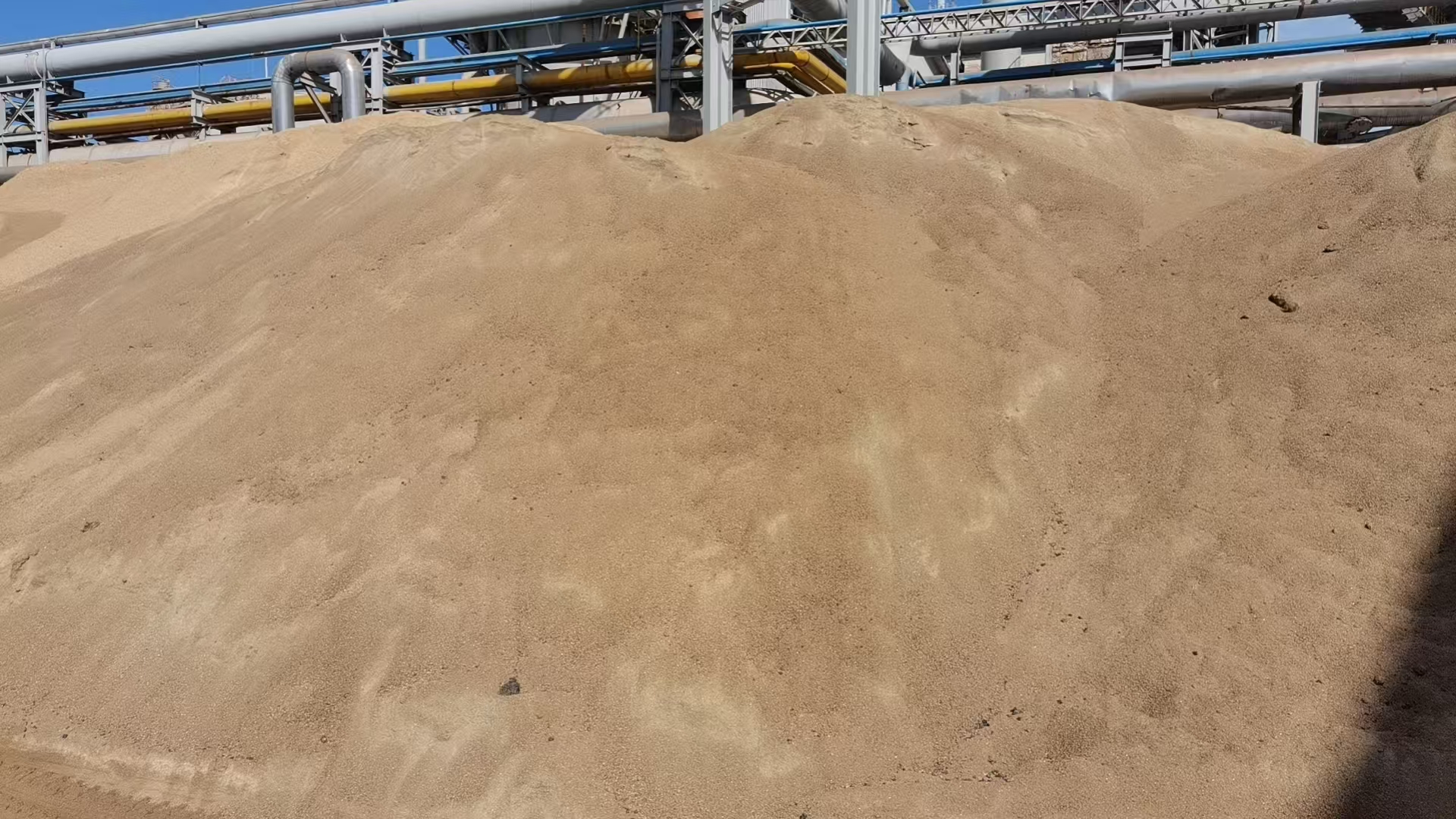
International Cement Review reported on 16 September 2026 that CHN Energy Science and Technology Research Institute and CHN Energy's Anqing Power Plant have established a 6200m² demonstration base for converting coal-derived solid waste into construction materials. The facility combines storage, preparation, testing and engineering validation. It remains a demonstration project, so the reported results still need assessment across sustained commercial production.
1. Demonstration scale connects laboratory work with production control
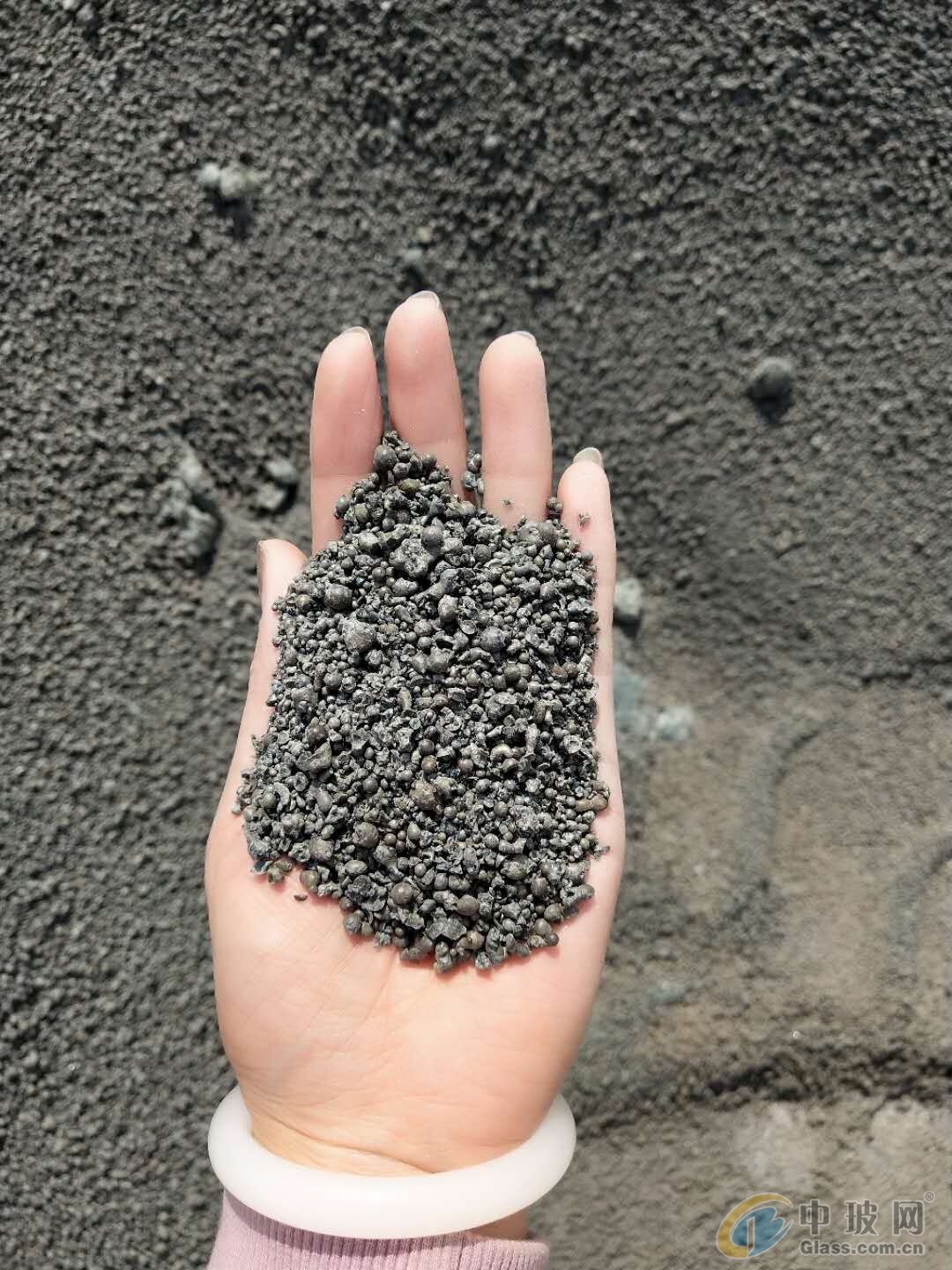
The principal route reportedly converts Grade II fly ash into a cement-free geopolymer binder, with fly ash representing 50–70 per cent of the material. Bringing raw-material handling and testing together matters because alternative binders depend on feedstock variability, activation chemistry, batching discipline and repeatable quality control—not only a successful laboratory formulation.
2. Performance and carbon claims need transparent verification
CESTRI says the binder could reduce carbon emissions by about 80 per cent versus conventional Portland cement and cost 10–30 per cent less than comparable cement products. It also reports concrete strength classes from C15 to C50 and third-party compliance testing against relevant Chinese standards. These are developer-reported results; project boundaries, mix design, durability data and local energy inputs should be reviewed before applying them to other markets.
3. Wider SCM portfolios increase the value of qualification
Reported uses in roads, precast products and paving blocks show how alternative binders may move through application-specific qualification. A broader SCM portfolio does not make established materials interchangeable. Fly ash, GGBFS and GBFS have different chemistry, processing needs and standards. Specifications, test methods, dependable supply and logistics therefore remain central to procurement.
Takeaway: The base is a useful signal that fly ash binder development is moving toward integrated engineering validation. Commercial significance will depend on repeatable production, durable performance, transparent lifecycle evidence and scalable feedstock control. Source: International Cement Review, published 16 September 2026.
《International Cement Review》于 2026 年 9 月 16 日报道,国家能源集团科学技术研究院与安庆电厂在中国建立了一座占地 6200 平方米的示范基地,用于将煤基固体废弃物转化为建筑材料。该设施整合了原料储存、制备、检测和工程验证。由于项目仍处于示范阶段,其成果还需要在持续商业化生产中进一步评估。
1. 示范规模把实验室成果与生产控制连接起来
据报道,该项目的主要技术路线是把 II 级粉煤灰转化为无水泥地聚物胶凝材料,其中粉煤灰占材料的 50%–70%。把原料处理和检测整合起来具有现实意义,因为替代性胶凝材料的工业化不仅取决于实验室配方,还取决于原料波动、激发反应、配料纪律与可重复的质量控制。
2. 性能与减碳数据需要透明验证
CESTRI 称,与传统硅酸盐水泥相比,该胶凝材料的碳排放可降低约 80%,成本可比同类水泥产品低 10%–30%;其混凝土强度等级可覆盖 C15 至 C50,并已通过第三方检测、符合相关中国标准。这些数据来自项目方报告,在推广到其他市场前,仍应审查核算边界、配合比、耐久性数据和当地能源投入。
3. SCM 组合扩大后,材料认证更重要
道路、预制构件和铺路砖等已报告应用,说明替代性胶凝材料可以按具体用途逐步完成认证。SCM 组合扩大并不意味着各种材料可以互换。粉煤灰、矿渣粉(GGBFS)与粒化高炉矿渣(GBFS)在化学组成、加工需求和适用标准上均有差异,因此规格、检测方法、稳定供应和物流仍是采购核心。
结论:这座示范基地释放出积极信号:粉煤灰胶凝材料正走向一体化工程验证。其商业意义仍取决于稳定生产、长期耐久性、透明的生命周期证据和可规模化的原料控制。来源:《International Cement Review》,发布于 2026 年 9 月 16 日。