2026-09-18
China-Gulf Cement Feedstock Shift Reshapes Dry Bulk Trade
A sharp change in limestone origins shows how cement feedstock trade can reroute quickly when regional supply is disrupted.
中国补位海湾水泥原料贸易,干散货航线经济性重估
石灰石来源地的快速变化表明,当区域供应受扰时,水泥原料贸易航线可能迅速重构。
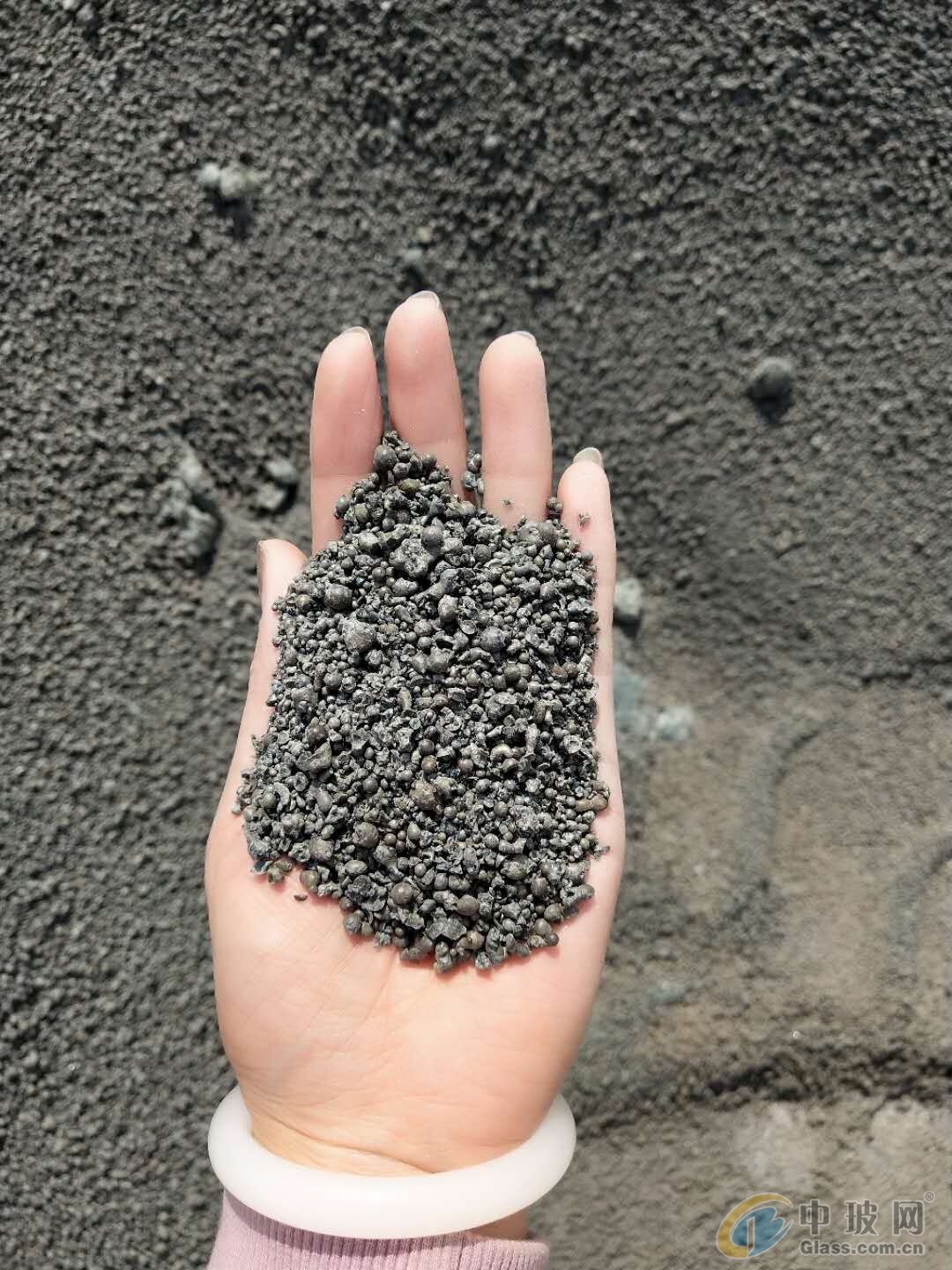
Splash247 reported on 17 September 2026 that Chinese limestone exports have expanded sharply as buyers replace disrupted Persian Gulf supply. Citing analysis from Greek shipbroker Ursa, the report said China's international limestone exports reached 5.49 million tonnes in January-August 2026, versus 110,000 tonnes in the same period of 2025. India was the largest buyer, followed by Bangladesh. The figures are broker-reported estimates, but they provide a clear signal that cement feedstock trade can move between origins faster than fixed supply assumptions suggest.
1. Supply shocks reroute cargo rather than remove demand
Ursa data cited by Splash247 put Persian Gulf limestone exports at 5.5 million tonnes for the first eight months of 2026, down 73 per cent year on year. Yet global limestone loadings reportedly declined by only 1.3 per cent to 55.5 million tonnes. The contrast suggests that alternative exporters absorbed much of the displaced demand. For buyers, origin diversification therefore needs to be prepared before a disruption: candidate material should be technically qualified, commercial terms compared on a delivered basis and documentation requirements agreed in advance.
2. Longer routes change vessel demand and delivered economics
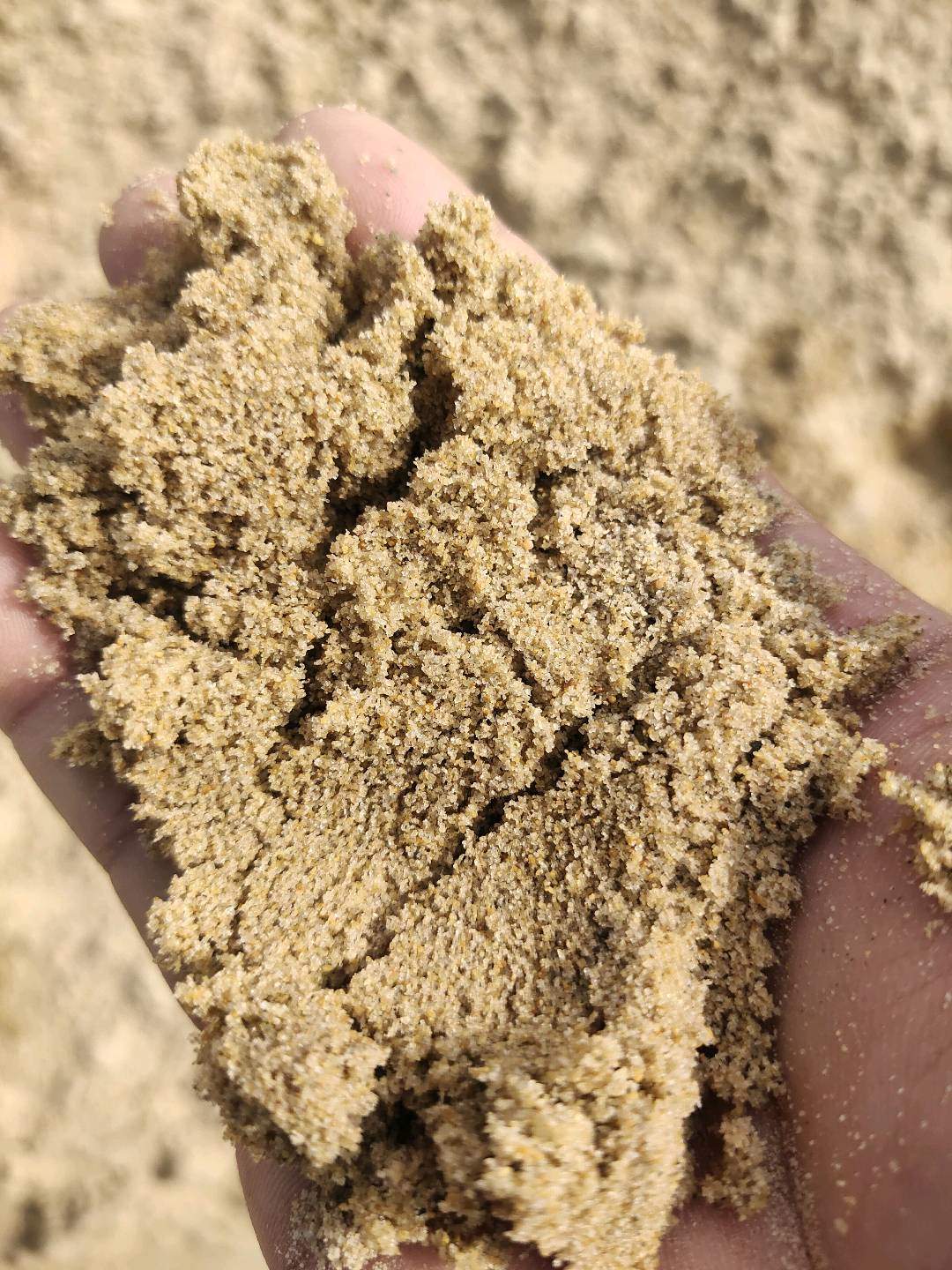
The same report linked stronger Chinese exports with additional North Asian demand for geared Supramax and Ultramax vessels. This matters because a replacement origin changes more than the ocean distance. Parcel size, vessel gear, loading and discharge rates, berth restrictions, laycan, weather exposure and demurrage allocation all affect the delivered result. A lower material price can be erased by unsuitable vessel selection or slow port execution, while a cargo designed around actual terminal limits can preserve options in a tight freight window.
3. Product qualification must travel with the new route
Limestone is a raw material for lime and cement production, but it is not interchangeable with clinker, GBFS or GGBFS. Each product has different chemistry, processing roles, handling risks and acceptance criteria. When trade routes shift, procurement teams should keep the product specification, sampling method, moisture and contamination controls, cargo quantity and loading plan aligned. Route flexibility only creates value when the material remains fit for the buyer's process.
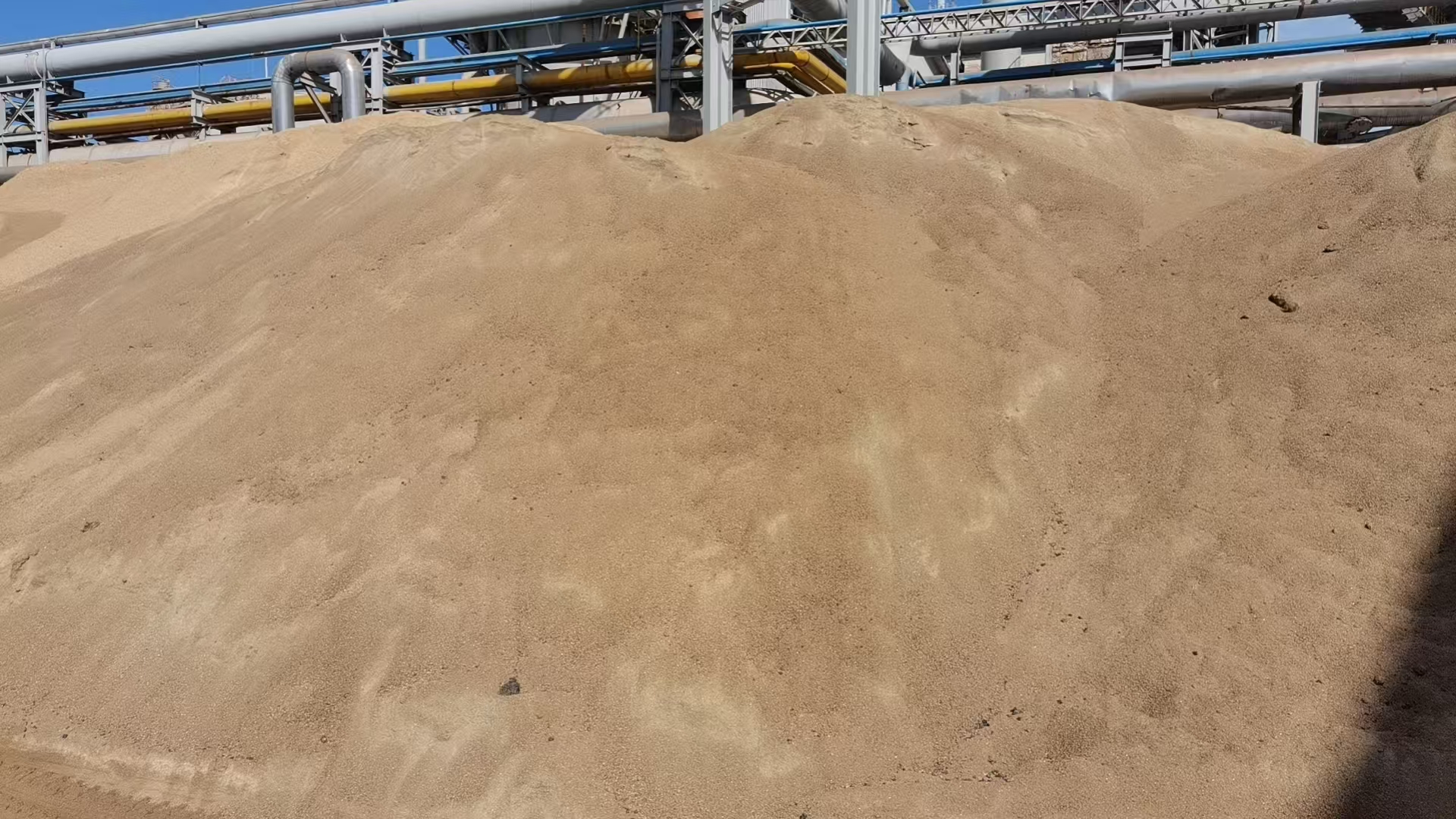
Takeaway: China's rapid emergence as a replacement limestone origin shows that cement feedstock flows can adjust quickly, but the new route must be managed as one commercial and operational system. Qualified material, suitable vessel capacity and port-ready execution determine whether supply diversification becomes reliable delivery. Source: Splash247, published 17 September 2026.
Splash247 于 2026 年 9 月 17 日报道,在波斯湾供应受扰后,中国石灰石出口快速增长,买家开始寻找替代来源。报道援引希腊船舶经纪公司 Ursa 的分析称,2026 年 1—8 月中国国际石灰石出口量达到 549 万吨,而 2025 年同期仅为 11 万吨;印度是最大买家,孟加拉国次之。这些数字属于经纪机构统计,但仍清楚说明:水泥原料贸易的来源地变化速度,可能快于传统固定供应假设。
1. 供应冲击改变货物流向,而非消除需求
Splash247 援引的 Ursa 数据显示,2026 年前八个月波斯湾石灰石出口量为 550 万吨,同比下降 73%;同期全球石灰石装船量据报仅下降 1.3%,至 5550 万吨。两组数据的差异表明,其他出口地吸收了相当一部分转移需求。对买家而言,来源多元化需要在供应中断前完成准备:提前对候选材料进行技术认证,按到岸口径比较商业条件,并预先明确单证要求。
2. 航程变化会重塑船舶需求与到岸经济性
同一报道还把中国出口增长与东北亚对带吊灵便型及超灵便型散货船的新增需求联系起来。替代来源改变的不只是航程。货量、船舶吊机、装卸效率、泊位限制、装期、天气风险和滞期责任都会影响最终到岸结果。较低的材料价格可能被不合适的船型或低效港口执行抵消;反之,围绕码头真实限制设计货盘,则有助于在运力偏紧时保留商业选择。
3. 新航线必须同步承载产品认证
石灰石是石灰和水泥生产的原料,但不能与熟料、粒化高炉矿渣(GBFS)或矿渣粉(GGBFS)互换。不同产品的化学组成、加工用途、装卸风险与验收标准各不相同。当贸易航线发生变化时,采购团队仍需把产品规格、取样方法、水分与污染控制、货量和装载方案保持一致。只有材料持续适用于买方工艺,航线灵活性才会转化为实际价值。
结论:中国快速成为替代石灰石来源地,说明水泥原料货流可以迅速调整,但新航线必须作为商业与运营的一体化系统管理。合格材料、适配船舶与港口就绪的执行能力,决定供应多元化能否转化为可靠交付。来源:Splash247,发布于 2026 年 9 月 17 日。