2026-09-21
Port Kembla Upgrade Integrates Cement Materials Logistics
A proposed Australian terminal expansion shows how nearby GBFS, seaborne clinker, storage and ship handling can be designed as one cementitious-materials supply system.
肯布拉港升级计划整合 GBFS、熟料与海运物流
澳大利亚一项码头扩建计划表明,邻近 GBFS、海运熟料、仓储与船舶装卸可以被整合为一套水泥质材料供应系统。
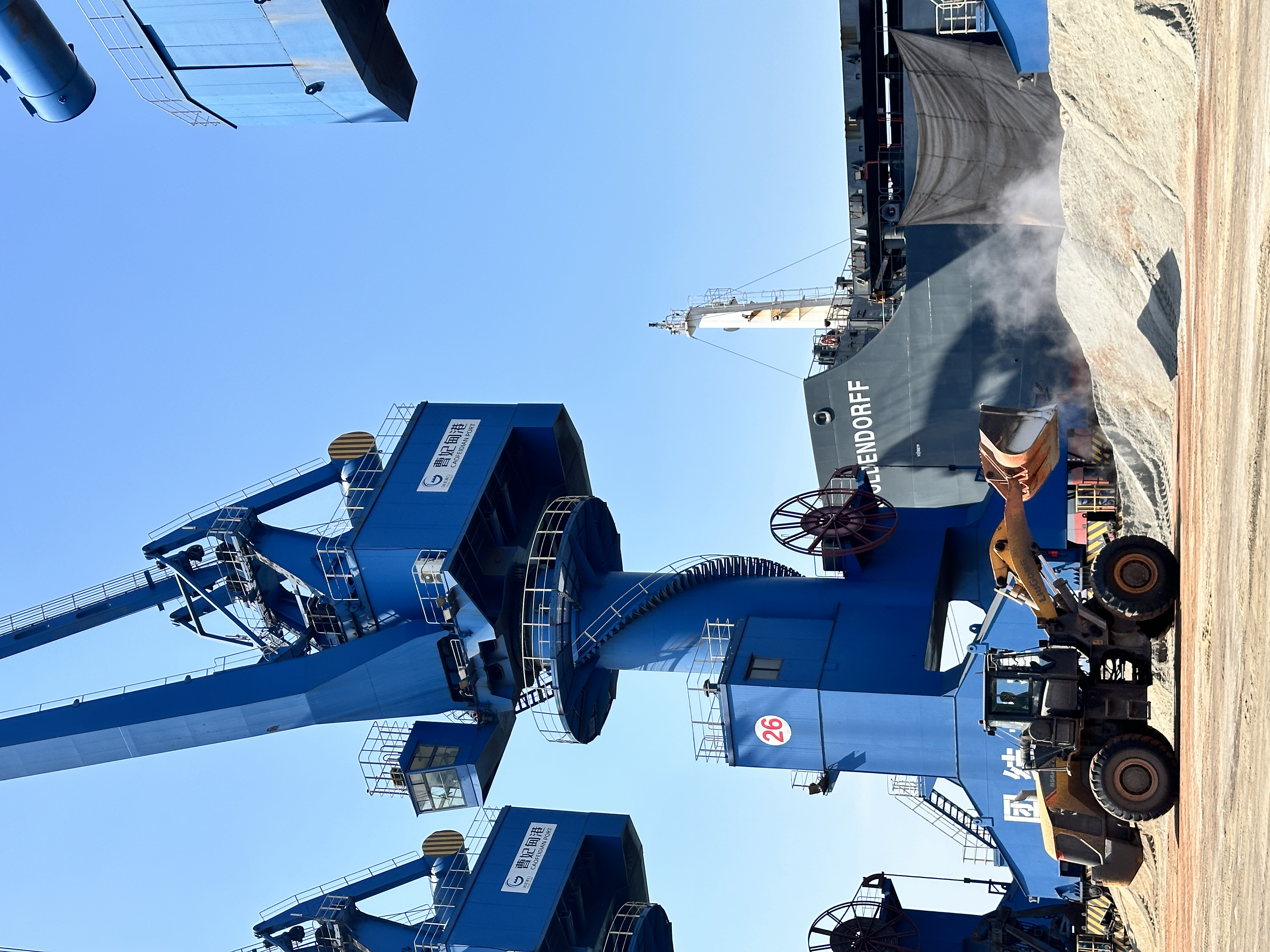
Region Illawarra reported on 19 September 2026 that Cement Australia is proposing an A$250 million upgrade of its Port Kembla operations. The plan is intended to replace capacity at Glebe Island before that facility's announced closure by December 2030. It remains a proposal at the scoping-report stage, before a formal development application and environmental impact statement, but its design offers a practical view of how cementitious materials logistics can connect raw-material access, grinding, storage and marine transport.
1. Capacity is useful only when each interface is connected
The existing Port Kembla mill reportedly produces 1.4 million tonnes per year of cementitious material, including cement, slag and fly ash. The proposal would add capacity to dispatch another 1.4 million tonnes per year into New South Wales and export up to 600,000 tonnes per year by ship, taking total site throughput and storage capacity to 3.4 million tonnes per year. Proposed works include new silos and weighbridges, export silos and conveyors, plus a ship unloader and possible strengthening of No. 6 Jetty. The important signal is not one headline number: storage, unloading, dispatch and berth capability must expand together.
2. Nearby GBFS changes the terminal's material strategy
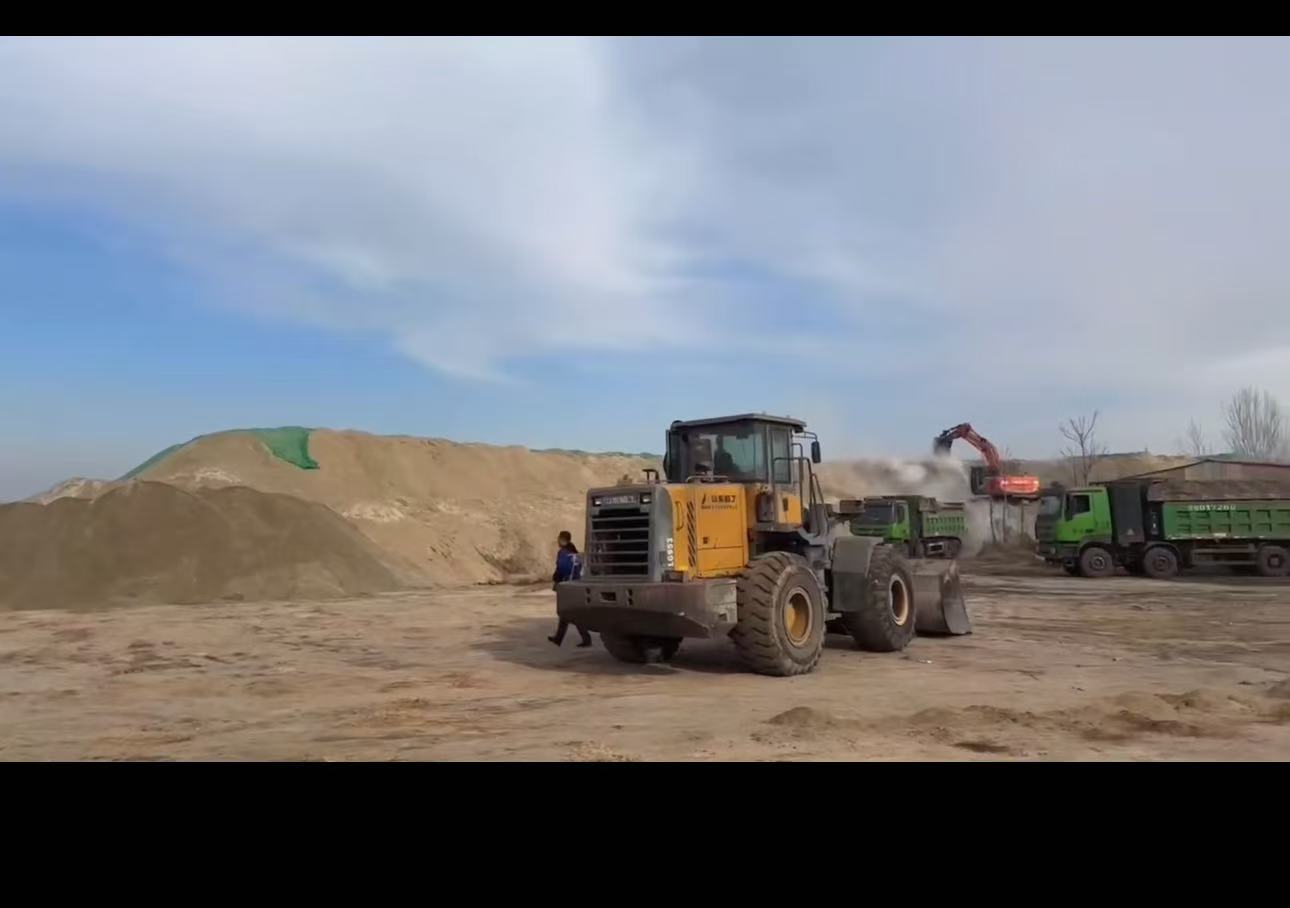
The report highlights access to granulated blast furnace slag from the nearby BlueScope Steelworks, while the existing operation also produces GGBFS. Proximity can reduce inland transport and support a lower-clinker product mix, but it does not remove the need for product-specific qualification. GBFS chemistry, moisture, granulation, contamination controls and grinding performance still need to match the intended cement or concrete application. For procurement teams, local availability becomes bankable supply only after specification, sampling and repeatability are established.
3. Seaborne clinker keeps marine execution central
The proposal also envisages receiving clinker and gypsum by ship across No. 6 Jetty and exporting cementitious materials by sea. That makes vessel fit, unloader performance, silo segregation, conveying capacity, berth windows and truck dispatch part of the same operating plan. A terminal can have adequate annual capacity yet still face delays if parcel size, shore equipment or storage turnover is mismatched. Buyers and suppliers should therefore evaluate delivered economics around the actual terminal chain, not material price or nominal tonnes alone.
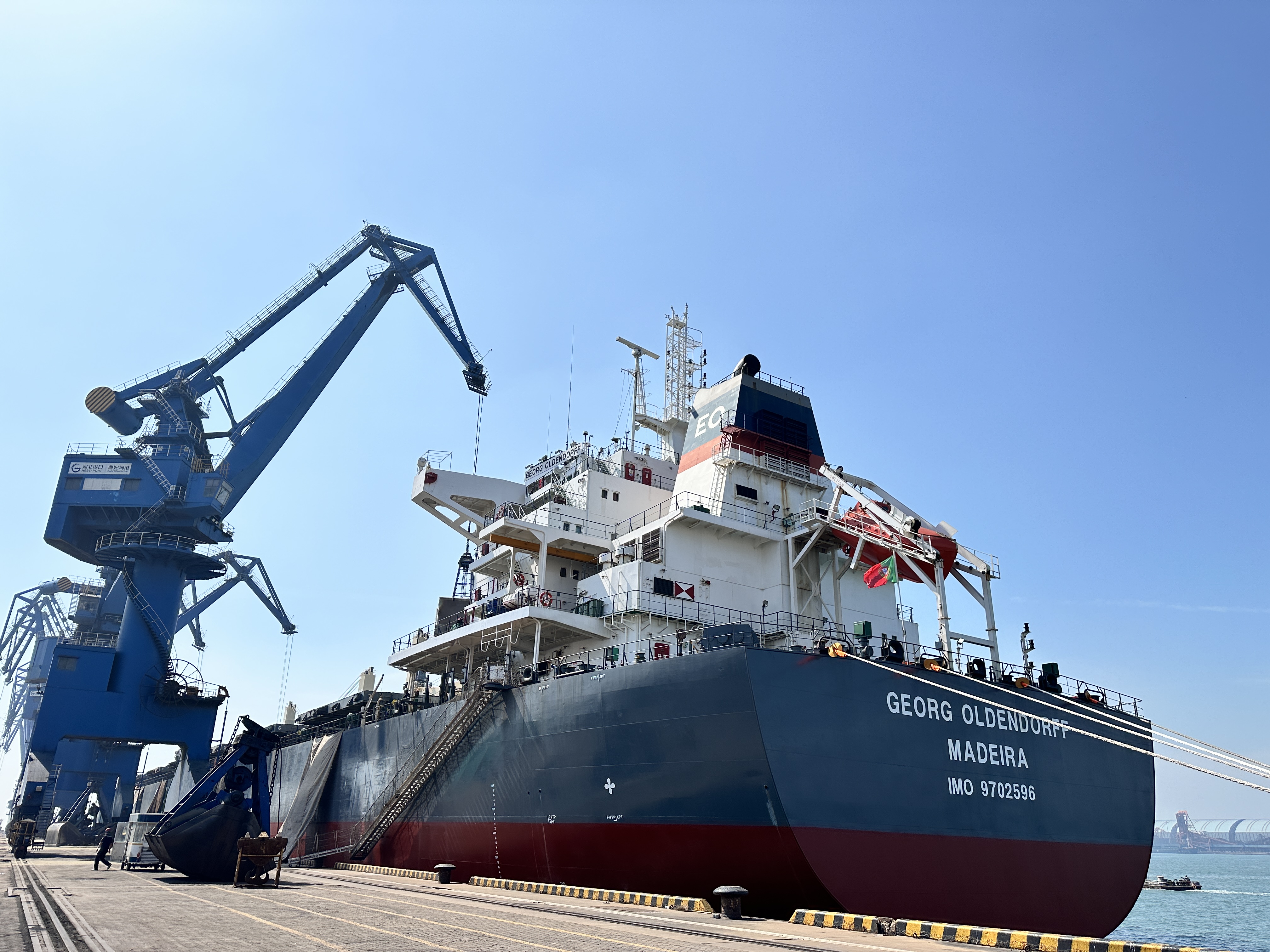
Takeaway: Port Kembla's proposed expansion shows why resilient cementitious-material supply is an integration task. Nearby GBFS, imported clinker, grinding capacity, silos and ship handling each create value only when the full chain is qualified and executable. Source: Region Illawarra, published 19 September 2026.
Region Illawarra 于 2026 年 9 月 19 日报道,Cement Australia 计划投入 2.5 亿澳元升级肯布拉港业务,以在 Glebe Island 设施宣布于 2030 年 12 月前关闭之前承接相关产能。目前项目仍处于范围报告阶段,正式开发申请与环境影响报告尚未提交;但其设计已经提供了一个有价值的案例:水泥质材料物流需要把原料获取、粉磨、仓储与海运连接成一个系统。
1. 各环节同步衔接,名义产能才有实际价值
报道称,肯布拉港现有粉磨厂每年生产 140 万吨水泥质材料,包括水泥、矿渣和粉煤灰。拟议项目计划再增加每年 140 万吨向新南威尔士州市场的发运能力,并可通过船舶每年向其他州出口最多 60 万吨,使场地总吞吐与仓储能力达到每年 340 万吨。计划工程包括新筒仓与地磅、出口筒仓与输送系统,以及卸船机和 6 号泊位可能需要的结构加固。真正的信号并不是某一个产能数字,而是仓储、卸船、出库与泊位能力必须同步扩张。
2. 邻近 GBFS 供应改变码头的材料组合
报告特别提到,项目可获得邻近 BlueScope 钢厂的粒化高炉矿渣,而现有设施也生产矿渣粉(GGBFS)。距离较近有助于降低陆运需求,并支持降低熟料比例的产品组合,但并不等于可以省略材料认证。GBFS 的化学成分、水分、粒化程度、污染控制与粉磨表现,仍需匹配目标水泥或混凝土用途。对采购团队而言,只有完成规格、取样与稳定性验证,本地可得性才能真正转化为可依赖的供应。
3. 海运熟料使港口执行继续处于核心位置
拟议项目还计划通过 6 号泊位接收海运熟料与石膏,并由海路输出水泥质材料。因此,船型适配、卸船机效率、筒仓分隔、输送能力、泊位窗口与卡车出库需要纳入同一运营计划。即使码头年度名义产能充足,如果单船货量、岸机或仓储周转不匹配,仍可能发生延误。买卖双方应围绕真实码头链条评估到岸经济性,而不能只看材料单价或名义吨位。
结论:肯布拉港拟议扩建说明,稳定的水泥质材料供应本质上是一项系统整合工作。邻近的粒化高炉矿渣(GBFS)、进口熟料、粉磨产能、筒仓与船舶装卸,只有在整条链路完成认证并具备可执行性时才会产生价值。来源:Region Illawarra,发布于 2026 年 9 月 19 日。