Why Low-Carbon Cement Materials Are Staying at the Center of Industry Attention
From industry conferences to technical discussion, the message remains consistent: clinker reduction and supplementary cementitious materials are staying central to the cement sector’s next phase.
低碳水泥材料为什么还在持续成为行业焦点
从行业会议到技术讨论,一个信号正在持续被重复:熟料减量与补充胶凝材料,仍然处于水泥行业下一阶段转型的中心位置。
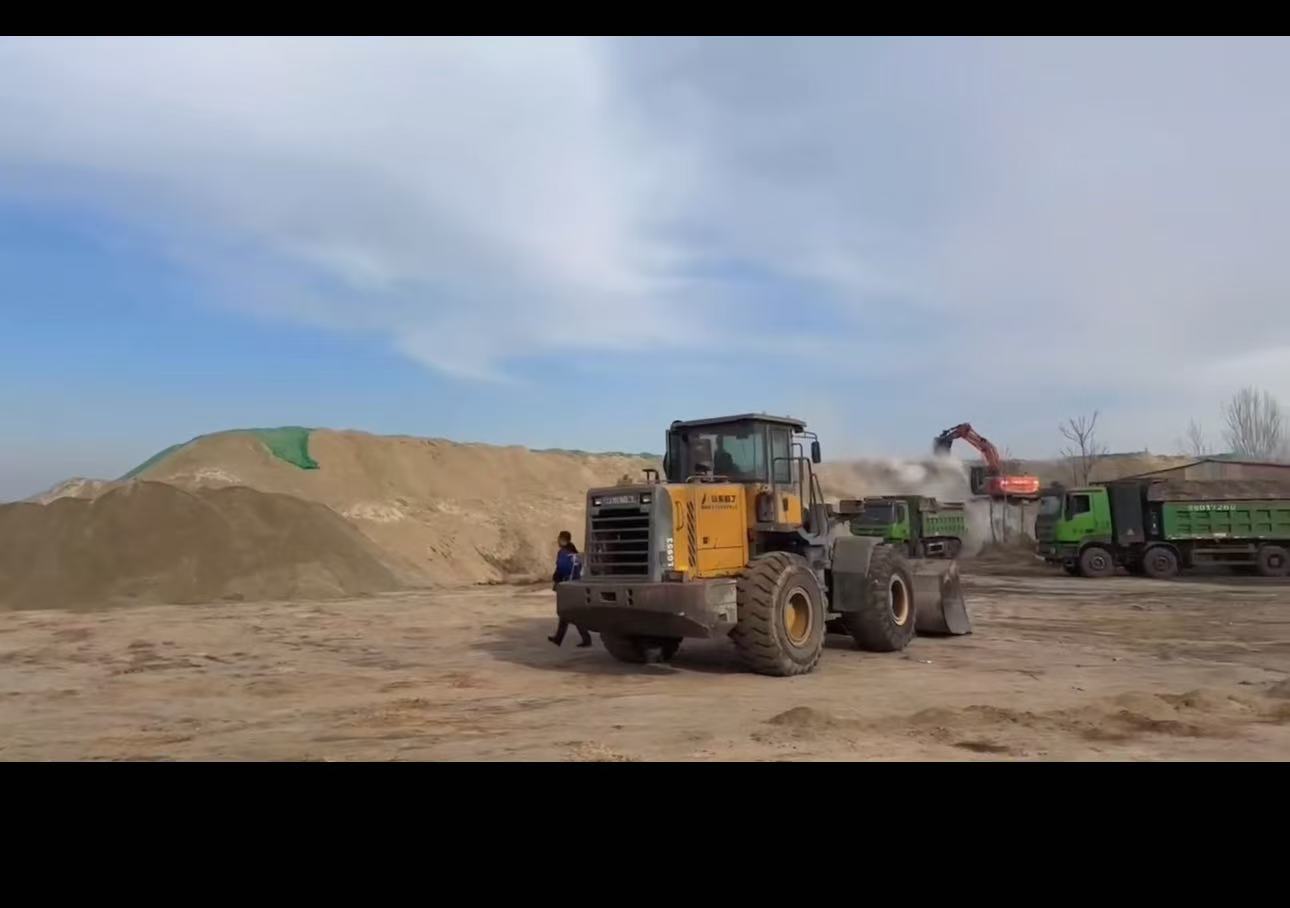
Low-carbon cement is no longer a side conversation. Across conferences, market commentary and technical reporting, the direction is becoming more visible: the industry continues to look for practical ways to lower clinker intensity while maintaining performance, scalability and commercial viability. That is exactly why supplementary cementitious materials remain highly relevant.
1. Industry attention is still intensifying, not fading
Recent event coverage around green cement and decarbonisation shows that producers, technology providers and market participants are still investing attention in this area. That matters because sustained attention usually indicates more than passing rhetoric. It suggests that lower-carbon cement systems are continuing to influence procurement priorities, technical evaluation and product positioning across the industry.
2. Clinker reduction remains one of the most practical levers
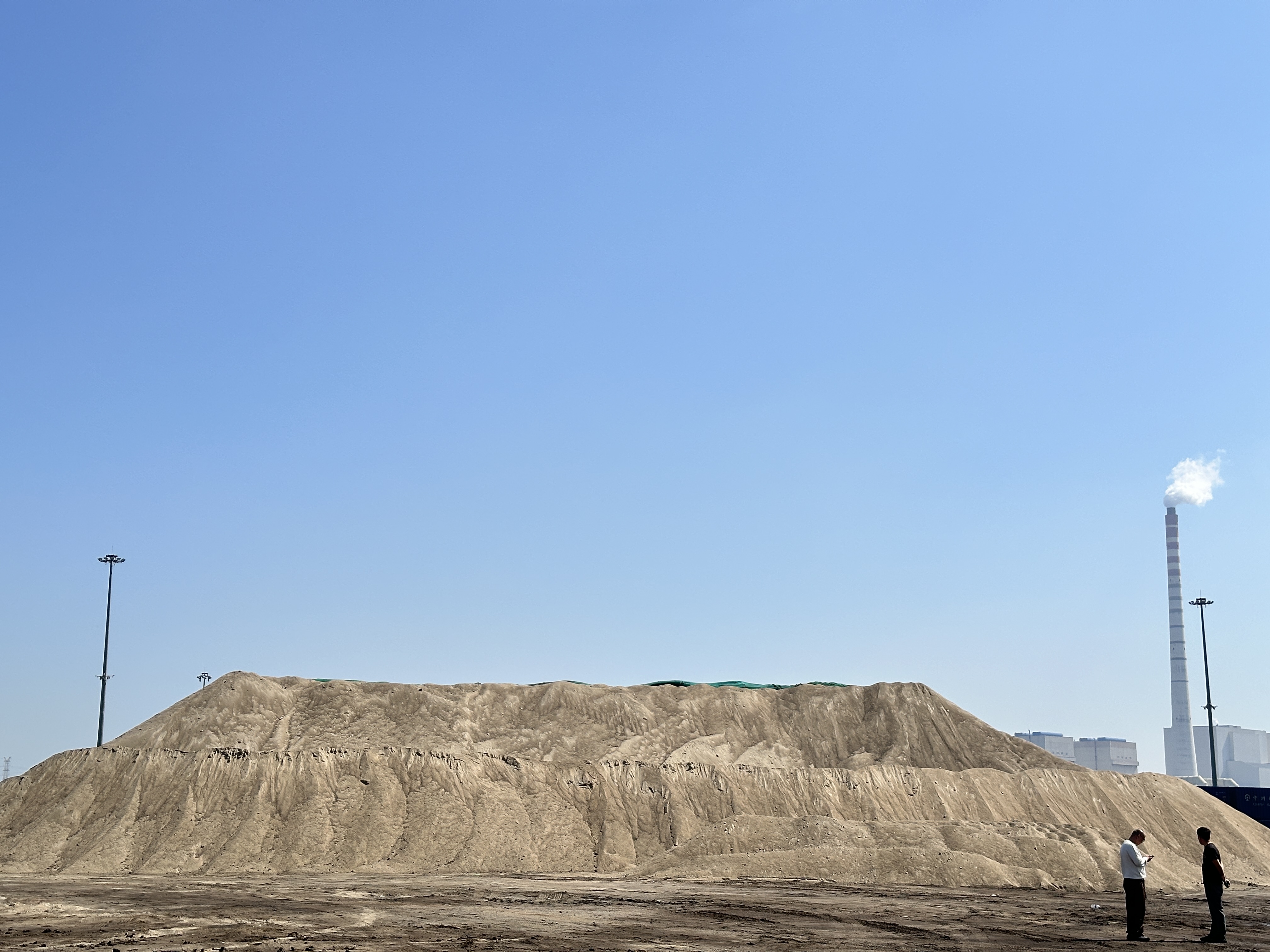
Many low-carbon pathways are being discussed, but clinker reduction remains one of the clearest and most commercially understandable. The reason is simple: it links directly to emissions intensity, production design and material formulation. That keeps materials such as slag-based supplementary cementitious materials in the center of long-term technical and market conversations.
3. For suppliers, the story is now about relevance and readiness
For producers, traders and exporters, the takeaway is not only that low-carbon cement matters, but that buyers increasingly expect materials to fit into a broader performance-and-carbon narrative. That means product consistency, application clarity and technical positioning all become more important. It is no longer enough to offer material alone; the market increasingly values how that material supports a lower-carbon cement system.
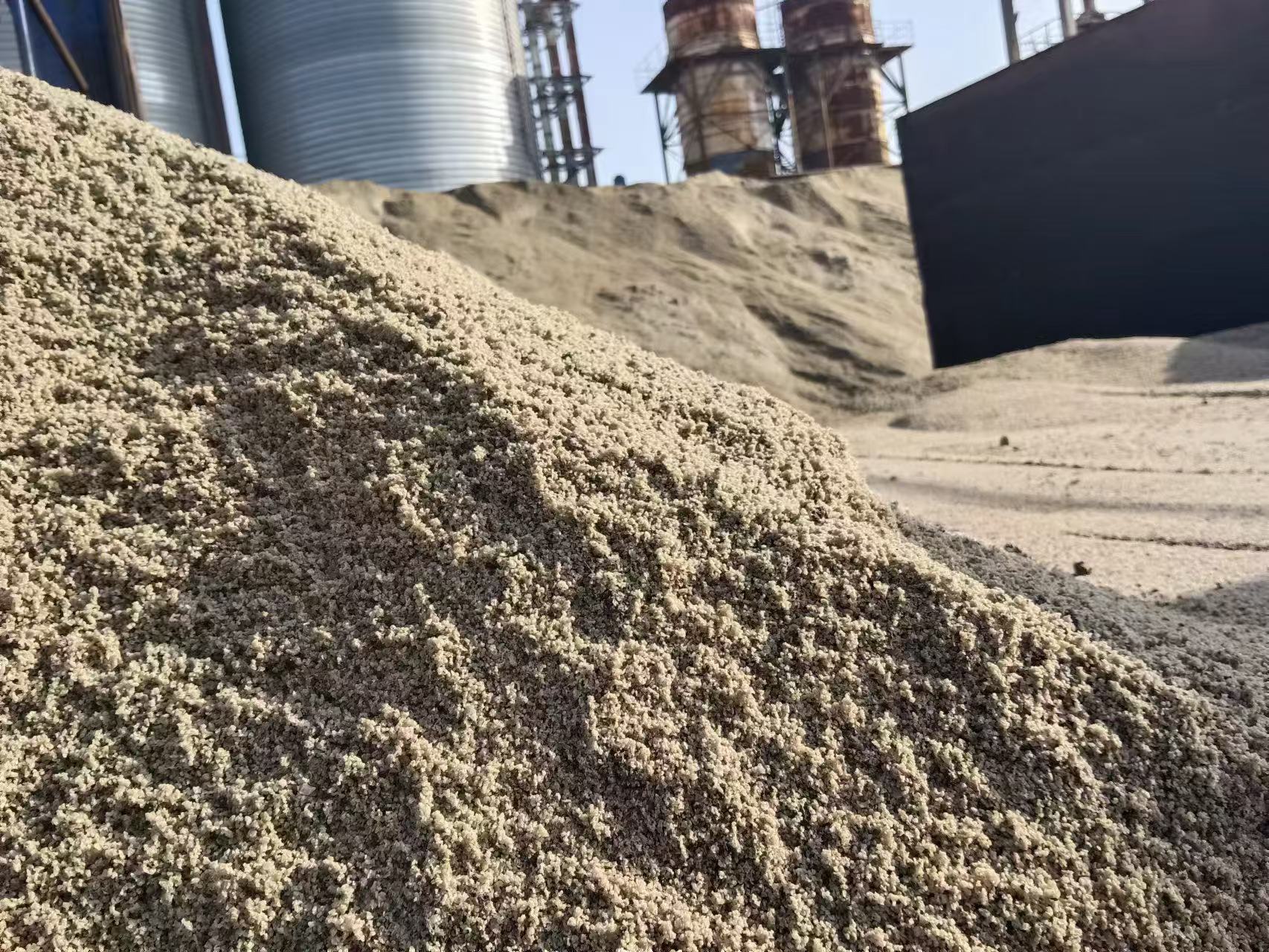
In short, low-carbon cement materials are staying central because they address a practical industry need rather than a symbolic one. As long as cement producers continue to balance cost, performance and emissions, supplementary cementitious materials are likely to remain part of the core conversation.
低碳水泥已经不再是边缘话题。无论是在行业会议、市场讨论还是技术报道中,一个方向都变得越来越清晰:行业仍在持续寻找降低熟料强度、同时保持性能、规模化能力与商业可行性的现实路径。这正是补充胶凝材料持续保持高相关性的原因。
1. 行业关注并没有降温,反而仍在加深
近期围绕绿色水泥与脱碳主题的活动和报道表明,生产商、技术提供方以及市场参与者仍在持续投入关注。这一点很重要,因为持续性的关注通常并不只是短期口号,而意味着更低碳的水泥体系正在继续影响行业中的采购优先级、技术评估标准以及产品定位方式。
2. 熟料减量仍然是最现实的关键抓手之一
低碳路径有很多,但熟料减量仍然是其中最清晰、也最具商业可理解性的方向之一。原因很简单:它直接连接了排放强度、生产体系以及材料配方设计。这也使得矿渣类补充胶凝材料持续处于长期技术和市场讨论的核心位置。
3. 对供应商来说,关键已经变成相关性与准备度
对于生产商、贸易商和出口商来说,真正的结论不只是低碳水泥很重要,而是买家越来越希望材料能够嵌入一个更完整的“性能 + 碳减排”叙事之中。这意味着产品稳定性、应用场景清晰度以及技术定位都会变得更重要。市场正在越来越重视的,不只是你提供什么材料,而是这种材料如何支撑一个更低碳的水泥体系。
简而言之,低碳水泥材料之所以持续处于中心位置,是因为它们回应的是行业的现实需求,而不是象征性议题。只要水泥生产商仍需要在成本、性能与排放之间持续平衡,补充胶凝材料就很可能继续留在核心讨论之中。